
 한국어
한국어 English
 日本語
日本語 中文(简体)
 Viewing nowCombination
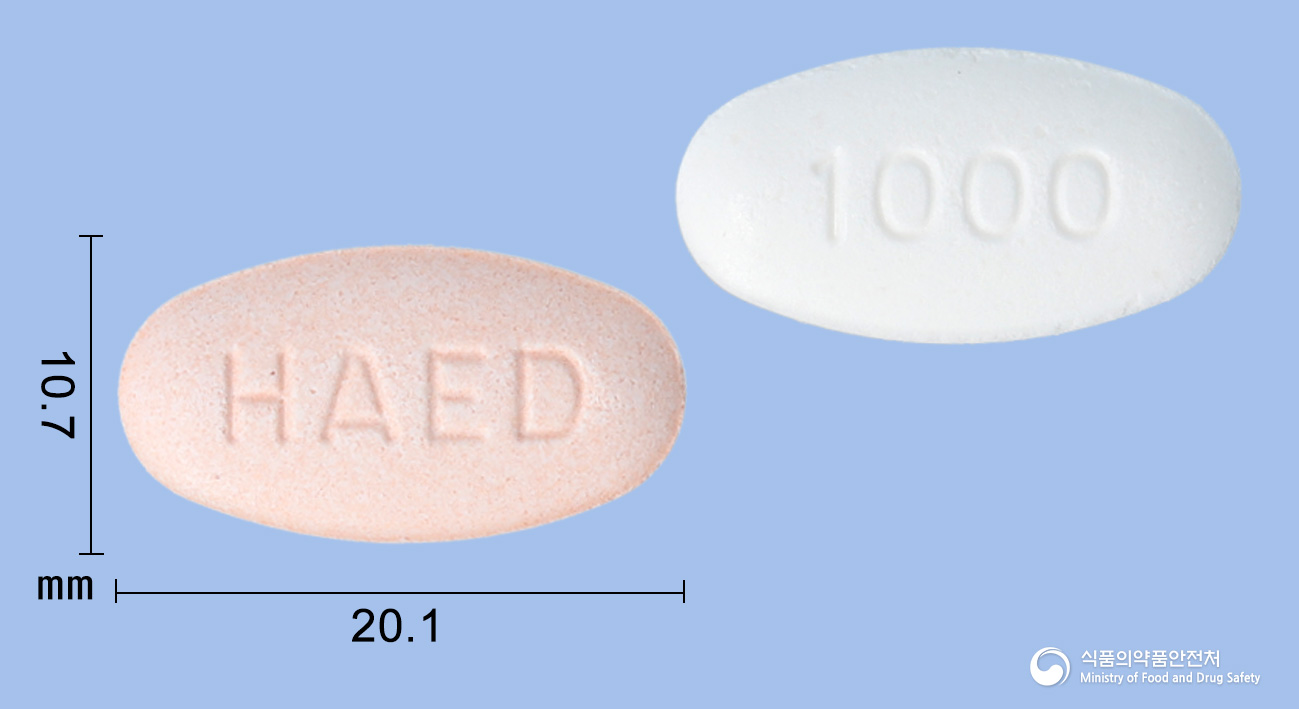
Eglyduo Extended-Release Tablet 0.3/1000 mg (Empagliflozin, Metformin Hydrochloride)
Enavogliflozin 0.3mg · Metformin Hydrochloride 1000mg
Tablet · Prescription medication · Combination
Hanol BioPharma Co., Ltd.
MFDS item code 202302006 · Approved 2023.06.29
Improvement of blood sugar control therapy
This medication is used to help control blood sugar in patients with type 2 diabetes along with dietary and exercise therapy. In other words, it helps effectively manage blood sugar levels to improve symptoms of diabetes. It also contributes to the prevention of diabetes complications through healthy blood sugar management.
For patients receiving 0.3 mg of Empagliflozin and 1000 mg of extended-release Metformin Hydrochloride, take one tablet once daily with meals.
This medication is composed of two main ingredients, each with effects on the body and points to be cautious of. First, the Metformin Hydrochloride contained in this medication helps control blood sugar but can sometimes cause severe lactic acidosis. Lactic acidosis is a rare complication that occurs due to excessive accumulation of lactic acid in the body, and one should consult a healthcare provider immediately if symptoms appear. This medication should not be administered to certain patients. For example, those allergic to this medication or any of its components, those with severely impaired kidney function, those with acute infections or dehydration, patients with type 1 diabetes, individuals experiencing acute cardiac issues, and those undergoing imaging studies with radiographic contrast agents should avoid using this medication. Patients with fluid depletion, impaired kidney function, heart failure, irregular eating habits, or those who consume alcohol excessively should use this medication cautiously. Moreover, a serious condition called ketoacidosis, characterized by increased acidity in the blood, can occur, and immediate treatment is necessary if related symptoms appear. One of this medication's ingredients may increase the risk of urinary and genital infections, so immediate treatment is required if infection symptoms develop. Additionally, this medication can affect body fluid status, requiring special caution in individuals at risk of dehydration. While taking this medication, gastrointestinal disturbances may occur, including nausea, diarrhea, abdominal pain, etc., but most improve with time. If symptoms worsen, consultation with a healthcare provider is advised. This medication is not recommended for use in pregnant or breastfeeding women, and should be discontinued if pregnancy is confirmed. In elderly patients, the likelihood of impaired kidney function is higher, so kidney function should be regularly monitored and their condition closely observed while using this medication. In cases of overdose, seek immediate medical attention for appropriate treatment, and the components of this medication can be removed through blood dialysis. Finally, this medication should not be broken, crushed, or chewed, and must be swallowed whole; it should be kept out of reach of children.
Not everyone experiences these, and they can vary from person to person.
This medication may be sensitive to air or moisture, so it should be stored in a sealed container. A storage temperature between 1 and 30 degrees Celsius is recommended.
Oval extended-release bilayer tablet, white and light pink in color
30 tablets/bottle, 300 tablets/bottle, 28 tablets/box [(7 tablets/PTP) X 4]
Even with the same ingredient, strength, dosage form and how it is taken can differ.
Viewing nowCombinationEnavogliflozin 0.3mg · Metformin Hydrochloride 1000mg
Tablet · Prescription medication · Combination
Hanol BioPharma Co., Ltd.
 Combination
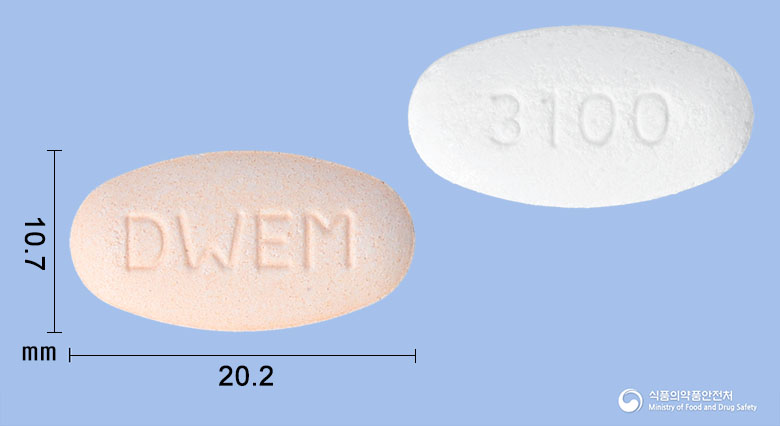
Enavogliflozin 0.3mg · Metformin Hydrochloride 1000mg
Tablet · Prescription medication · Combination
Daewoong Pharmaceutical Co., Ltd.
 Combination
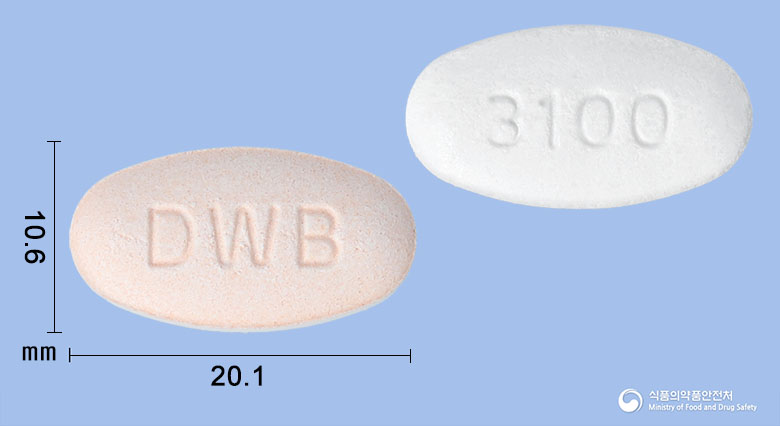
Enavogliflozin 0.3mg · Metformin Hydrochloride 1000mg
Tablet · Prescription medication · Combination
Daewoong Bio Co., Ltd.
Even with the same ingredient, the dose and directions can differ by strength and dosage form. Talk to a doctor or pharmacist before switching from a medication you are already taking.
No questions yet.
For anything that needs medical judgment, consult a doctor or pharmacist.
This drug information is based on data provided by the Korea Ministry of Food and Drug Safety.
Consult a doctor or pharmacist for accurate dosage, administration, and usage instructions.