Improvement of blood glucose control in type 2 diabetes
Who takes it
Adults
Adult dose
The dosage of this medication is determined considering the patient's current treatment regimens, efficacy, and tolerance, without exceeding a maximum total daily dosage of sitagliptin 100 mg and metformin 2000 mg.
Generally taken twice daily with food, this dosage is gradually increased to reduce gastrointestinal adverse effects attributed to metformin.
1. For patients not currently treated with metformin:
Starting dosage is this medication 50/500 mg.
Improvement of blood glucose control in type 2 diabetes
View approved original textHide original text
This medication helps control blood glucose levels in patients with type 2 diabetes when used alongside dietary and exercise therapy. Sitagliptin and Metformin work together to effectively improve blood glucose levels. This can facilitate easier blood sugar management and help in preventing complications. Continuing to take this medication may assist in maintaining a healthy blood glucose state.
How to take
Adult dose
The dosage of this medication is determined considering the patient's current treatment regimens, efficacy, and tolerance, without exceeding a maximum total daily dosage of sitagliptin 100 mg and metformin 2000 mg.
Generally taken twice daily with food, this dosage is gradually increased to reduce gastrointestinal adverse effects attributed to metformin.
1. For patients not currently treated with metformin:
Starting dosage is this medication 50/500 mg.
Precautions
This medication is used for the treatment of diabetes and contains two components. The first component helps regulate blood glucose levels, but in some patients, serious allergic reactions may occur, and caution should be exercised. Such allergic reactions are most likely to occur within the first 3 months after taking the medication, and if symptoms are suspected, the medication should be stopped immediately, and a doctor should be consulted.
Additionally, this medication can induce pancreatitis, a serious inflammation of the pancreas, so if symptoms such as abdominal pain or vomiting occur during treatment, it should be reported to healthcare professionals immediately. The second component carries a risk of lactic acidosis, a rare but potentially fatal metabolic disorder, and should not be administered to patients with impaired kidney function, severe infections, or dehydration.
This medication should not be used in patients with moderately impaired kidney function or higher, those with acute heart failure or myocardial infarction, pregnant or breastfeeding women, and patients with certain acute conditions. Regular monitoring of kidney function and blood tests should be conducted during treatment for adverse symptoms.
During treatment, symptoms of hypoglycemia may occur if blood sugar levels drop too low, so particular care should be taken with irregular eating or vigorous exercise. The risk of hypoglycemia may increase when used with other blood sugar-lowering agents; hence, medication doses should be adjusted according to a doctor’s directions.
Taking this medication with alcohol may increase risks, so excessive drinking should be avoided. In the case of scheduled surgeries or tests using iodinated contrast agents, this medication should be temporarily discontinued for a period, and it should be readministered only after confirming normal kidney function.
If symptoms such as skin rash, hives, difficulty breathing, severe joint pain, or bullous skin disorders occur after taking the medication, inform a doctor immediately and stop the medication. Elderly patients may have a higher likelihood of decreased renal function, so doses should be adjusted with greater caution and their condition should be monitored regularly.
Finally, this medication is not recommended for use in children under 18 as safety and efficacy have not been sufficiently confirmed.
Not everyone experiences these, and they can vary from person to person.
Storage
This medication should be stored in a tightly sealed container to prevent exposure to air and moisture, and it is best kept at room temperature between 1 and 30 degrees Celsius.
Storing it this way can help maintain the drug's effectiveness for a longer period.
Appearance and packaging
Appearance
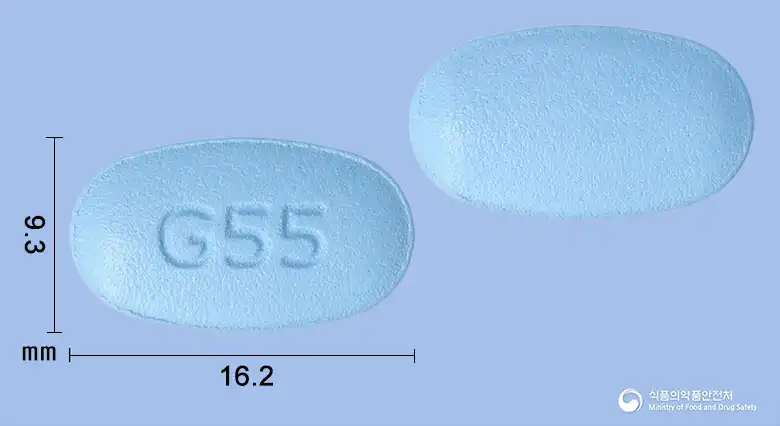
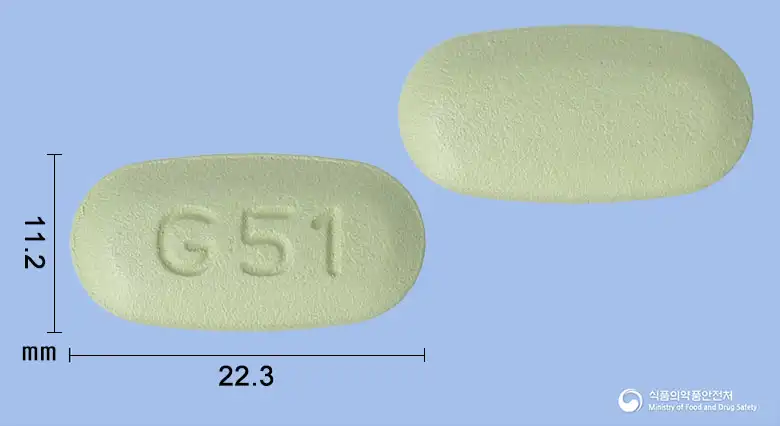
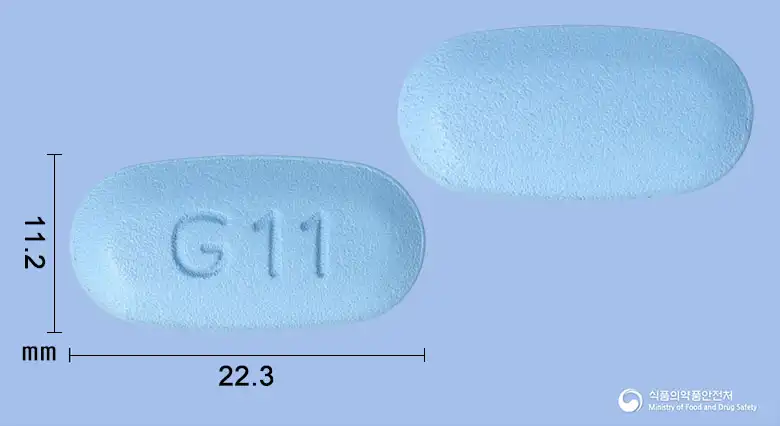
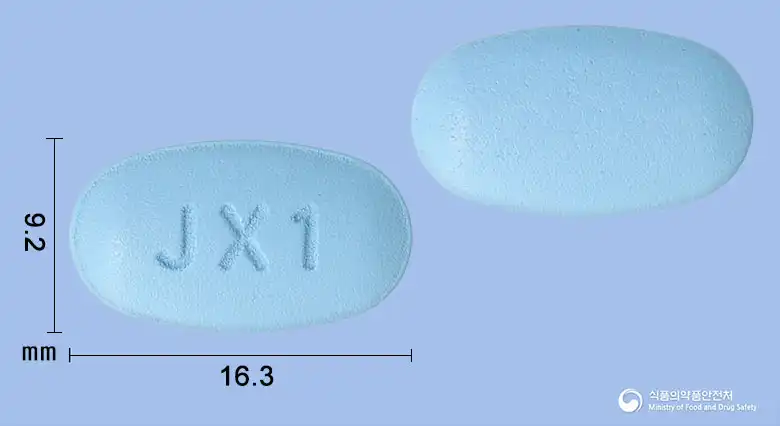
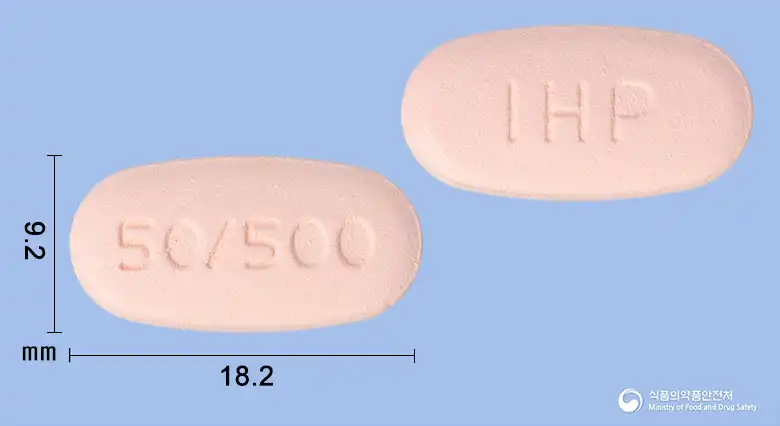
Light pink oval film-coated tablet
Package unit
60 tablets/box [(10 tablets/PTP X 6)]
Same-ingredient medicines
Even with the same ingredient, strength, dosage form and how it is taken can differ.
Even with the same ingredient, the dose and directions can differ by strength and dosage form. Talk to a doctor or pharmacist before switching from a medication you are already taking.
Questions about this medicine
No questions yet.
For anything that needs medical judgment, consult a doctor or pharmacist.
This drug information is based on data provided by the Korea Ministry of Food and Drug Safety. Consult a doctor or pharmacist for accurate dosage, administration, and usage instructions.

 한국어
한국어 English
 日本語
日本語 中文(简体)
 Viewing nowCombination