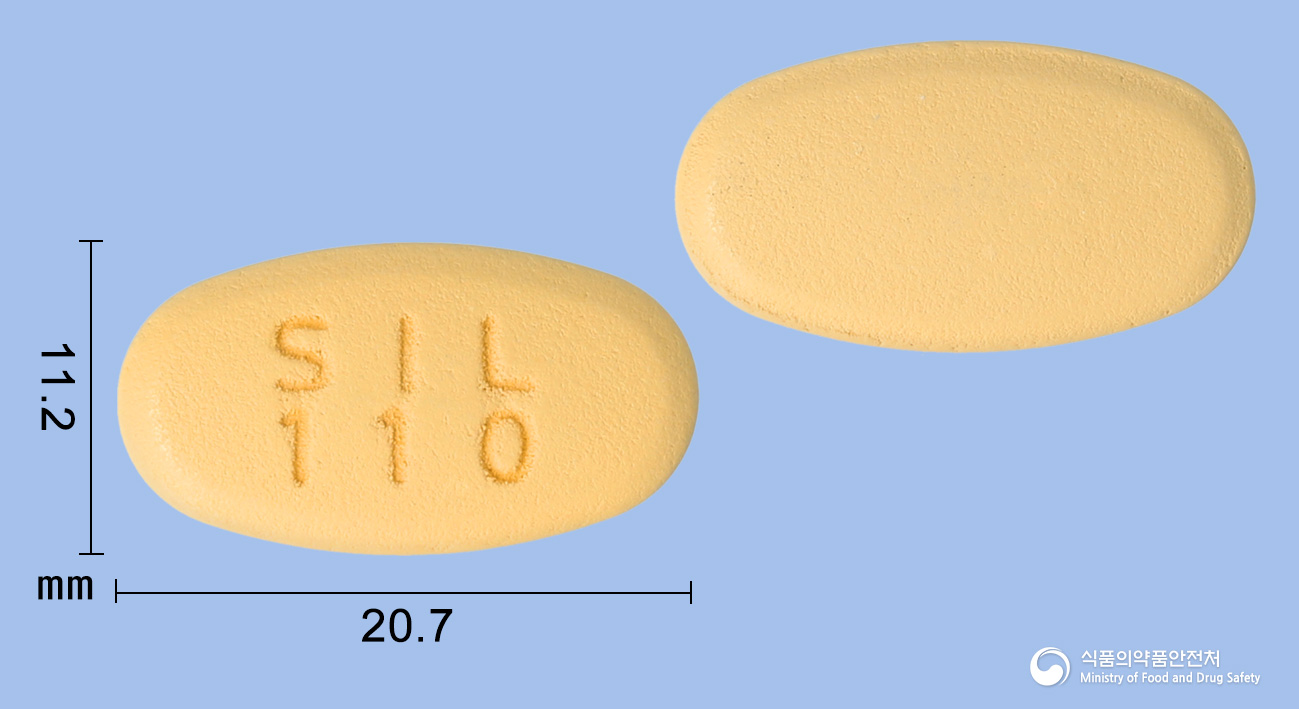
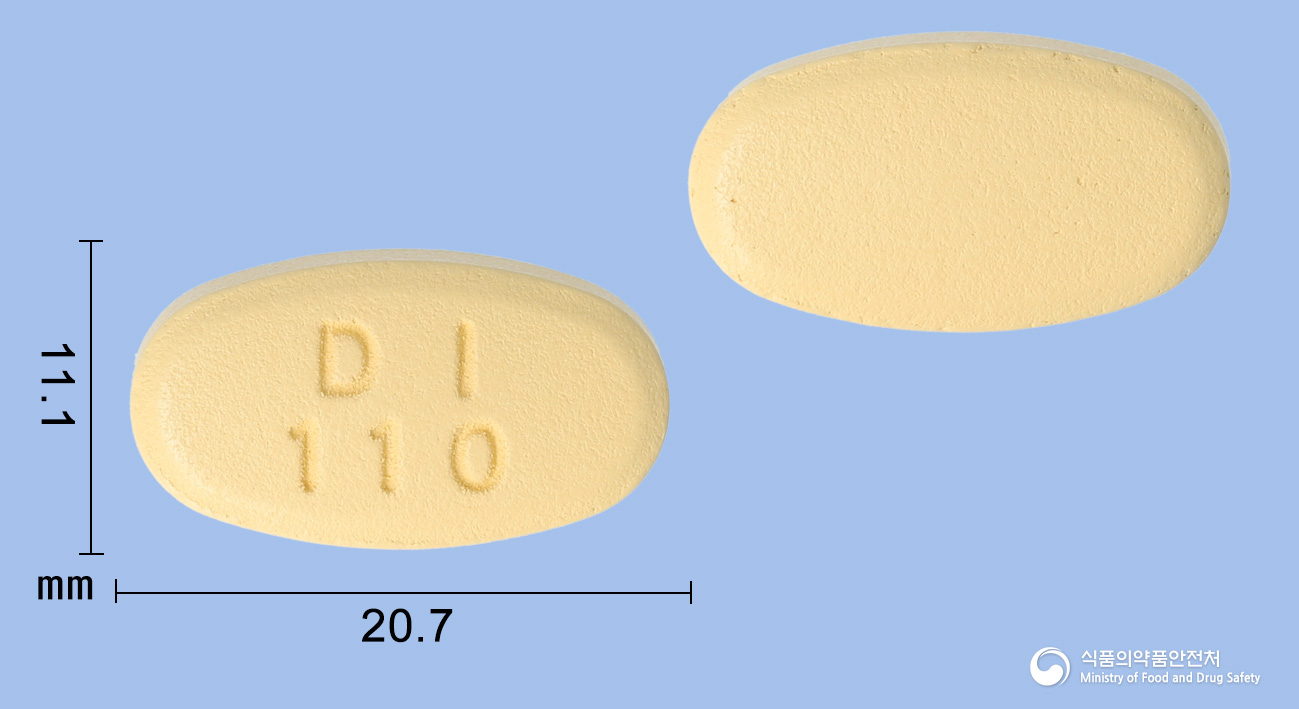
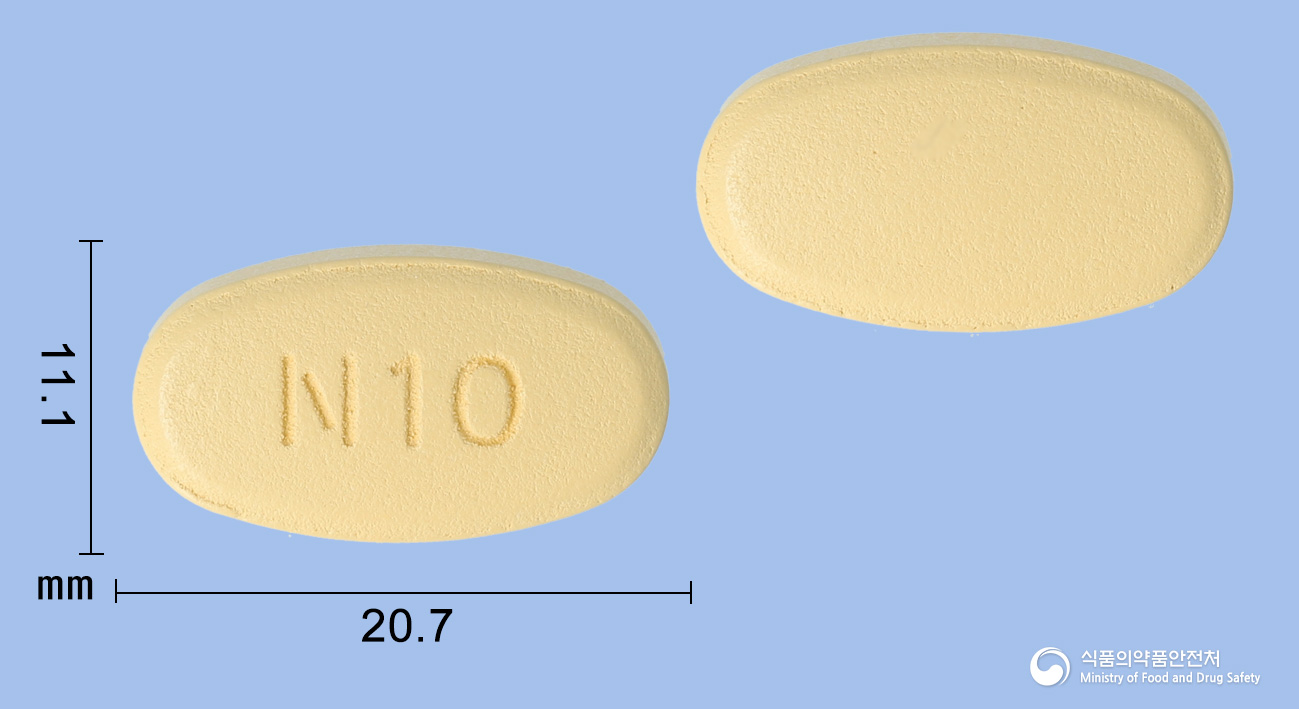
Effect on blood sugar control and prevention of cardiovascular events in type 2 diabetes
Who takes it
Adults
Adult dose
This medication is generally administered once daily along with the evening meal.
The maximum dosage is 10 mg dapagliflozin and 2000 mg sustained-release metformin once daily, administered as 2 tablets of 5 mg/1000 mg.
For patients with no prior experience of diabetes medication, the initial dosage as the first-line therapy is one tablet of 5 mg/500 mg or 10 mg/500 mg once daily to achieve adequate blood sugar control.
To reduce gastrointestinal side effects of metformin, gradual titration of the dosage is recommended.
Effect on blood sugar control and prevention of cardiovascular events in type 2 diabetes
Type 2 diabetes
abnormal blood sugar control
cardiovascular disease
cardiovascular risk factors
View approved original textHide original text
This medication is used in combination with dietary management and exercise therapy, to help control blood sugar in adult patients with type 2 diabetes using dapagliflozin and metformin. In patients who do not achieve adequate blood sugar control, particularly those with cardiovascular disease or risk factors, it is important to consult expert advice regarding the impact of dapagliflozin on cardiovascular events. This medication helps to effectively manage blood sugar levels and prevent the complications associated with diabetes.
How to take
Adult dose
This medication is generally administered once daily along with the evening meal.
The maximum dosage is 10 mg dapagliflozin and 2000 mg sustained-release metformin once daily, administered as 2 tablets of 5 mg/1000 mg.
For patients with no prior experience of diabetes medication, the initial dosage as the first-line therapy is one tablet of 5 mg/500 mg or 10 mg/500 mg once daily to achieve adequate blood sugar control.
To reduce gastrointestinal side effects of metformin, gradual titration of the dosage is recommended.
Precautions
This medication can cause a rare complication called severe lactic acidosis, so it should not be used by patients with impaired kidney function, serious infections, dehydration, or cardiovascular issues.
Care should be taken as there is a risk of hypoglycemia when this medication is used with insulin or sulfonylurea diabetes drugs.
Patients with decreased kidney function or low fluid volume should consult a physician before using this medication and carefully check kidney function and fluid status.
Pregnant or breastfeeding women should not take this medication, and should cease administration immediately if pregnancy is confirmed.
This medication may increase the risk of genital infections or urinary tract infections, and timely treatment should be sought if any infection symptoms appear.
Dehydration or low blood pressure symptoms due to reduced fluid volume may occur; if dizziness or blood pressure drops are noted, inform a doctor.
Vitamin B12 deficiency may occur, so it is advisable to periodically check blood vitamin B12 levels during long-term use.
Excessive alcohol consumption should be avoided while taking this medication, and if surgery or imaging tests are scheduled, it may be necessary to suspend the medication for a certain period before and after.
Elderly patients or those with decreased kidney function should have their medication dosage adjusted and kidney function monitored frequently.
This medication can cause hypoglycemia, so when used in combination with blood sugar-lowering agents, attention should be paid to hypoglycemic symptoms, and doses may need adjusting accordingly.
In the case of overdose, seek medical attention immediately, as side effects such as dizziness may be present, necessitating caution when driving or operating machinery.
Store this medication out of the reach of children, and keep in its original container.
Side effects and when to seek care immediately
Serious side effects
Guillain-Barré syndrome
bacterial pneumonia
sialadenitis
chest pain
thermal burn
wrist fracture
gastrointestinal stromal tumors
malignant neoplasm of the lung
uterine fibroids
atrial fibrillation
Show 6 moreCollapse
acute cholecystitis
palpitations
acute kidney injury
lactic acidosis
ketoacidosis
perineal necrosis
Mild side effects
Vulvovaginitis
balanitis and related genital infections
urinary tract infections
hypoglycemia
reduced fluid volume
thirst
dizziness
constipation
dry mouth
low back pain
Show 19 moreCollapse
dysuria
polyuria
nocturia
vulvar itching
genital itching
dyslipidemia
elevated blood urea
weight loss
diarrhea
nausea/vomiting
vitamin B12 reduction/deficiency
upper abdominal pain
dyspepsia
abdominal discomfort
abdominal pain
gastric ulcer
irritable bowel syndrome
salivary gland swelling
toothache
Not everyone experiences these, and they can vary from person to person.
Storage
This medication should be stored in a tightly closed container to prevent air or moisture from entering, and it is safe to store at room temperature between 1 degree and 30 degrees Celsius.
Proper storage will maintain the medication's efficacy and prevent deterioration.
Even with the same ingredient, the dose and directions can differ by strength and dosage form. Talk to a doctor or pharmacist before switching from a medication you are already taking.
Questions about this medicine
No questions yet.
For anything that needs medical judgment, consult a doctor or pharmacist.
This drug information is based on data provided by the Korea Ministry of Food and Drug Safety. Consult a doctor or pharmacist for accurate dosage, administration, and usage instructions.

 한국어
한국어 English
 日本語
日本語 中文(简体)