
 한국어
한국어 English
 日本語
日本語 中文(简体)
 Viewing now
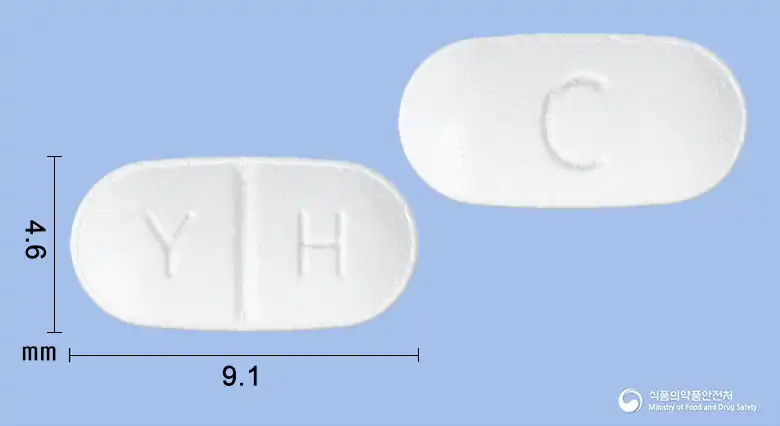
Yuhan Cetirizine (Cetirizine Hydrochloride)
Cetirizine Hydrochloride 10mg
Tablet · OTC medication
Yuhan Pharmaceutical Co., Ltd.
MFDS item code 202203978 · Notified 2022.11.02
Improvement of allergic symptoms such as allergic rhinitis and conjunctivitis, chronic urticaria.
This medication is used for seasonal and perennial allergic rhinitis, allergic conjunctivitis, chronic idiopathic urticaria, and skin itching. It can also enhance the effect when used in combination with topical hydrocortisone in the treatment of eczema and dermatitis. It helps improve these symptoms.
Adults and children over 6 years of age should take 10mg of cetirizine hydrochloride orally once a day before bedtime. For patients sensitive to side effects, it is advisable to administer 5mg in the morning and evening. For patients with kidney impairment, the dosing interval and amount should be adjusted based on the patient’s kidney function.
Children over 6 years of age should take 10mg of cetirizine hydrochloride orally once a day before bedtime. For pediatric patients with renal impairment, the dosage should be adjusted individually based on renal clearance and weight.
Do not take this medication if you are allergic to any of its components or have hypersensitivity. Patients with severely impaired kidney function or children under 6 years of age should not use this medication. It contains lactose, so individuals with a genetic disorder that prevents the digestion of lactose should avoid taking it. During treatment with this medication, it is advisable not to combine it with certain drugs. For example, the combination with drugs such as theophylline or ritonavir can affect the medication’s effectiveness or concentration in the body. Also, taking this medication with alcohol can increase the risk of side effects, so it is safer to avoid alcohol. Patients with kidney or liver problems, elderly patients, epilepsy patients, or those at risk of seizures should consult a doctor or pharmacist before using this medication. Caution is also needed if you have conditions that cause difficulty urinating. Women who are pregnant or breastfeeding should consult a specialist before taking this medication, as it may affect the baby. In case of overdose, various symptoms such as confusion, drowsiness, dizziness, and rapid heartbeat may occur, and immediate medical attention is necessary. This medication may affect liver and kidney function, so if any abnormal symptoms occur, discontinue use and consult healthcare professionals. Caution is required when driving or operating machinery due to the possibility of drowsiness or impaired concentration. Finally, store this medication out of reach of children and keep it in its original container for safe use.
Hives, severe swelling (edema), angioedema, hypersensitivity shock, severe rash with high fever, blisters, pain in the oral/eye mucosa, acute generalized exanthematous pustulosis, difficulty breathing or shortness of breath, asthma attacks, respiratory abnormalities accompanied by cough and fever, yellowing of the skin or eyes (jaundice), extreme lethargy, jaundice, hepatitis, sudden and severe headache, seizures, mental confusion, visual disturbances.
Not everyone experiences these, and they can vary from person to person.
Do not take this medication in conjunction with theophylline or ritonavir.
Do not take this medication with an excessive amount of alcohol.
Store this medication in a sealed container to protect it from air and moisture. Avoid extremely hot or cold places; it is recommended to store it at room temperature between 1 to 30 degrees Celsius.
White, rectangular film-coated tablet
10 tablets/box [10 tablets/PTP X 1], 30 tablets/box [10 tablets/PTP X 3]
Even with the same ingredient, strength, dosage form and how it is taken can differ.
Viewing nowCetirizine Hydrochloride 10mg
Tablet · OTC medication
Yuhan Pharmaceutical Co., Ltd.
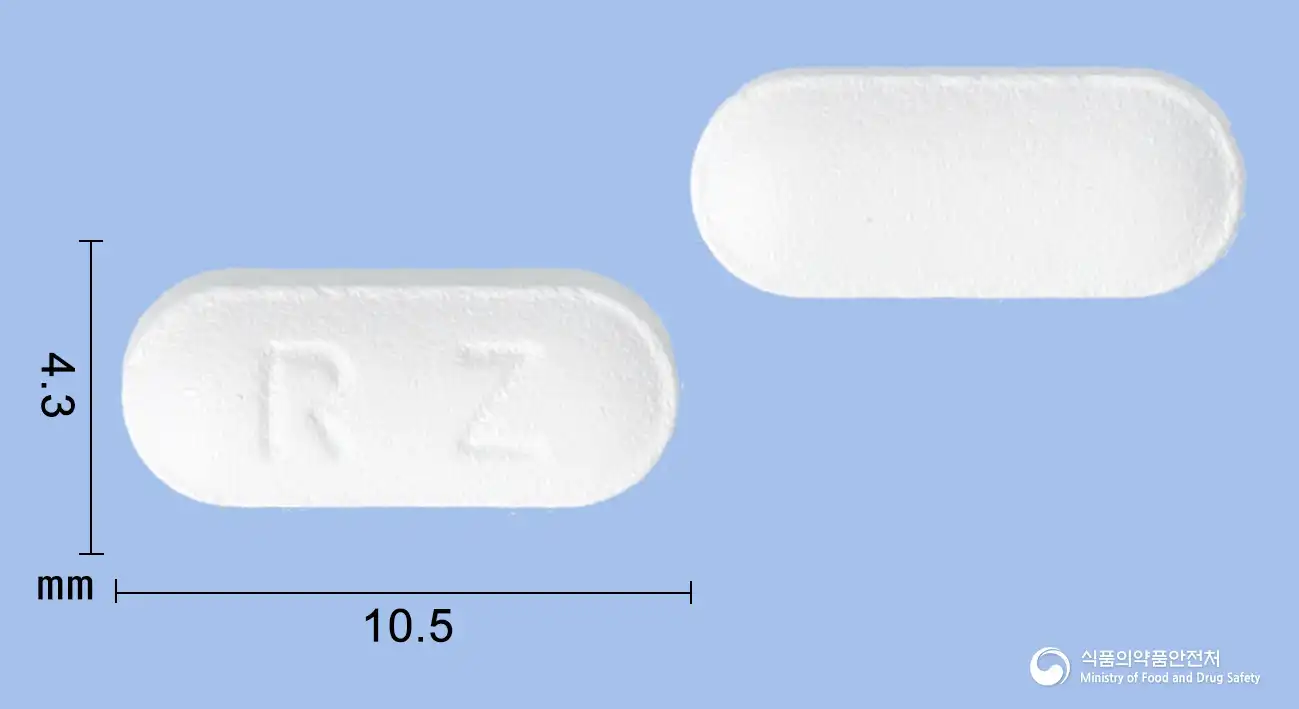
Cetirizine Hydrochloride 10mg
Tablet · OTC medication
Ilyun Pharmaceutical Co., Ltd.
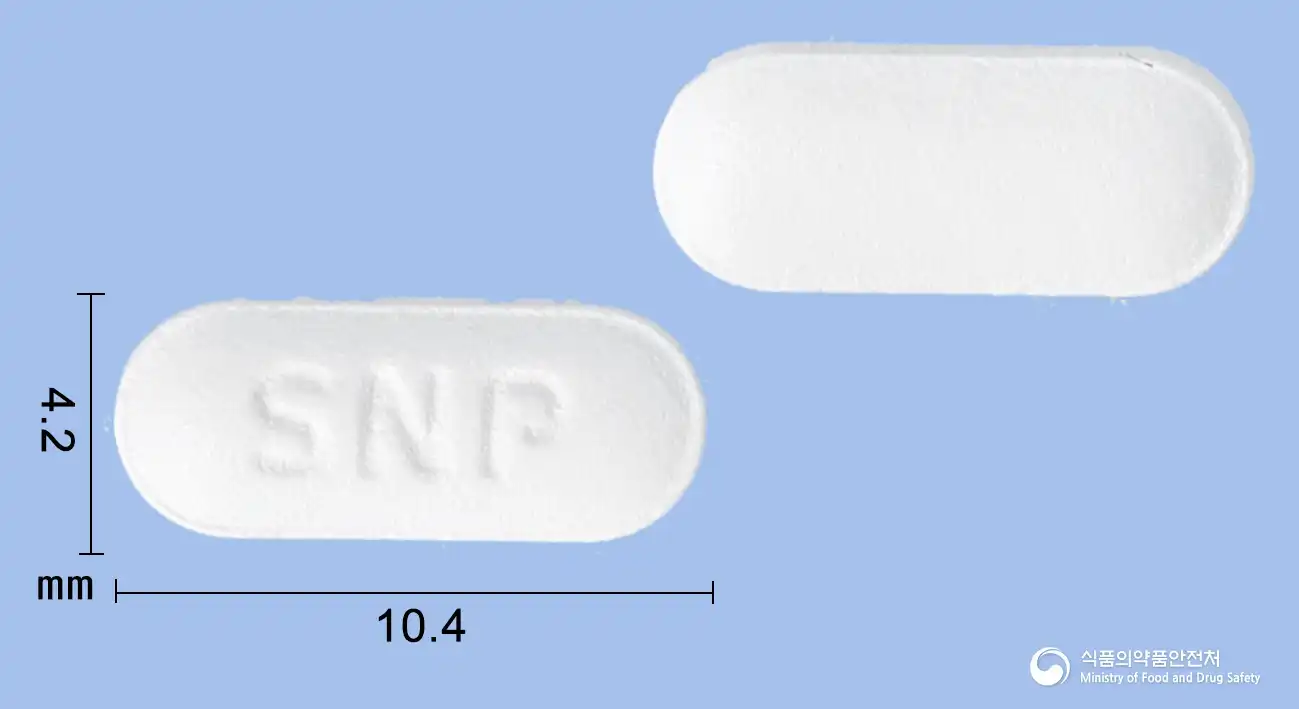
Cetirizine Hydrochloride 10mg
Tablet · OTC medication
Aprogen Biologics, Inc.
Cetirizine Hydrochloride 10mg
Tablet · OTC medication
Vivozon Pharmaceutical Co., Ltd.
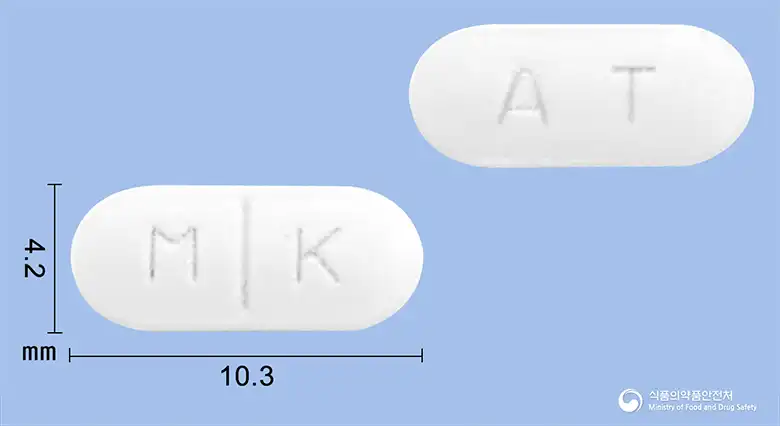
Cetirizine Hydrochloride 10mg
Tablet · OTC medication
Medica Korea Co., Ltd.
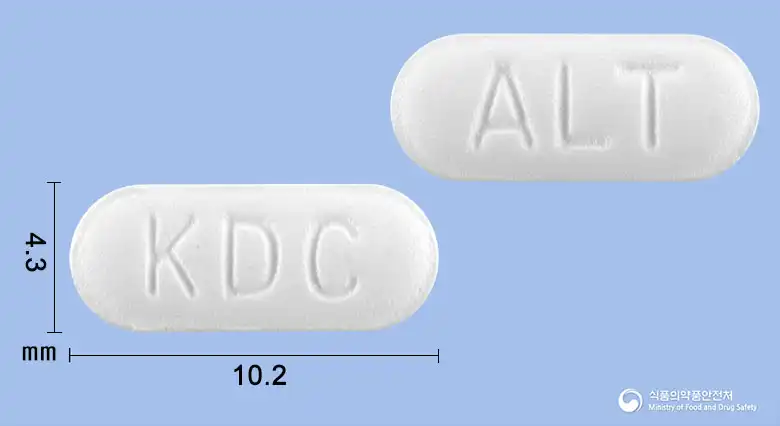
Cetirizine Hydrochloride 10mg
Tablet · OTC medication
Koryo Pharmaceutical Co., Ltd.
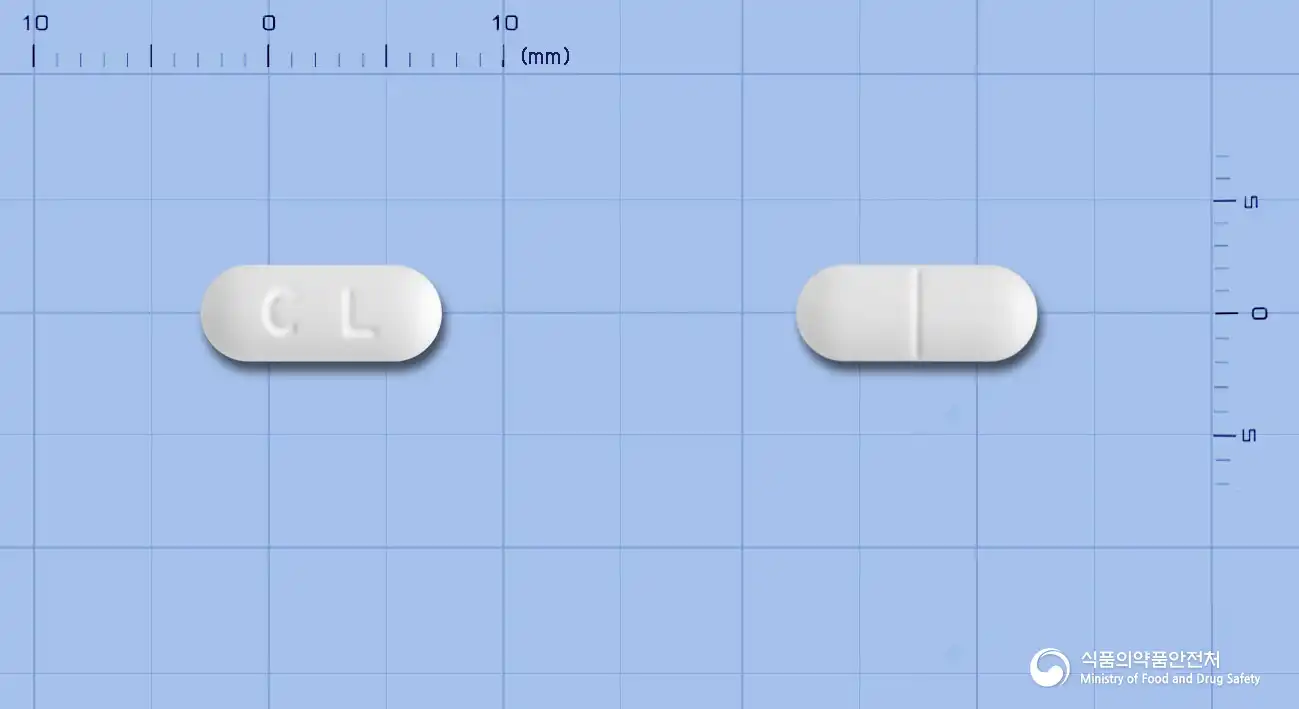
Cetirizine Hydrochloride 10mg
Tablet · OTC medication
Kyungdong Pharmaceutical Co., Ltd.
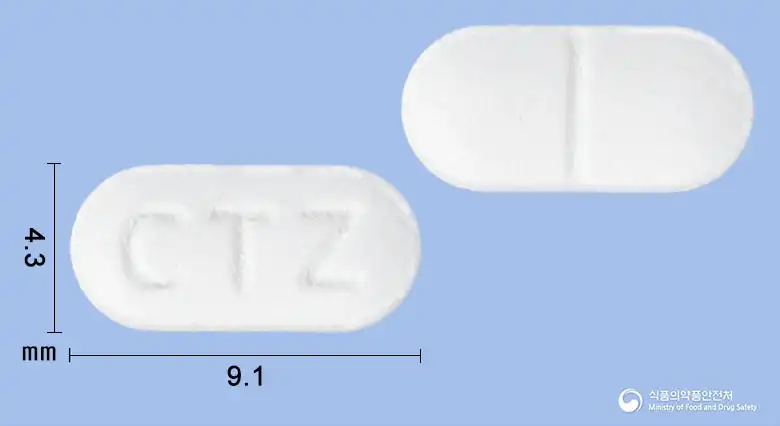
Cetirizine Hydrochloride 10mg
Tablet · OTC medication
Shinil Pharmaceutical Co., Ltd.
Even with the same ingredient, the dose and directions can differ by strength and dosage form. Talk to a doctor or pharmacist before switching from a medication you are already taking.
QWill it make me drowsy? Can I take it before going to work?
Answers 1 · 2026.09.14
For anything that needs medical judgment, consult a doctor or pharmacist.
This drug information is based on data provided by the Korea Ministry of Food and Drug Safety.
Consult a doctor or pharmacist for accurate dosage, administration, and usage instructions.