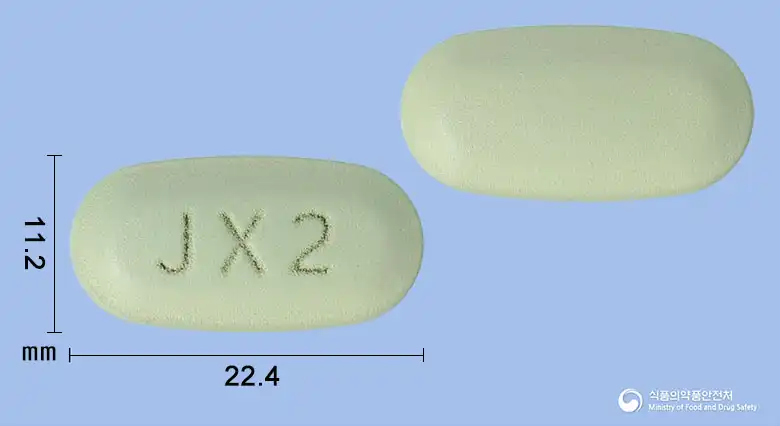
Improvement of blood sugar control in type 2 diabetes
Who takes it
Adults
Adult dose
The 100/1000 mg extended-release tablet is taken once daily, one tablet at a time.
Patients taking the 50/500 mg extended-release tablet or the 50/1000 mg extended-release tablet should take two tablets at a time, once daily.
1. For patients not currently being treated with metformin:
The initial dosage is a total daily amount of sitagliptin 100 mg and metformin 1000 mg.
If the initial dosage does not sufficiently control blood sugar, adjustments may be made.
Improvement of blood sugar control in type 2 diabetes
View approved original textHide original text
This medicine is used to help patients with type 2 diabetes control their blood sugar levels when combined with diet and exercise therapy. The two components, sitagliptin and metformin, work together to effectively lower blood sugar levels. This medication can assist those who find it difficult to manage their blood sugar and also contributes to the prevention of diabetes-related complications. It is used to improve blood sugar control in patients.
How to take
Adult dose
The 100/1000 mg extended-release tablet is taken once daily, one tablet at a time.
Patients taking the 50/500 mg extended-release tablet or the 50/1000 mg extended-release tablet should take two tablets at a time, once daily.
1. For patients not currently being treated with metformin:
The initial dosage is a total daily amount of sitagliptin 100 mg and metformin 1000 mg.
If the initial dosage does not sufficiently control blood sugar, adjustments may be made.
Precautions
This medication is used to treat diabetes and contains two components that help in blood sugar control.
When taking this medication, allergic reactions may occur, so if you experience symptoms such as rash, hives, or difficulty breathing, you should immediately stop taking the drug and consult a doctor.
Additionally, a serious inflammation of the pancreas known as pancreatitis may occur, so if symptoms like abdominal pain, nausea, or vomiting appear, you should notify your healthcare provider immediately.
This medication is not to be administered to patients with poor kidney function or those with severe infections or acute heart problems.
Before and after undergoing tests that use iodine contrast agents, this medication should be temporarily discontinued; resuming it should wait until normal kidney function is confirmed.
Pregnant women or those who may become pregnant, as well as nursing mothers, should not use this medication.
This medication can cause hypoglycemia, so particularly when taken with other blood sugar-lowering agents, careful monitoring of blood sugar levels is necessary. If symptoms of hypoglycemia such as dizziness, cold sweat, or headache occur, immediate action should be taken.
While taking this medication, it is important to maintain regular meals and appropriate exercise, and sudden skipping of meals or excessive physical activity should be avoided.
Patients with reduced liver or kidney function should monitor their condition regularly through blood tests; a deficiency in vitamin B12 may occur, and supplementation may be needed.
Alcohol consumption may increase the risk of side effects from this medication, so alcohol should be avoided during treatment.
If oral intake is difficult due to surgery or severe illness, this medication should be temporarily discontinued and resumed once the condition improves.
During treatment, do not stop or change the dosage without consulting your doctor, and report any abnormal symptoms to your healthcare provider immediately.
Not everyone experiences these, and they can vary from person to person.
Storage
This medication should be stored in a tightly closed container to prevent exposure to air or moisture, at temperatures between 1 degree and 30 degrees Celsius.
This will help maintain the efficacy of the medication for a longer period.
Even with the same ingredient, the dose and directions can differ by strength and dosage form. Talk to a doctor or pharmacist before switching from a medication you are already taking.
Questions about this medicine
No questions yet.
For anything that needs medical judgment, consult a doctor or pharmacist.
This drug information is based on data provided by the Korea Ministry of Food and Drug Safety. Consult a doctor or pharmacist for accurate dosage, administration, and usage instructions.

 한국어
한국어 English
 日本語
日本語 中文(简体)
 Viewing nowCombination