
 한국어
한국어 English
 日本語
日本語 中文(简体)
 Viewing nowCombination
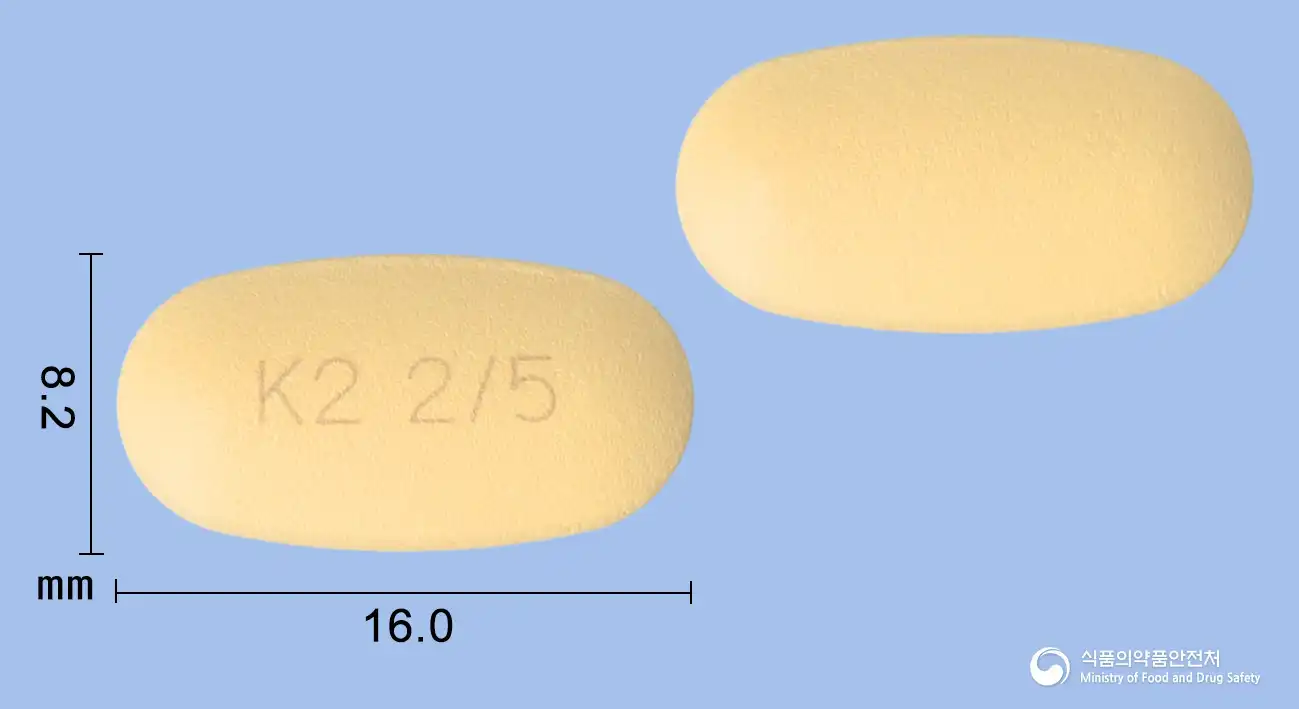
TraKey Duo Tablet 2.5/500 mg
Linagliptin Micronized 2.5mg · Metformin Hydrochloride 500mg
Tablet · Prescription medication · Combination
Genewon Science Co., Ltd.
MFDS item code 202201611 · Approved 2022.04.19 · Insurance code 671707350
Improvement of blood sugar control in type 2 diabetes
This medication helps to control blood sugar levels in patients with type 2 diabetes by taking linagliptin and metformin together. It provides additional blood sugar improvement effects to patients who are also undergoing dietary control and exercise therapy. This helps in effectively managing blood sugar levels and preventing the worsening of diabetes symptoms. Therefore, this medication is very useful for the treatment of type 2 diabetes.
The dosage of this medication should not exceed linagliptin 2.5 mg and metformin 1000 mg twice a day, depending on each patient's current treatment regimen, efficacy, and tolerability. This medication is administered twice a day with meals. 1. If not previously treated with metformin: The initial dose is this medication 2.5/500 mg, 1 tablet twice a day; it may be increased to 2.5/1000 mg, 1 tablet twice a day.
This medication may cause serious side effects such as lactic acidosis, so it should not be used by patients with impaired kidney function or those with heart disease or liver disease. Additionally, it is safe to avoid administering this medication to women who are pregnant or breastfeeding, patients with acute alcohol intoxication, and those in a state of severe infection or trauma. This medication can cause hypoglycemia; therefore, when used in conjunction with insulin or sulfonylureas, blood sugar levels should be checked frequently, and dosages may need to be adjusted as necessary. Elderly patients with impaired kidney function or those taking other medications that may affect renal function should undergo regular kidney function tests and adjust the medication dosage as needed. Skin conditions such as acute pancreatitis or bullous pemphigoid may occur while taking this medication, so if abdominal pain or skin blisters develop, the doctor should be informed immediately. Due to the possibility of vitamin B12 deficiency, it is advisable to regularly monitor blood levels of vitamin B12 during prolonged use. If undergoing radiological tests involving iodinated contrast agents, treatment with this medication should be paused for at least 48 hours before and after the administration of the contrast agent, and kidney function should be re-evaluated. Patients scheduled for surgery should discontinue use of this medication 48 hours prior to the procedure and resume only after normal recovery of kidney function post-surgery. Women planning pregnancy or currently pregnant should avoid this medication and insulin therapy is recommended for blood sugar control. This medication is not recommended for children under 10 years of age or adolescents aged 10 to 17, as its safety and efficacy have not been established in these populations. This medication should be kept out of reach of children and stored away from moisture.
Urticaria, angioedema, lactic acidosis, pancreatitis, bullous pemphigoid, abnormal liver function (abnormal liver function tests, hepatitis), acute pancreatitis, acute cholangitis, acute cholecystitis, cholangitis, cholelithiasis, acute kidney injury, renal transplant failure, pneumonia, angina, acute myocardial infarction, unstable angina, cardiac arrest, diabetic retinopathy, vitreous hemorrhage, acute kidney injury, hypertension, severe edema, chest tightness, dyspnea, heart
Not everyone experiences these, and they can vary from person to person.
This medication should be stored in a tightly closed container to protect it from air and moisture, preferably at room temperature between 1 and 30 degrees. Proper storage will help maintain its efficacy and safety.
Light yellow, oval-shaped, biconvex film-coated tablet
60 tablets/Alu-Alu[60 tablets (10 tablets/Alu-Alu x 6)]
Even with the same ingredient, strength, dosage form and how it is taken can differ.
Viewing nowCombinationLinagliptin Micronized 2.5mg · Metformin Hydrochloride 500mg
Tablet · Prescription medication · Combination
Genewon Science Co., Ltd.
Linagliptin Micronized 2.5mg · Metformin Hydrochloride 1000mg
Tablet · Prescription medication · Combination
Samjin Pharmaceutical Co., Ltd.
Linagliptin Micronized 2.5mg · Metformin Hydrochloride 500mg
Tablet · Prescription medication · Combination
Samjin Pharmaceutical Co., Ltd.
Linagliptin Micronized 2.5mg · Metformin Hydrochloride 850mg
Tablet · Prescription medication · Combination
Samjin Pharmaceutical Co., Ltd.
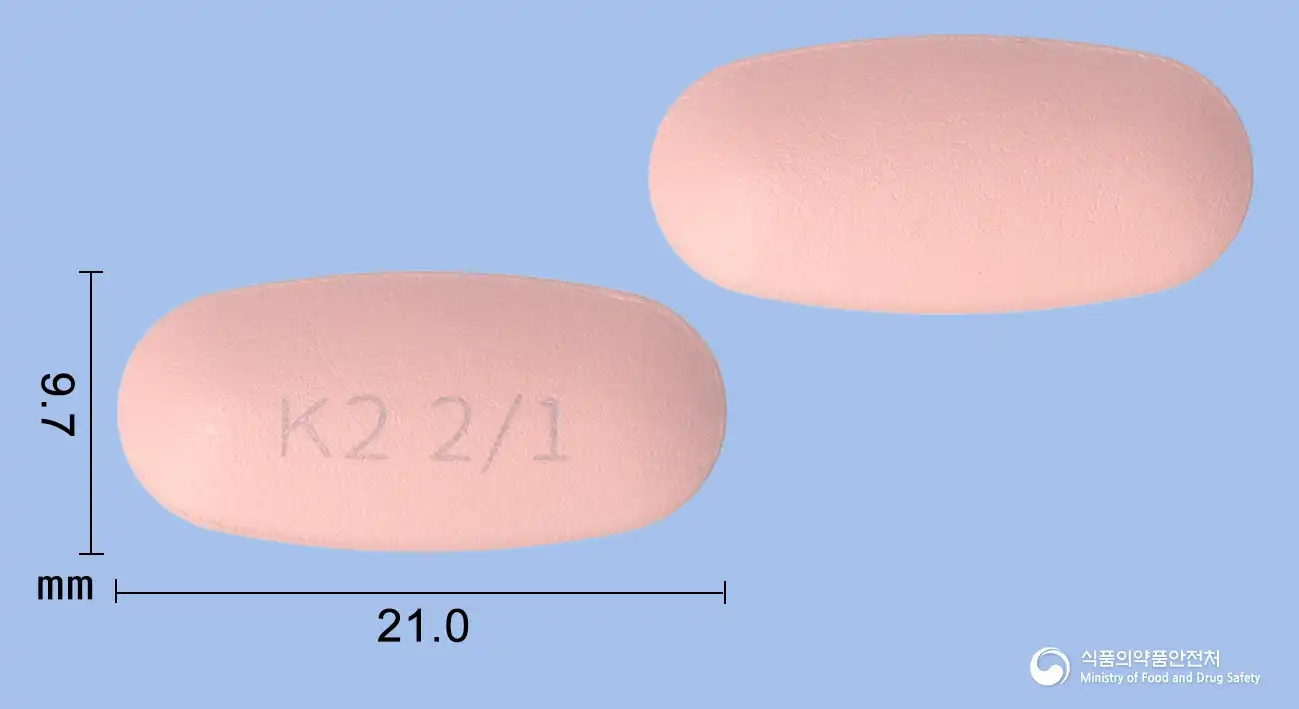 Combination
Linagliptin Micronized 2.5mg · Metformin Hydrochloride 1000mg
Tablet · Prescription medication · Combination
Genewon Science Co., Ltd.
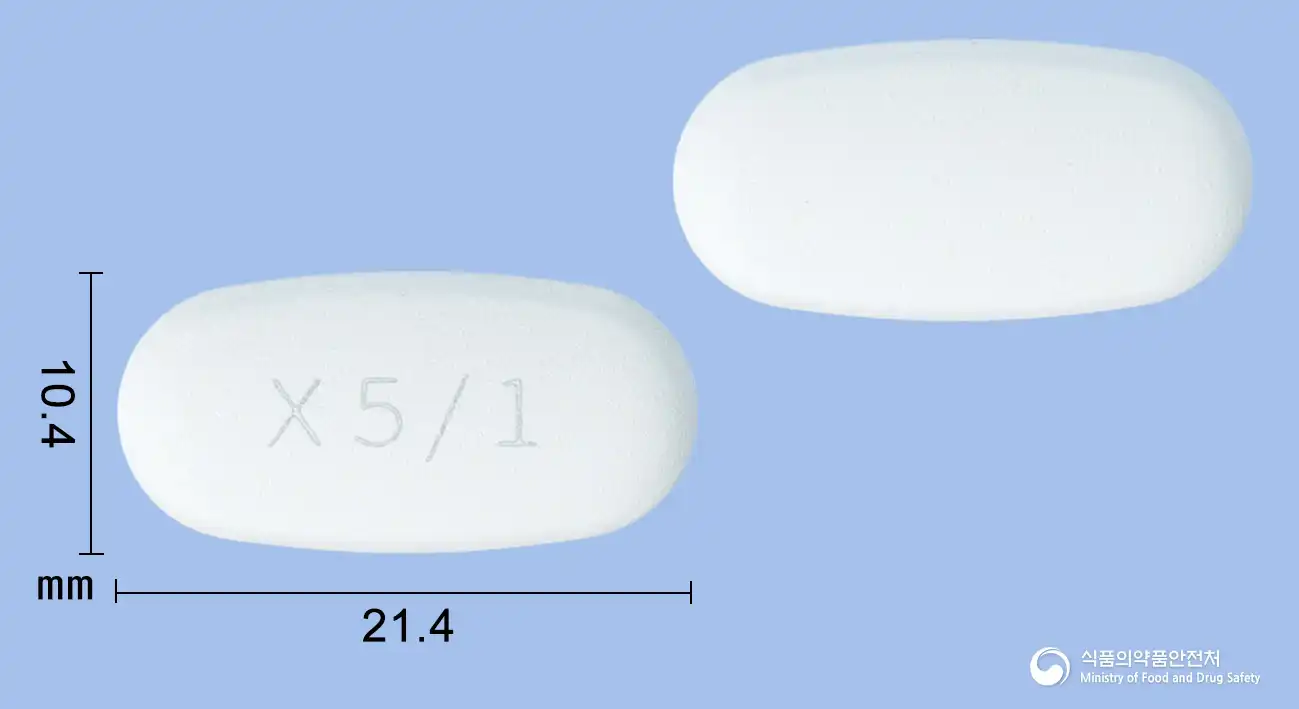 Combination
Linagliptin Micronized 5mg · Metformin Hydrochloride 1000mg
Tablet · Prescription medication · Combination
Genewon Science Co., Ltd.
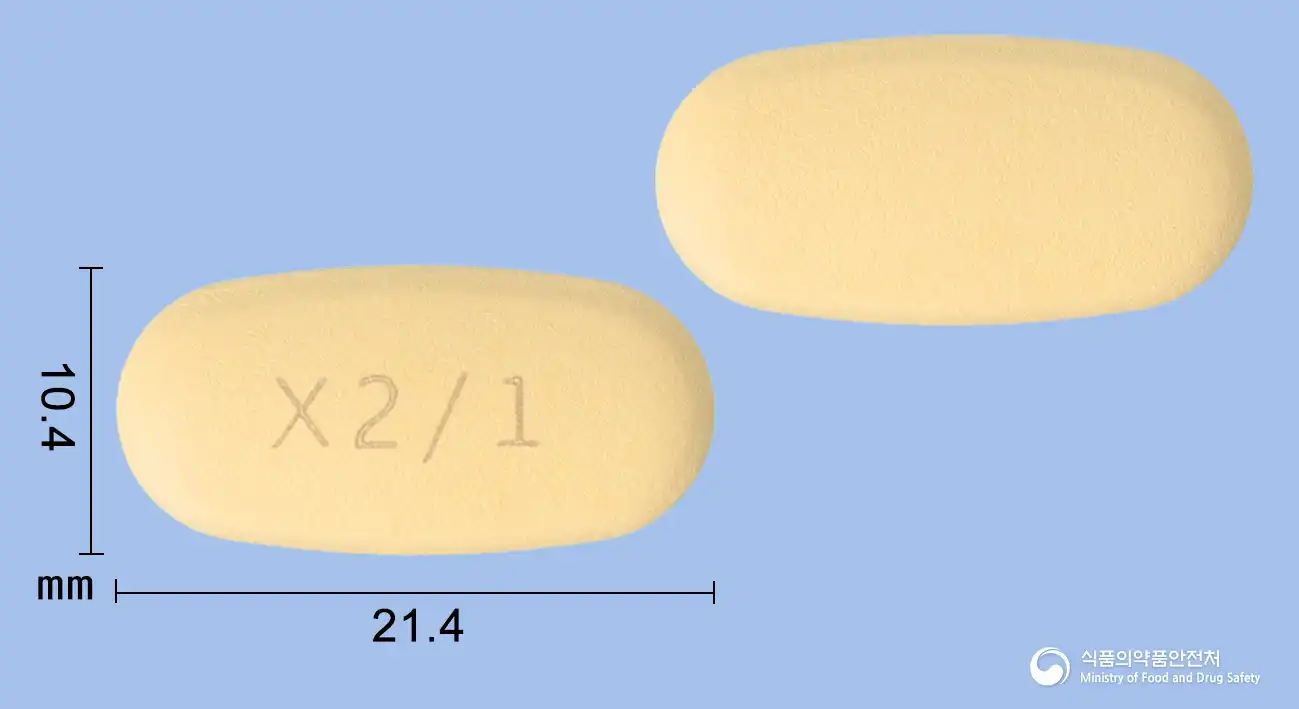 Combination
Linagliptin Micronized 2.5mg · Metformin Hydrochloride 1000mg
Tablet · Prescription medication · Combination
Genewon Science Co., Ltd.
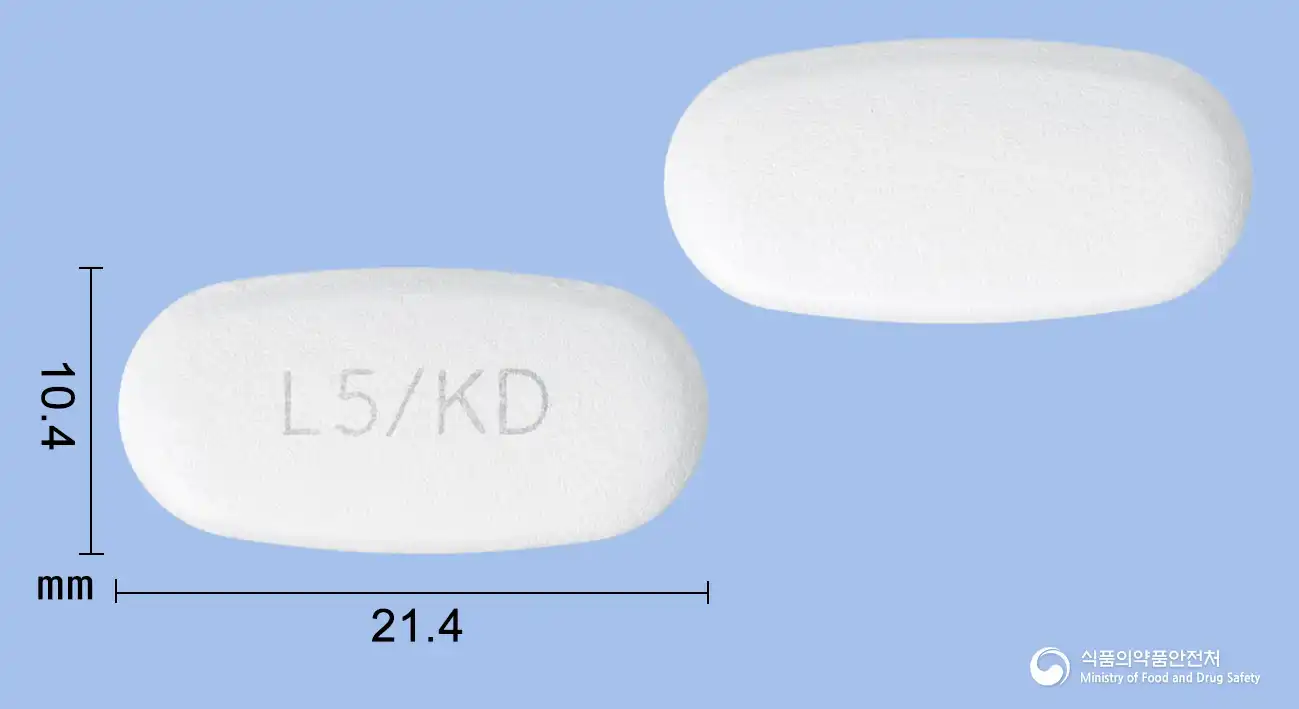 Combination
Linagliptin Micronized 5mg · Metformin Hydrochloride 1000mg
Tablet · Prescription medication · Combination
Kyungdong Pharmaceutical Co., Ltd.
Even with the same ingredient, the dose and directions can differ by strength and dosage form. Talk to a doctor or pharmacist before switching from a medication you are already taking.
No questions yet.
For anything that needs medical judgment, consult a doctor or pharmacist.
This drug information is based on data provided by the Korea Ministry of Food and Drug Safety.
Consult a doctor or pharmacist for accurate dosage, administration, and usage instructions.