
 한국어
한국어 English
 日本語
日本語 中文(简体)
 Viewing now
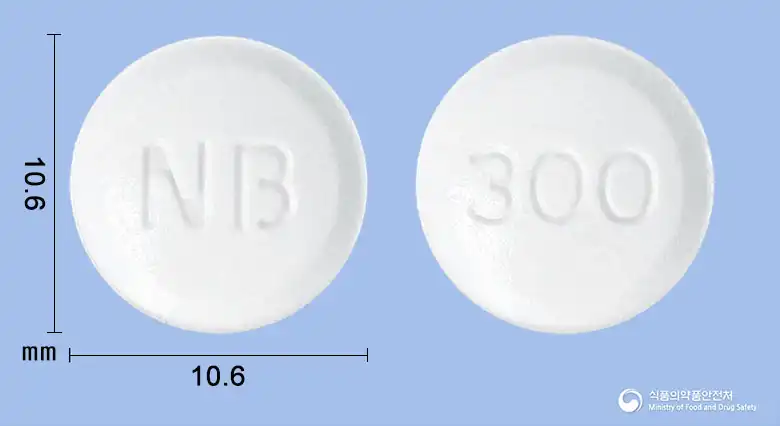
Neurobee 300 mg (Pyridoxine Hydrochloride)
Pyridoxine Hydrochloride 300mg
Tablet · Prescription medication
NBK Pharmaceutical Co., Ltd.
MFDS item code 202200702 · Approved 2022.02.14 · Insurance code 054801310
Prevention of vitamin B6 deficiency and treatment of vitamin B6 dependency (seizures, anemia)
This medication is used to prevent and treat symptoms of vitamin B6 deficiency that may occur with the use of vitamin B6 antagonists. It is also effective in treating vitamin B6 dependency and seizures and anemia that respond to vitamin B6. Therefore, it helps improve various neurological and hematological disorders related to vitamin B6 deficiency.
For adolescents aged 15 years and older and adults, the recommended dosage of pyridoxine hydrochloride is 150 to 300 mg per day.
This drug should not be used by patients who have allergic reactions to this drug or any ingredients contained in it. Additionally, this drug should not be administered to patients taking levodopa for the treatment of Parkinson's disease. Due to the high content of pyridoxine hydrochloride, this drug should not be used by women who are pregnant or breastfeeding, patients with impaired liver or kidney function, and children under 12 years of age. Patients taking medications that increase the need for vitamin B6, such as isoniazid, penicillamine, and oral contraceptives, should use this drug with caution. There is insufficient data regarding safety and effectiveness for adolescents aged 12 to 15, so the use of this drug is not recommended for this age group. Gastrointestinal disturbances such as nausea or vomiting may occur while taking this medication. Long-term administration of pyridoxine at doses greater than 50 mg per day may cause peripheral nerve damage, such as numbness and tingling in the hands and feet. Allergic reactions may also occur, including skin rashes, itching, hives, and vesicular dermatitis. When administering high doses, the patient should be closely monitored, and discontinuation should not occur suddenly but rather through a gradual tapering of the dose. Long-term intake of high doses exceeding 2 g per day can result in neurological seizures, paralysis of the extremities, and motor control disorders, which may take up to 6 months for symptoms to improve. This drug may diminish the effectiveness of levodopa and should not be taken concurrently. Additionally, isoniazid, penicillamine, and estrogen preparations may increase the need for vitamin B6, potentially affecting the efficacy of this drug. Pyridoxine may diminish the effects of some anticonvulsants, so caution is advised. High-dose therapy may reduce breast milk secretion. Moreover, taking this drug in conjunction with amiodarone may increase skin sensitivity to sunlight. Women who are pregnant or breastfeeding should not take this drug, as it may affect the fetus or newborn. In case of overdose, symptoms such as nausea, headache, movement disorders, drowsiness, and seizures may occur, requiring immediate emergency treatment such as inducing vomiting or administering activated charcoal. This medication should be kept out of reach of children and stored in a cool, dry place away from direct sunlight. Additionally, transferring the medication from its original container to another container may cause misuse or reduce quality, so it should be stored in the original container with the cap tightly closed.
Hives
Not everyone experiences these, and they can vary from person to person.
This medication should be stored in a tightly sealed container that can block light, and it is best kept at room temperature between 15 and 25 degrees Celsius. This storage method helps maintain the medication's efficacy and prevents deterioration.
White round tablets
30 tablets/box [10 tablets/PTP x 3], 90 tablets/box [10 tablets/PTP x 9], 150 tablets/box [10 tablets/PTP x 15]
Even with the same ingredient, strength, dosage form and how it is taken can differ.
Viewing nowPyridoxine Hydrochloride 300mg
Tablet · Prescription medication
NBK Pharmaceutical Co., Ltd.
Pyridoxine Hydrochloride 50mg
Injections · Prescription medication
Huons Co., Ltd.
Pyridoxine Hydrochloride 50mg
Tablet · OTC medication
Shinil Pharmaceutical Co., Ltd.
Pyridoxine Hydrochloride 50mg
Prescription medication
Daehan Pharmaceuticals Co., Ltd.
Pyridoxine Hydrochloride 50mg
Injections · Prescription medication
Daehan New Pharm Co., Ltd.
Pyridoxine Hydrochloride 50mg
Injections · Prescription medication
Noguchi Wellbeing Co., Ltd.
Pyridoxine Hydrochloride 50mg
Injections · Prescription medication
Kyungdong Pharmaceutical Co., Ltd.
Pyridoxine Hydrochloride 50mg
Injections · Prescription medication
Jeil Pharmaceutical Co., Ltd.
Even with the same ingredient, the dose and directions can differ by strength and dosage form. Talk to a doctor or pharmacist before switching from a medication you are already taking.
No questions yet.
For anything that needs medical judgment, consult a doctor or pharmacist.
This drug information is based on data provided by the Korea Ministry of Food and Drug Safety.
Consult a doctor or pharmacist for accurate dosage, administration, and usage instructions.