
 한국어
한국어 English
 日本語
日本語 中文(简体)
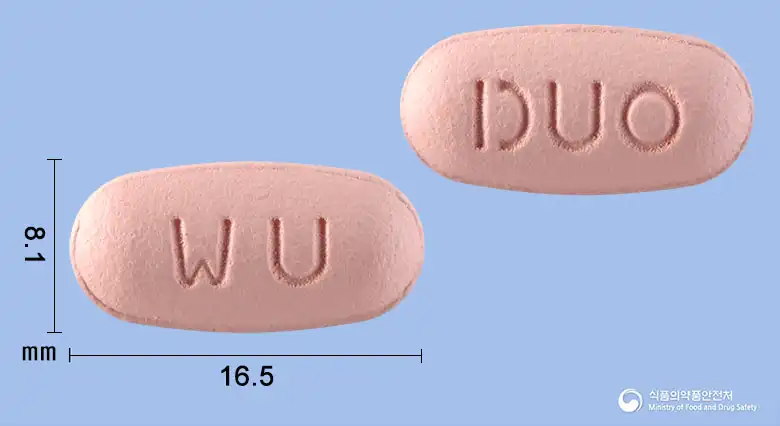 Viewing nowCombination
Esomeprazole Duo Tablet 20/800 mg
Esomeprazole Magnesium Trihydrate 22.26mg · Sodium Bicarbonate 800mg
Tablet · Prescription medication · Combination
Withus Pharmaceutical Co., Ltd.
MFDS item code 202104746 · Approved 2021.06.18 · Insurance code 660703680
Treatment and prevention of erosive gastroesophageal reflux disease, relief of gastroesophageal reflux disease symptoms
This medication is effective for the treatment of gastroesophageal reflux disease, especially erosive gastroesophageal reflux disease. It is also used for long-term maintenance therapy to prevent recurrence in patients with esophagitis. It helps improve symptoms of gastroesophageal reflux disease without esophagitis. This medication is widely used for symptoms related to gastroesophageal reflux disease and for preventing recurrence.
This medication should be taken at least 1 hour before meals on an empty stomach. Swallow it whole with at least half a cup of water. Do not take with any beverage other than water. Do not chew or crush it. 1. Adults - Treatment of erosive gastroesophageal reflux disease: Administer 40/800 mg once daily for 4 weeks. In case the esophagitis is untreated or symptoms persist, take for an additional 4 weeks. - Maintenance therapy for preventing recurrence in patients with esophagitis: 20/800 mg once daily. - Symptomatic treatment for gastroesophageal reflux disease without esophagitis · 20/800 mg once daily. If symptoms are not controlled after 4 weeks, further consultation is required. · Once symptoms are relieved, for subsequent symptoms, administer 20/800 mg once daily. · In adults, 20/800 mg may be provided once daily as needed. In patients with increased risk of gastric and duodenal ulcers due to non-steroidal anti-inflammatory drug therapy, it is not recommended to administer it as needed for subsequent symptom control. 2. In cases of liver dysfunction: No dose adjustment is necessary for patients with mild to moderate liver impairment. For patients with severe liver impairment, the dose of this medication must not exceed 20/800 mg.
This medication should not be administered to certain patients. For example, patients who are allergic to this drug or its ingredients, those taking certain antiviral medications, breastfeeding women, and patients with a history of heart disease should not use it. Additionally, patients with impaired liver or kidney function, elderly patients, and patients with severe gastrointestinal ulcers should use this medication with caution. Patients who require electrolyte balance or sodium restriction should also be careful. When taking this medication, various adverse reactions may occur, including headaches, abdominal pain, diarrhea, skin rash, muscle pain, and liver function anomalies have been reported. In rare cases, severe allergic reactions or severe skin reactions may occur, so if symptoms are severe, consult a physician immediately. This drug can suppress gastric acid, leading to increased bacterial growth in the stomach, which may raise the risk of infections; thus, if diarrhea persists, consult healthcare professionals. Long-term use may increase fracture risk, so patients at risk for osteoporosis should undergo periodic checks. Also, magnesium levels may decrease, necessitating monitoring of serum magnesium levels during long-term use. This medication may interact with other drugs, so patients taking anticoagulants, antiviral agents, or anticonvulsants should inform their physician of their medication use. The safety of this medication during pregnancy has not been sufficiently established; thus, it should only be used when absolutely necessary. Breastfeeding women are advised not to use this medication. In case of overdose, there is no specific antidote, so appropriate treatment should be provided according to symptoms, and it should be kept out of reach of children.
hives, severe swelling (edema), angioedema, anaphylaxis reaction/shock, severe rash with fever, skin peeling, pain in oral/ocular mucosa, Stevens-Johnson syndrome, toxic epidermal necrolysis, acute generalized exanthematous pustulosis, drug reaction with eosinophilia and systemic symptoms (DRESS syndrome), difficulty breathing or shortness of breath, asthma attacks, liver failure, jaundice with or without
Not everyone experiences these, and they can vary from person to person.
This medication may be sensitive to air or moisture, so it must be stored in a tightly sealed container. It is advisable to maintain a storage temperature between 1 and 30 degrees Celsius to prolong the effectiveness of the medication.
pale pink oblong film-coated tablets
28 tablets/box [7 tablets/PTP x 4]
Even with the same ingredient, strength, dosage form and how it is taken can differ.
Viewing nowCombinationEsomeprazole Magnesium Trihydrate 22.26mg · Sodium Bicarbonate 800mg
Tablet · Prescription medication · Combination
Withus Pharmaceutical Co., Ltd.
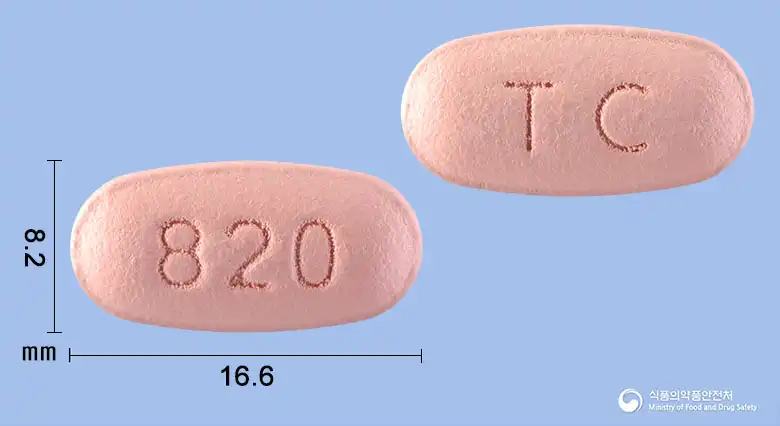 Combination
Esomeprazole Magnesium Trihydrate 22.26mg · Sodium Bicarbonate 800mg
Tablet · Prescription medication · Combination
CTC Bio, Co., Ltd.
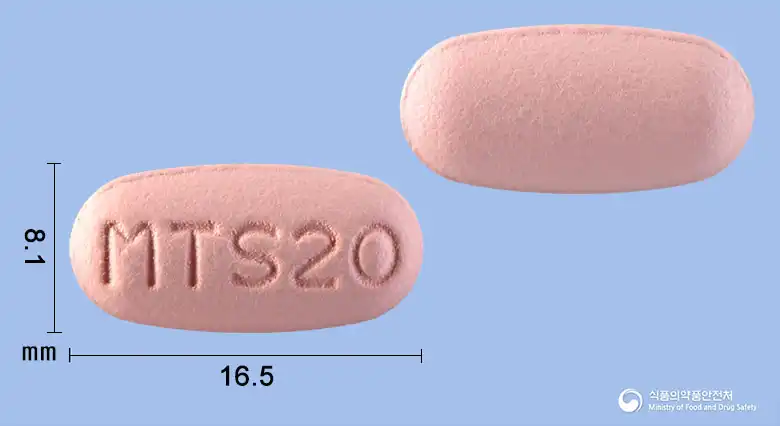 Combination
Esomeprazole Magnesium Trihydrate 22.26mg · Sodium Bicarbonate 800mg
Tablet · Prescription medication · Combination
Mothers Pharmaceutical Co., Ltd.
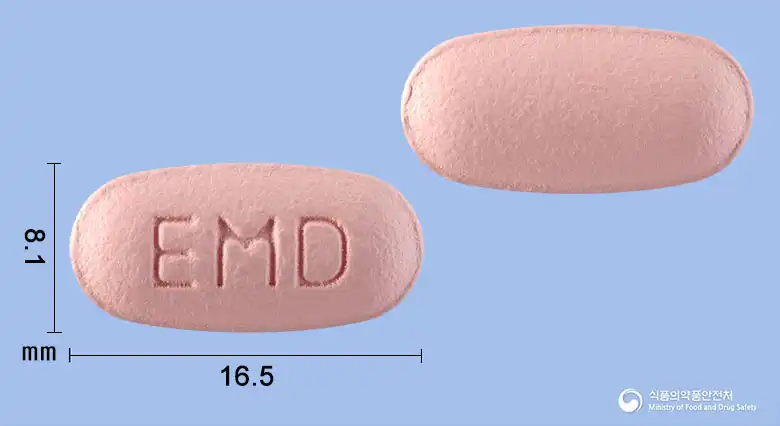 Combination
Esomeprazole Magnesium Trihydrate 22.26mg · Sodium Bicarbonate 800mg
Tablet · Prescription medication · Combination
Pharmgen Science Co., Ltd.
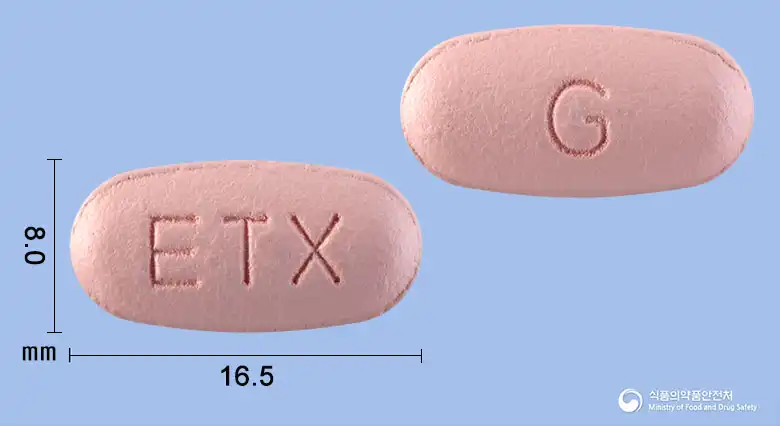 Combination
Esomeprazole Magnesium Trihydrate 22.26mg · Sodium Bicarbonate 800mg
Tablet · Prescription medication · Combination
Teragen Etex Co., Ltd.
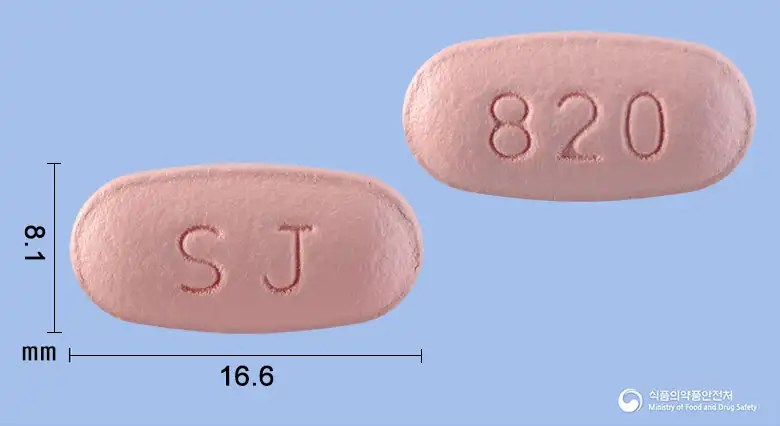 Combination
Esomeprazole Magnesium Trihydrate 22.26mg · Sodium Bicarbonate 800mg
Tablet · Prescription medication · Combination
Samjin Pharmaceutical Co., Ltd.
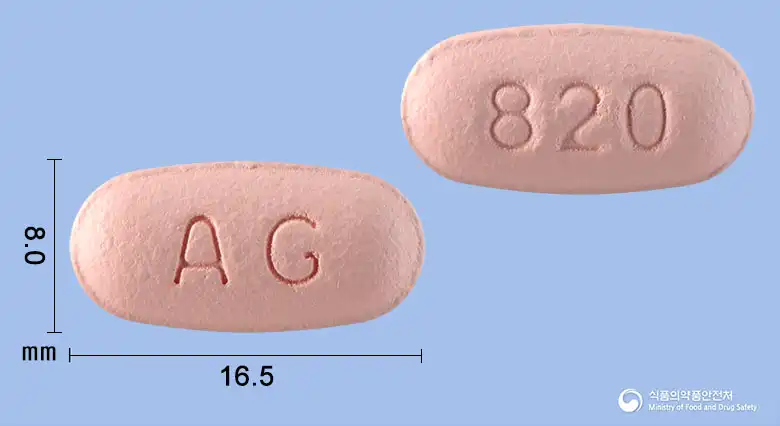 Combination
Esomeprazole Magnesium Trihydrate 22.26mg · Sodium Bicarbonate 800mg
Tablet · Prescription medication · Combination
Ahn-Guk Pharmaceutical Co., Ltd.
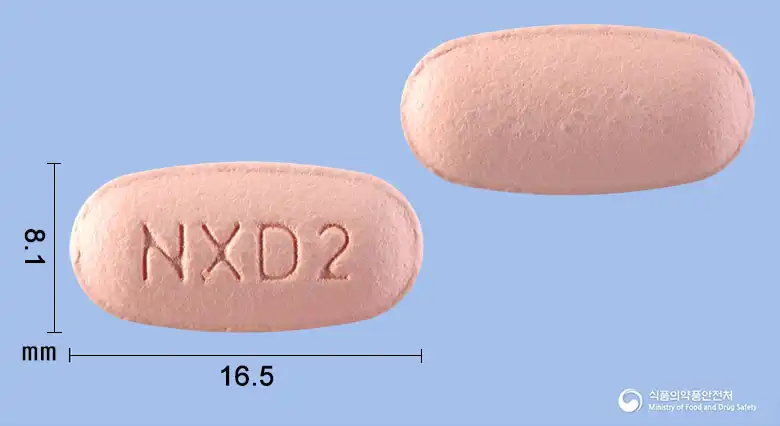 Combination
Esomeprazole Magnesium Trihydrate 22.26mg · Sodium Bicarbonate 800mg
Tablet · Prescription medication · Combination
Hana Pharmaceutical Co., Ltd.
Even with the same ingredient, the dose and directions can differ by strength and dosage form. Talk to a doctor or pharmacist before switching from a medication you are already taking.
No questions yet.
For anything that needs medical judgment, consult a doctor or pharmacist.
This drug information is based on data provided by the Korea Ministry of Food and Drug Safety.
Consult a doctor or pharmacist for accurate dosage, administration, and usage instructions.