
 한국어
한국어 English
 日本語
日本語 中文(简体)
Dosage form image
Viewing nowCombinationAntinochel Soft Capsule
Selenium In Dried Yeast 25mg · Ascorbic Acid 500mg +2 more
Soft capsule · OTC medication · Combination
Seohung Co., Ltd.
MFDS item code 202103218 · Notified 2021.04.20
Relief of dry eyes and night blindness, prevention of pigmentation and bleeding, alleviation of symptoms of peripheral blood circulation disorders
Vitamins A, C, and E are recommended for use during physical fatigue, pregnancy and breastfeeding periods, during and after illness when physical strength is reduced, as well as in elderly individuals. The vitamins contained in this medication help alleviate dry eyes and improve night blindness. Additionally, they are effective in reducing pigmentation caused by sunlight or skin diseases (e.g., melasma, freckles). They are also used to prevent gum bleeding and nosebleeds and help alleviate symptoms such as shoulder and neck stiffness, hand and foot numbness and coldness occurring during peripheral circulation disorders or menopause. This medication is thus used for the improvement of various symptoms.
Adults: Take 1 capsule once a day.
This medication should be used with caution as taking more than 5,000 IU of vitamin A per day may pose a risk of congenital deformities in women during the first 3 months of pregnancy or in those who may become pregnant. Individuals with allergies to any of the ingredients in this medication, or those who are hypersensitive to soybean oil, soy, or peanuts, and infants under 12 months of age should not take this medication. It should also not be taken with phosphates, calcium salts, oral tetracycline preparations, or antacids. Patients receiving treatment from a physician or those with conditions such as hyperoxaluria, peptic ulcers, chronic ulcerative colitis, heart or kidney disorders, hypoproteinemia, gout, hyperlipoproteinemia, diabetic dyslipidemia, or pancreatitis should consult a specialist before taking this medication. If symptoms such as nausea, vomiting, itching, skin rash, hair loss, severe gastrointestinal discomfort, or menstrual irregularities occur during use of this medication, it should be discontinued immediately and a specialist consulted. Additionally, long-term high-dose use may lead to tolerance, and postmenopausal women should be cautious as there may be an increased risk of osteoporosis. The prescribed dosage and administration must be strictly observed, and care should be taken not to exceed a total daily intake of 5,000 IU of vitamin A. This medication may affect blood sugar tests, and it is advisable to avoid beverages containing tannins, such as green tea or black tea, before and after administration. Patients with difficulty in fat metabolism should periodically monitor their plasma lipid levels and adjust dosages accordingly, and when using other lipid-increasing injections, dosage should be adjusted considering lipid content. This medication should be stored out of reach of children, away from direct sunlight, and in a cool, dry place. It is important not to transfer it to another container to maintain quality.
Nausea, vomiting, itching, dry and rough skin, painful joint swelling, abdominal discomfort, diarrhea, constipation, rash, redness, dermatitis, foul odor during sweating or breathing, hair loss, impatience, menstrual periods becoming irregular or increasingly heavy, prolonged bleeding may occur.
Not everyone experiences these, and they can vary from person to person.
This medication should be stored in a tightly sealed container to prevent air and moisture from entering, and it is safe to store at room temperature between 1 and 30 degrees Celsius. Proper storage will maintain the medication's effectiveness and prevent degradation.
Red soft capsule containing viscous red contents
30 capsules (10 capsules/PTPX3), 60 capsules (10 capsules/PTPX6), 120 capsules (10 capsules/PTPX12)
Even with the same ingredient, strength, dosage form and how it is taken can differ.
Selenium In Dried Yeast 25mg · Ascorbic Acid 500mg +2 more
Soft capsule · OTC medication · Combination
Seohung Co., Ltd.
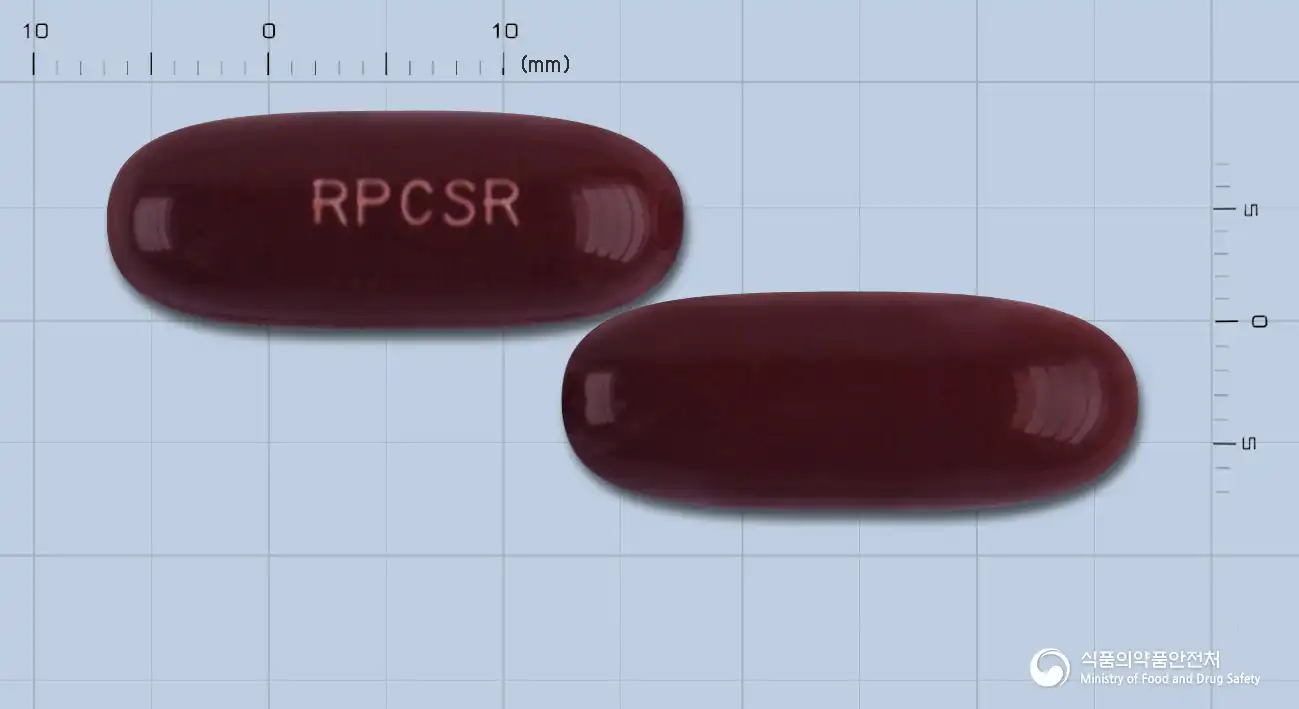 Combination
Selenium In Dried Yeast 38.462mg · Beta-Carotene Suspension 30% 50mg +2 more
Soft capsule · OTC medication · Combination
(Co., Ltd.) RP Bio
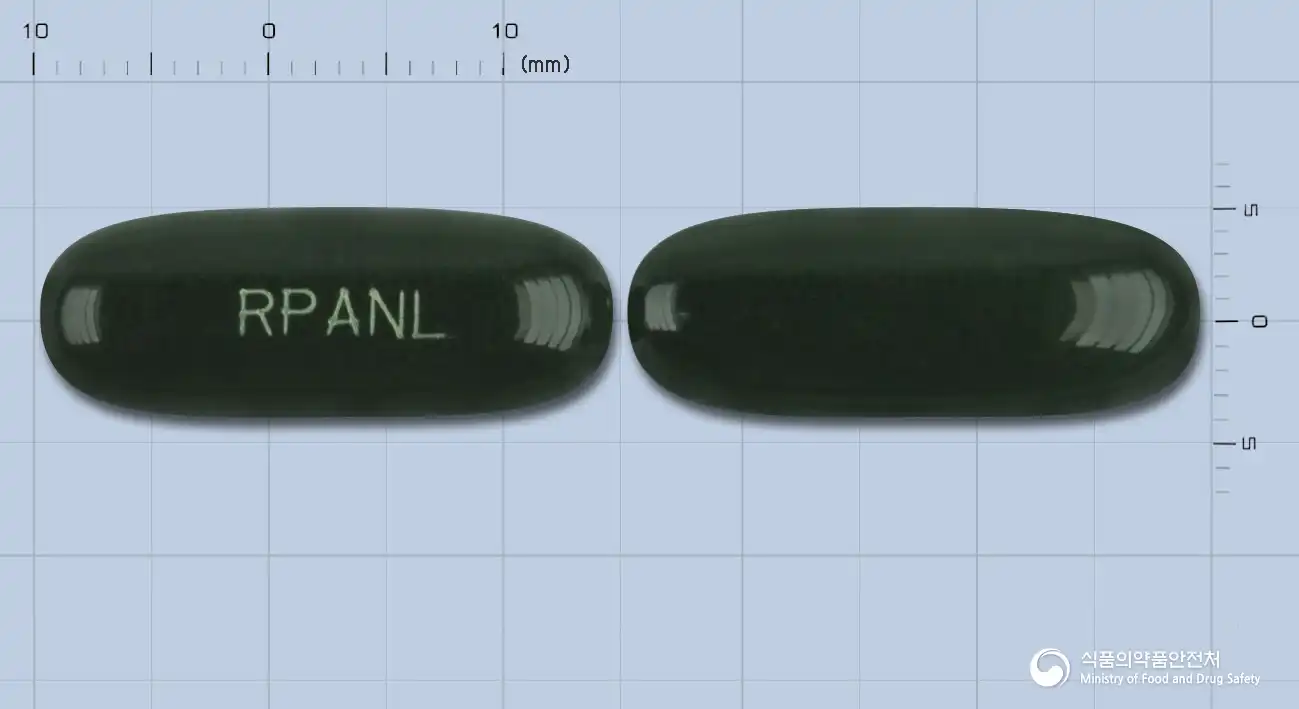 Combination
Selenium In Dried Yeast 39.46mg · Beta-Carotene Suspension 30% 50mg +2 more
Soft capsule · OTC medication · Combination
R.P. Bio Co., Ltd.
Even with the same ingredient, the dose and directions can differ by strength and dosage form. Talk to a doctor or pharmacist before switching from a medication you are already taking.
No questions yet.
For anything that needs medical judgment, consult a doctor or pharmacist.
This drug information is based on data provided by the Korea Ministry of Food and Drug Safety.
Consult a doctor or pharmacist for accurate dosage, administration, and usage instructions.