
 한국어
한국어 English
 日本語
日本語 中文(简体)
 Viewing now
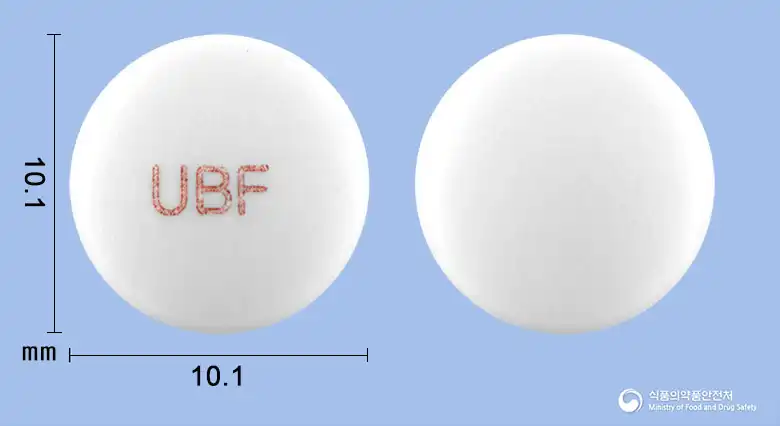
Newbrik EHC Tablet (Fenofibric Acid)
Fenofibric Acid 110mg
Tablet · Prescription medication
Korea Biochem Pharmaceutical Co., Ltd.
MFDS item code 202004661 · Approved 2020.06.25 · Insurance code 698400550
Treatment of hypercholesterolemia and hypertriglyceridemia
This medication is primarily used for the treatment of primary hyperlipidemia. Specifically, it helps improve blood lipid levels in patients with hypercholesterolemia (Type IIa), mixed hypercholesterolemia and hypertriglyceridemia (Type IIb), and hypertriglyceridemia (Type IV). This contributes to protecting vascular health and reducing the risk of cardiovascular diseases. When taken safely, it can effectively regulate blood cholesterol and triglyceride levels. Therefore, this medication is widely used for the treatment of various types of hyperlipidemia.
Administer fenofibric acid 110 mg (1 tablet) orally once daily, and accompany it with dietary therapy. This medication can be taken regardless of meal timing.
This medication should not be used in patients with severe liver dysfunction or gallbladder disease. It should also not be administered to patients with severe kidney dysfunction. Pregnant or potentially pregnant women, as well as breastfeeding women, should avoid taking this medication. Patients allergic to this medication should also refrain from using it. This medication contains lactose, therefore it should not be administered to patients with lactose intolerance or certain genetic metabolic disorders. Patients with compromised kidney or liver function, hypoalbuminemia, and children should use this medication with caution. This medication can affect the liver, which may lead to elevated liver enzyme levels, cholelithiasis, and rarely, hepatitis; therefore, regular liver function tests should be conducted. Skin reactions such as itching, rash, and hair loss may occur. Neurological symptoms such as dizziness, headache, and weakness have also been reported. Myalgia or muscle cramps may occur, and in rare cases, severe issues due to muscle damage may arise; thus, if any muscle-related symptoms occur, immediate consultation with a doctor is necessary. Photosensitivity skin reactions may occur, so avoid sun exposure and be cautious if symptoms appear. Gastrointestinal symptoms such as nausea, vomiting, diarrhea, and abdominal distension may persist; if discomfort continues, notify your healthcare provider. Blood-related abnormalities such as anemia or leukopenia may arise, necessitating regular blood tests. Long-term use may worsen kidney function, necessitating ongoing kidney function assessments. During the course of taking this medication, fatigue, and in rare cases, pneumonia, cardiac arrhythmias, and weight gain may occur. Patients with impaired kidney function are at risk of severe muscle damage known as rhabdomyolysis and kidney deterioration, requiring thorough kidney function tests before and during treatment. Prior to administration, accurately check for hyperlipidemia status and consider lifestyle modifications such as dietary control, exercise, and blood pressure management. If no therapeutic effect is seen, consider discontinuing after about 3 months of treatment. Acute allergic reactions may occur; seek immediate medical attention if symptoms such as hives, difficulty breathing, or facial or neck swelling arise. This medication has numerous interactions with other drugs, so consult with your doctor and consider dose adjustments when taking it alongside cholesterol-lowering agents, anticoagulants, blood glucose-lowering agents, and gout medications. It is safest to avoid this medication during pregnancy and breastfeeding. In children, urinary difficulties may occur, necessitating caution. The elderly may have reduced liver and kidney function and may experience adverse reactions more easily, hence regular kidney function testing and careful administration are required. There are no specific antidotes for overdose, so it is vital to adhere to the prescribed dosage and notify healthcare professionals of any unusual symptoms.
Not everyone experiences these, and they can vary from person to person.
Store this medication tightly closed in a container to protect it from air and moisture, and it is essential to keep it at room temperature between 1°C and 30°C. This storage method helps maintain the medication's effectiveness and safety.
White, round enteric-coated tablet
30 tablets/bottle
Even with the same ingredient, strength, dosage form and how it is taken can differ.
Viewing nowFenofibric Acid 110mg
Tablet · Prescription medication
Korea Biochem Pharmaceutical Co., Ltd.
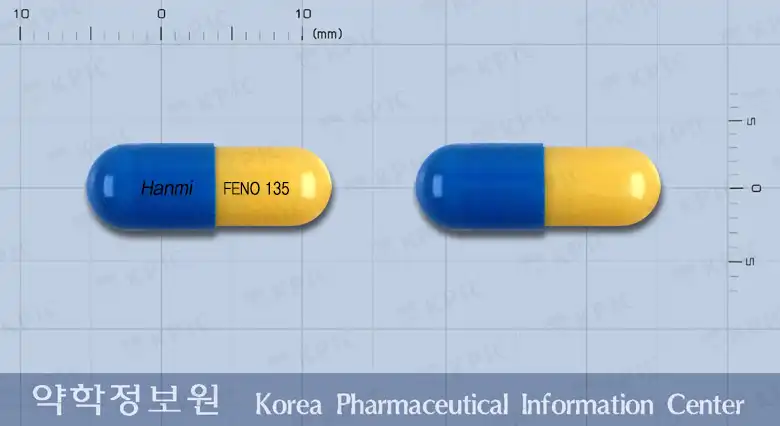
Fenofibric Acid 135mg
Hard capsule · Prescription medication
Hanmi Pharmaceutical Co., Ltd.
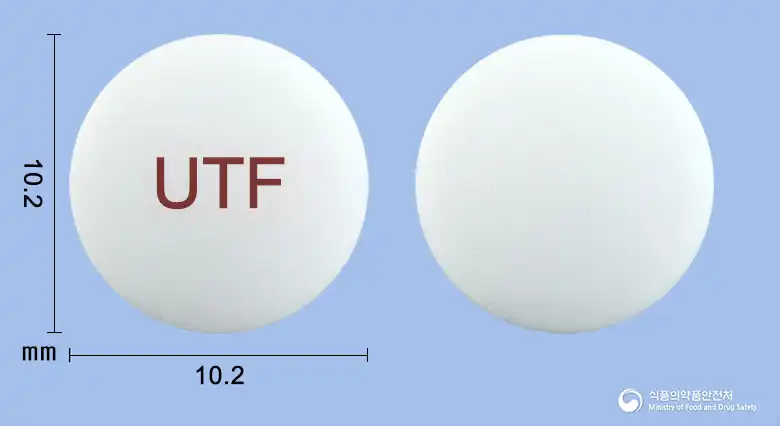
Fenofibric Acid 110mg
Tablet · Prescription medication
Korea United Pharmaceutical Co., Ltd.
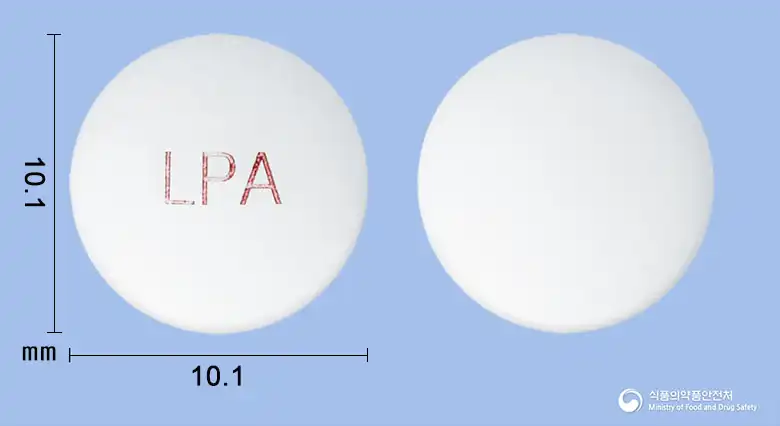
Fenofibric Acid 110mg
Tablet · Prescription medication
Albozen Korea Co., Ltd.
Even with the same ingredient, the dose and directions can differ by strength and dosage form. Talk to a doctor or pharmacist before switching from a medication you are already taking.
No questions yet.
For anything that needs medical judgment, consult a doctor or pharmacist.
This drug information is based on data provided by the Korea Ministry of Food and Drug Safety.
Consult a doctor or pharmacist for accurate dosage, administration, and usage instructions.