
 한국어
한국어 English
 日本語
日本語 中文(简体)
 Viewing now
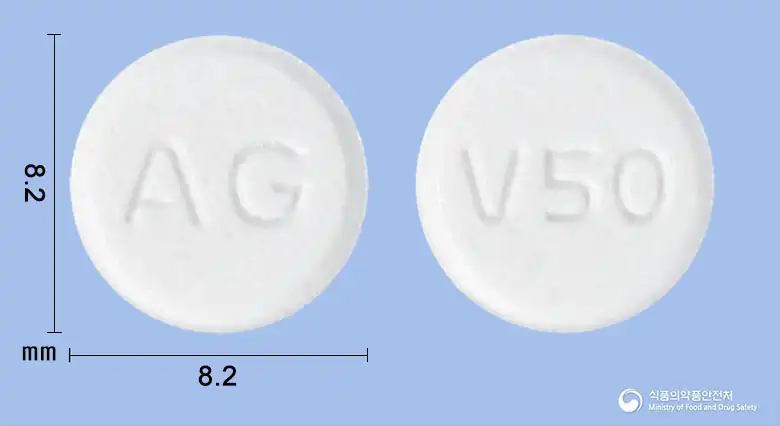
Ebs Tablet 50 mg (Vildagliptin)
Vildagliptin 50mg
Tablet · Prescription medication
AhnGuk Pharmaceuticals Co., Ltd.
MFDS item code 201908043 · Approved 2019.11.22 · Insurance code 650205820
Improvement of blood sugar control in type 2 diabetes
This medicine is used as an adjunct to dietary and exercise therapy to improve blood sugar control in patients with type 2 diabetes. It can also be used as monotherapy, and in cases where blood sugar control is difficult with monotherapy in patients without prior experience in diabetes medication, it is administered in combination with metformin. Additionally, it can be administered in combination with either sulfonylurea, metformin, or thiazolidinedione when sufficient blood sugar control is not achieved with any one of these monotherapies. When blood sugar control is difficult with combination therapy of sulfonylurea and metformin, this medicine can also be used as an add-on. Therefore, this medicine is used to improve blood sugar control in various therapeutic situations.
This medicine may be administered as monotherapy or in cases where there is no prior experience with diabetes medications, when combined with metformin, it should be given at 50 mg once daily in the morning, or at 100 mg split into two doses of 50 mg each in the morning and evening. When sufficient blood sugar control cannot be achieved with monotherapy of metformin or thiazolidinedione, the recommended dose of this medicine when combined with metformin or thiazolidinedione is 100 mg once daily, split into two doses of 50 mg each in the morning and evening.
This medicine should not be used by patients who have had an allergic reaction to the active ingredient or other components. It should not be administered to patients with type 1 diabetes or diabetic ketoacidosis. Patients with genetic lactose metabolism disorders should not take this medicine. While taking this medicine, liver function abnormalities can occur infrequently, so it is important to have regular liver function tests before and during the course of treatment. If there is severe deterioration in liver function or symptoms of jaundice, treatment should be discontinued immediately. In some heart failure patients, the use of this medicine may be restricted; therefore, follow the doctor's instructions. If abnormal symptoms appear on the skin, such as blisters or ulcers, notify medical personnel immediately, and discontinue the medication if necessary. If symptoms of acute pancreatitis are suspected, the medicine should be stopped immediately, and a hospital visit should be made. When used with other diabetes medications that may cause hypoglycemia, pay attention to hypoglycemic symptoms, and dose adjustment may be needed. If symptoms such as dizziness occur, it is advisable to avoid driving or operating machinery. Women who are pregnant or breastfeeding should avoid using this medicine, and it is not recommended for children and adolescents under 18 years of age. In case of overdose, there is no specific antidote, so symptomatic supportive treatment is necessary, and this medicine cannot be removed by hemodialysis. It should be stored out of reach of children, and transferring to another container should be avoided.
Hives, severe swelling (angioedema, peripheral edema), chest tightness, difficulty breathing, skin peeling, blisters, pain in oral/ocular mucosa, hepatitis, jaundice, sudden and severe headache, seizures, confusion, vision abnormalities, paralysis, significantly reduced urine output, acute myocardial infarction, acute cholecystitis, pulmonary edema, breathing difficulties, dizziness, chest discomfort, pancreatitis, bullous pemphigoid, angioedema, severe and disabling joint pain
Not everyone experiences these, and they can vary from person to person.
This medicine is sensitive to air and moisture, so it must be stored in a tightly sealed container. Keeping it in a cool place below 30 degrees Celsius helps maintain its effectiveness.
Round tablet with a white to light yellow color
30 tablets/box [(10 tablets/Alu-Alu X 3)]
Even with the same ingredient, strength, dosage form and how it is taken can differ.
Viewing nowVildagliptin 50mg
Tablet · Prescription medication
AhnGuk Pharmaceuticals Co., Ltd.
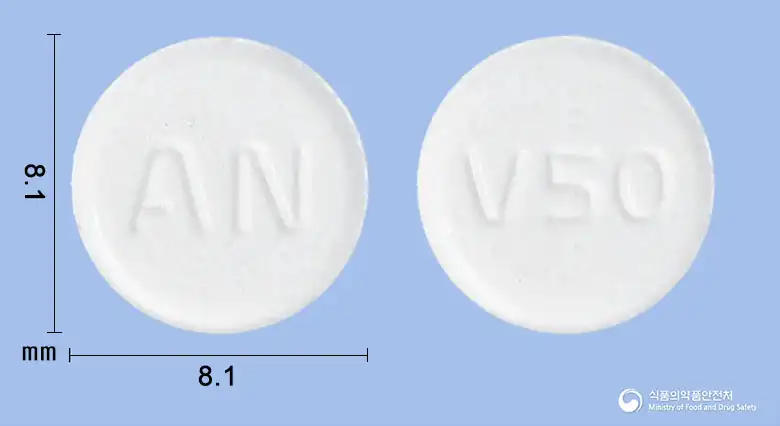
Vildagliptin 50mg
Tablet · Prescription medication
Ahn-Guk New Pharm Co., Ltd.
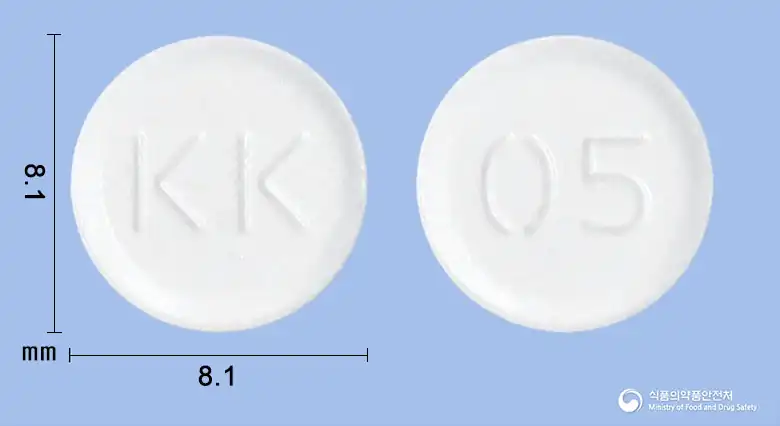
Vildagliptin 50mg
Tablet · Prescription medication
Genewon Science Co., Ltd.
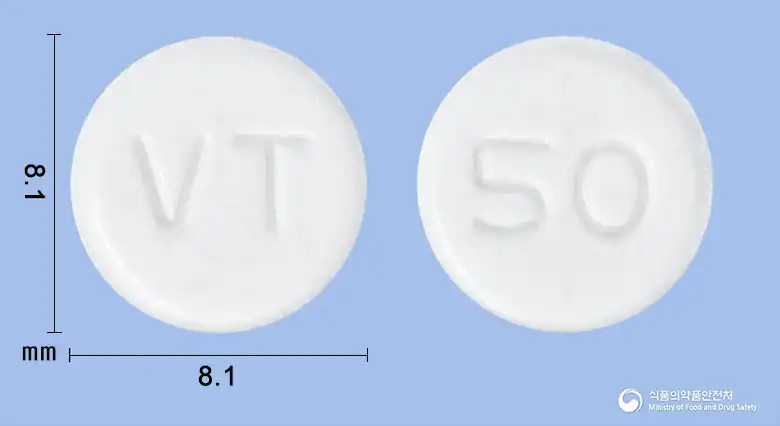
Vildagliptin 50mg
Tablet · Prescription medication
Lightpharmtech Co., Ltd.
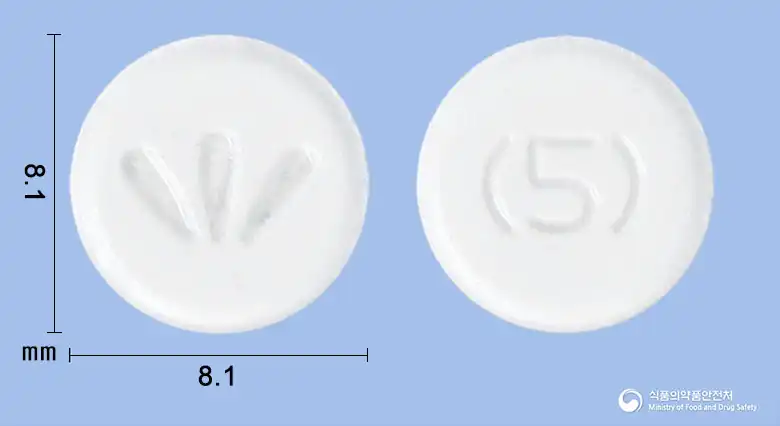
Vildagliptin 50mg
Tablet · Prescription medication
White Life Sciences Co., Ltd.
Vildagliptin 50mg
Tablet · Prescription medication
Pharmgen Science Co., Ltd.
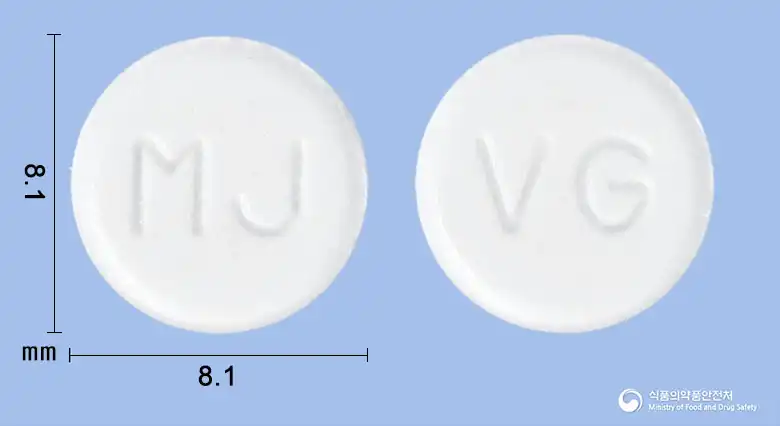
Vildagliptin 50mg
Tablet · Prescription medication
Mothers Pharmaceutical Co., Ltd.
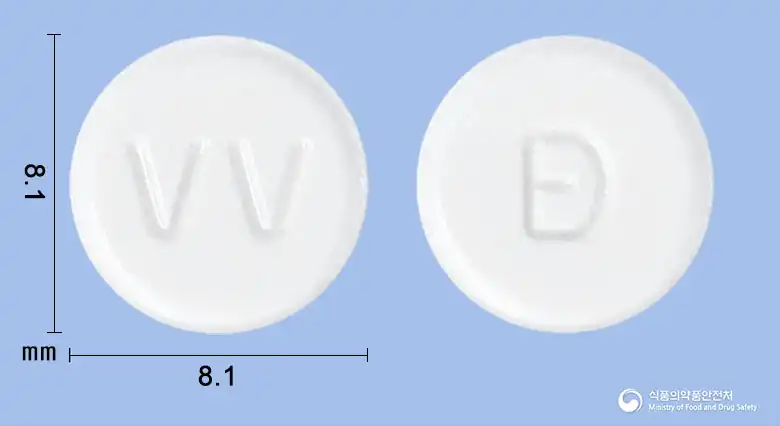
Vildagliptin 50mg
Tablet · Prescription medication
Daewoong Bio Co., Ltd.
Even with the same ingredient, the dose and directions can differ by strength and dosage form. Talk to a doctor or pharmacist before switching from a medication you are already taking.
No questions yet.
For anything that needs medical judgment, consult a doctor or pharmacist.
This drug information is based on data provided by the Korea Ministry of Food and Drug Safety.
Consult a doctor or pharmacist for accurate dosage, administration, and usage instructions.