(Hypertension, dyslipidemia) Improvement and reduction of cardiovascular disease risk
Who takes it
Adults · Children
Adult dose
This medication is taken once daily, with one tablet taken with water, regardless of meals. It is recommended to take it at the same time each day (e.g., in the morning).
Pimasartan/Amlodipine combination:
- 30/5 milligrams: Administered to patients whose blood pressure is not adequately controlled by Pimasartan 30 milligrams alone.
- 30/10 milligrams: Administered to patients whose blood pressure is not adequately controlled by either Pimasartan 30 milligrams alone or 30/5 milligrams.
Child dose
Safety and efficacy in patients under 18 years of age have not been established.
(Hypertension, dyslipidemia) Improvement and reduction of cardiovascular disease risk
Essential hypertension
primary hypercholesterolemia
heterozygous familial hypercholesterolemia
combined dyslipidemia
homozygous familial hypercholesterolemia
hypercholesterolemia
primary dysbetalipoproteinemia
elevated high-sensitivity C-reactive protein
hypertension
low HDL cholesterol levels
smoking
family history of early coronary heart disease
View approved original textHide original text
This medication is a combination of Pimasartan and Amlodipine, used for patients with hypertension whose blood pressure is not adequately controlled by Pimasartan alone. The Rosuvastatin component is used as an adjunctive therapy for patients with hypercholesterolemia and dyslipidemia when diet and exercise alone are insufficient to control lipid levels. It is particularly effective for various lipid disorders, including homozygous familial hypercholesterolemia and primary dysbetalipoproteinemia. Rosuvastatin helps lower total cholesterol and LDL cholesterol levels, delaying the progression of atherosclerosis and reducing the risk of cardiovascular disease. Therefore, this medication is suitable for patients who require simultaneous management of blood pressure and cholesterol, and it is used to improve cardiovascular health.
How to take
Adult dose
This medication is taken once daily, with one tablet taken with water, regardless of meals. It is recommended to take it at the same time each day (e.g., in the morning).
Pimasartan/Amlodipine combination:
- 30/5 milligrams: Administered to patients whose blood pressure is not adequately controlled by Pimasartan 30 milligrams alone.
- 30/10 milligrams: Administered to patients whose blood pressure is not adequately controlled by either Pimasartan 30 milligrams alone or 30/5 milligrams.
Child dose
Safety and efficacy in patients under 18 years of age have not been established.
Precautions
This medication can cause serious harm to the fetus and newborn if taken during the second and third trimesters of pregnancy; therefore, it should be discontinued immediately upon confirmation of pregnancy.
Patients with allergies to any of the ingredients, those with severe liver or kidney impairment, pregnant or breastfeeding women, and patients with muscle disorders should not take this medication.
Patients with low blood volume or low sodium levels, those with reduced kidney function, elderly patients, and patients with heart disease should exercise particular caution when taking this medication and their condition should be closely monitored.
Side effects such as muscle pain, weakness, dizziness, headache, gastrointestinal discomfort, and skin rashes may occur during treatment. If severe muscle-related symptoms arise, immediate consultation with a physician is advised.
This medication may interact with other drugs, so anyone taking other medications should inform their healthcare provider, particularly in the case of potassium-sparing diuretics, lithium, non-steroidal anti-inflammatory drugs, certain antibiotics, and antifungals.
Women who are pregnant or could become pregnant should use appropriate contraception, and breastfeeding mothers should avoid taking this medication or stop breastfeeding.
In case of overdose, symptoms such as hypotension, arrhythmia, and, in severe cases, shock may occur, necessitating immediate medical attention and appropriate treatment based on symptoms.
Caution is advised when driving or operating machinery as dizziness may occur during treatment.
Safety has not been established in pediatric patients and should be kept out of reach of children during storage.
Side effects and when to seek care immediately
Serious side effects
Hives, severe swelling (edema), chest tightness, difficulty breathing, cold sweat, pallor, severe rash with high fever, blisters, peeling skin, pain in mucous membranes of the mouth/eyes, shortness of breath or difficulty breathing, asthma attacks, respiratory distress accompanied by cough and fever, yellowing of the skin or eyes (jaundice), extreme lethargy, sudden and severe headache, lightning headache, seizures, confusion, visual disturbances, paralysis, urination issues
Mild side effects
Headache
dizziness
nausea
peripheral edema
nasopharyngitis
influenza
elevated serum creatine phosphokinase
essential tremor
rash
itching
Show 23 moreCollapse
vomiting
dyspepsia
upper abdominal pain
weakness
foreign body sensation
cough
muscle cramps
musculoskeletal stiffness
facial flushing
flushing
erectile dysfunction
orthostatic dizziness
insomnia
urinary disorders
flushing
weakness
fatigue
pain
weight changes
hypotension
vasculitis
tension increase
sensory loss
Not everyone experiences these, and they can vary from person to person.
Storage
This medication should be stored in a sealed container to protect it from air and moisture, and it is advisable to store it at room temperature between 1 to 30 degrees Celsius.
Appearance and packaging
Appearance
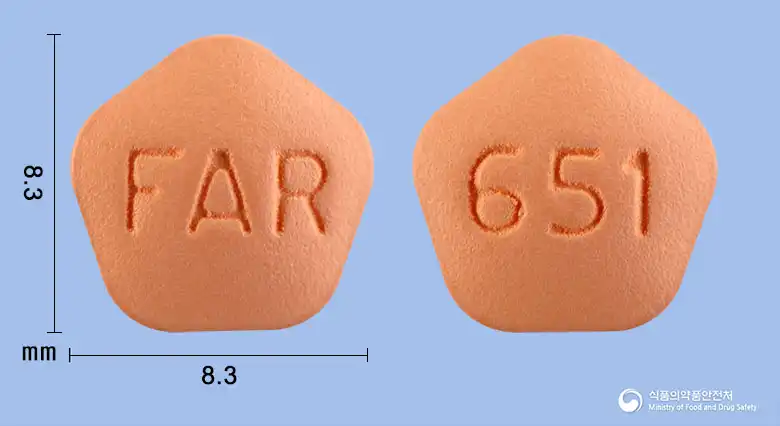
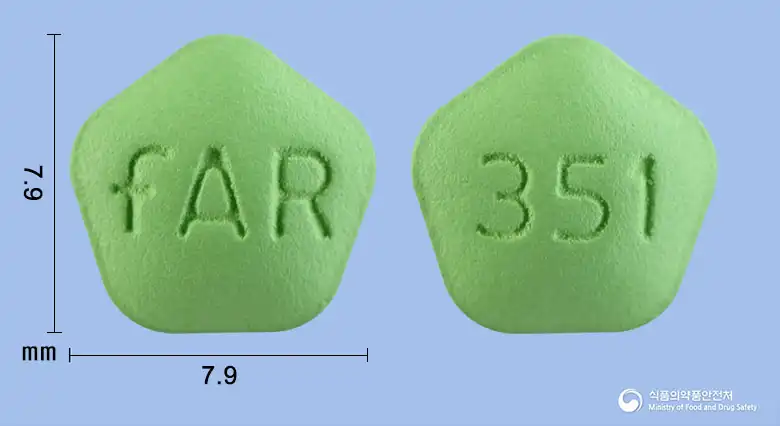
White pentagonal film-coated tablet
Package unit
30 tablets/box [10 tablets/PTP*3]
Same-ingredient medicines
Even with the same ingredient, strength, dosage form and how it is taken can differ.
Even with the same ingredient, the dose and directions can differ by strength and dosage form. Talk to a doctor or pharmacist before switching from a medication you are already taking.
Questions about this medicine
No questions yet.
For anything that needs medical judgment, consult a doctor or pharmacist.
This drug information is based on data provided by the Korea Ministry of Food and Drug Safety. Consult a doctor or pharmacist for accurate dosage, administration, and usage instructions.

 한국어
한국어 English
 日本語
日本語 中文(简体)
 Viewing nowCombination