
 한국어
한국어 English
 日本語
日本語 中文(简体)
 Viewing now
Omakomini Soft Capsule 2 grams (Omega-3 Fatty Acid Ethyl Ester 90)
Omega-3-Acid Ethyl Esters 90 2000mg
Soft capsule · Prescription medication
Geonil Pharmaceutical Co., Ltd.
MFDS item code 201904671 · Approved 2019.07.11 · Insurance code 646802900
Improvement of hypertriglyceridemia and combined hyperlipidemia
This medication effectively reduces serum triglyceride levels when administered alone to patients with hypertriglyceridemia (type IV). Additionally, in patients with combined hyperlipidemia (type IIb) characterized by both hypercholesterolemia and hypertriglyceridemia, superior therapeutic effects can be expected when used in conjunction with statins. Particularly in patients with uncontrolled triglyceride levels, the combination with statins helps maintain more stable blood lipid levels. Therefore, it plays an important role in reducing triglyceride levels as an adjunct to dietary therapy and improving the patient's lipid profile.
Before administration, patients must undergo an appropriate lipid-lowering dietary regimen, which should continue throughout the treatment period. This medication should be taken with meals to avoid gastrointestinal disturbances. For hypertriglyceridemia, the usual initial dosage is 2g once a day, with a potential increase to 4g per day if necessary. Dosing can be done once or twice daily.
This drug should not be used by individuals who are allergic to any of its components or by children under the age of 18. Patients at high risk of bleeding due to severe trauma or surgery, patients with poor liver function, and individuals allergic to fish should exercise special caution when using this drug. Taking this medication may cause various side effects such as dyspepsia, rash, headache, dizziness, arthralgia, and shortness of breath; if any abnormal symptoms occur, a doctor should be consulted immediately. Before starting treatment, it is important to check triglyceride levels through a blood test and to follow a regimen of weight management, exercise, and dietary control. During the use of this drug, periodic blood tests should also be conducted to monitor triglyceride levels and liver function; treatment may be discontinued if no therapeutic effect is observed. Particularly, atrial fibrillation, a type of cardiac arrhythmia, may occur, so individuals with heart conditions or at heightened risk should use this medication more cautiously. Concomitant use with anticoagulants or aspirin may increase the risk of bleeding, so patients using these medications should inform their doctors. Women who are pregnant or breastfeeding should use this drug cautiously only when necessary, and ideally consult with a physician, as its safety is not established. In case of overdose, there are no specific antidotes; appropriate treatment and supportive care should be instituted according to symptoms. It is not recommended for children, especially those under 18, as safety and efficacy have not been established. Elderly patients aged 65 or older can use this drug, but caution is advised as the number of participants in clinical trials was small. This medication should be kept out of reach of children, and transferring it to another container should be avoided as it may cause accidents or quality degradation.
Hives, severe swelling (edema), chest tightness, difficulty breathing, cold sweat, pallor, severe rash with high fever, blisters, skin peeling, pain in oral or ocular mucosa, shortness of breath or difficulty breathing, asthma attacks, respiratory distress accompanied by cough and fever, yellowing of the skin or eyes (jaundice), profound lethargy, sudden and severe headache, thunderclap headache, seizures, confusion of consciousness, visual impairments, paralysis, urination
Not everyone experiences these, and they can vary from person to person.
This drug should be stored in a container that is tightly sealed to prevent air and moisture from entering. The storage temperature should be maintained below 25 degrees Celsius, and care should be taken not to freeze it.
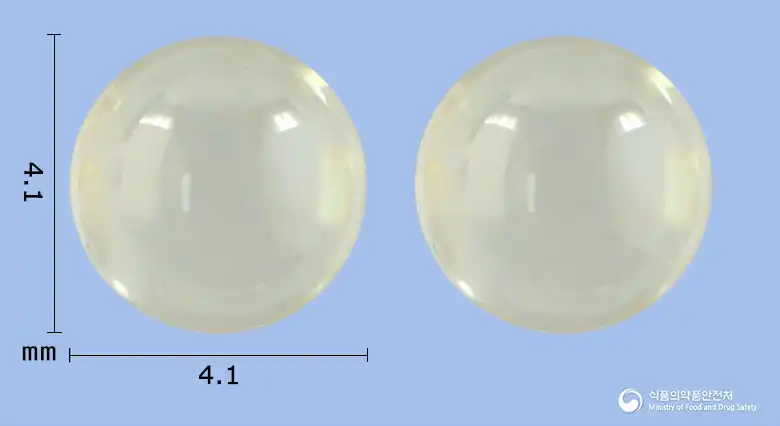
Transparent round soft capsules filled with yellowish oily substance, packed in aluminum foil pouches.
30 pouches/box
Even with the same ingredient, strength, dosage form and how it is taken can differ.
Viewing nowOmega-3-Acid Ethyl Esters 90 2000mg
Soft capsule · Prescription medication
Geonil Pharmaceutical Co., Ltd.
Omega-3-Acid Ethyl Esters 90 1000mg
Soft capsule · Prescription medication
Geonil Pharmaceutical Co., Ltd.
Omega-3-Acid Ethyl Esters 90 1000mg
Soft capsule · Prescription medication
Gunil Biopharm Co., Ltd.
Omega-3-Acid Ethyl Esters 90 1000mg
Soft capsule · Prescription medication
Youngjin Pharmaceutical Co., Ltd.
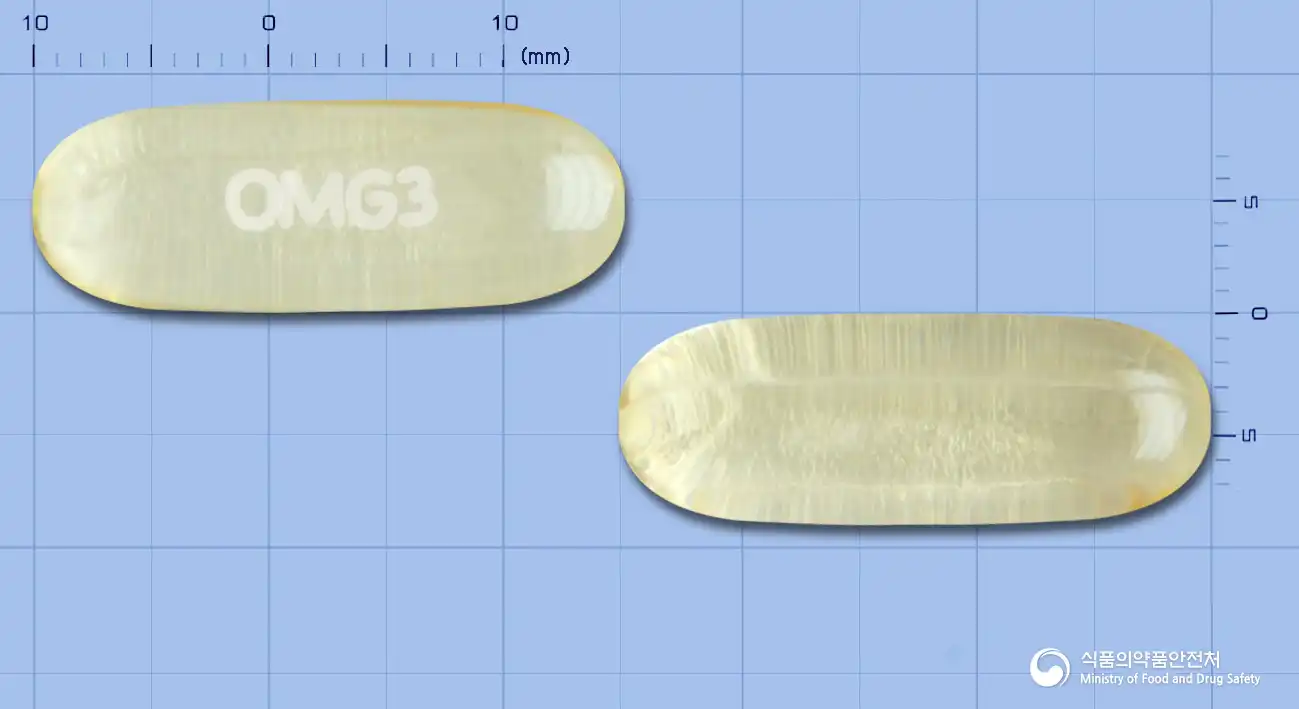
Omega-3-Acid Ethyl Esters 90 1000mg
Soft capsule · Prescription medication
YuYu Pharmaceuticals Co., Ltd.
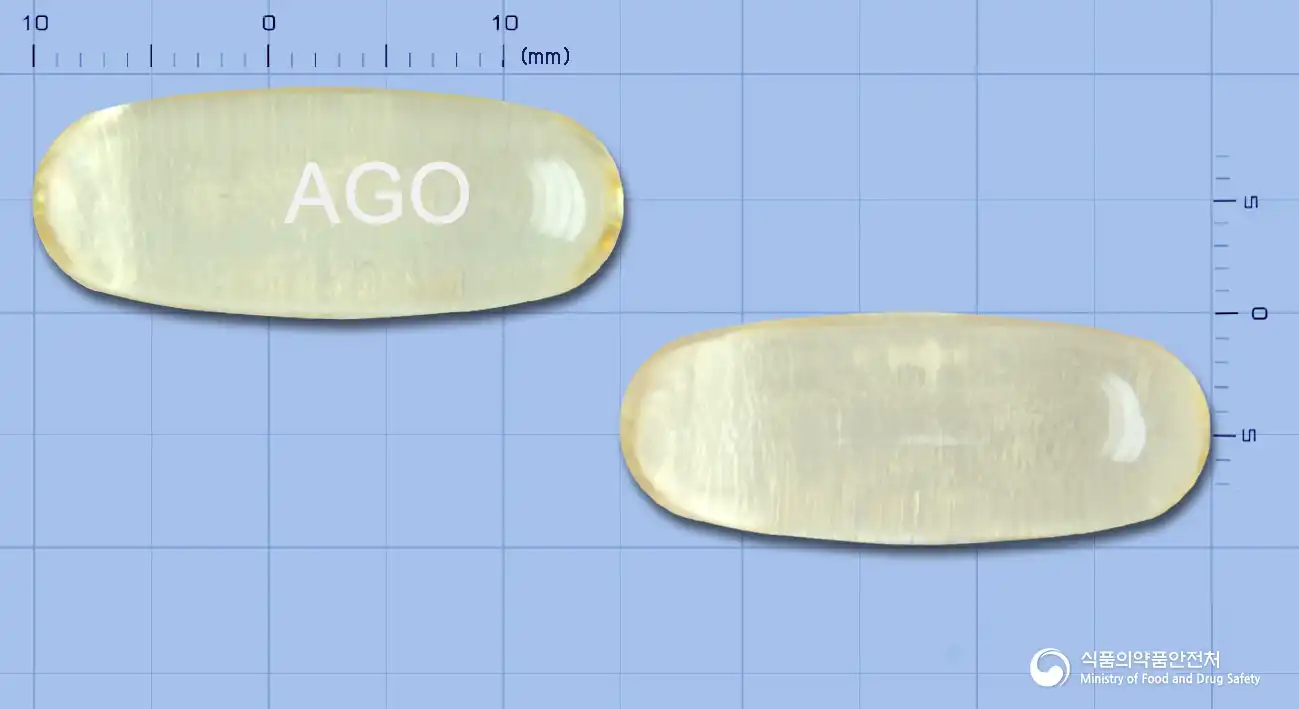
Omega-3-Acid Ethyl Esters 90 1000mg
Soft capsule · Prescription medication
Anguk Pharmaceutical Co., Ltd.
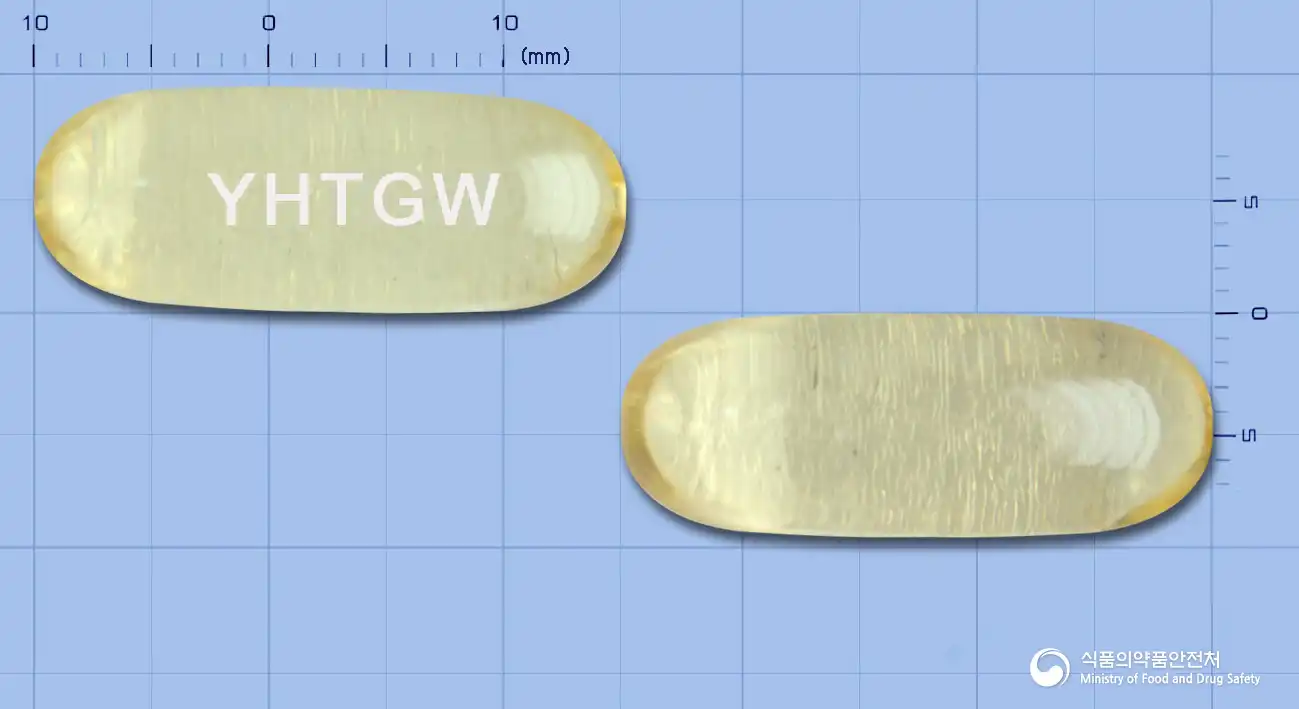
Omega-3-Acid Ethyl Esters 90 1000mg
Soft capsule · Prescription medication
Yuhan Corporation
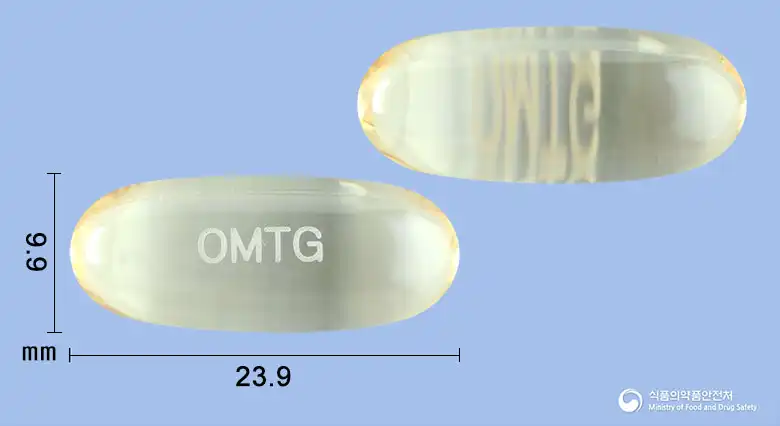
Omega-3-Acid Ethyl Esters 90 1000mg
Soft capsule · Prescription medication
Vivozon Pharmaceutical Co., Ltd.
Even with the same ingredient, the dose and directions can differ by strength and dosage form. Talk to a doctor or pharmacist before switching from a medication you are already taking.
No questions yet.
For anything that needs medical judgment, consult a doctor or pharmacist.
This drug information is based on data provided by the Korea Ministry of Food and Drug Safety.
Consult a doctor or pharmacist for accurate dosage, administration, and usage instructions.