
 한국어
한국어 English
 日本語
日本語 中文(简体)
Dosage form image
Viewing nowCombinationDongkwang Silostazol Gohyang
Cilostazol 100mg · Ginkgo Biloba Leaf Dried Extract 80mg
Tablet · Prescription medication · Combination
Dongkwang Pharmaceutical Co., Ltd.
MFDS item code 201903713 · Approved 2019.06.03
This product's status changed to Expired on 2024.06.03. It may no longer be sold, so consult a doctor or pharmacist before taking it.
Improvement of chronic arterial occlusive conditions (ulcers, pain, etc.) and prevention of recurrent cerebral infarction
Combination therapy using silostazol and ginkgo leaf extract is recommended as an alternative treatment when monotherapy with silostazol alone is insufficient. This combination therapy helps improve ischemic symptoms such as ulcers, pain, and coldness due to chronic arterial occlusive conditions. Additionally, it is effective in preventing recurrence after cerebral infarction, except for heart-related cerebral embolism. Therefore, this combination therapy can help improve symptoms and reduce recurrence in vascular-related diseases.
Typically, adults are recommended to take 1 tablet orally twice a day.
This medication may increase heart rate, potentially leading to angina symptoms such as chest pain, so careful observation for angina symptoms is necessary. Patients at risk for bleeding, those who have recently experienced a bleeding disorder, and patients with uncontrolled hypertension should not take this medication, as it may worsen bleeding. Patients with congestive heart failure, those allergic to the components of this medication, and women who are pregnant or breastfeeding should also refrain from using this medication. This medication contains lactose and should not be given to patients with lactose intolerance or specific genetic metabolic disorders. Patients currently taking anticoagulants, antiplatelet agents, thrombolytics, etc., should use this medication with caution due to an increased risk of bleeding. Women who are menstruating should exercise caution due to the risk of bleeding. Patients with severe renal or liver dysfunction should be cautious, as metabolism and excretion of this medication may be slowed, resulting in elevated blood concentration. Diabetic patients or those with consistently high blood pressure should also use this medication cautiously due to risks of bleeding and other side effects. Elderly patients with heart rhythm disorders or structural heart issues should be careful when taking this medication. This medication can cause various side effects such as bleeding, reduction in blood cells, interstitial pneumonia, heart-related issues, skin rash, and gastrointestinal disorders, so symptoms should be reported to healthcare personnel immediately. Dizziness or palpitations may occur, so caution is required while driving or operating machinery. This medication is metabolized in the liver, so blood concentrations may change when taken with specific drugs, requiring dosage adjustments or monitoring. Women who are pregnant or may become pregnant should not take this medication, and breastfeeding should be discontinued if using this medication. Safety for children or infants has not been established; therefore, use is not recommended. Elderly patients may have a higher risk of side effects due to declining physical functions, so dosage adjustments should be considered. In case of overdose, symptoms such as headache, diarrhea, hypotension, and rapid heartbeat may occur, necessitating immediate medical attention. This medication should be stored in a cool, dry place away from direct sunlight, and keep out of reach of children.
Headache, nausea, vomiting, headache, angina, headache, severe swelling, headache, tendency to bleed (intracranial bleeding, pulmonary bleeding, gastrointestinal bleeding, etc.), headache, thrombocytopenia, leukopenia, aplastic anemia, interstitial pneumonia (fever, cough, difficulty breathing), congestive heart failure, myocardial infarction, angina, ventricular tachycardia, jaundice, headache, cerebral hemorrhage, headache, consciousness disturbances, hemiplegia, severe allergic reactions (hives), severe skin reactions (
Not everyone experiences these, and they can vary from person to person.
This medication should be stored in a tightly closed container to protect it from air and moisture. It is recommended to maintain storage temperatures between 1°C and 30°C. This storage method helps maintain the effectiveness of the medication safely.
Green, egg-shaped film-coated tablet
30 tablets/bottle, 300 tablets/bottle
Even with the same ingredient, strength, dosage form and how it is taken can differ.
Cilostazol 100mg · Ginkgo Biloba Leaf Dried Extract 80mg
Tablet · Prescription medication · Combination
Dongkwang Pharmaceutical Co., Ltd.
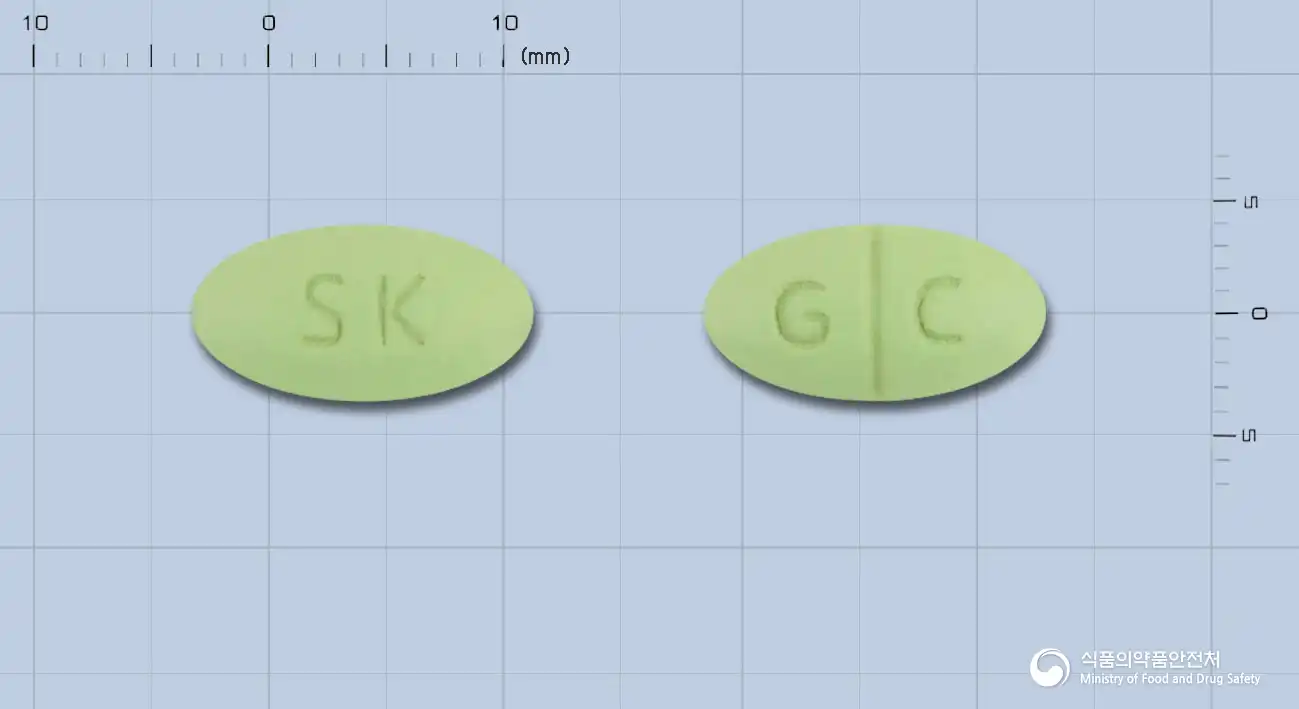 Combination
Cilostazol 100mg · Ginkgo Biloba Leaf Dried Extract 80mg
Tablet · Prescription medication · Combination
SK Chemical Co., Ltd.
Cilostazol · Ginkgo Biloba Leaf Dried Extract
Prescription medication · Combination
Korea Prime Pharmaceuticals Co., Ltd.
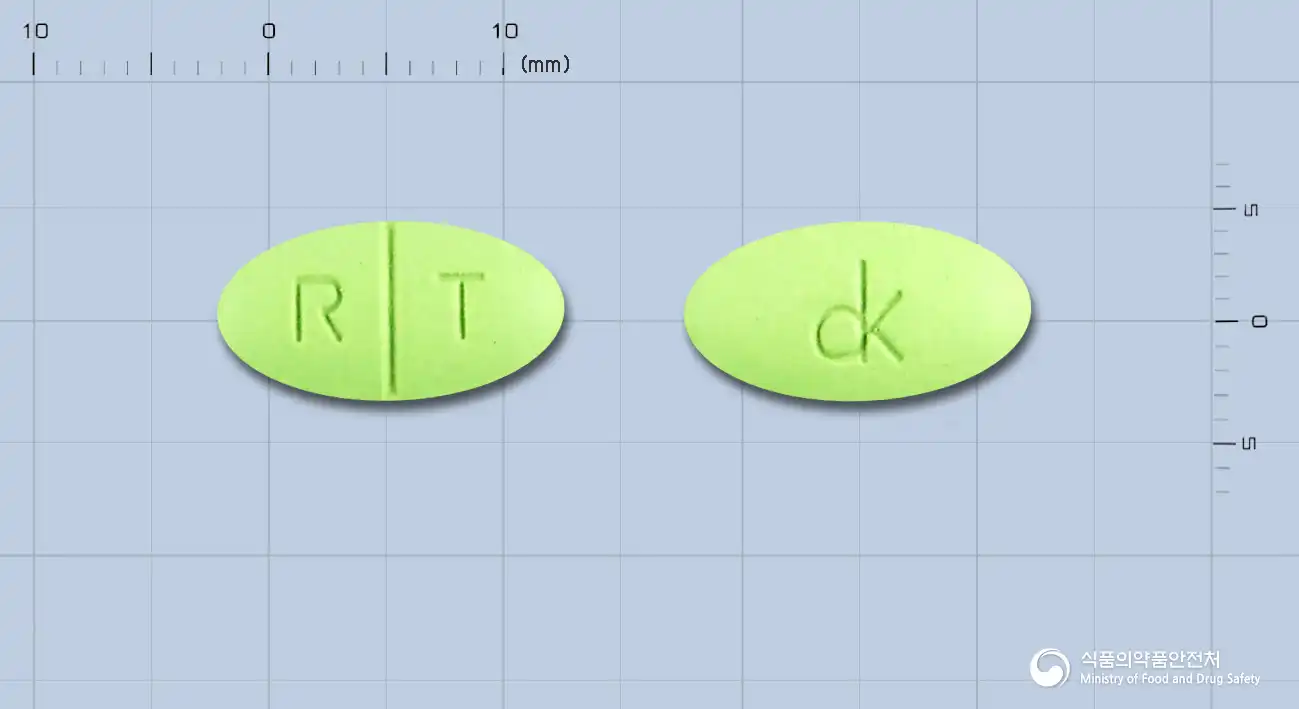 Combination
Cilostazol 100mg · Ginkgo Biloba Leaf Dried Extract 80mg
Tablet · Prescription medication · Combination
Dongguk Pharmaceutical Co., Ltd.
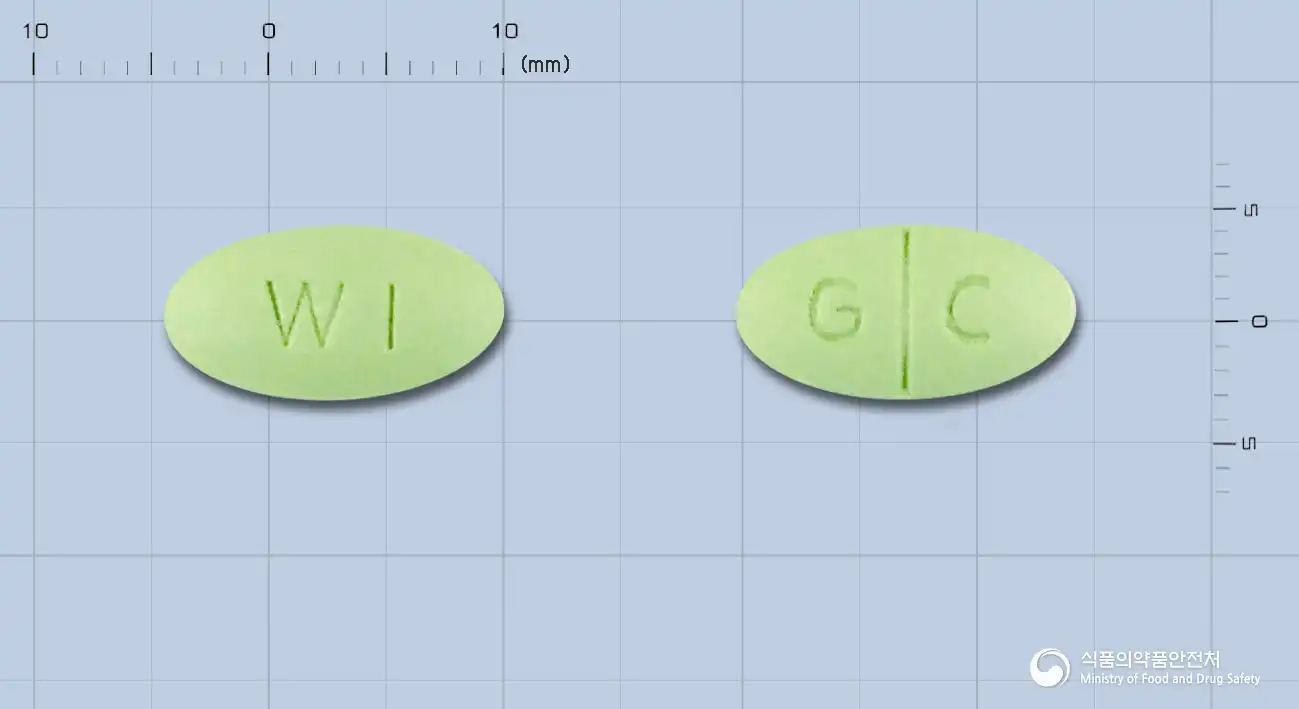 Combination
Cilostazol 100mg · Ginkgo Biloba Leaf Dried Extract 80mg
Tablet · Prescription medication · Combination
Hanin Pharmaceutical Co., Ltd.
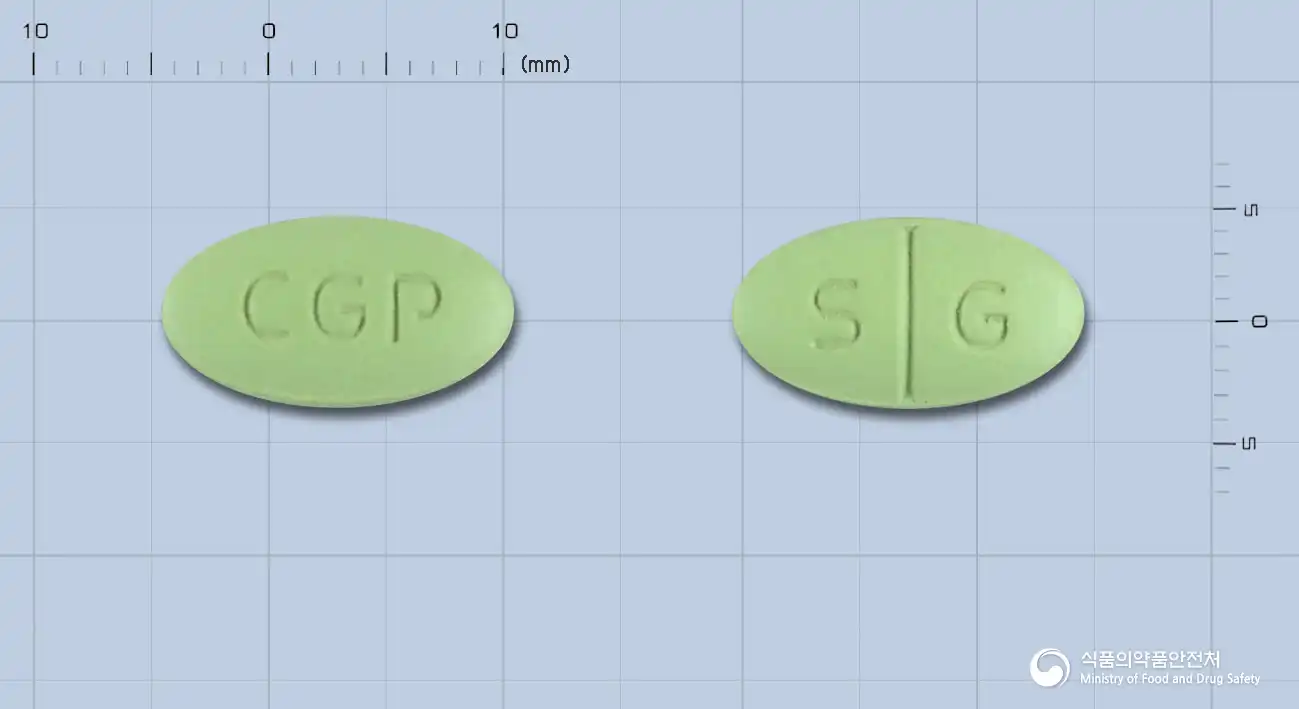 Combination
Cilostazol 100mg · Ginkgo Biloba Leaf Dried Extract 80mg
Tablet · Prescription medication · Combination
Aprogen Biosciences, Inc.
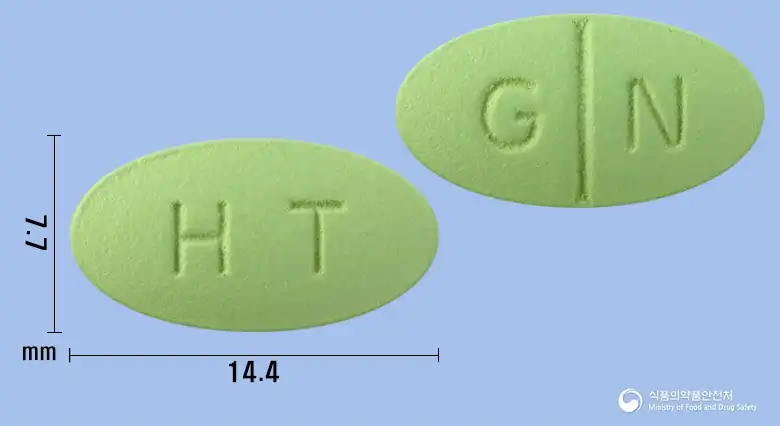 Combination
Cilostazol 100mg · Ginkgo Biloba Leaf Dried Extract 80mg
Tablet · Prescription medication · Combination
Korea Hyutech Pharmaceutical Co., Ltd.
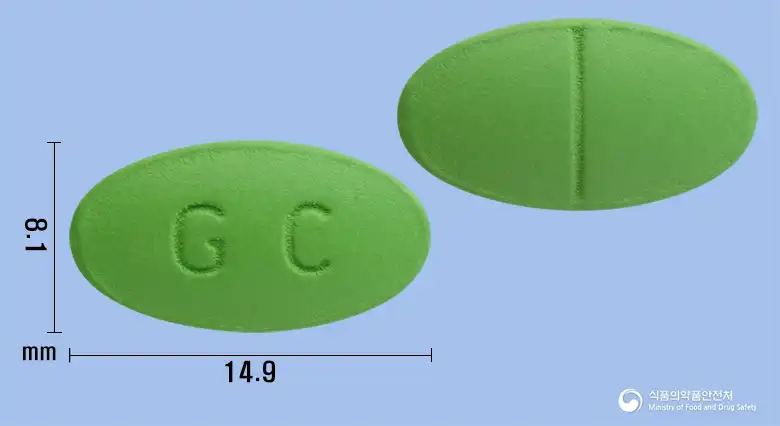 Combination
Cilostazol 100mg · Ginkgo Biloba Leaf Dried Extract 80mg
Tablet · Prescription medication · Combination
Genupharm Co., Ltd.
Even with the same ingredient, the dose and directions can differ by strength and dosage form. Talk to a doctor or pharmacist before switching from a medication you are already taking.
No questions yet.
For anything that needs medical judgment, consult a doctor or pharmacist.
This drug information is based on data provided by the Korea Ministry of Food and Drug Safety.
Consult a doctor or pharmacist for accurate dosage, administration, and usage instructions.