
 한국어
한국어 English
 日本語
日本語 中文(简体)
 Viewing now
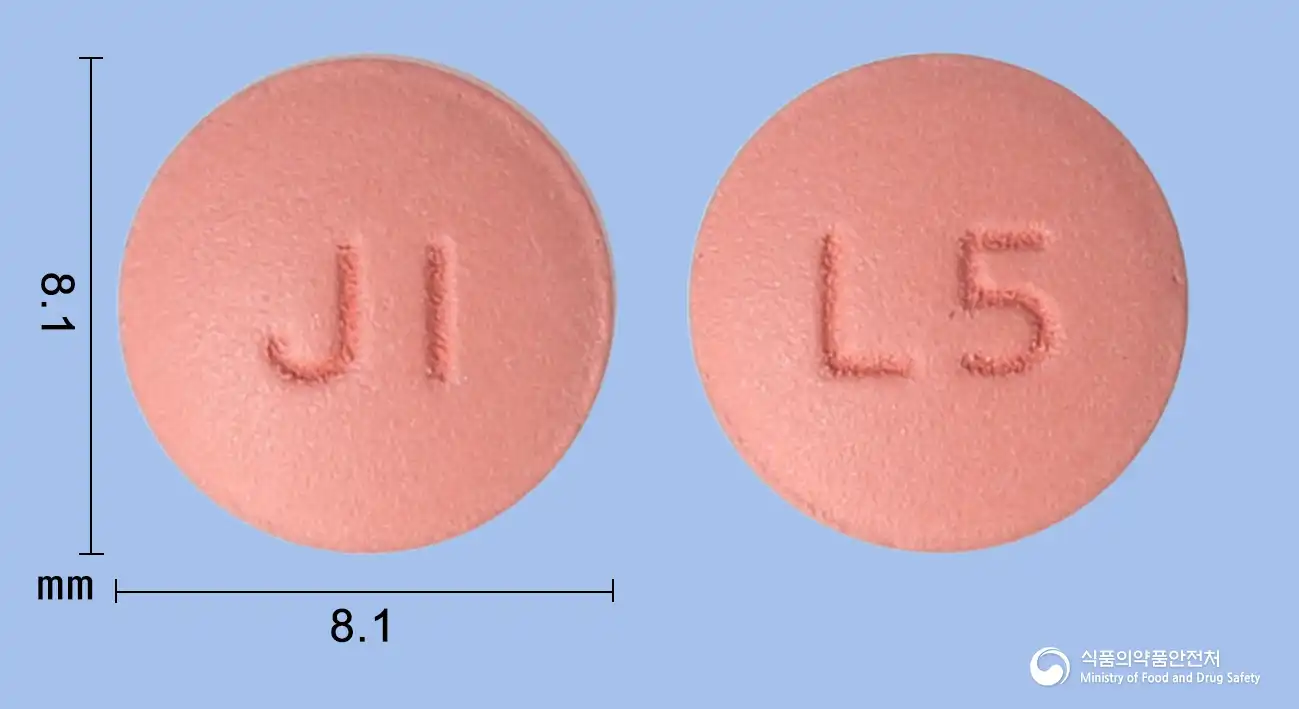
Rinatine Tablet (Linagliptin)
Linagliptin 5mg
Tablet · Prescription medication
Jeil Pharmaceutical Co., Ltd.
MFDS item code 201903610 · Approved 2019.05.31 · Insurance code 645405530
Improvement of blood sugar control in type 2 diabetes
This medication is used as an adjunct to diet and exercise to help control blood sugar levels in patients with type 2 diabetes. It can be administered alone or in combination with other medications. This helps to manage blood sugar more effectively, aiding in the treatment of diabetes.
The recommended dose of this medication is 5 mg once daily. It can be taken regardless of meals.
This medication should not be used in patients with allergies to the active ingredient or other components. It should not be administered to patients with type 1 diabetes or diabetic ketoacidosis. Particular caution is required when used with drugs that can cause hypoglycemia. The risk of hypoglycemia may increase when used in combination with insulin or sulfonylureas. The experience with this medication in patients with heart failure is limited, so it should be used with caution. Acute pancreatitis may occur; therefore, if symptoms such as abdominal pain appear, you should stop taking the medication immediately and consult your doctor. A skin condition resembling bullous pemphigoid may occur; if blistering or skin irritation occurs, it is important to notify healthcare personnel immediately. This medication can cause various side effects, including hypoglycemia, infections, gastrointestinal disorders, and skin rashes. If any unusual symptoms occur, consult your doctor immediately. Use is not recommended during pregnancy or breastfeeding, and particular caution is needed for breastfeeding individuals. Safety and efficacy have not been sufficiently established in children and adolescents, so it is not recommended for these age groups. It can be used in elderly patients without special dosage adjustments, and dosage adjustments are not necessary even in patients with impaired kidney or liver function. The potential for drug interactions is low, so most combination therapies do not require dosage adjustments, although caution is needed when used with certain potent medications. There is no specific antidote for overdose, so it is crucial to receive appropriate treatment based on symptoms. Keep out of reach of children and avoid transferring to other containers.
Urticaria, angioedema, pancreatitis, bullous pemphigoid, congestive heart failure, chest discomfort, difficulty breathing, asthma exacerbation, acute cholangitis, acute cholecystitis, cholangitis, acute kidney injury, acute pyelonephritis, severe rash, blisters, skin peeling, pain in the mucous membranes of mouth/eyes, severe edema, generalized severe swelling, high fever, pallor, severe allergic reactions, severe neurological symptoms, severe edema or urinary abnormalities, shortness of breath
Not everyone experiences these, and they can vary from person to person.
This medication may be sensitive to light, so it should be stored in a container that does not allow light in. Additionally, the medication should be stored at room temperature between 1°C and 30°C, avoiding very hot or very cold places. This will help maintain the drug's effectiveness for a longer period.
Bright red circular film-coated tablet
30 tablets (10 tablets/PTP x 3)
Even with the same ingredient, strength, dosage form and how it is taken can differ.
Viewing nowLinagliptin 5mg
Tablet · Prescription medication
Jeil Pharmaceutical Co., Ltd.
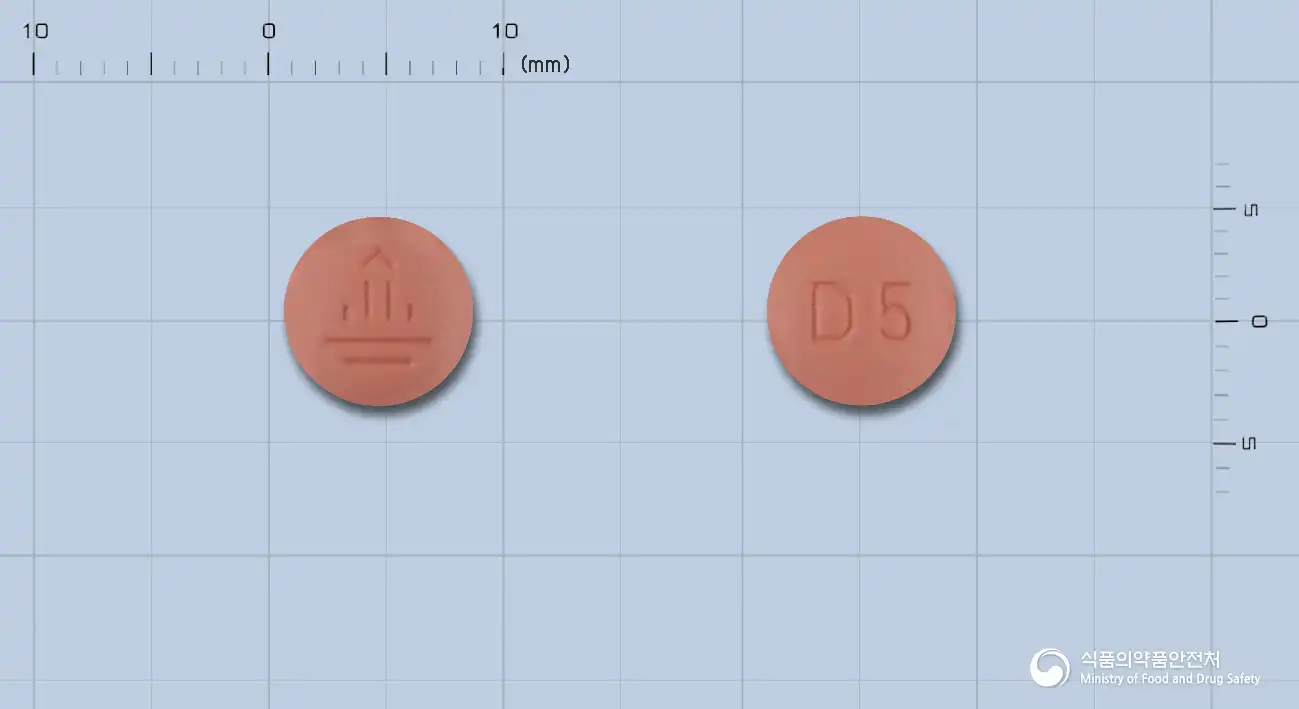
Linagliptin 5mg
Tablet · Prescription medication
Boehringer Ingelheim Korea Co., Ltd.
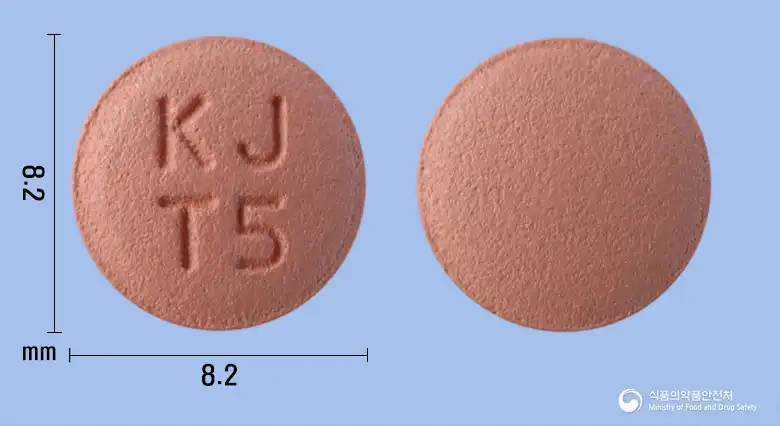
Linagliptin 5mg
Tablet · Prescription medication
International Pharmaceutical Co., Ltd.
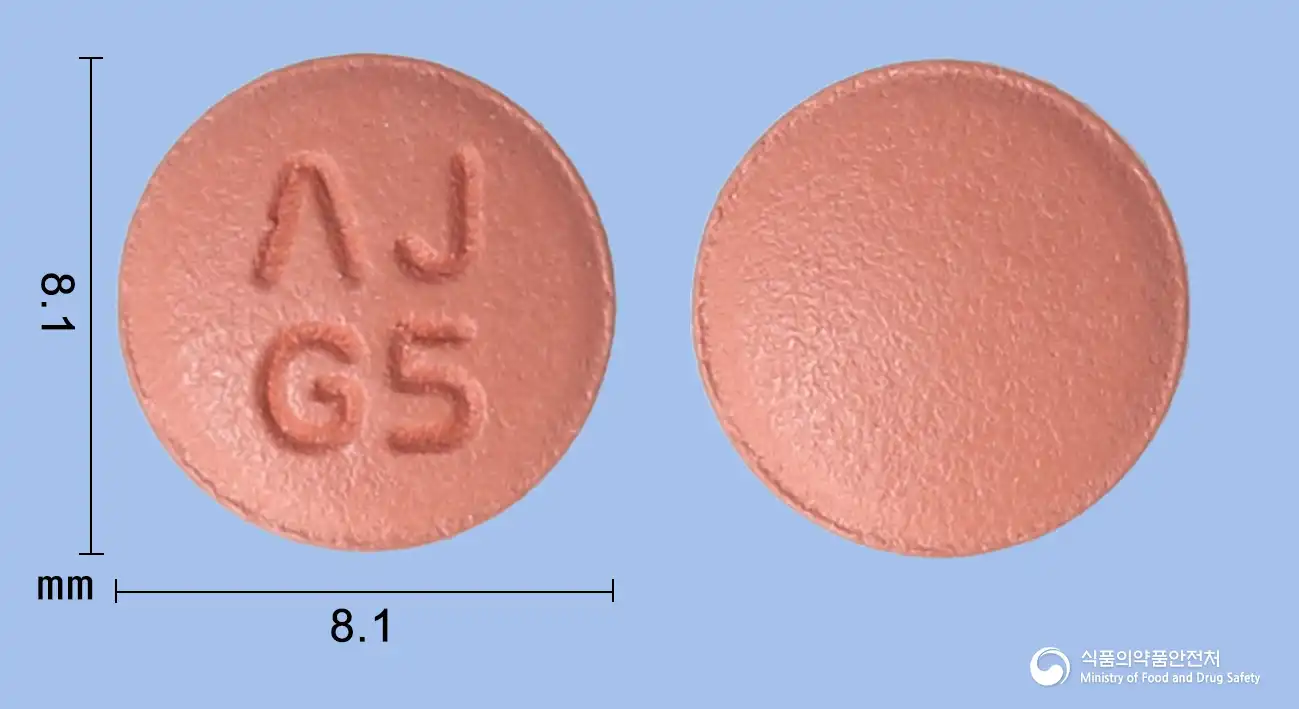
Linagliptin 5mg
Tablet · Prescription medication
Aju Pharmaceuticals Co., Ltd.
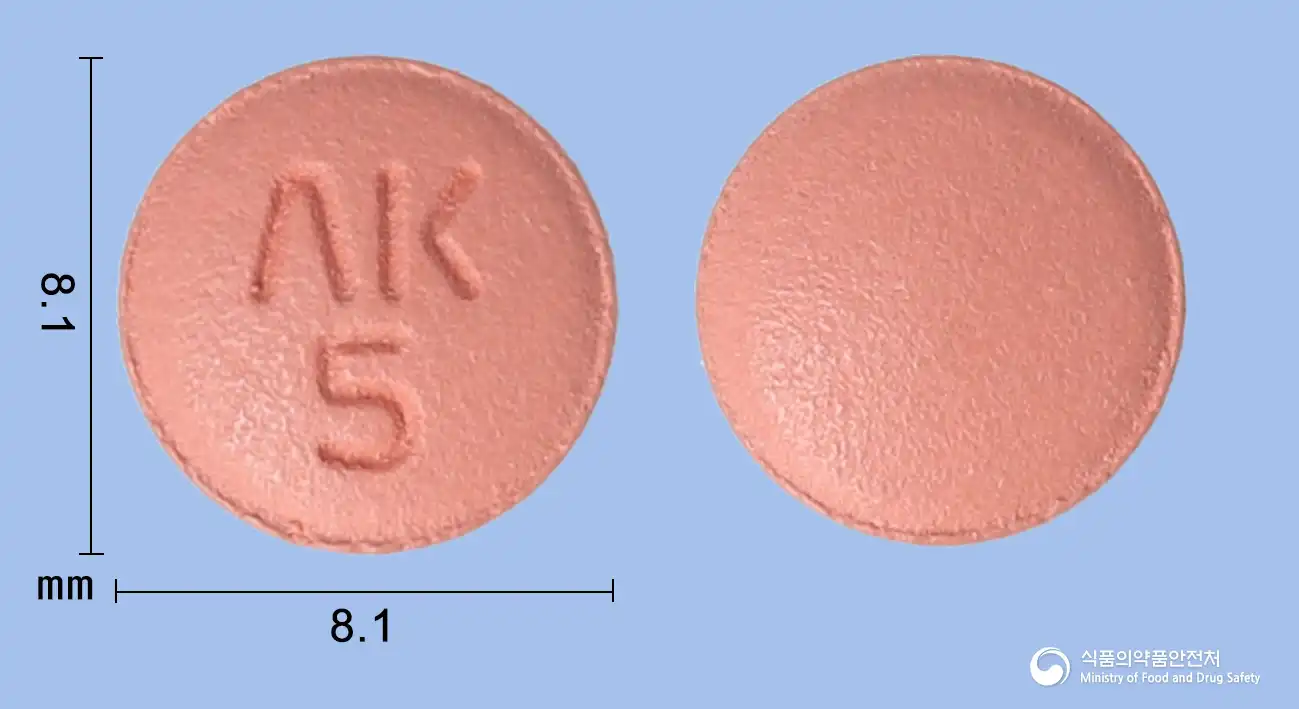
Linagliptin 5mg
Tablet · Prescription medication
Albozen Korea Co., Ltd.
Linagliptin 5mg
Tablet · Prescription medication
Anguk Pharmaceutical Co., Ltd.
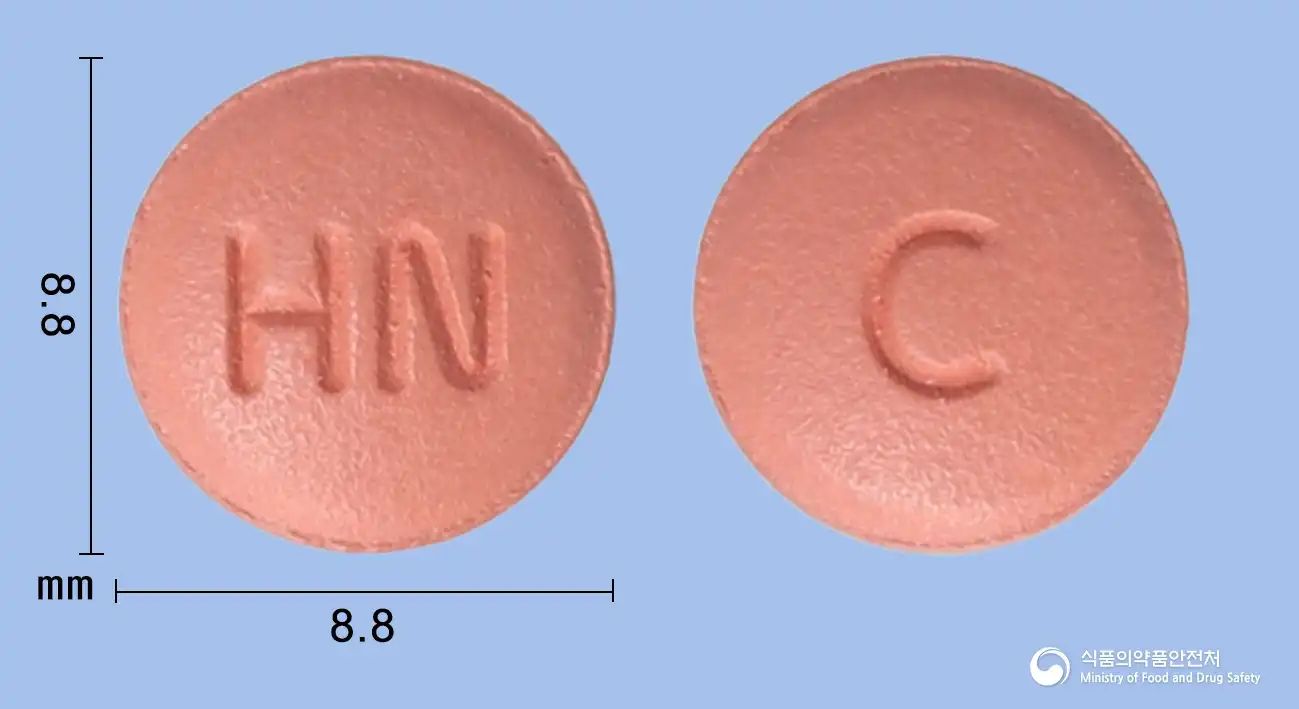
Linagliptin 5mg
Tablet · Prescription medication
Hana Pharmaceutical Co., Ltd.
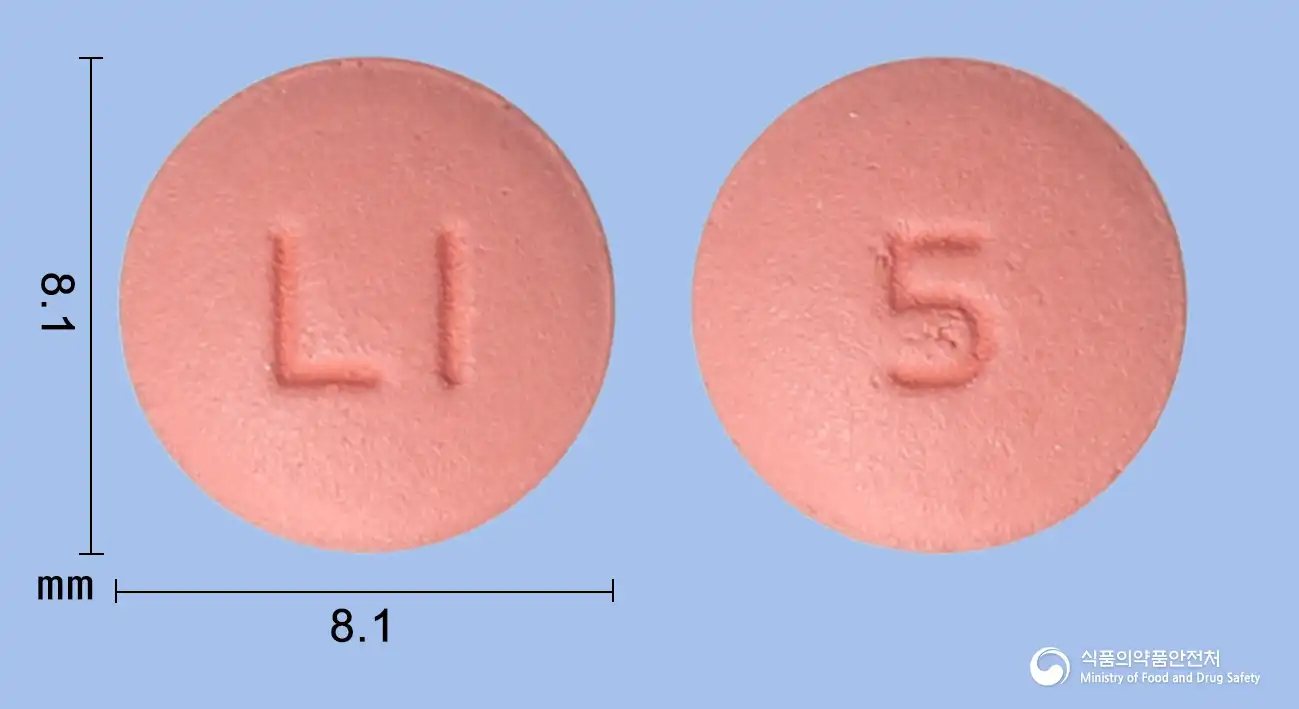
Linagliptin 5mg
Tablet · Prescription medication
Kyungdong Pharmaceutical Co., Ltd.
Even with the same ingredient, the dose and directions can differ by strength and dosage form. Talk to a doctor or pharmacist before switching from a medication you are already taking.
No questions yet.
For anything that needs medical judgment, consult a doctor or pharmacist.
This drug information is based on data provided by the Korea Ministry of Food and Drug Safety.
Consult a doctor or pharmacist for accurate dosage, administration, and usage instructions.