
 한국어
한국어 English
 日本語
日本語 中文(简体)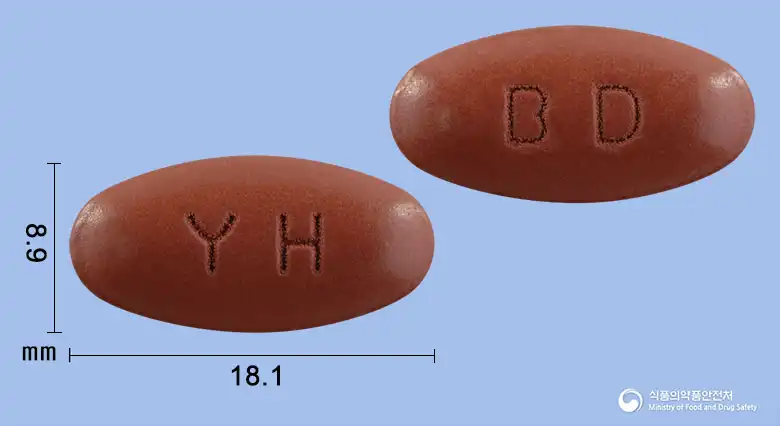
Summary
- Main use
- Relief of neuralgia and muscle pain, relief of stomatitis and dermatitis, reduction of pigmentation, prevention of gum bleeding, improvement of bone development, relief of peripheral blood circulation disorders
- Who takes it
- Adults · Children
- Adult dose
- Ages 8 and above and adults: 1 tablet once, taken twice a day
- Child dose
- Ages 8 and above: 1 tablet once, taken twice a day
Ingredients
- Benfotiamine50mg / 1 tablet
- Riboflavin Butyrate6mg / 1 tablet
- Pyridoxal Phosphate Hydrate2.5mg / 1 tablet
- Cyanocobalamin Powder 1%0.6mg / 1 tablet
- Ascorbic Acid Granules 97%515.5mg / 1 tablet
- Cholecalciferol Concentrate Powder5mg / 1 tablet
- Tocopherol Acetate Powder 50%100mg / 1 tablet
- Manufacturer
- (주)유한양행
Efficacy & effects
Relief of neuralgia and muscle pain, relief of stomatitis and dermatitis, reduction of pigmentation, prevention of gum bleeding, improvement of bone development, relief of peripheral blood circulation disorders
- Physical fatigue
- decreased stamina
- neuralgia
- muscle pain
- joint pain
- low back pain
- shoulder stiffness
- beriberi
- eye fatigue
- angular cheilitis
- cheilitis
- stomatitis
View approved original textHide original text
This medicine supports health by supplying vitamins B1, B2, B6, C, D, and E, which are necessary during physical fatigue, pregnancy and breastfeeding, physical decline during and after illness, growth periods, and old age. Vitamin B1 helps relieve neuralgia, muscle pain, joint pain, beriberi, and eye fatigue. Vitamin B2 alleviates symptoms of angular cheilitis, cheilitis, stomatitis, and glossitis as well as eczema and dermatitis. Vitamin C improves pigmentation such as melasma and freckles caused by sunlight and skin diseases and is effective in preventing gum bleeding and nosebleeds. Vitamin D improves inadequate bone and dental development and prevents rickets. Vitamin E alleviates symptoms such as peripheral blood circulation disorders, shoulder and neck stiffness, numbness and coldness of hands and feet associated with menopause. This medicine is used to improve various symptoms caused by overall vitamin deficiency.
How to take
Adult dose
Ages 8 and above and adults: 1 tablet once, taken twice a day
Child dose
Ages 8 and above: 1 tablet once, taken twice a day
Precautions
This medicine should not be taken by individuals with elevated calcium levels in their blood, unexplained systemic inflammatory diseases, or kidney diseases. Additionally, it should not be taken by individuals allergic to this medicine or its ingredients, infants under 3 months of age, or individuals with kidney stones. When taking this medicine, do not take it together with a medication called levodopa. Infants under 1 year of age, patients undergoing medical treatment, children who are exposed to sunlight frequently and normally eat, and individuals with conditions causing excessive excretion of oxalate in urine should consult a health professional before taking this medicine. Women who are pregnant or potentially pregnant, breastfeeding women, premature babies, and infants should also consult a doctor before taking it because vitamin D can affect neonates through breast milk. Patients with gout or a history of kidney stones should also be cautious. If symptoms such as nausea, vomiting, diarrhea, abdominal discomfort, skin rash, loss of appetite occur during use, discontinue use immediately and consult a professional. Caution is also needed if irregular menstruation or prolonged bleeding occurs. In particular, women taking oral contraceptives containing estrogen or individuals at risk of thrombosis should be careful as the risk of thrombosis may increase. Prolonged high doses of this medicine can lead to tolerance, and excessive intake of certain vitamins can cause neurological damage or hematological adverse reactions. In case of an overdose, consult a professional immediately, and if symptoms do not improve after taking for more than a month, stop taking it and consult a doctor. Strictly adhere to the prescribed dosage, and when giving to children, supervision by a guardian is necessary. This medicine may affect blood glucose detection in certain urine tests and can cause the urine to turn yellow, which may influence test results. When storing, keep it in a tightly sealed container away from children, avoid direct sunlight, and store it in a cool, dry place. Additionally, do not transfer it to another container to maintain quality.
Side effects and when to seek care immediately
Mild side effects
Nausea, vomiting, diarrhea, abdominal discomfort, constipation, rash, redness, loose stools, loss of appetite, abdominal bloating, changes in menstruation (occurring earlier or heavier than expected), prolonged bleeding, sensory neuropathy or neurological symptoms, hematological abnormalities, interference with glucose detection in urine tests, yellow discoloration of urine
Not everyone experiences these, and they can vary from person to person.
Interactions
Drug interactions
Do not take this medicine together with levodopa. Consult your doctor or pharmacist if you are taking it with oral contraceptives containing estrogen.
Storage
This medicine should be stored in a tightly sealed container to protect it from air and moisture. It is important to maintain a storage temperature of between 1 to 30 degrees Celsius. Doing so helps safely maintain the effectiveness of the medicine.
Appearance and packaging
Appearance
Reddish brown oval film-coated tablet
Package unit
60 tablets/bottle, 100 tablets/bottle, 120 tablets/box [60 tablets/bottle X 2]
Questions about this medicine
QCan my elementary school daughter take this too?
For children aged 8 years and older and adults, the recommended dosage is 1 tablet once, twice a day. If your child is under 8 years old or is taking other supplements, please inform the pharmacist about their age and the products they are taking and consult with them.
Answers 1 · 2026.09.14
For anything that needs medical judgment, consult a doctor or pharmacist.