
 한국어
한국어 English
 日本語
日本語 中文(简体)
 Viewing now
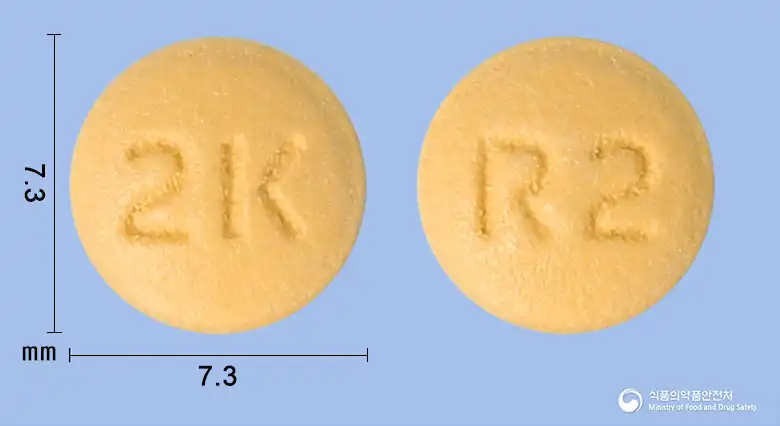
Ravegan Tablets 20mg (Rabeprazole Sodium)
Rabeprazole Sodium 20mg
Tablet · Prescription medication
Geonil Biopharm Co., Ltd.
MFDS item code 201902161 · Approved 2019.04.09 · Insurance code 073001490
Treatment of gastric ulcers and gastroesophageal reflux disease (symptom relief, long-term maintenance)
This medication is used to treat digestive ulcers such as gastric ulcers and duodenal ulcers. It also alleviates the symptoms of erosive or ulcerative gastroesophageal reflux disease and is effective as a long-term maintenance therapy for gastroesophageal reflux disease. It is administered in combination with antibiotics for patients with gastrointestinal ulcers infected with Helicobacter pylori. It is also used to treat Zollinger-Ellison syndrome. Overall, it is utilized to improve and treat symptoms related to gastric and esophageal disorders.
Gastric ulcer, duodenal ulcer: Typically, for adults, Rabeprazole sodium should be administered orally once daily at a dose of 10 mg. Depending on symptoms, it may be increased to 20 mg once daily. Generally, it is administered for up to 8 weeks for gastric ulcers and up to 6 weeks for duodenal ulcers. Erosive or ulcerative gastroesophageal reflux disease: 10 mg or 20 mg once daily for 4 to 8 weeks. If treatment is not effective after 8 weeks, additional therapy may be required.
Safety in pediatric patients has not been established.
This medication should not be used in patients with allergies to specific components or a history of hypersensitivity. Caution is required if there are allergies to penicillin or macrolide antibiotics, particularly during Helicobacter pylori eradication therapy. It is generally safe for pregnant or breastfeeding women to avoid taking this medication. Patients with compromised liver function or the elderly should be closely monitored while using this medication. During treatment, hypersensitivity reactions such as skin rashes, itching, and hives may occur; if these symptoms arise, discontinue use immediately. Regular blood tests and liver function tests are necessary, and if any abnormal signs are detected, discontinue the medication and follow the doctor's instructions. Cardiac symptoms or gastrointestinal abnormalities have also been reported, so consult medical staff immediately if symptoms occur. Long-term use can result in side effects such as osteoporosis or hypomagnesemia, so regular check-ups may be needed. This medication may increase the risk of bacterial infections in the stomach by suppressing gastric acid secretion, hence if diarrhea or other abnormal symptoms persist, consult a doctor. Caution is also advised while driving or operating machinery, as drowsiness may occur. This medication may interact with other drugs, so be sure to inform medical staff of any other medications being taken. This medication should not be chewed or crushed; it should be swallowed whole in tablet form. Store out of reach of children in a safe place, and it is advisable not to transfer it to another container.
Hives, severe swelling (edema), chest tightness, difficulty breathing, blood disorders including agranulocytosis, hemolytic anemia, aplastic anemia, fulminant hepatitis, liver dysfunction, jaundice, angina, pulmonary embolism, ventricular tachycardia, thrombotic vein inflammation, serious skin reactions (toxic epidermal necrolysis, Stevens-Johnson syndrome, erythema multiforme), acute interstitial nephritis, and seizures.
Rash, itching, blood disorders (anemia, eosinophilia, neutrophilia, lymphopenia, thrombocytopenia, hemolytic anemia), elevated ALT, AST, ALP, γ-GTP, LDH, total bilirubin, hypertension, myocardial infarction, electrocardiogram abnormalities, migraine, syncope, angina, various blockages, palpitations, and bradycardia.
Not everyone experiences these, and they can vary from person to person.
This medication may be sensitive to air or moisture, so it should be stored in a tightly sealed container. It is also advisable to maintain the storage temperature between 1 and 30 degrees Celsius at room temperature to prolong its effectiveness.
Pale yellow round enteric-coated tablet
28 tablets (14 tablets/Alu Alu packaging x 2)
Even with the same ingredient, strength, dosage form and how it is taken can differ.
Viewing nowRabeprazole Sodium 20mg
Tablet · Prescription medication
Geonil Biopharm Co., Ltd.
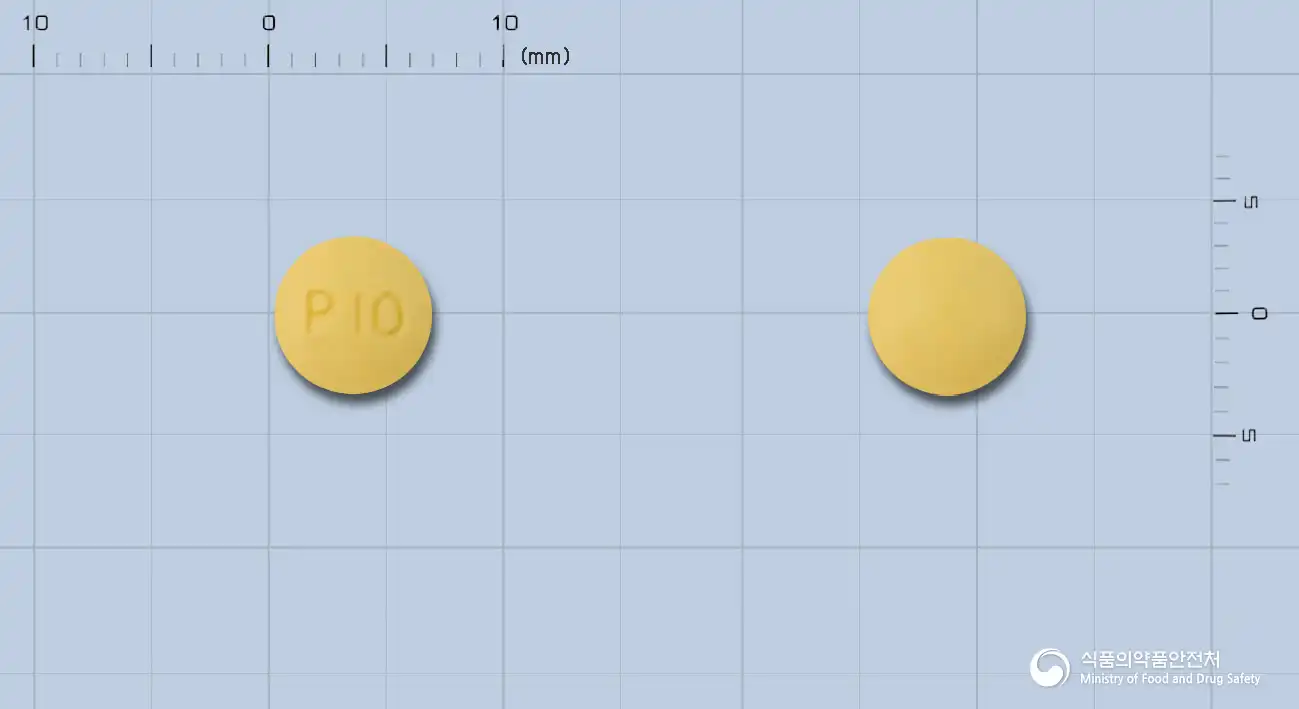
Rabeprazole Sodium 10mg
Tablet · Prescription medication
Genewon Sciences Co., Ltd.
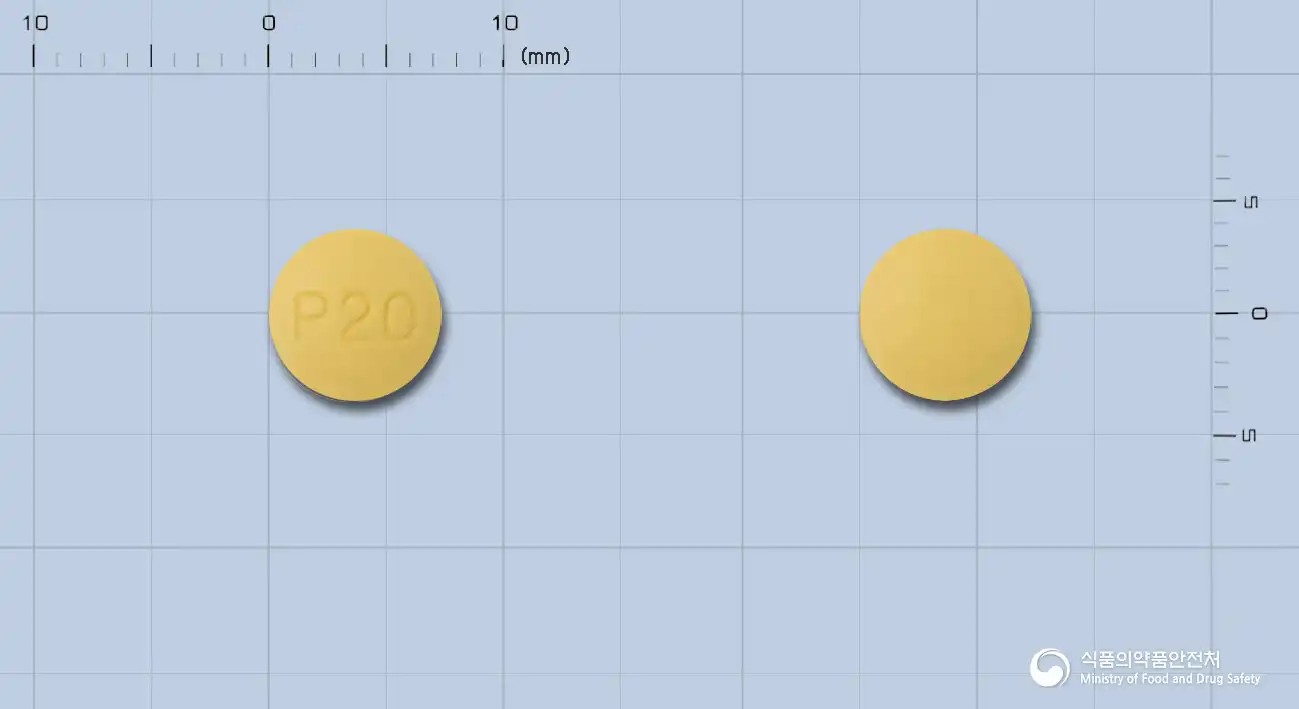
Rabeprazole Sodium 20mg
Tablet · Prescription medication
Genewell Science Co., Ltd.
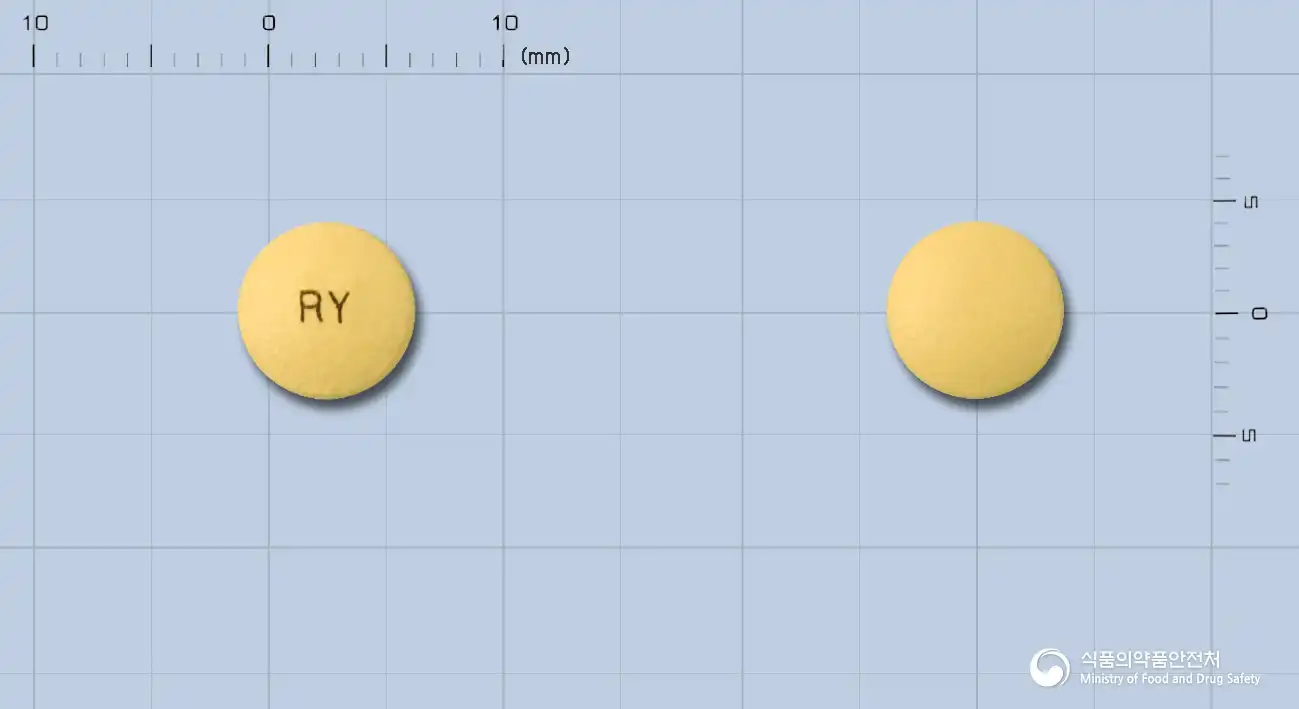
Rabeprazole Sodium 20mg
Tablet · Prescription medication
Ilyun Pharmaceutical Co., Ltd.
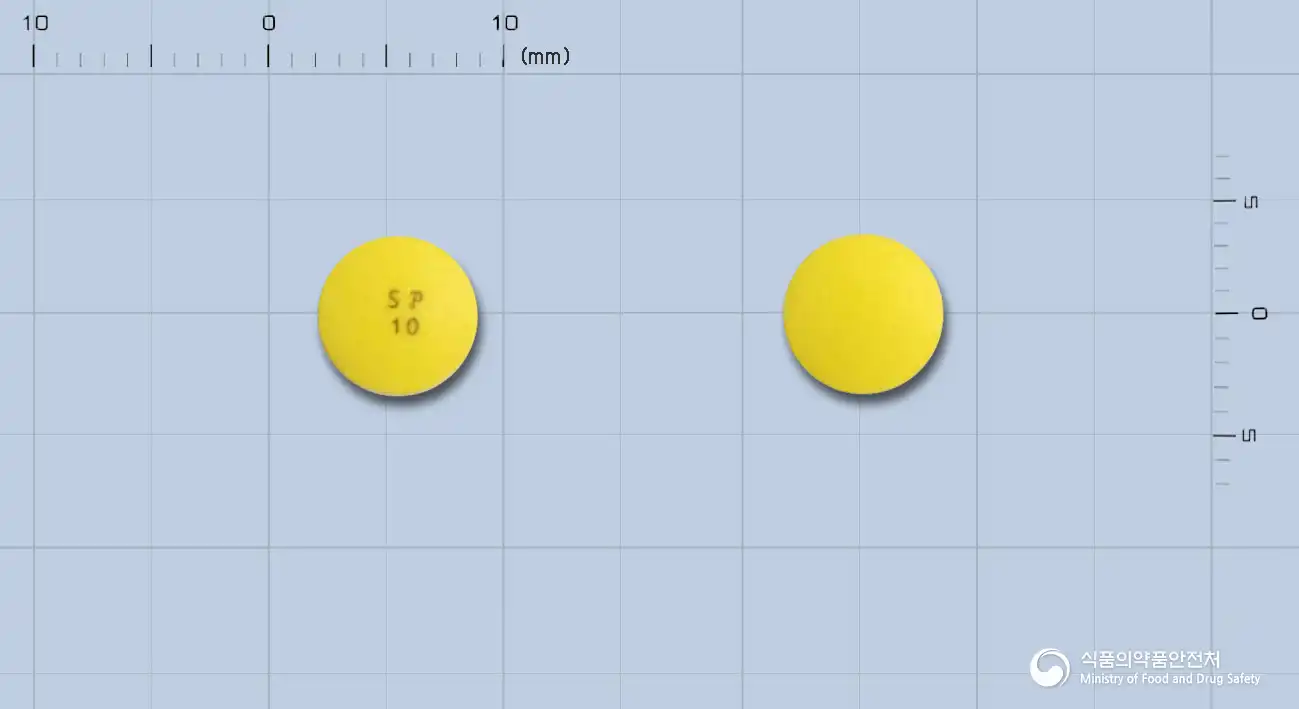
Rabeprazole Sodium 10mg
Tablet · Prescription medication
Shinpoong Pharm. Co., Ltd.
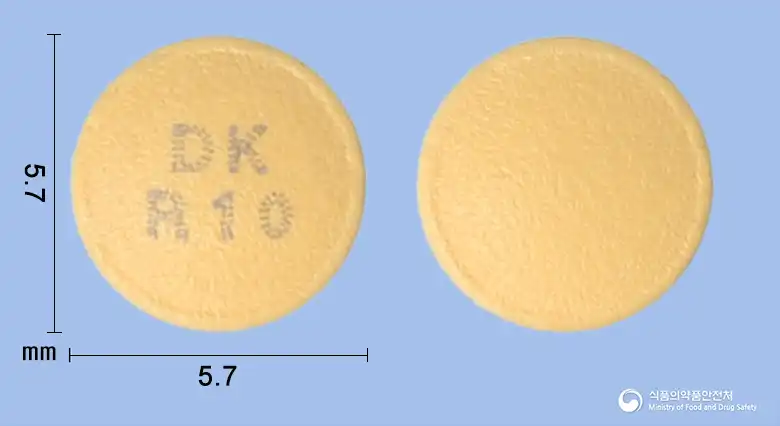
Rabeprazole Sodium 10mg
Tablet · Prescription medication
Dongkuk Pharmaceutical Co., Ltd.
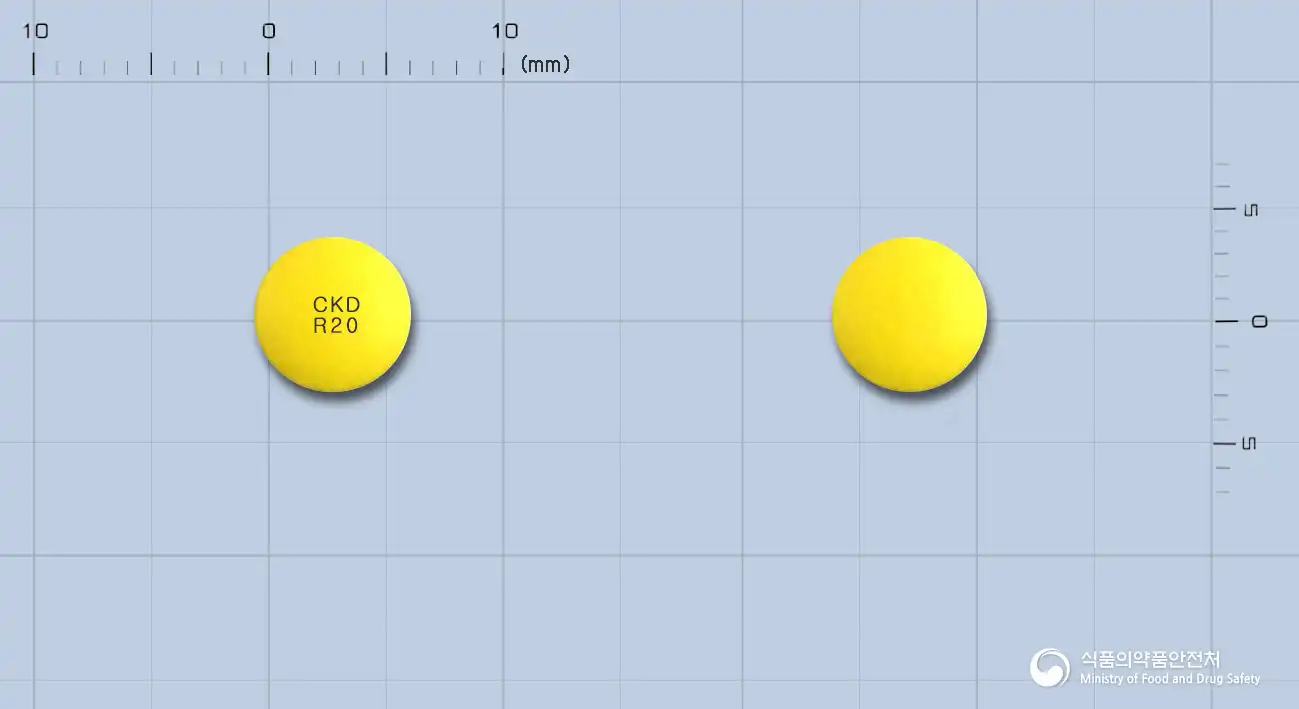
Rabeprazole Sodium 20mg
Tablet · Prescription medication
Jongkundang Co., Ltd.
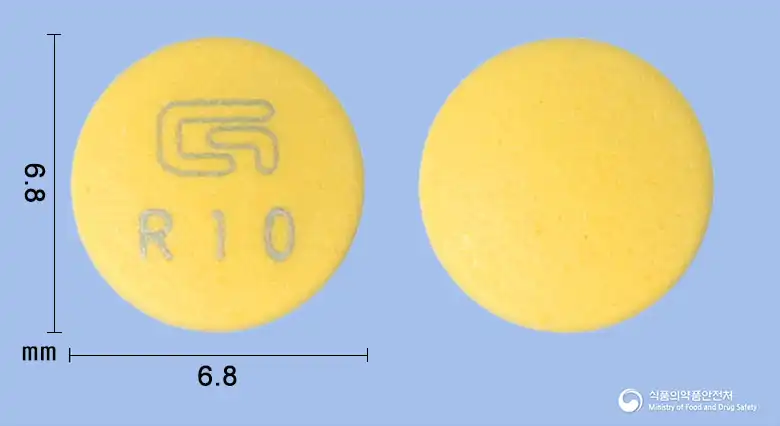
Rabeprazole Sodium 10mg
Tablet · Prescription medication
Donggwang Pharmaceutical Co., Ltd.
Even with the same ingredient, the dose and directions can differ by strength and dosage form. Talk to a doctor or pharmacist before switching from a medication you are already taking.
No questions yet.
For anything that needs medical judgment, consult a doctor or pharmacist.
This drug information is based on data provided by the Korea Ministry of Food and Drug Safety.
Consult a doctor or pharmacist for accurate dosage, administration, and usage instructions.