
 한국어
한국어 English
 日本語
日本語 中文(简体)
 Viewing now
Acleclair 200 mg Tablet (Acyclovir)
Acyclovir 200mg
Tablet · Prescription medication
You & Life Sciences Co., Ltd.
MFDS item code 201800308 · Approved 2018.01.23
Treatment of herpes simplex and shingles (acute pain) and improvement of chickenpox
This medication is primarily used to treat and prevent herpes simplex virus infections of the skin and mucous membranes, including primary and recurrent genital herpes. It is also effective in treating herpes zoster virus infections and is particularly helpful in alleviating acute pain. However, its efficacy in treating postherpetic neuralgia has not yet been clearly demonstrated. This medication is also used for the treatment of chickenpox in children over 2 years old. Overall, it is an effective drug for treating viral skin diseases.
1. Treatment of herpes simplex virus infection - 200 mg, 5 times a day at 4-hour intervals for 5 days - Treatment may be extended for severe primary infections - For severely immunocompromised patients or those with gastrointestinal absorption disorders, the dose may be increased to 400 mg per administration or intravenous administration may be considered 2. Prevention of herpes simplex infections in immunocompetent patients - 200 mg, 4 times a day at approximately 6-hour intervals or 400 mg, twice a day at 12-hour intervals
1. Treatment of herpes simplex infections and prevention of herpes simplex infections in immunocompromised patients - Aged 2 years and older: Follow adult dosage - Less than 2 years: Administer half of adult dosage 2. Chickenpox treatment in children aged 2 years and older
This medication should not be used in patients with a history of allergic reactions to this drug, its components, or valacyclovir. Additionally, since this medication contains lactose, it should not be taken by patients with genetic disorders that prevent lactose breakdown. Patients with poor kidney function should be cautious when using this medication, as neurological side effects can easily occur. Patients with impaired liver function should also use this medication carefully, as it may worsen liver function. Particular caution is required when administering this medication to children and elderly patients. Rarely, severe allergic reactions such as anaphylactic shock may occur while using this medication, so if symptoms like low blood pressure, difficulty breathing, or chest tightness occur, the medication should be stopped immediately and appropriate treatment should be sought. Skin reactions such as photosensitivity, rashes, or hives may occur, and if these symptoms appear, the medication should be stopped, and a doctor should be consulted. Severe skin conditions such as Stevens-Johnson syndrome or toxic epidermal necrolysis may manifest, so skin conditions should be closely monitored. This medication can affect mental status, causing various neuropsychiatric symptoms such as disturbances of consciousness, confusion, hallucinations, seizures, drowsiness, anxiety, etc., particularly more frequently in elderly patients or those with weak kidney function. There may also be effects on kidney function, resulting in symptoms like renal failure, hematuria, and proteinuria, so kidney status should be checked periodically. Blood-related side effects such as leukopenia, bleeding, and anemia may occur, so any abnormal symptoms should be reported immediately. Hepatic abnormalities such as hepatitis, jaundice, and elevated liver enzyme levels can occur, making liver function tests necessary. Gastrointestinal symptoms such as gastritis, vomiting, diarrhea, and abdominal pain may occur, and if these symptoms are severe, the medication should be stopped. It is important to maintain adequate hydration while using this medication to reduce the risk of dehydration and nephrotoxicity. To enhance therapeutic effectiveness, it is recommended to take the medication as soon as possible after the appearance of skin symptoms. When engaging in dangerous activities such as driving or operating machinery, caution should be taken due to potential disturbances in consciousness or drowsiness caused by side effects of this medication. Interactions may occur when used with other medications, especially those affecting the kidneys or in combination with certain drugs. Women who are pregnant or may become pregnant should carefully weigh the benefits and risks of this medication before use, and it is advisable not to take this medication while breastfeeding. This medication should be used with caution in children or newborns, especially when safety has not been established, and should only be used when absolutely necessary. Elderly patients may experience prolonged retention of the drug in the body due to reduced kidney function, so dosages and intervals should be adjusted, and adequate hydration is necessary. In case of overdose, serious side effects such as anxiety, coma, and seizures may occur, so medical consultation is essential, and treatment like dialysis may be necessary.
Hives, severe swelling (edema), chest tightness, difficulty breathing, cold sweat, paleness, anaphylactic shock, anaphylactic-like reactions, severe allergic reactions, severe skin adverse reactions (Stevens-Johnson syndrome, toxic epidermal necrolysis), yellowing of the skin or eyes (jaundice), liver abnormalities, sudden and severe headaches, confusion, vision disturbances, paralysis, serious neurological symptoms, markedly reduced urine output
Not everyone experiences these, and they can vary from person to person.
This medication should be stored in a tightly sealed container to prevent exposure to air and moisture. It is also advisable to keep it in a cool, dry place below 25 degrees Celsius.
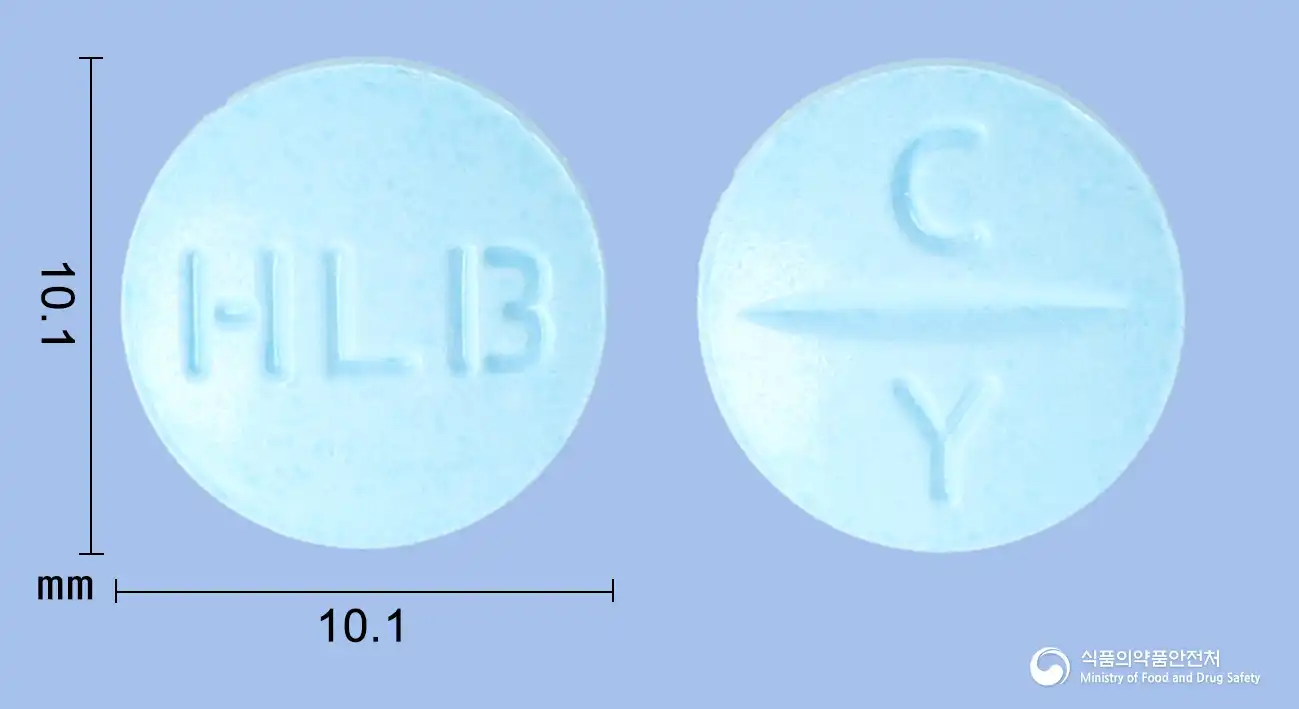
Light blue round tablet
100 tablets/bottle, 30 tablets/bottle
Even with the same ingredient, strength, dosage form and how it is taken can differ.
Viewing nowAcyclovir 200mg
Tablet · Prescription medication
You & Life Sciences Co., Ltd.

Acyclovir 200mg
Tablet · Prescription medication
Kyung dong Pharm Co., Ltd.

Acyclovir 200mg
Tablet · Prescription medication
SK Chemicals Co., Ltd.
Acyclovir
Prescription medication
Baskan Biopharmaceutical Co., Ltd.
Acyclovir 50mg
Cream · OTC medication
Dongkwang Pharmaceutical Co., Ltd.

Acyclovir 400mg
Tablet · Prescription medication
Kyung dong Pharm Co., Ltd.
Acyclovir 50mg
Cream · OTC medication
Kyungdong Pharmaceutical Co., Ltd.
Acyclovir 200mg
Tablet · Prescription medication
Vivozon Pharmaceutical Co., Ltd.
Even with the same ingredient, the dose and directions can differ by strength and dosage form. Talk to a doctor or pharmacist before switching from a medication you are already taking.
No questions yet.
For anything that needs medical judgment, consult a doctor or pharmacist.
This drug information is based on data provided by the Korea Ministry of Food and Drug Safety.
Consult a doctor or pharmacist for accurate dosage, administration, and usage instructions.