
 한국어
한국어 English
 日本語
日本語 中文(简体)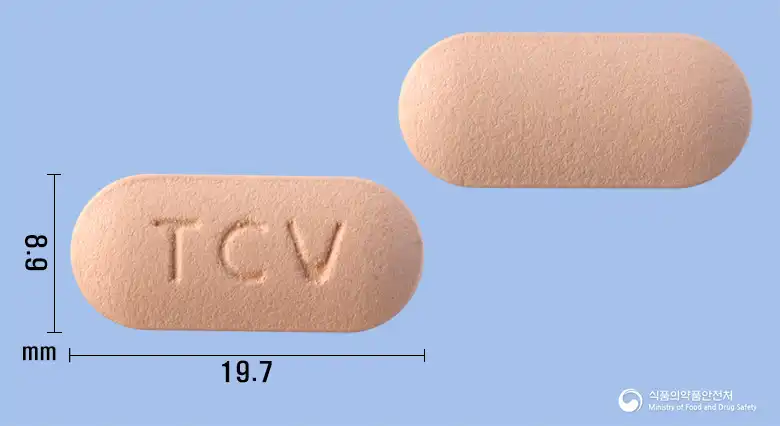
Summary
- Main use
- Improvement of bone and teeth development and prevention of rickets
- Who takes it
- Adults
- Adult dose
- Children over 12 years and adults: take 1 tablet once daily.
Ingredients
- Cholecalciferol Concentrate Powder5mg / 1 tablet
- Selenium In Dried Yeast33.33mg / 1 tablet
- Calcium Citrate Hydrate380mg / 1 tablet
- Magnesium Lactate Hydrate470mg / 1 tablet
- Zinc Sulfate Hydrate33mg / 1 tablet
- Manufacturer
- 미래바이오제약(주)
Efficacy & effects
Improvement of bone and teeth development and prevention of rickets
- Poor bone development
- poor tooth development
- rickets
View approved original textHide original text
Vitamin D helps maintain health when it is particularly needed during periods such as pregnancy, lactation, growth, and old age. The Vitamin D contained in this drug aids in the normal development of bones and teeth and is used to prevent developmental disorders of the bones such as rickets.
How to take
Adult dose
Children over 12 years and adults: take 1 tablet once daily.
Precautions
This medication should not be taken by patients with hypercalcemia, patients with sarcoidosis, and patients with renal disease. Those who are allergic to any ingredients in this medication should avoid taking it, and it should not be used by babies under 12 months old. Patients with kidney stones or severe renal failure symptoms should also refrain from taking this medication. Since this medication contains lactose, individuals with galactose intolerance, lactose deficiency, or hereditary issues that affect glucose-galactose absorption should avoid it. During the treatment, it is advisable not to take medications such as phosphates, calcium salts, oral tetracycline antibiotics, and antacids together with this medication. It is important to consult a doctor, dentist, or pharmacist before taking this medication in certain cases, such as when currently undergoing treatment, if pregnant or potentially pregnant, or if nursing. This is because Vitamin D can be transmitted to newborns through breast milk, potentially leading to excessive calcium levels in the blood. Extra caution is needed for individuals with gastrointestinal diseases such as peptic ulcers, chronic ulcerative colitis, localized colitis, or those with heart and circulatory dysfunction, kidney problems, or hypoproteinemia. Patients taking cardiac glycosides or those with a history of kidney stones should also consult before taking. If symptoms such as nausea, vomiting, diarrhea, constipation, hypotension, flushing of the face, irregular heartbeat, skin rash, red spots, cardiac arrest, central nervous system dysfunction, dermatitis, foul odor during sweating or breathing, hair loss, anxiety, gastrointestinal disorders, upper abdominal pain, or pulmonary edema arise while taking this medication, one should stop taking it immediately and consult an expert. Overdosage may present symptoms such as nausea, vomiting, hypernatremia, congestive heart failure, and edema, hence caution is advised. Prolonged use may lead to hypercalcemia or nephrolithiasis, so regular status checks are crucial. Furthermore, when taken with certain diuretics, it may elevate blood potassium levels, so care should be taken. Adherence to prescribed dosages and administration guidelines is essential, and it is generally advisable to avoid drinks containing tannins, such as green tea or black tea, before and after taking this medication. When storing, keep out of reach of children, avoid direct sunlight, and store in a cool, dry place. Also, to maintain the quality and prevent misuse, it is important not to transfer the medication to another container.
Side effects and when to seek care immediately
Mild side effects
- Nausea
- vomiting
- diarrhea
- constipation
- hypotension
- facial flushing
- irregular heartbeat
- skin rash
- red spots
- dermatitis
Show 13 moreCollapse
- foul odor during sweating and breathing
- hair loss
- anxiety
- gastrointestinal disorders
- digestive discomfort
- upper abdominal pain
- pulmonary edema
- hypernatremia
- congestive heart failure
- edema
- hypercalcemia
- nephrolithiasis
- hyperkalemia
Not everyone experiences these, and they can vary from person to person.
Interactions
Drug interactions
This medication should not be taken with phosphates, calcium salts, oral tetracycline preparations, or antacids. Also, consult with your doctor or pharmacist if taking concurrently with cardiac glycosides, anti-aldosterone agents, or triamterene.
Food interactions
This medication should be avoided with beverages that contain tannins, such as green tea or black tea, during or shortly before and after taking it.
Storage
This medication may be sensitive to air or moisture, thus it should be kept in a tightly sealed container. Moreover, it is advisable to avoid excessively hot or cold storage, keeping it in a room temperature between 1 and 30 degrees Celsius.
Appearance and packaging
Appearance
Light pink oblong film-coated tablet
Package unit
120 tablets/bottle
Questions about this medicine
No questions yet.
For anything that needs medical judgment, consult a doctor or pharmacist.