
 한국어
한국어 English
 日本語
日本語 中文(简体)
Dosage form image
Viewing nowTwo N T Cream 0.025% (Tretinoin)
Tretinoin 0.25mg
Cream · Prescription medication
TheU Pharmaceutical Co., Ltd.
MFDS item code 201604596 · Notified 2016.07.26
Reduces common acne and photodamage (fine wrinkles, hyperpigmentation)
This medication is used to reduce common acne, including typical acne, and fine wrinkles and hyperpigmentation caused by photodamage. It improves acne to support skin health and reduces skin damage due to photoaging to help maintain a more elastic and even skin tone. It has a comprehensive effect on improving skin conditions, assisting in healthy skin care.
Apply an appropriate amount to the affected area once a day (at bedtime) or twice a day. For treatment of sensitive skin, apply once a day or every other day. Adjust according to the symptoms.
This medication is in the form of a cream that contains the active ingredient tretinoin. This drug should not be used by certain patients. For example, it should be avoided by individuals who have had allergic reactions or hypersensitivity to this drug or its ingredients, those with a history or family history of skin papilloma, individuals with skin lesions such as eczema or abrasions, those recently severely sunburned, women who are pregnant or may become pregnant, and individuals with acute dermatitis or rosacea. Additionally, this drug contains an ingredient called propylene glycol, so those who have had allergic reactions to this substance should use it with caution. During use, the skin may become red, swollen, may develop blisters or scabs, and if such symptoms occur, use should be adjusted or discontinued. If there are symptoms of skin dryness or irritation such as tingling, itching, rash, or peeling, it is advisable to resume the treatment after the symptoms subside. Rarely, contact allergic reactions may occur, and prolonged use may cause temporary darkening or lightening of skin pigmentation. Moreover, this drug may increase skin sensitivity to sunlight, making the skin more sensitive to light; therefore, it is essential to use sunscreen and avoid direct sunlight during use. Wind, cold, and dry environments can also increase skin irritation, so caution is advised. In the initial stages of treatment, slight redness or peeling may occur as skin changes, and if severe irritation is felt, it may be necessary to reduce the frequency of use or lower the concentration. If severe irritation or persistent symptoms appear, usage should be stopped immediately and advice should be sought from a doctor or pharmacist. This medication may increase the risk of skin tumors if exposed to artificial UV lamps or sunlight, so UV exposure should be minimized as much as possible. Particularly, individuals who are often exposed to sunlight due to their profession or those who are sensitive to the sun should be more cautious by using sunscreen or protective clothing and scheduling days without application to manage exposure time. It should not be applied to areas with wounds or severe inflammation, and before application, the affected area should be cleaned with mild soap and care should be taken to avoid washing or scrubbing the skin too frequently. Cosmetics may be used, but astringent cosmetics should be avoided, and care should be taken to ensure products like hair perm solutions, waxes, medicated soaps, and shampoos do not come into contact with the skin. If hair is plucked, electrologically treated, or depilatory agents are used, skin irritation may occur, so it is advisable not to remove hair the night before application. Pregnant or breastfeeding women should not use this medication, and women who may become pregnant should confirm their pregnancy status before use. The safety and efficacy of this drug for children have not been sufficiently verified, so it should be used with caution. Using more than the prescribed amount does not enhance the effect and may actually worsen skin irritation, so the specified dosage and administration guidelines should be followed. This drug is for external use only and care should be taken to avoid contact with mucous membranes such as the eyes, nose, or mouth. If it comes into contact with the eyes, wash thoroughly with clean water, and if irritation persists, consult a medical professional. When storing, if in gel form, it is flammable, so keep it away from heat or flames, close the cap tightly, and store it out of reach of children.
Rarely, contact allergic reactions may occur.
Not everyone experiences these, and they can vary from person to person.
This medication may be sensitive to light; therefore, it should be stored in a container that blocks light. Additionally, it is best to store the medication at room temperature between 1 and 30 degrees Celsius. Storing it this way helps maintain the efficacy of the drug and prevents degradation.
Homogeneous cream that is white or light yellow
20 grams/tube
Even with the same ingredient, strength, dosage form and how it is taken can differ.
Tretinoin 0.25mg
Cream · Prescription medication
TheU Pharmaceutical Co., Ltd.
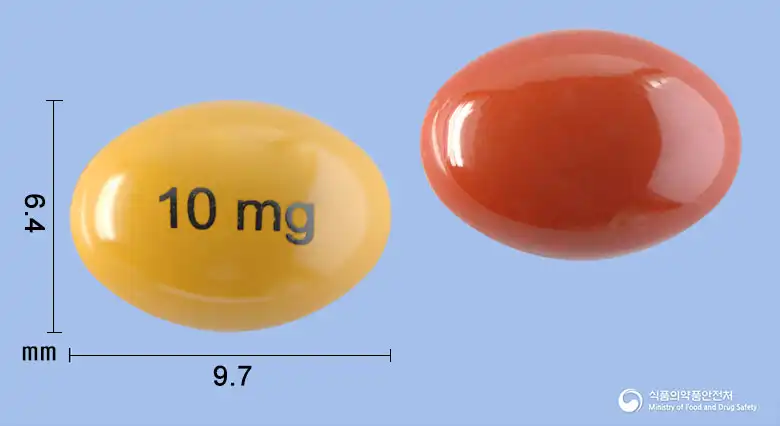
Tretinoin 10mg
Soft capsule · Prescription medication
D.K.E.S.H. Korea Co., Ltd.
Tretinoin 0.25mg
Cream · Prescription medication
Nanopharm Co., Ltd.
Tretinoin 0.5mg
Cream · Prescription medication
GlaxoSmithKline Co., Ltd.
Tretinoin 0.1mg
Cream · Prescription medication
GlaxoSmithKline Co., Ltd.
Tretinoin 0.25mg
Cream · Prescription medication
GlaxoSmithKline Co., Ltd.
Tretinoin 0.02g
Solution · Prescription medication
NanoPharm Co., Ltd.
Even with the same ingredient, the dose and directions can differ by strength and dosage form. Talk to a doctor or pharmacist before switching from a medication you are already taking.
No questions yet.
For anything that needs medical judgment, consult a doctor or pharmacist.
This drug information is based on data provided by the Korea Ministry of Food and Drug Safety.
Consult a doctor or pharmacist for accurate dosage, administration, and usage instructions.