
 한국어
한국어 English
 日本語
日本語 中文(简体)
Dosage form image
Viewing nowNew Grill Tablet (Glimpiride)
Glimepiride 2mg
Tablet · Prescription medication
SS Phar Co., Ltd.
MFDS item code 201604000 · Approved 2016.06.27
Improvement of blood sugar control in type 2 diabetes
This medication is used in conjunction with diet and exercise therapy to help control blood sugar levels in patients with type 2 diabetes. It can be used alone, and when blood sugar control is difficult with oral hypoglycemic agents or insulin alone, it can be used in combination to enhance treatment effectiveness. It can also be taken along with sulfonylureas or metformin when monotherapy is insufficient to improve blood sugar levels. This medication effectively aids blood sugar control and is used in the treatment of type 2 diabetes.
Individualized for each patient. Swallow without chewing with more than half a cup of water. Administered orally once a day, before breakfast or just before the first meal. Start at 1 mg of glimepiride once a day, and increase by 1 mg at intervals of 1 to 2 weeks as needed. Generally, there is minimal additional effect at doses above 4 mg, but can be increased up to 6 mg or 8 mg.
This medication should not be used in patients with insulin-dependent diabetes or severe liver or kidney dysfunction. Additionally, women who are allergic to this medication or its ingredients, pregnant, or breastfeeding should avoid taking it. Patients with infections or those undergoing surgery or with severe trauma are recommended to receive insulin therapy. In cases of gastrointestinal disorders, there is a risk of hypoglycemia due to impaired food absorption, so caution is needed. In the first week of treatment, there is a higher risk of hypoglycemia, so blood sugar levels should be carefully monitored. Particularly, elderly patients, those with poor nutritional status or irregular eating patterns, patients with compromised kidney or liver function, and individuals who frequently consume alcohol should be more cautious. Moreover, dosage adjustments may be necessary depending on other illnesses or medication regimens, so it is important to consult a doctor or pharmacist. This medication may cause hypoglycemic symptoms due to its blood sugar-lowering action, which can include headaches, severe hunger, nausea, fatigue, confusion, dizziness, and drowsiness. In cases of severe hypoglycemia, consciousness disorders or coma may occur, requiring immediate intake of sugar or assistance from medical personnel. Also, temporary visual disturbances or gastrointestinal symptoms such as nausea, vomiting, and abdominal pain may occur, and in rare cases, liver dysfunction or blood abnormalities may arise. If allergic reactions such as skin rashes, hives, or respiratory difficulties occur, stop taking the medication immediately and inform medical personnel. During the use of this medication, regular meals, exercise, and weight management are essential, and it is advisable to carry sugar at all times to prevent hypoglycemia. Additionally, inform other doctors or pharmacists about the use of this medication, and consider switching to insulin therapy in situations of stress or surgery. When taking this medication, start with a small dose and have regular blood sugar and urine tests. If its effectiveness is insufficient, alternative treatments may be considered. Be cautious while driving or operating machinery due to the risk of accidents from hypoglycemic symptoms. This medication can interact with several drugs, so when taking or discontinuing other medications, consult a doctor, especially regarding co-use with beta-blockers, alcohol, antibiotics, and steroids. It is safest for pregnant or breastfeeding women not to use this medication, and if needed, insulin therapy should be switched to.
Hives, severe swelling (edema), difficulty breathing, chest tightness, cold sweat, pallor, severe rashes with fever, blisters, skin peeling, pain in oral/eye mucosa, jaundice, extreme drowsiness, sudden and severe headaches, lightning headaches, seizures, altered consciousness, visual disturbances, paralysis, significantly decreased urine output, severe body edema with hypertension, anaphylaxis, angioedema, skin and mucosa syndrome (Stevens-Johnson syndrome).
Not everyone experiences these, and they can vary from person to person.
This medication should be stored in a tightly closed container to protect it from air and moisture. It is important to maintain a storage temperature between 1 degree and 30 degrees Celsius. This helps safely preserve the medication's effectiveness.
Green rectangular tablet
30 tablets, 300 tablets
Even with the same ingredient, strength, dosage form and how it is taken can differ.
Glimepiride 2mg
Tablet · Prescription medication
SS Phar Co., Ltd.
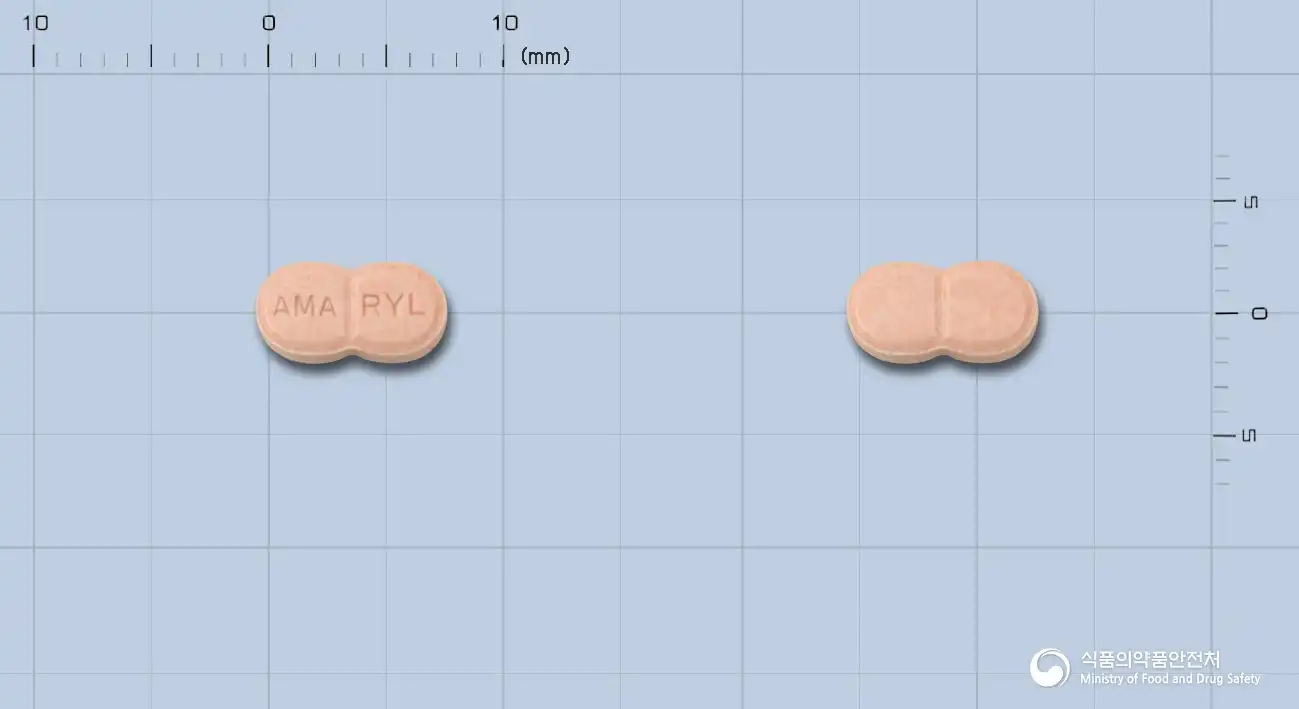
Glimepiride 1mg
Tablet · Prescription medication
Handok Co., Ltd.
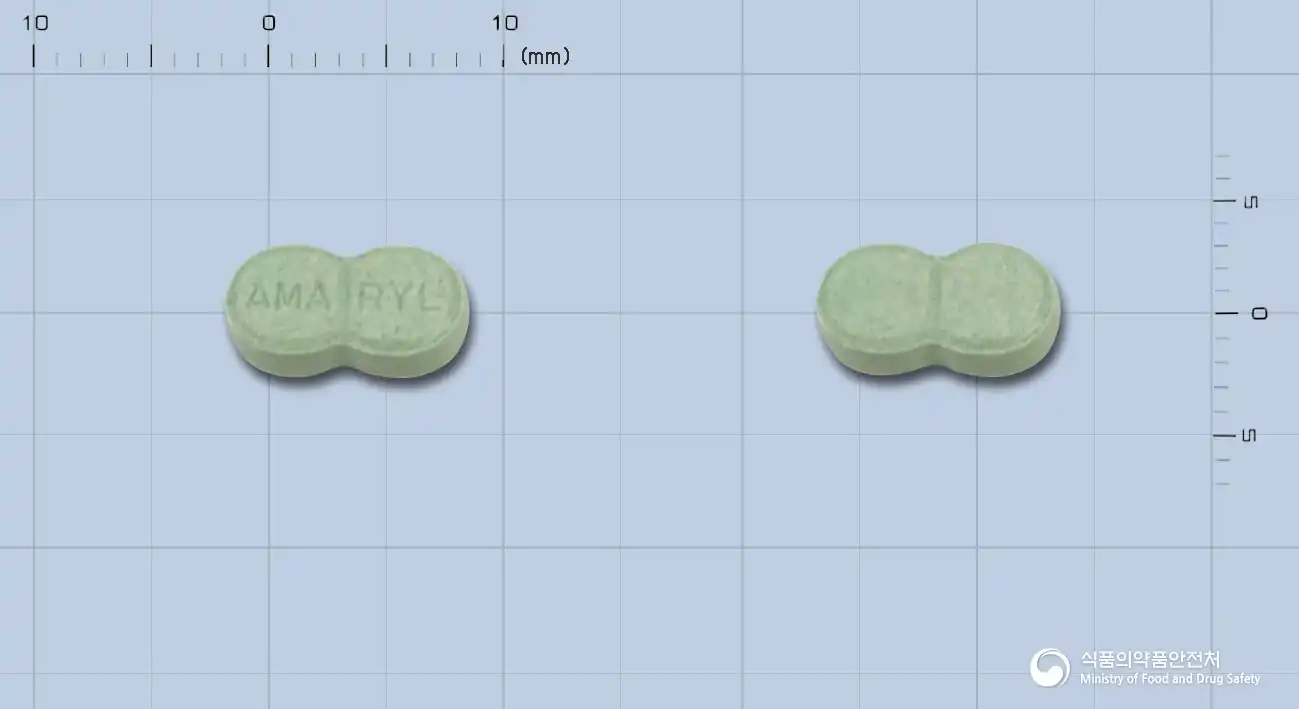
Glimepiride 2mg
Tablet · Prescription medication
Handok Co., Ltd.
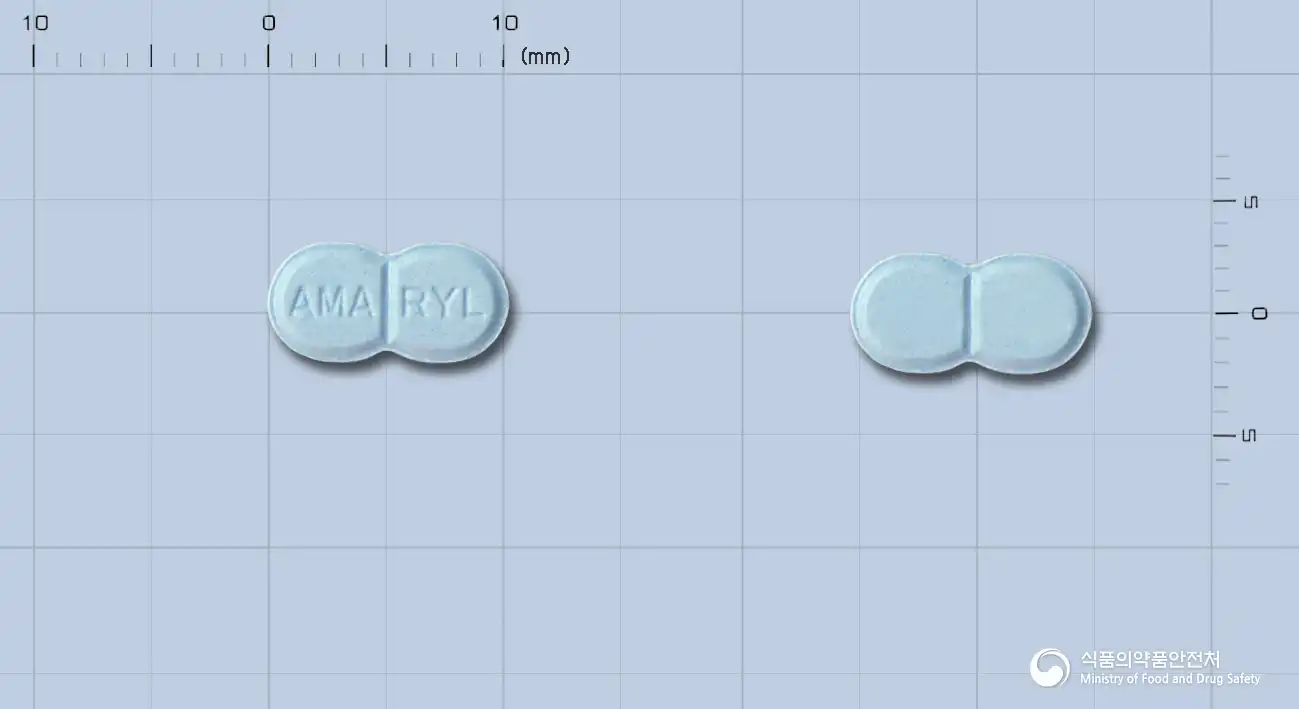
Glimepiride 4mg
Tablet · Prescription medication
(Hanmi Pharmaceutical Co., Ltd.)
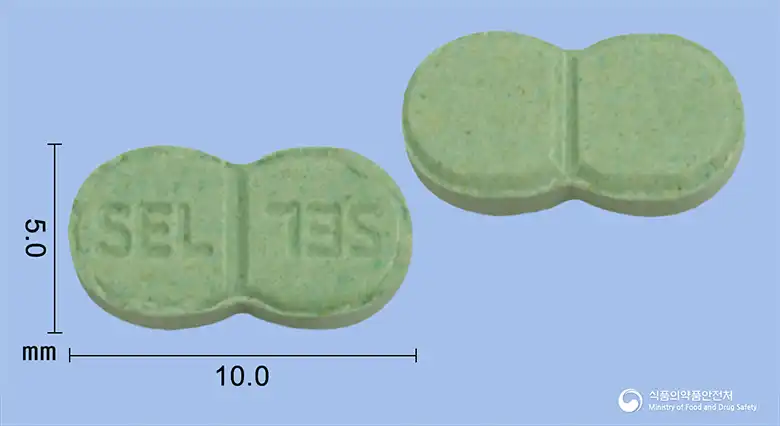
Glimepiride 2mg
Tablet · Prescription medication
Seoul Pharmaceutical Co., Ltd.
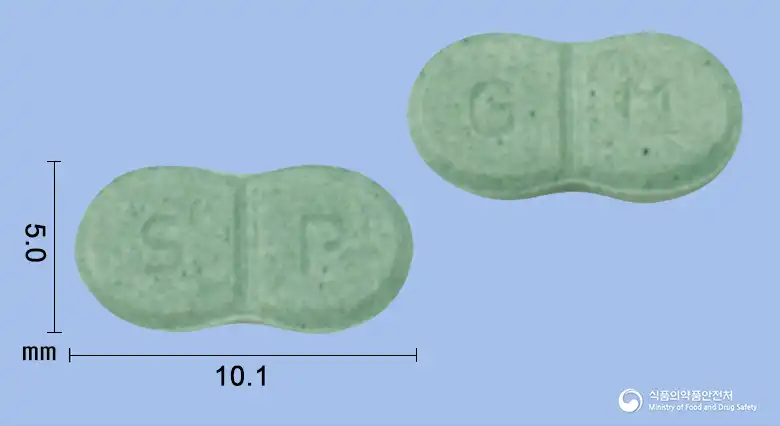
Glimepiride 2mg
Tablet · Prescription medication
Shinpoong Pharmaceutical Co., Ltd.
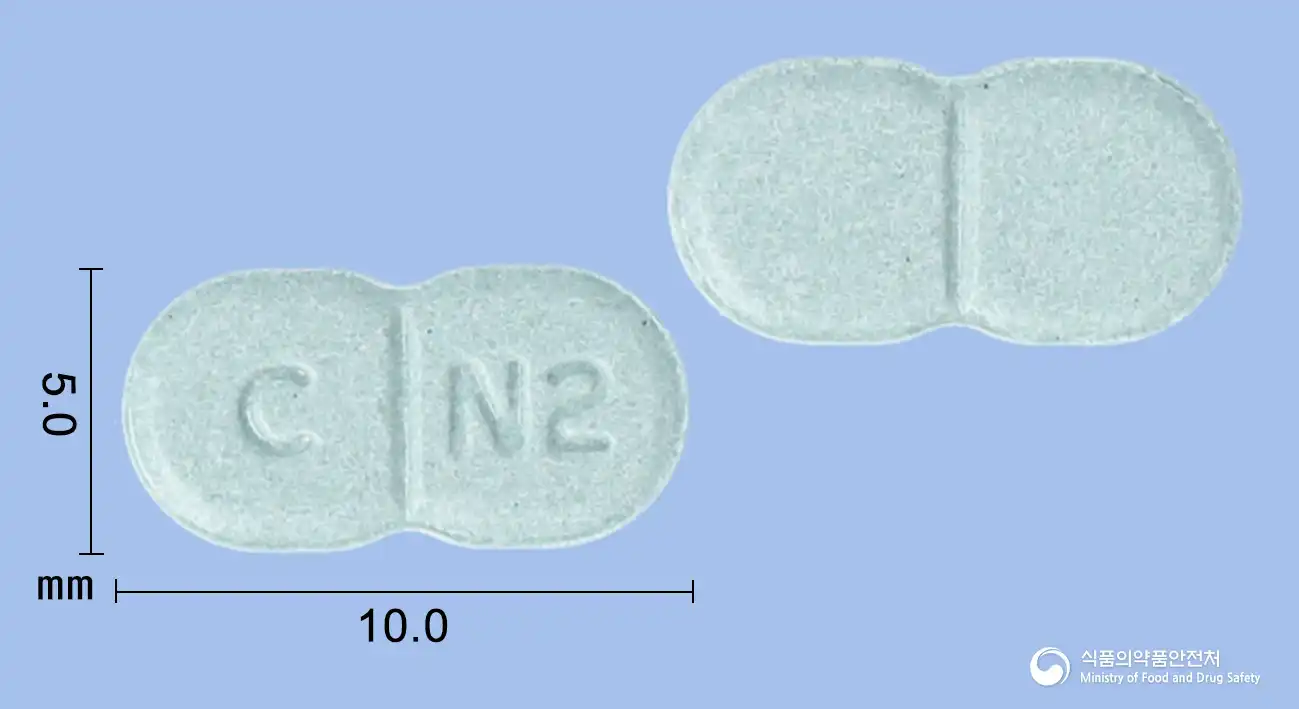
Glimepiride 2mg
Tablet · Prescription medication
Jongkundang Co., Ltd.
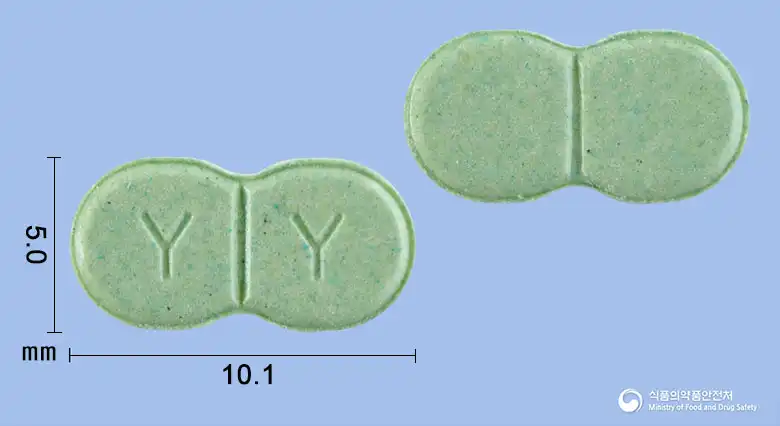
Glimepiride 2mg
Tablet · Prescription medication
IYun Pharmaceuticals Co., Ltd.
Even with the same ingredient, the dose and directions can differ by strength and dosage form. Talk to a doctor or pharmacist before switching from a medication you are already taking.
No questions yet.
For anything that needs medical judgment, consult a doctor or pharmacist.
This drug information is based on data provided by the Korea Ministry of Food and Drug Safety.
Consult a doctor or pharmacist for accurate dosage, administration, and usage instructions.