
 한국어
한국어 English
 日本語
日本語 中文(简体)
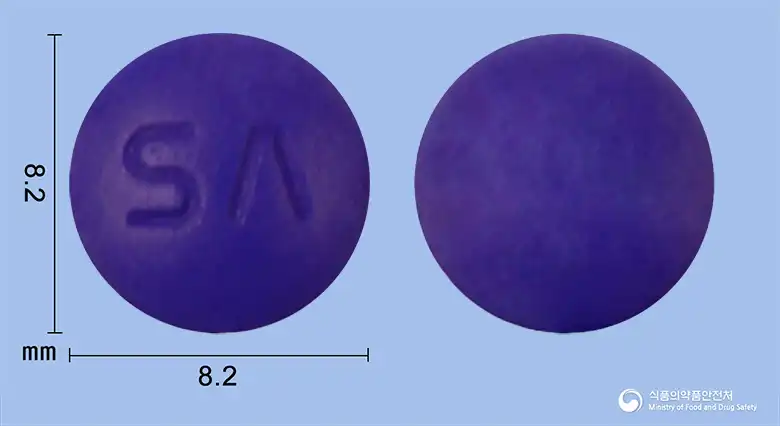
Dosage form image
Viewing nowCombinationOrochin EF Tablets
Dipotassium Glycyrrhizinate 33.33mg · Ascorbic Acid Coated 17.36mg +4 more
Tablet · OTC medication · Combination
Yuyu Pharmaceutical Co., Ltd.
MFDS item code 201506383 · Notified 2015.09.04
This product's status changed to Expired on 2025.09.04. It may no longer be sold, so consult a doctor or pharmacist before taking it.
Relief of symptoms of urticaria and eczema (such as skin itching)
This medicine is used for urticaria, eczema, and allergies and skin diseases that cause itching.
Adults and those over 15 years: 2 tablets per dose, 3 times a day. Dosing interval should be more than 4 hours.
Ages 8 to 14: 1 tablet per dose, 3 times a day. Dosing interval should be more than 4 hours.
This medicine should not be taken by infants under 3 months of age. Those who have had allergic reactions to this medicine or its components should avoid taking it. This medicine should not be taken by those currently taking MAO inhibitors, such as antidepressants and antipsychotics, or who have stopped taking them within the past two weeks. As it contains lactose, those with lactose intolerance or specific genetic metabolic disorders should not take this medicine. During treatment with this medicine, do not take other oral medications for rhinitis, cold medications containing antihistamines, motion sickness medications, allergy medications, or formulations containing diphenhydramine. Children aged 3 months to under 2 years should take this medicine only after consulting a doctor, and it is advisable to avoid taking it except in special cases. Those with allergic tendencies or a history of drug allergy symptoms, hypertension, heart disease, kidney disease, glaucoma, difficulty urinating, or other related diseases should consult a specialist before taking this medicine. Elderly persons, those currently undergoing treatment, or those with chronic cough or severe respiratory symptoms should also consult a doctor. If serious allergic reactions such as urticaria, swelling, or shortness of breath occur after taking the medicine, stop taking it immediately and consult medical staff. If symptoms such as swelling of the face or extremities, increased blood pressure, headache, muscle weakness appear, they may be side effects of this medicine, and immediate consultation with a specialist is required. If unusual symptoms such as rash, vomiting, loss of appetite, or difficulty urinating occur after taking the medicine, stop taking it and inform medical staff. Adhere to the prescribed dosage and precautions, and ensure that long-term use is avoided. When administering to children, guardians should observe and guide carefully. This medication may cause drowsiness, so it is safer to avoid driving or operating machinery. Alcohol should be avoided, and caution is needed when taking it in combination with certain diuretics or medications containing licorice as the risk of side effects may increase. Store this medicine in a tightly closed container to prevent air and moisture from entering. It is also recommended to keep it at room temperature, which should not be too cold or too hot, typically between 1 and 30 degrees Celsius.
Not everyone experiences these, and they can vary from person to person.
This medicine should be stored in a tightly sealed container to prevent air and moisture from entering. It is also best stored at room temperature that is not too cold or too hot, ideally between 1 and 30 degrees Celsius.
Black, round film-coated tablet
20 tablets (10 tablets/PTP X 2), 100 tablets (10 tablets/PTP X 10)
Even with the same ingredient, strength, dosage form and how it is taken can differ.
Dipotassium Glycyrrhizinate 33.33mg · Ascorbic Acid Coated 17.36mg +4 more
Tablet · OTC medication · Combination
Yuyu Pharmaceutical Co., Ltd.
 Combination
Dipotassium Glycyrrhizinate 33.33mg · Chlorpheniramine Maleate 1.33mg +4 more
Tablet · OTC medication · Combination
Sama Pharmaceutical Co., Ltd.
Even with the same ingredient, the dose and directions can differ by strength and dosage form. Talk to a doctor or pharmacist before switching from a medication you are already taking.
No questions yet.
For anything that needs medical judgment, consult a doctor or pharmacist.
This drug information is based on data provided by the Korea Ministry of Food and Drug Safety.
Consult a doctor or pharmacist for accurate dosage, administration, and usage instructions.