
 한국어
한국어 English
 日本語
日本語 中文(简体)
 Viewing now
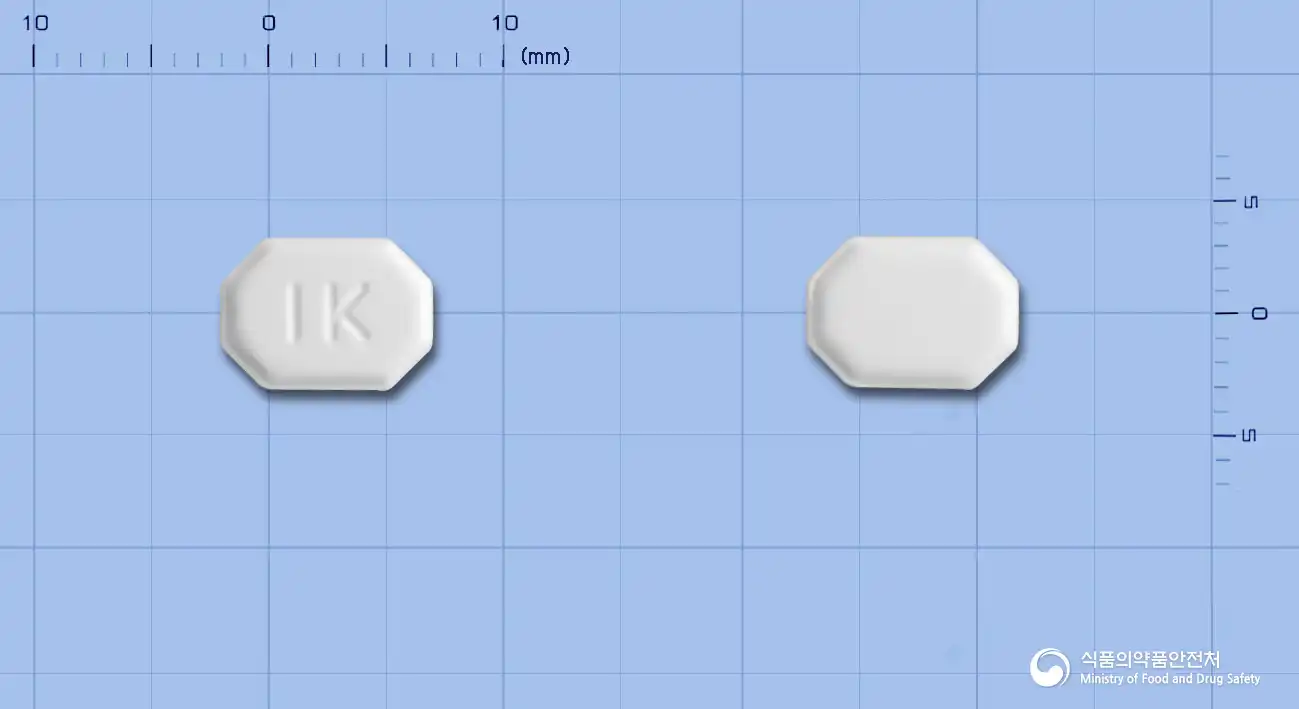
Novastin Tablets 5 mg (Amlodipine Besylate)
Amlodipine Besylate 6.944mg
Tablet · Prescription medication
Iksu Pharmaceutical Co., Ltd.
MFDS item code 201505007 · Approved 2015.07.23 · Insurance code 658501750
Treatment of myocardial ischemia due to hypertension and coronary artery disease (stable and variant angina) and reduction of the risk of hospitalization and vascular reconstruction procedures for angina.
This medication is used for hypertension, as well as myocardial ischemia due to stable angina and variant angina. Additionally, it helps reduce the risk of hospitalization for angina and the risk of coronary artery reconstruction procedures in patients recently diagnosed with coronary artery disease who do not have heart failure and have a cardiac output of over 40%. This drug effectively improves cardiovascular health and alleviates symptoms.
Adults should take 5 mg of amlodipine orally once daily, and the dosage may be increased to a maximum of 10 mg per day according to the patient's response. Dosage should be adjusted appropriately based on age and symptoms.
This medication should not be used in certain patients. Patients allergic to this drug or similar drugs, nursing women, patients with severe liver dysfunction, severe aortic stenosis patients, and patients in shock should not take this medication. Also, special caution should be taken for patients with severe hypotension, those requiring kidney dialysis, the elderly, and women who are pregnant or may become pregnant while taking this drug. While this drug is generally well tolerated, some patients may experience side effects such as flushing, fatigue, edema, palpitations, dizziness, headache, drowsiness, abdominal pain, nausea, weakness, lethargy, pain, weight gain/loss, hypotension, vasculitis, hypertonicity, sensory disturbances/paresthesia, peripheral neuropathy, syncope, taste disturbance, tremors, extrapyramidal disorders, erectile dysfunction, gynecomastia, changes in bowel habits, dry mouth, indigestion, gingival hyperplasia, pancreatitis, vomiting, hyperglycemia, arthralgia, lumbago, muscle cramps, myalgia, leucopenia. Rarely, various side effects such as blood pressure drop, vasculitis, neurological symptoms, erectile dysfunction, indigestion, weight changes, and hair loss have been reported. For patients with weak heart or liver function, the effect of this medication may last longer, so dosage adjustment and monitoring of their condition are necessary. This medication gradually lowers blood pressure, making it unsuitable for acute heart problems. While it is known not to significantly affect driving or machine operation ability, individual responses may vary, so caution is advised. This drug may have interactions when used with various other medications, so if other medications are being taken, it is essential to consult a doctor or pharmacist. In particular, taking it with grapefruit juice may cause an excessive blood pressure-lowering effect, so it is advisable not to consume them together. The safety of this medication has not been established for pregnant or nursing women, so it should only be used under a doctor's assessment when absolutely necessary, and discontinuation of breastfeeding is recommended. In children, this medication's efficacy has only been confirmed for those over 6 years old, and its safety and effectiveness have not been determined for children under 6.
Not everyone experiences these, and they can vary from person to person.
This medication is sensitive to light and should be stored in a container that does not allow light to enter. Additionally, it is important to maintain room temperature, specifically between 1 degree Celsius and 30 degrees Celsius, when storing the drug.
White octagonal tablet
30 tablets/bottle, 300 tablets/bottle
Even with the same ingredient, strength, dosage form and how it is taken can differ.
Viewing nowAmlodipine Besylate 6.944mg
Tablet · Prescription medication
Iksu Pharmaceutical Co., Ltd.
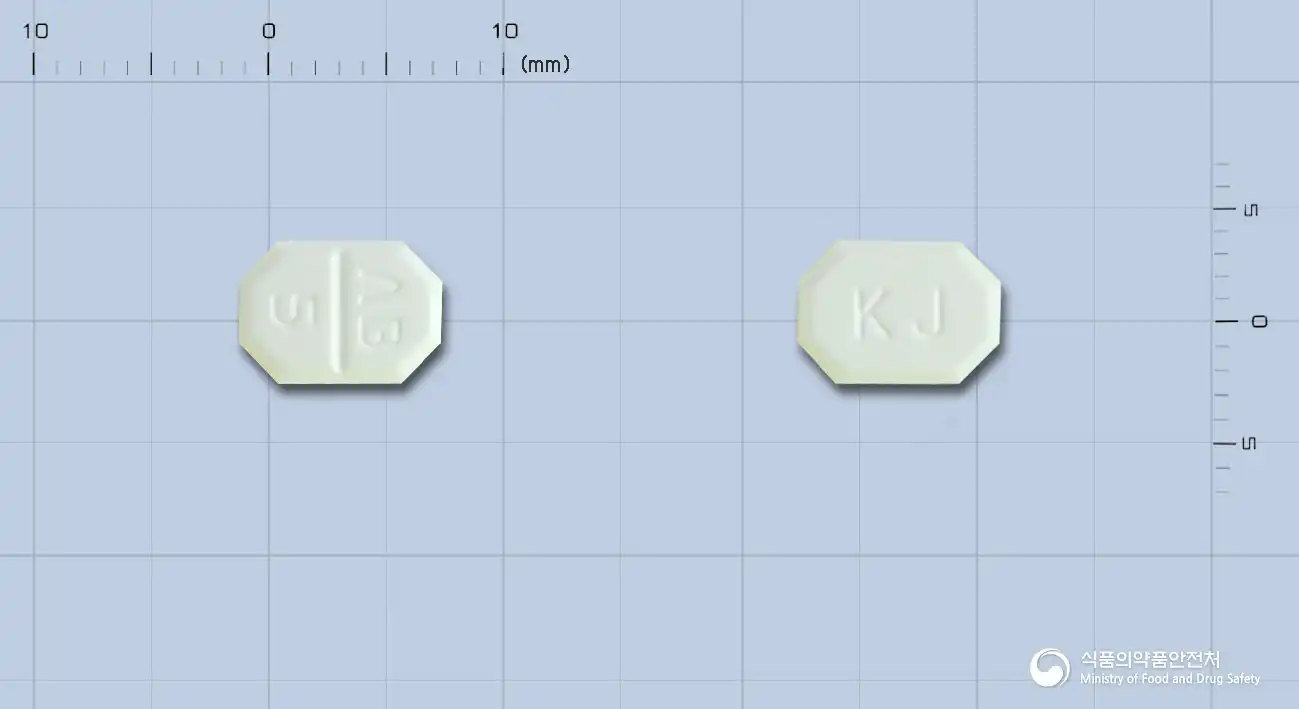
Amlodipine Besylate 6.94mg
Tablet · Prescription medication
International Pharmaceutical Co., Ltd.
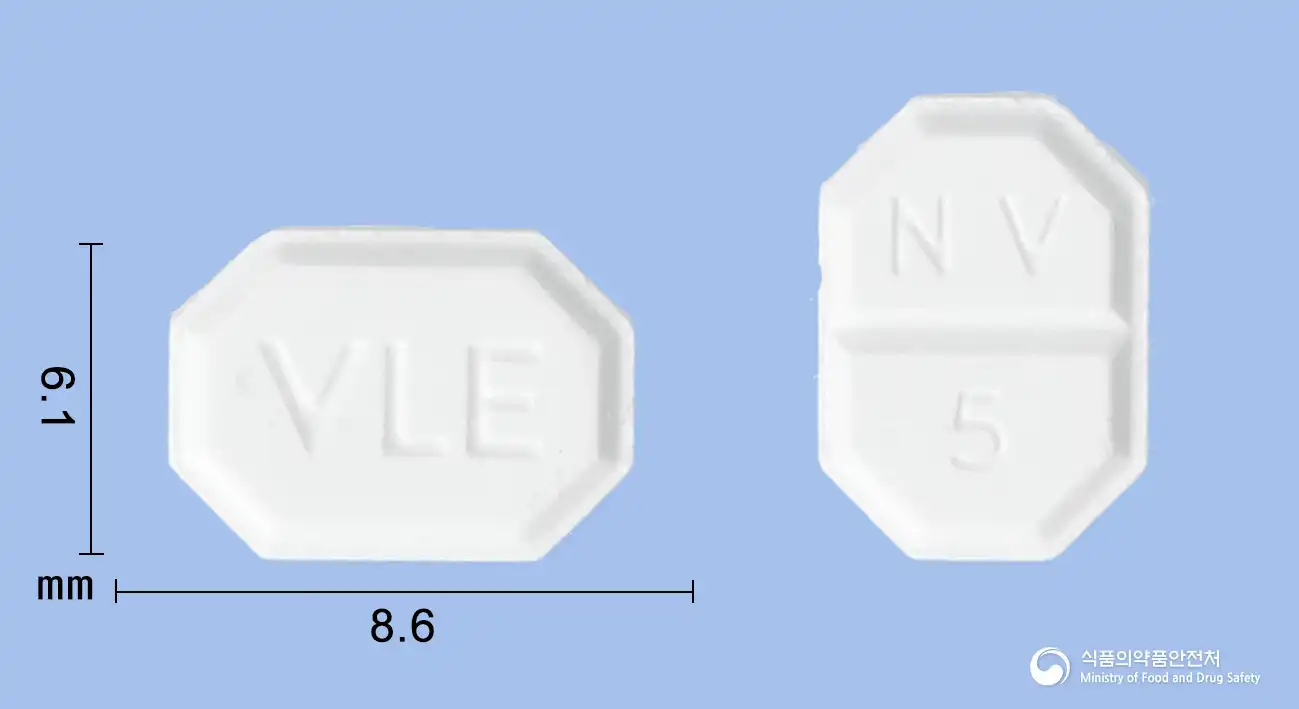
Amlodipine Besylate 6.944mg
Tablet · Prescription medication
Viatriss Korea Co., Ltd.
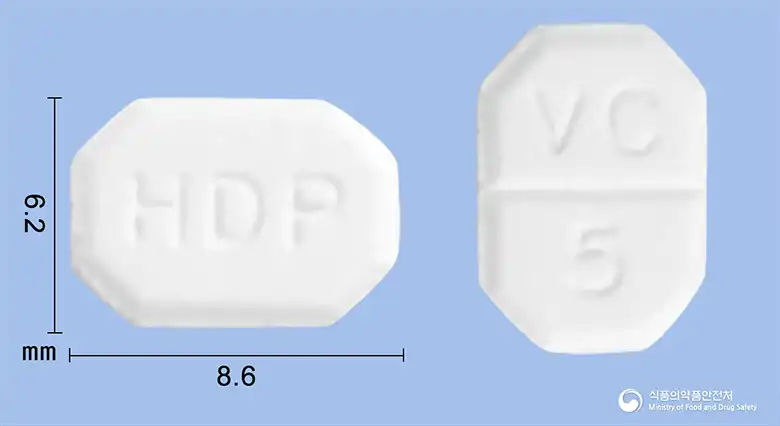
Amlodipine Besylate 6.944mg
Tablet · Prescription medication
Hyundai Pharmaceutical Co., Ltd.
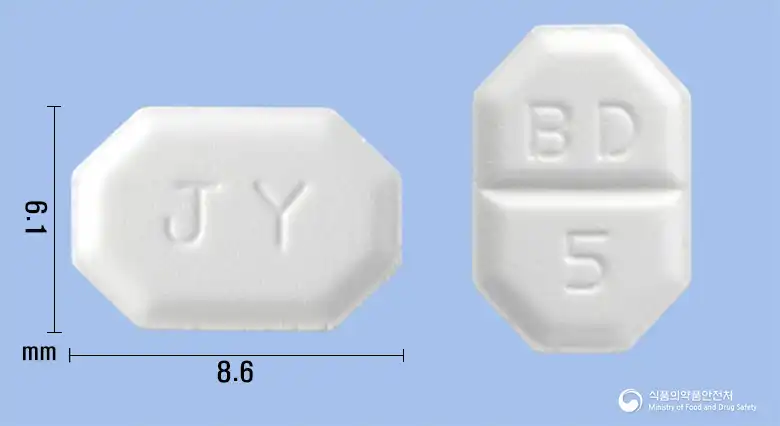
Amlodipine Besylate 6.944mg
Tablet · Prescription medication
Jinyang Pharmaceutical Co., Ltd.
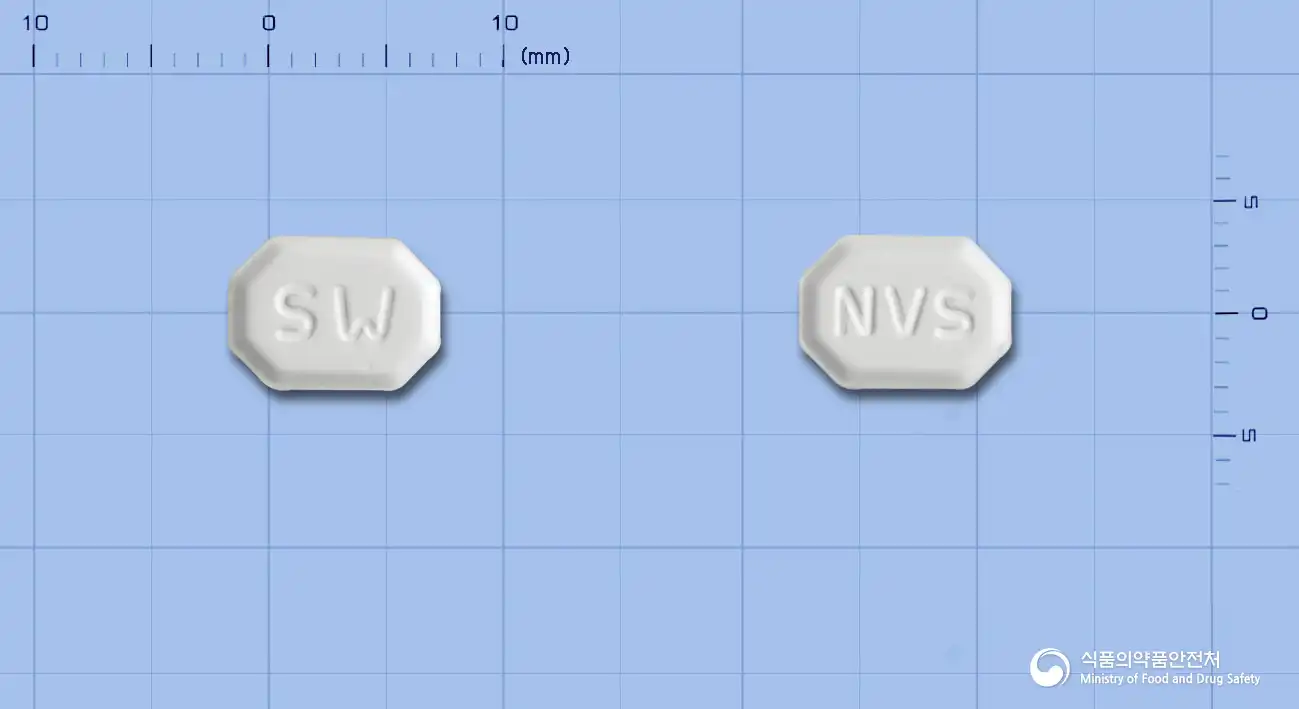
Amlodipine Besylate 6.944mg
Tablet · Prescription medication
Seongwon Adcock Pharmaceutical Co., Ltd.
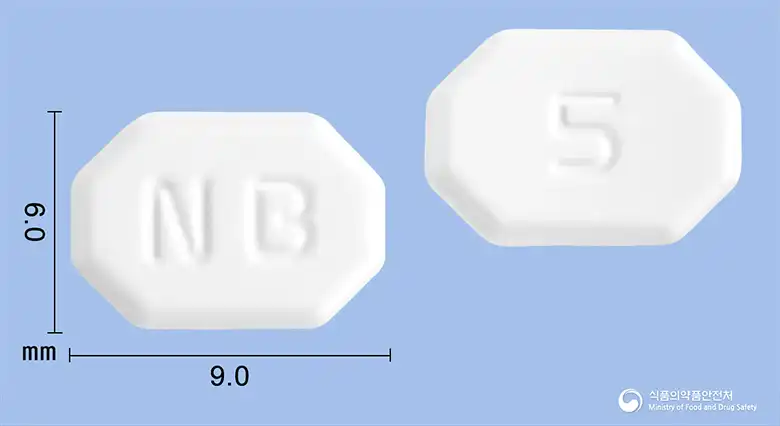
Amlodipine Besylate 6.944mg
Tablet · Prescription medication
KMS Pharmaceutical Co., Ltd.
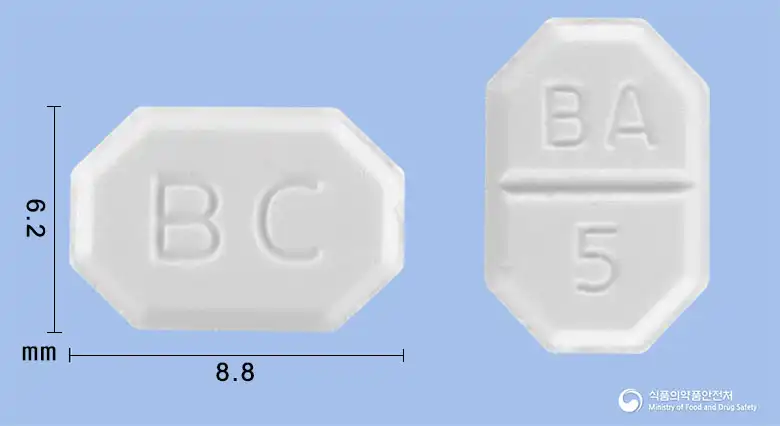
Amlodipine Besylate 6.944mg
Tablet · Prescription medication
BC World Pharmaceutical Co., Ltd.
Even with the same ingredient, the dose and directions can differ by strength and dosage form. Talk to a doctor or pharmacist before switching from a medication you are already taking.
No questions yet.
For anything that needs medical judgment, consult a doctor or pharmacist.
This drug information is based on data provided by the Korea Ministry of Food and Drug Safety.
Consult a doctor or pharmacist for accurate dosage, administration, and usage instructions.