
 한국어
한국어 English
 日本語
日本語 中文(简体)
 Viewing now
Montelukast Sodium 10 mg Tablets
Montelukast Sodium 10.4mg
Tablet · Prescription medication
DaeHwa Pharmaceutical Co., Ltd.
MFDS item code 201501422 · Approved 2015.03.18 · Insurance code 645604560
Prevention of asthma and relief of allergic rhinitis symptoms
This medication is used to prevent and maintain treatment for asthma. It also helps alleviate symptoms of allergic rhinitis that recur seasonally or throughout the year. Therefore, it is effective in managing respiratory-related allergic diseases.
Adults and adolescents aged 15 years and older should take montelukast once a day at 10 mg orally. It can be administered in the form of 10 mg tablets or 10 mg orally disintegrating film, and the orally disintegrating film should be placed on the tongue to dissolve without water. This medication should be taken one hour before a meal or two hours after a meal.
Children aged 6 to 14 years should take montelukast once a day at 5 mg, chewing it or placing it on their tongue to dissolve without water, in the form of 5 mg chewable tablets, 5 mg orally disintegrating tablets, 5 mg orally disintegrating film, or 5 mg dry syrup.
This medication contains the artificial sweetener aspartame, so patients with the genetic disorder phenylketonuria should avoid taking it. Care should be taken not to exceed the daily allowable intake of aspartame, and the appropriate dosage should be followed based on body weight. Individuals who are allergic or have hypersensitivity to the ingredients contained in this medication should not take it. Since it contains lactose, patients with genetic problems such as galactose intolerance, lactase deficiency, or glucose-galactose malabsorption should also avoid taking it. This medication is not used for acute asthma attacks, and immediate emergency treatment is needed if asthma symptoms suddenly worsen. It is important to always carry an appropriate emergency inhaler in case of an asthma worsening. When reducing the dosage of inhaled corticosteroids, it must be gradually adjusted according to a doctor’s instructions as sudden changes can be dangerous. During treatment, neuropsychiatric symptoms such as anxiety, depression, hallucinations, or suicidal thoughts may occur, so if such symptoms arise, immediate consultation with a physician is necessary. Do not use this medication alone to treat exercise-induced bronchoconstriction, and continue to use inhaled beta-agonists as needed. Patients with aspirin hypersensitivity should avoid taking aspirin or nonsteroidal anti-inflammatory drugs while using this medication. Rarely, severe vascular inflammatory symptoms such as vasculitis may occur, so if there are signs of eosinophilia, rash, or exacerbation of lung symptoms, inform a doctor immediately. This medication can be used in conjunction with other asthma treatments without significantly increasing adverse reactions, but should be taken according to a physician's instructions when used with specific drugs. During pregnancy, it should only be used after consulting a physician and should be done with caution during breastfeeding. Children and the elderly can also take it, but they should follow the physician’s guidance regarding age-specific dosages and safety. There is no specific antidote for overdose, so immediate medical treatment should be sought. This medication is sensitive to light, so it should be taken immediately after opening and kept in a place out of the reach of children. During treatment, if asthma symptoms worsen or unusual symptoms occur, consult a physician immediately and do not stop taking or switch to another medication without professional advice.
Hives, toxic epidermal necrolysis, Stevens-Johnson syndrome, angioedema, severe swelling (edema), severe allergic reaction, toxic epidermal necrolysis, Stevens-Johnson syndrome, systemic eosinophilia, vasculitis, liver adverse reactions (increased ALT and AST, cholestatic hepatitis, hepatocellular liver damage, mixed liver damage), severe allergic reaction, increased bleeding frequency, thrombocytopenia, angioedema, toxic epidermal necrolysis
Not everyone experiences these, and they can vary from person to person.
This medication should be stored in a tightly closed container, protected from air, moisture, and light. Additionally, it is preferable to store it in a cool place at room temperature between 1 to 30 degrees Celsius. By storing it this way, the effectiveness of the medication can be maintained for longer.
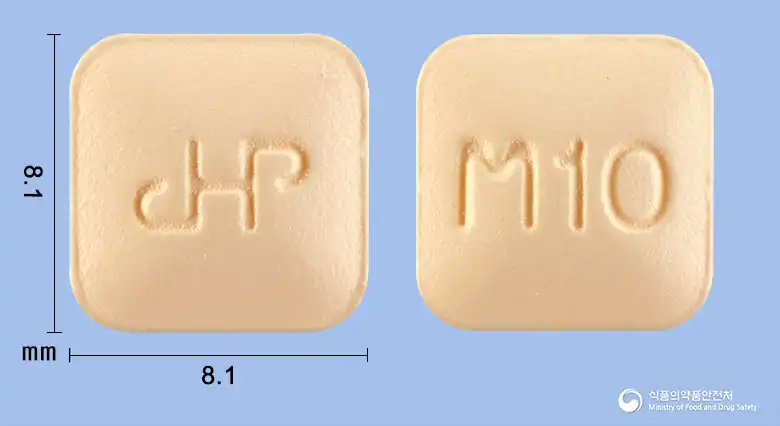
Beige film-coated tablet with a rounded rectangular shape
28 tablets (7 tablets/blister x 4)
Even with the same ingredient, strength, dosage form and how it is taken can differ.
Viewing nowMontelukast Sodium 10.4mg
Tablet · Prescription medication
DaeHwa Pharmaceutical Co., Ltd.
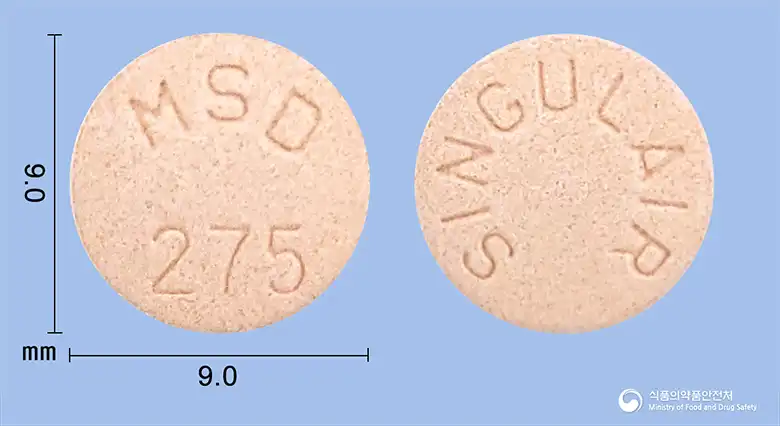
Montelukast Sodium 5.2mg
Chewable Tablet · Prescription medication
Korea Organon Co., Ltd.
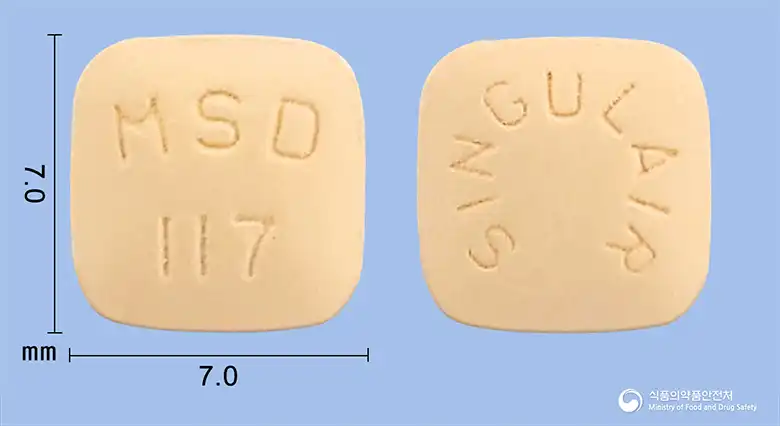
Montelukast Sodium 10.4mg
Tablet · Prescription medication
Korea Organon Co., Ltd.
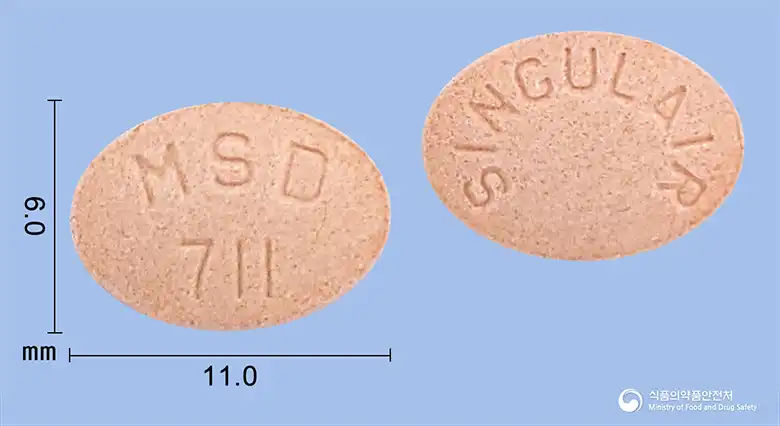
Montelukast Sodium 4.16mg
Chewable Tablet · Prescription medication
Korea Organon Co., Ltd.
Montelukast Sodium 4.16mg
Prescription medication
Korea Organon Co., Ltd.
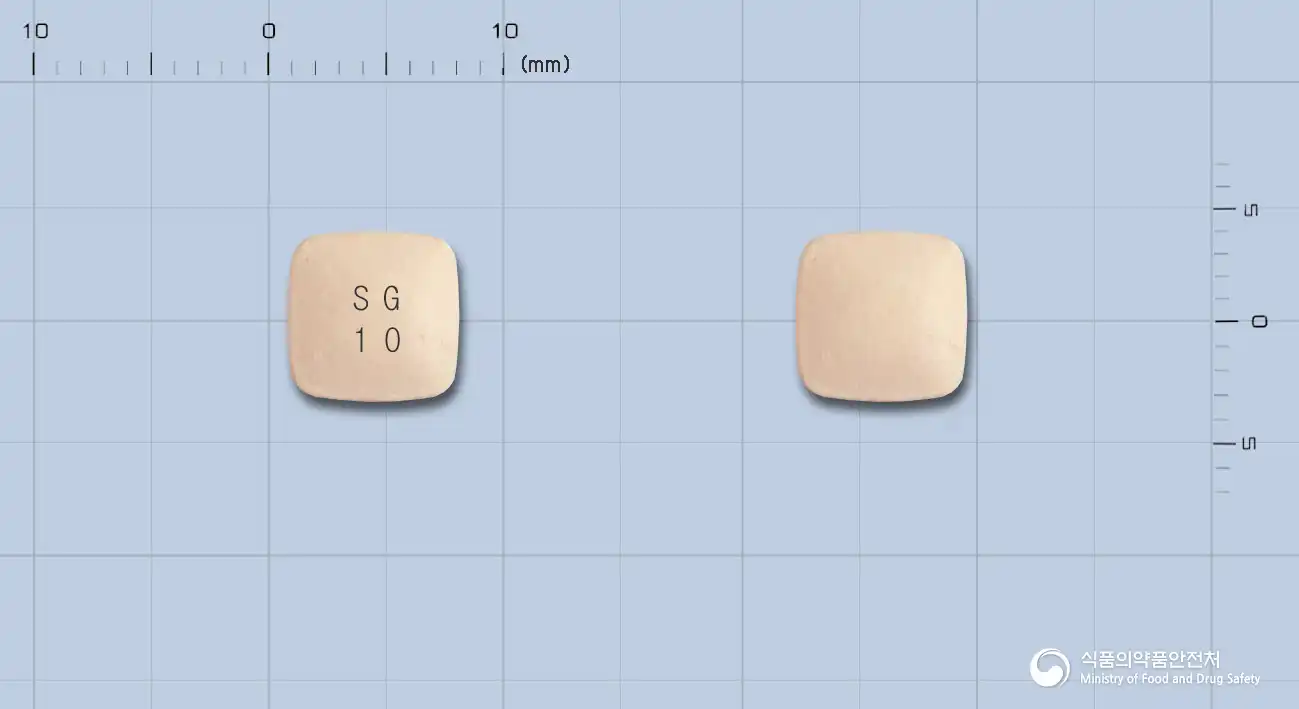
Montelukast Sodium 10.4mg
Tablet · Prescription medication
JW Pharmaceutical Co., Ltd.
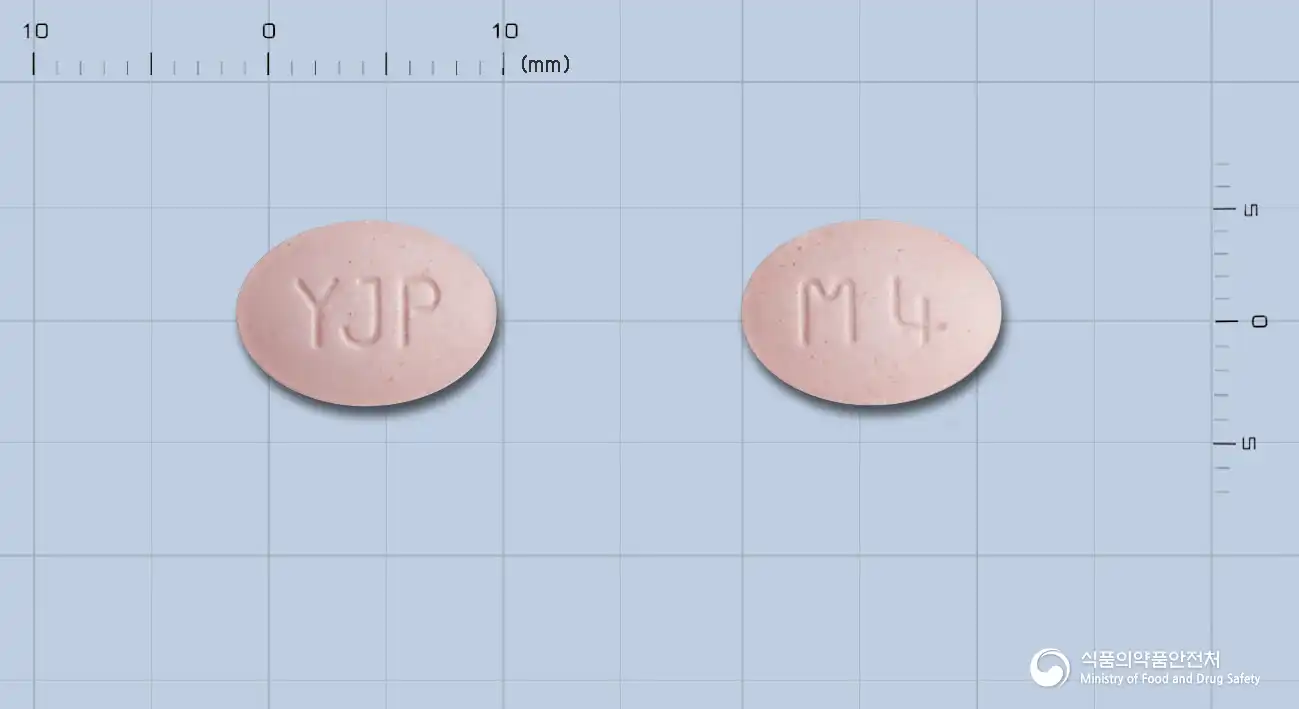
Montelukast Sodium 4.16mg
Chewable Tablet · Prescription medication
Youngjin Pharmaceutical Co., Ltd.
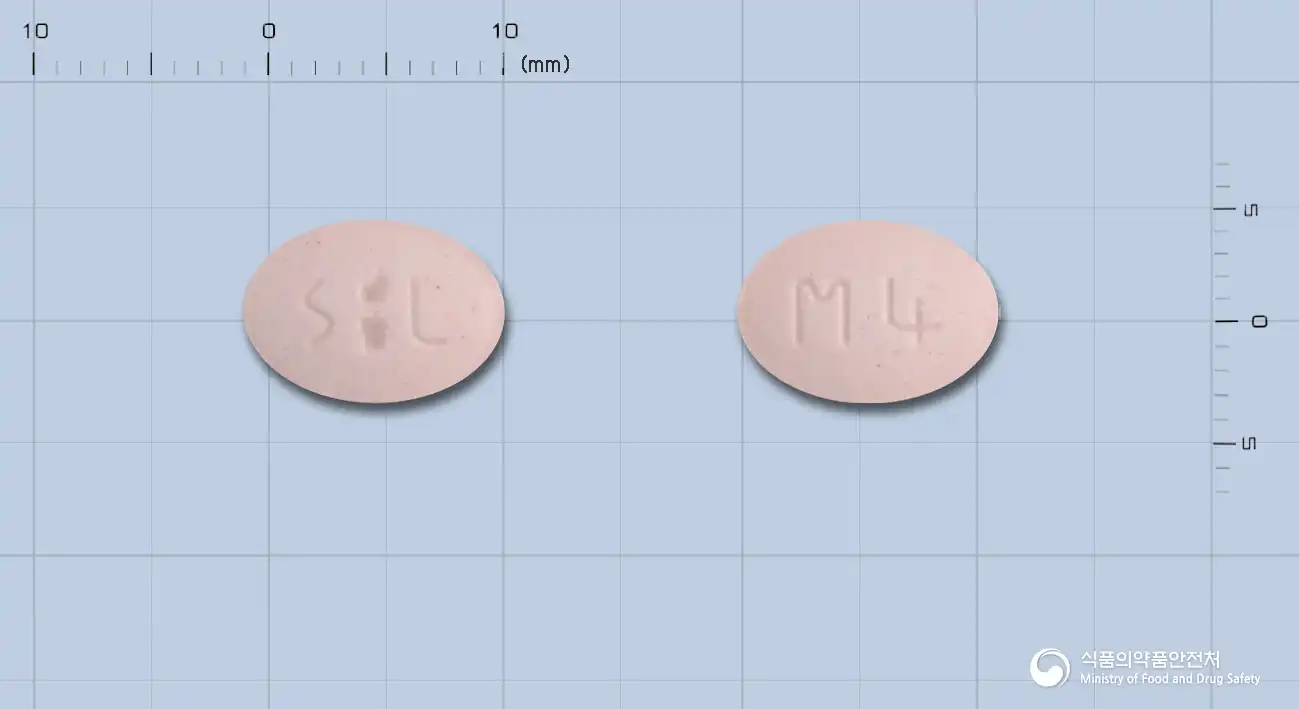
Montelukast Sodium 4.16mg
Chewable Tablet · Prescription medication
Samil Pharmaceutical Co., Ltd.
Even with the same ingredient, the dose and directions can differ by strength and dosage form. Talk to a doctor or pharmacist before switching from a medication you are already taking.
No questions yet.
For anything that needs medical judgment, consult a doctor or pharmacist.
This drug information is based on data provided by the Korea Ministry of Food and Drug Safety.
Consult a doctor or pharmacist for accurate dosage, administration, and usage instructions.