
 한국어
한국어 English
 日本語
日本語 中文(简体)
 Viewing now
Famgen Cimetidine Tablet 200 mg (Cimetidine)
Cimetidine 200mg
Tablet · Prescription medication
Famgen Science Co., Ltd.
MFDS item code 201402848 · Approved 2014.06.26 · Insurance code 670103650
Improvement of gastric ulcers (gastric, duodenal, anastomotic, Zollinger-Ellison syndrome) and gastric mucosal lesions (acute and chronic gastritis)
This medication is used for gastrointestinal diseases such as gastric and duodenal ulcers, gastroesophageal reflux disease, recurrent ulcers, anastomotic ulcers, and Zollinger-Ellison syndrome. It also helps improve mucosal ulceration, bleeding, erythema, and edema occurring during acute exacerbations of acute and chronic gastritis. In other words, it effectively treats various gastric mucosal injuries and inflammatory conditions, contributing to the recovery of the patient's gastric health.
400 mg orally 2 times a day (morning, bedtime) or 800 mg once a day (at bedtime). 300 mg orally 4 times a day (after meals, at bedtime) can be used, and the dose can be increased to 400 mg orally 4 times a day (after meals, at bedtime) (total 1.6 g). For acute exacerbations of acute gastritis, administer 200 mg 2 times a day or 400 mg once a day.
Administer 20 to 40 mg per kg of body weight in divided doses orally per day.
This medication should not be used by patients with specific allergic reactions or hypersensitivity to its components. Patients taking dofetilide, which can cause heart rhythm problems, should also avoid this medication. As this medication contains lactose, it should not be administered to patients with a genetic condition that inhibits lactose digestion. Patients with kidney or liver issues should exercise special caution when using this medication, and dosages may need to be adjusted or dosing intervals increased as necessary. Patients with a history of drug allergies, the elderly, children under 19, and patients undergoing hemodialysis should also use this medication with caution. Since this medication may conceal the symptoms of gastric cancer, it is safer to administer it only after confirming the absence of gastric cancer. In gastric ulcer patients who test positive for Helicobacter pylori, treatment to eradicate the bacteria should be performed concurrently. This medication may rarely cause various side effects, including blood cell count reduction, liver function abnormalities, kidney issues, allergic reactions, hormonal abnormalities, gastrointestinal symptoms, neurological issues, heart problems, and skin reactions. If symptoms such as general fatigue, fever, bleeding, dizziness, or rash occur, medical attention should be sought immediately, and the medication should be discontinued if necessary. The medication should be used at the minimum effective dose while monitoring the disease progression, and if ineffective, alternative treatments should be considered. Especially, patients with a history of peptic ulcers, the elderly, and immunocompromised patients should be cautious as the risk of infections such as pneumonia may increase while using this medication. Additionally, there may be interactions with anticoagulants or other medications, so if any other medications are being taken, consult with healthcare providers. Women who are pregnant or may become pregnant should use this medication with caution as its safety has not been established, and breastfeeding is not recommended while taking this medication. In children or the elderly, doses should be adjusted while considering the potential for decreased kidney function. In cases of overdose, severe symptoms such as respiratory depression may occur, requiring immediate emergency treatment. This medication should be kept out of reach of children and should not be transferred to other containers for safety.
General fatigue, weakness, subcutaneous bleeding, mucosal bleeding, fever (initial symptom of hematological abnormalities), jaundice, renal function abnormalities (elevated BUN, creatinine), shock, anaphylaxis-like reactions, respiratory distress, consciousness disturbances, seizures, confusion (anxiety, psychosis, depression, excitement, hallucinations, disorientation), Stevens-Johnson syndrome, toxic epidermal necrolysis, epidermal necrosis, erythema multiforme, exfoliative dermatitis, generalized exfoliation
Not everyone experiences these, and they can vary from person to person.
This medication is sensitive to light and should be stored in a container that blocks light. It is also best kept at room temperature between 1°C and 30°C. Proper storage helps maintain the medication's effectiveness and safety.
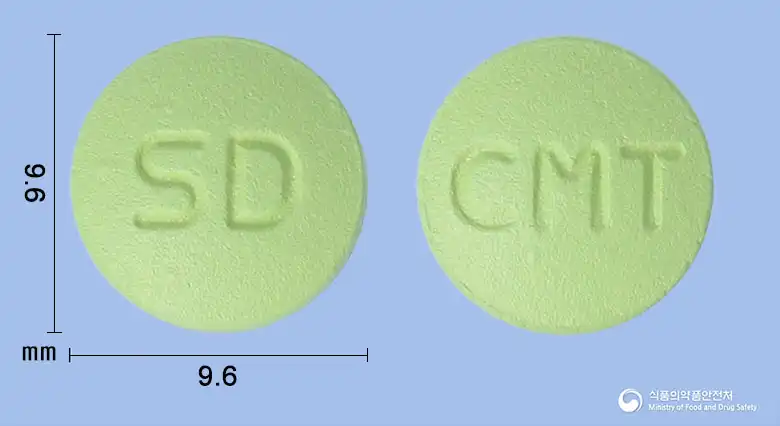
Pale green to green round film-coated tablet
1000 tablets/bottle
Even with the same ingredient, strength, dosage form and how it is taken can differ.
Viewing nowCimetidine 200mg
Tablet · Prescription medication
Famgen Science Co., Ltd.
Cimetidine 200mg
Tablet · Prescription medication
Ildong Pharmaceutical Co., Ltd.

Cimetidine 200mg
Tablet · Prescription medication
International Pharmaceutical Co., Ltd.
Cimetidine 100mg
Prescription medication
(Company) Yuhan Corporation

Cimetidine 200mg
Tablet · Prescription medication
Donghwa Pharmaceutical Co., Ltd.

Cimetidine 200mg
Tablet · Prescription medication
Bukwang Pharmaceutical Co., Ltd.
Cimetidine 200mg
Tablet · Prescription medication
Bionex Co., Ltd.

Cimetidine 300mg
Tablet · Prescription medication
Bukwang Pharmaceuticals Co., Ltd.
Even with the same ingredient, the dose and directions can differ by strength and dosage form. Talk to a doctor or pharmacist before switching from a medication you are already taking.
No questions yet.
For anything that needs medical judgment, consult a doctor or pharmacist.
This drug information is based on data provided by the Korea Ministry of Food and Drug Safety.
Consult a doctor or pharmacist for accurate dosage, administration, and usage instructions.