
 한국어
한국어 English
 日本語
日本語 中文(简体)
 Viewing now
Lanfuton Capsule 15 mg ( lansoprazole )
Lansoprazole 15mg
Hard capsule · Prescription medication
Samchundang Pharm Co., Ltd.
MFDS item code 201402846 · Approved 2014.06.26 · Insurance code 651204130
Short-term treatment of active duodenal ulcers and gastric ulcers (NSAIDs induced), eradication of Helicobacter pylori, treatment and maintenance of gastroesophageal reflux disease and erosive reflux esophagitis, and inhibition of pathological gastric acid hypersecretion.
This medication is used for the short-term treatment of active duodenal ulcers and active benign gastric ulcers. It also helps eradicate Helicobacter pylori to prevent the recurrence of duodenal ulcers and is used in maintenance therapy after treatment. It is effective in treating gastric ulcers induced by non-steroidal anti-inflammatory drugs (NSAIDs) and in reducing the risk of occurrence. It is used for short-term treatment of gastroesophageal reflux disease and erosive reflux esophagitis, as well as maintenance therapy following treatment. Finally, it is useful in treating pathological hypersecretion conditions such as Zollinger-Ellison syndrome. Overall, it is used to improve various ulcerative and inflammatory conditions related to gastrointestinal disorders.
This medication should be administered before meals. 1. Short-term treatment of active duodenal ulcers: 15 mg of lansoprazole once daily for 4 weeks. 2. Short-term treatment of active benign gastric ulcers: 30 mg of lansoprazole once daily for 8 weeks. 3. Eradication of Helicobacter pylori to prevent recurrence of duodenal ulcers: 1) 30 mg of lansoprazole with 250-500 mg of clarithromycin.
○ 12 to 17 years old adolescents 1. Short-term treatment of non-erosive gastroesophageal reflux disease related symptoms: 15 mg once daily for 8 weeks. 2. Short-term treatment of erosive reflux esophagitis: 30 mg once daily.
This medication should not be used by patients who have previously had an allergic reaction to certain components or benzimidazoles as they may experience severe allergic reactions or difficulty in breathing. Patients with an allergy to penicillin-type antibiotics or macrolide antibiotics should not use this medication concurrently. Special caution is necessary when using it for Helicobacter pylori eradication therapy. Pregnant women should avoid this medication as it may pose a risk to the fetus. Nursing mothers should consult a doctor before taking this medication and may need to discontinue breastfeeding. Patients with impaired liver or kidney function, the elderly, children, and those with a history of drug allergies should exercise particular caution when using this medication. This medication can rarely cause severe allergic reactions, blood abnormalities, liver dysfunction, or skin diseases, so if any abnormal symptoms occur, use should be discontinued immediately and medical attention sought. Additionally, long-term use may cause vitamin B12 deficiency or hypomagnesemia, requiring regular testing. Because this medication suppresses gastric acid secretion, there may be interactions with other medications. It is particularly necessary to consult with a doctor or pharmacist when co-administering with HIV medications, antibiotics, anticoagulants, etc. During the use of this medication, dizziness, drowsiness, or visual disturbances may occur, so caution is advised when driving or operating machinery. There are no specific antidotes for overdose; management may include gastric lavage or symptomatic treatment depending on symptoms. Store out of reach of children and do not transfer to other containers for safety. Long-term use of this medication may mask symptoms of malignant tumors; therefore, if symptoms such as weight loss, hematemesis, or melena occur, consult a doctor immediately.
Hives, severe swelling (edema), chest tightness, difficulty breathing, anaphylactic reactions, shock, acute interstitial nephritis, interstitial pneumonia, hemolytic anemia, agranulocytosis, neutropenia, thrombocytopenia, anemia, jaundice, toxic epidermal necrolysis (Lyell's syndrome), Stevens-Johnson syndrome (SJS), DRESS syndrome, severe rash, blisters, skin peeling, oral/eye mucosal pain, acute renal failure, severe colitis, Clostridium difficile infection.
Not everyone experiences these, and they can vary from person to person.
This medication should be stored in a tightly closed container to prevent air and moisture from entering and kept at room temperature between 1 to 30 degrees Celsius. Proper storage will help maintain the medication's effectiveness over time and ensure safe use.
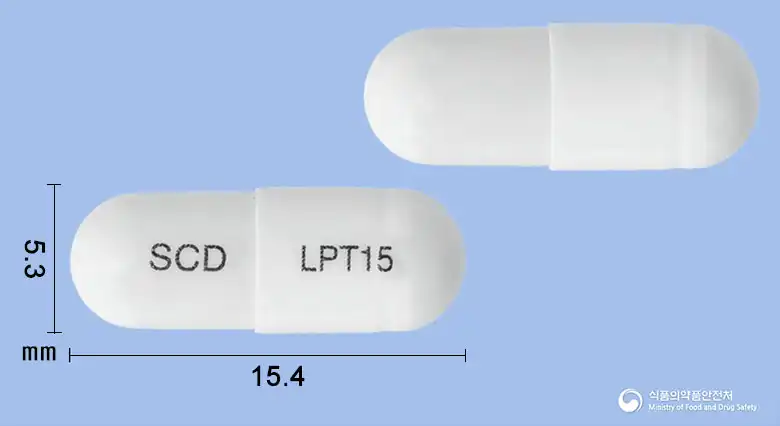
A white to light brown granular substance held within a white opaque hard capsule.
For domestic use - 30 capsules/bottle, For domestic use - 100 capsules/bottle
Even with the same ingredient, strength, dosage form and how it is taken can differ.
Viewing nowLansoprazole 15mg
Hard capsule · Prescription medication
Samchundang Pharm Co., Ltd.
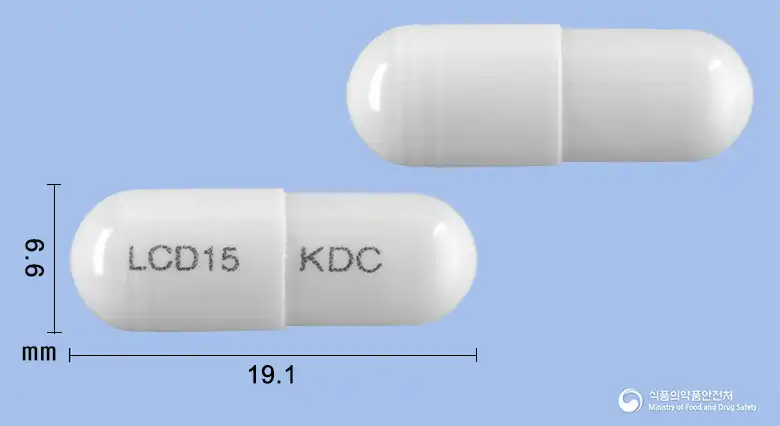
Lansoprazole 15mg
Hard capsule · Prescription medication
Korea Pharmaceutical Co., Ltd.
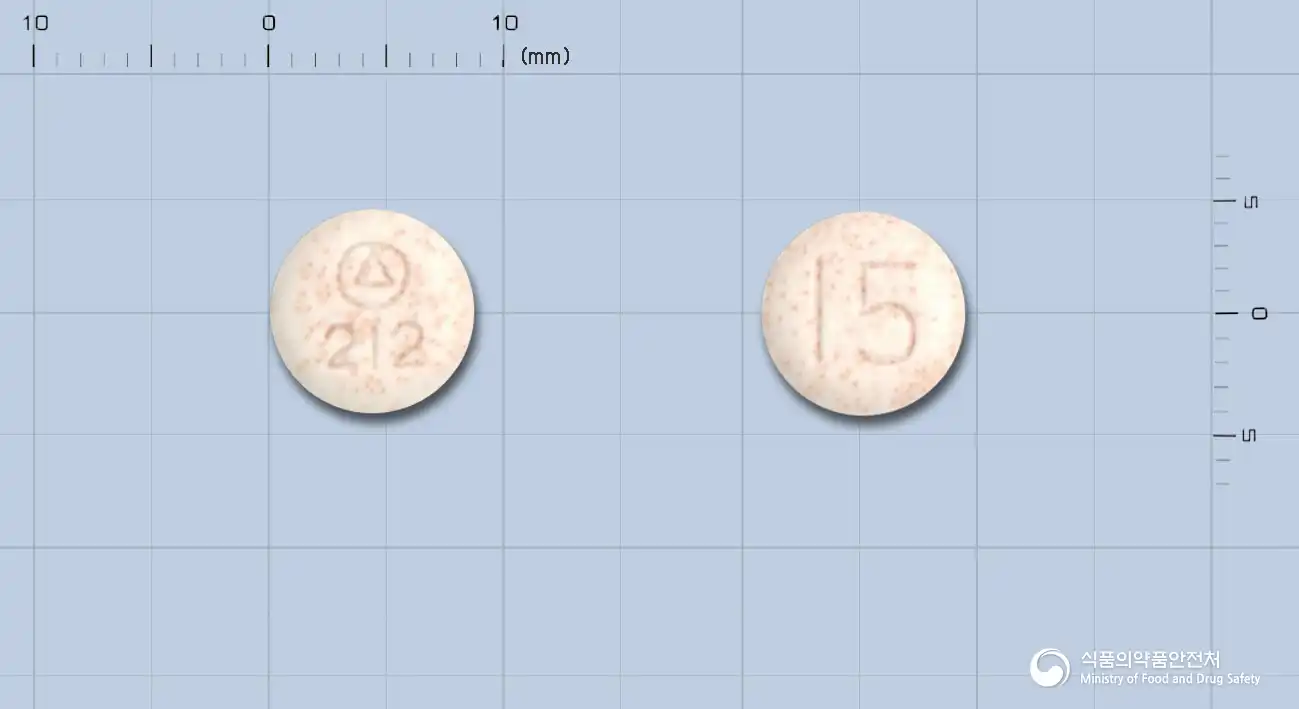
Lansoprazole 15mg
Orally disintegrating Tablet · Prescription medication
Takeda Pharmaceuticals Korea Co., Ltd.
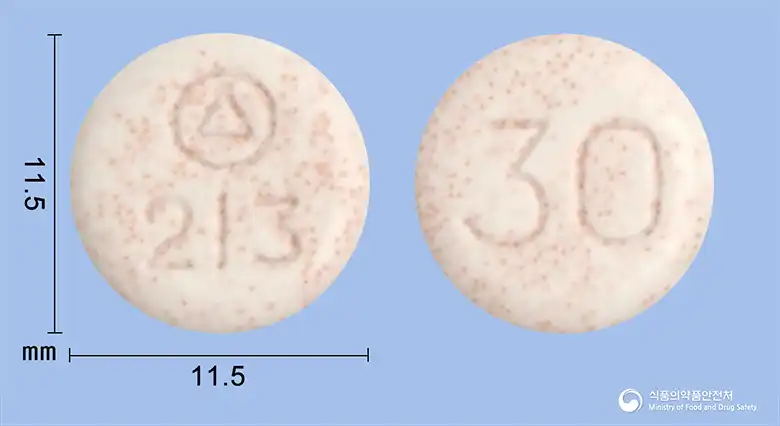
Lansoprazole 30mg
Orally disintegrating Tablet · Prescription medication
Takeda Pharmaceuticals Korea Co., Ltd.
Lansoprazole 15mg
Tablet · Prescription medication
Samil Pharmaceutical Co., Ltd.
Lansoprazole 30mg
Hard capsule · Prescription medication
Kwangdong Pharmaceutical Co., Ltd.
Lansoprazole 30mg
Hard capsule · Prescription medication
Aprogen Biologics Co., Ltd.
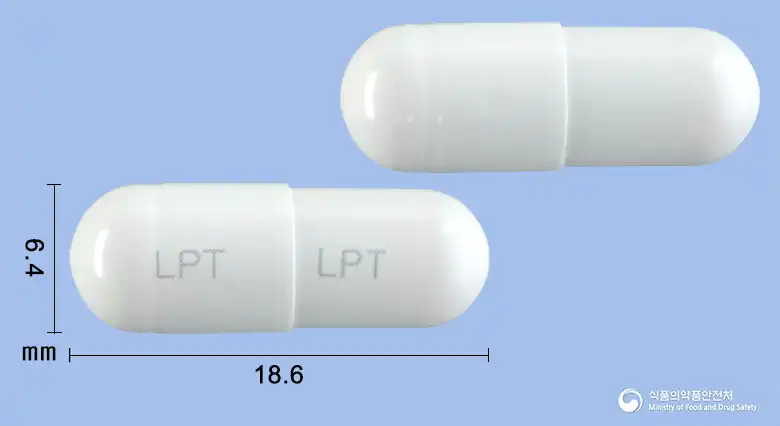
Lansoprazole 30mg
Hard capsule · Prescription medication
Samchundang Pharmaceutical Co., Ltd.
Even with the same ingredient, the dose and directions can differ by strength and dosage form. Talk to a doctor or pharmacist before switching from a medication you are already taking.
No questions yet.
For anything that needs medical judgment, consult a doctor or pharmacist.
This drug information is based on data provided by the Korea Ministry of Food and Drug Safety.
Consult a doctor or pharmacist for accurate dosage, administration, and usage instructions.