
 한국어
한국어 English
 日本語
日本語 中文(简体)
 Viewing nowCombination
Gumentin Tablet 625 mg (Amoxicillin Trihydrate · Clavulanate Potassium)
Amoxicillin Hydrate 500mg · Dilute Potassium Clavulanate 212.73mg
Tablet · Prescription medication · Combination
Korea Prime Pharmaceutical Co., Ltd.
MFDS item code 201308652 · Approved 2013.08.02 · Insurance code 663605790
Treatment of respiratory (bronchitis, pneumonia) and urinary tract infections (cystitis, urethritis)
This medication is used to treat various bacterial infections. It is effective for respiratory infections such as acute and chronic bronchitis, pneumonia, empyema, and lung abscesses, and may also be used for tonsillitis, sinusitis, and otitis media. It is also utilized for the treatment of urinary tract infections including cystitis, urethritis, and pyelonephritis, and assists in cases of pelvic infections and sexually transmitted diseases such as gonorrhea. Additionally, it is effective for treating boils and abscesses, soft tissue infections, wound infections, osteomyelitis, and dental infections. It is used to treat these various infections to improve patients' health.
In adults and in children aged 12 years or older or weighing 40 kg or more, the dosage is 250 mg/125 mg of amoxicillin/clavulanate potassium administered orally three times a day every 8 hours. For severe and respiratory infections, the dosage may be increased to 500 mg/125 mg. In cases of renal impairment, adjust the dosage according to creatinine clearance. - CrCl ≥ 30 mL/min: No dosage adjustment needed. -
In adults and children aged 12 years or older, or weighing 40 kg or more, administer 250 mg/125 mg of amoxicillin/clavulanate potassium orally three times a day every 8 hours. For severe and respiratory infections, the dosage may be increased to 500 mg/125 mg.
This medication is a beta-lactam antibiotic and should not be administered to certain patients. First of all, it should not be used in patients who have had allergic reactions to this medication or to other beta-lactam antibiotics. Caution is required for patients with viral infections such as infectious mononucleosis or lymphocytic leukemia due to the risk of rash. Moreover, patients with a history of liver dysfunction or jaundice related to this medication or to penicillin family drugs should avoid use due to the risk of recurrence. Patients with poor liver function or severe kidney dysfunction may have elevated drug concentrations, hence dosing intervals should be adjusted or used with caution. Patients with allergic constitution or those who frequently experience symptoms such as bronchial asthma or hives should be cautious as well. Patients who have difficulty with oral intake, elderly patients, or those in poor general condition may show symptoms of vitamin K deficiency, necessitating caution. Patients with gastrointestinal diseases suffering from severe vomiting or diarrhea may experience inadequate drug absorption. This medication can cause various gastrointestinal side effects, including diarrhea, vomiting, and abdominal pain, and in rare cases, gastrointestinal inflammation or severe colitis may occur. Symptoms of liver dysfunction may also occur, particularly in the elderly or males where it is reported more frequently. Skin itching or rash may develop, and in severe cases, serious skin reactions such as Stevens-Johnson syndrome may occur, requiring immediate discontinuation of the drug if such symptoms arise. Laboratory tests may occasionally reveal leukopenia, anemia, or thrombocytopenia, thus necessitating examination if any abnormal symptoms are present. The central nervous system can also be affected, leading to anxiety, drowsiness, headaches, and in severe cases, seizures, requiring particular caution in patients with poor kidney function. Acute kidney damage may occur, thus regular testing is necessary, and should there be any abnormal symptoms, the medication must be discontinued, and appropriate medical treatment should be sought. This medication can interact with other drugs, particularly necessitating caution when taken in conjunction with anticoagulants, certain antibiotics, or anti-inflammatory drugs. Women who are pregnant or breastfeeding should carefully consider the risks and benefits before using this medication, particularly avoiding it during the first three months of pregnancy. During breastfeeding, side effects such as diarrhea or skin rashes may occur in the infant, necessitating discontinuation if any abnormal signs arise. It is not recommended for children under 12 years or weighing less than 40 kg. Elderly patients may experience side effects more easily due to diminished body function, requiring adjustment of dosage and administration intervals and close monitoring of their condition. It is crucial to regularly check liver function, kidney function, and blood tests during the course of using this medication. In cases of overdose, symptoms like vomiting, diarrhea, drowsiness, rash, or in severe cases, seizures or renal failure may occur, and immediate medical attention is required.
Urticaria, severe swelling (edema), chest tightness, difficulty breathing, cold sweat, paleness, severe allergic reactions, rash accompanied by high fever, blisters, peeling of skin, oral/ocular mucosal pain, severe skin abnormal reactions, shortness of breath or difficulty breathing, asthma attacks, respiratory distress accompanied by cough and fever, respiratory issues, yellowing of skin or eyes (jaundice), profound lethargy, liver abnormalities (jaundice), sudden and
Diarrhea, pseudomembranous colitis, dyspepsia, stomatitis, gastritis, glossitis, nausea, vomiting, loss of appetite, abdominal pain, abdominal bloating, constipation, colonic pain, gastric acidity, loose stools, dry mouth, candidiasis, antibiotic-associated colitis, elevated AST, ALT, ALP, LDH, serum bilirubin, hepatitis, itching, erythema multiforme, drug reaction (DRESS), angioedema, serum sickness-like syndrome, hypersensitivity vasculitis, acute generalized exanthematous pustulosis,
Not everyone experiences these, and they can vary from person to person.
This medication is sealed in a special container to prevent humidity from entering. Additionally, it should be stored in a cool place between 1 and 25 degrees Celsius for safe keeping.
White or almost white oval film-coated tablet
4 tablets/PTP X 10
Even with the same ingredient, strength, dosage form and how it is taken can differ.
Viewing nowCombinationAmoxicillin Hydrate 500mg · Dilute Potassium Clavulanate 212.73mg
Tablet · Prescription medication · Combination
Korea Prime Pharmaceutical Co., Ltd.
 Combination
Amoxicillin Hydrate 500mg · Dilute Potassium Clavulanate 215.52mg
Tablet · Prescription medication · Combination
Geonil Pharmaceutical Co., Ltd.
 Combination
Amoxicillin Hydrate 125mg · Dilute Potassium Clavulanate 107.76mg
Tablet · Prescription medication · Combination
Geonil Pharmaceutical Co., Ltd.
 Combination
Amoxicillin Hydrate 250mg · Dilute Potassium Clavulanate 212.73mg
Tablet · Prescription medication · Combination
International Pharmaceutical Co., Ltd.
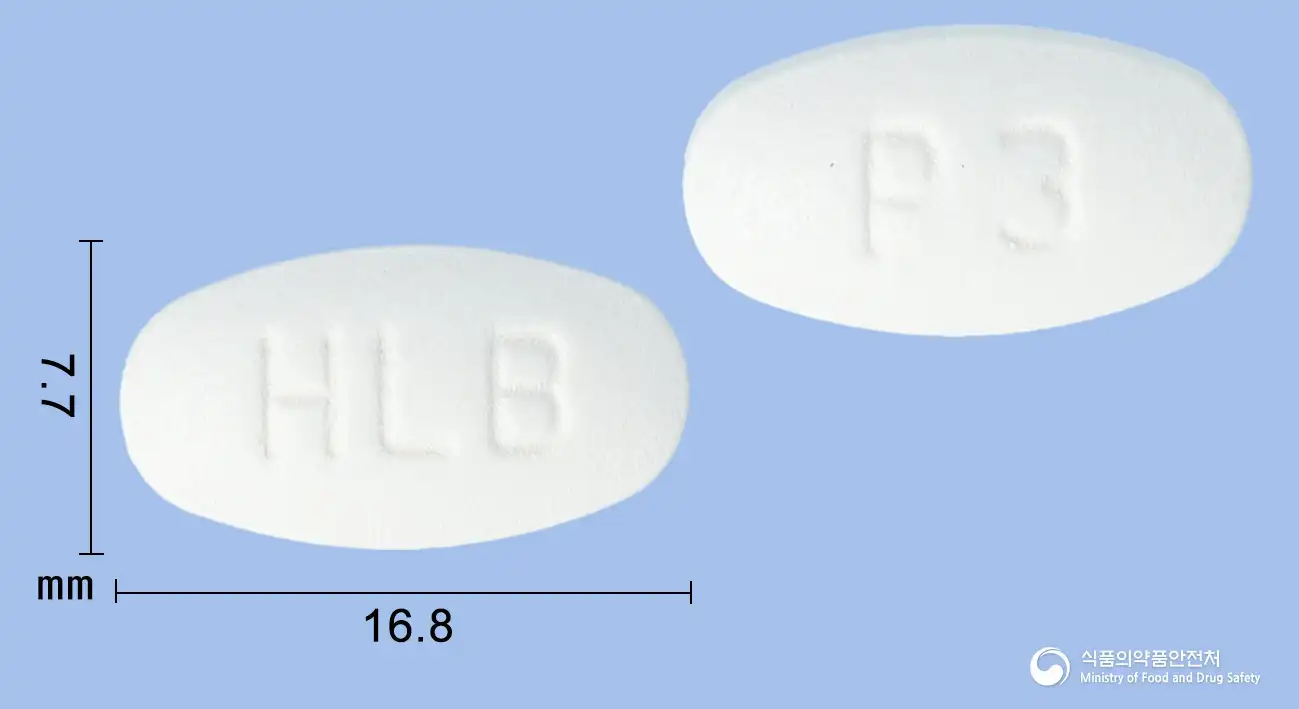 Combination
Amoxicillin Hydrate 250mg · Dilute Potassium Clavulanate 215.52mg
Tablet · Prescription medication · Combination
HLB Pharmaceutical Co., Ltd.
 Combination
Amoxicillin Hydrate 500mg · Dilute Potassium Clavulanate 215.52mg
Tablet · Prescription medication · Combination
HLB Pharmaceuticals Co., Ltd.
 Combination
Amoxicillin Hydrate 250mg · Dilute Potassium Clavulanate 215.52mg
Tablet · Prescription medication · Combination
Dong Sung Pharmaceutical Co., Ltd.
 Combination
Amoxicillin Hydrate 250mg · Dilute Potassium Clavulanate 212.73mg
Tablet · Prescription medication · Combination
Youngjin Pharmaceutical Co., Ltd.
Even with the same ingredient, the dose and directions can differ by strength and dosage form. Talk to a doctor or pharmacist before switching from a medication you are already taking.
No questions yet.
For anything that needs medical judgment, consult a doctor or pharmacist.
This drug information is based on data provided by the Korea Ministry of Food and Drug Safety.
Consult a doctor or pharmacist for accurate dosage, administration, and usage instructions.