
 한국어
한국어 English
 日本語
日本語 中文(简体)
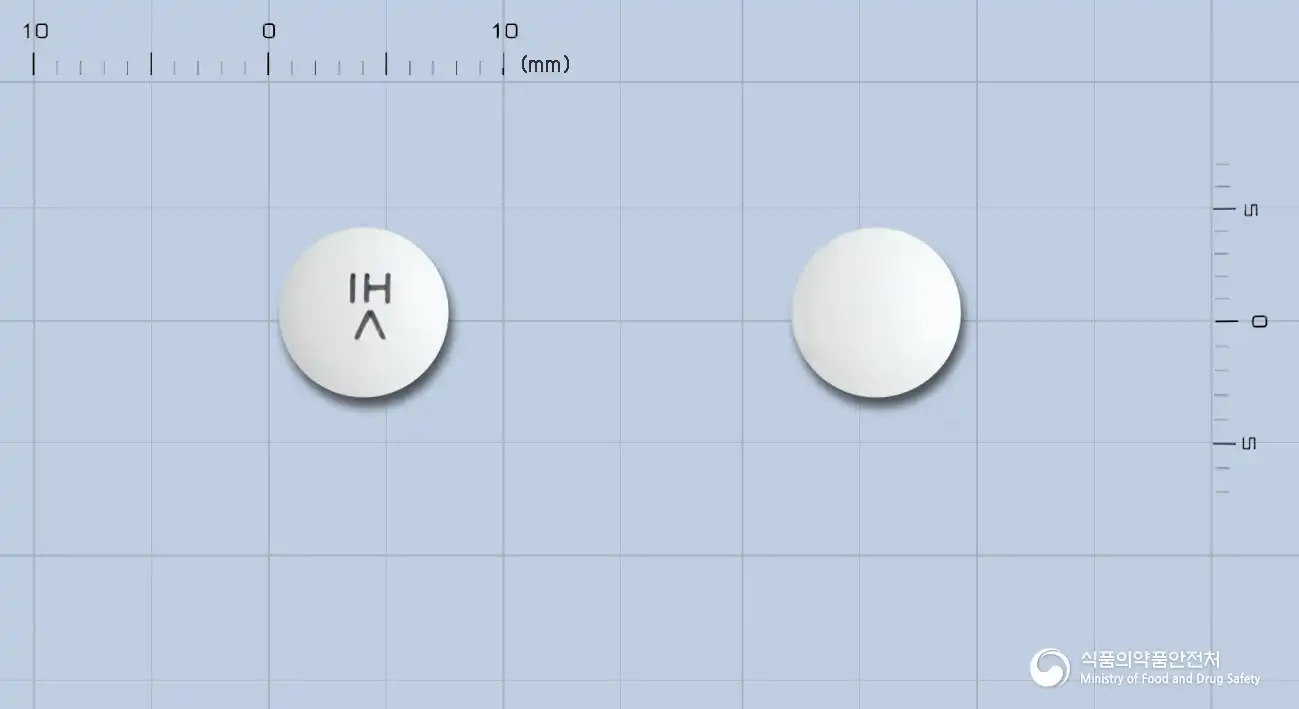 Viewing now
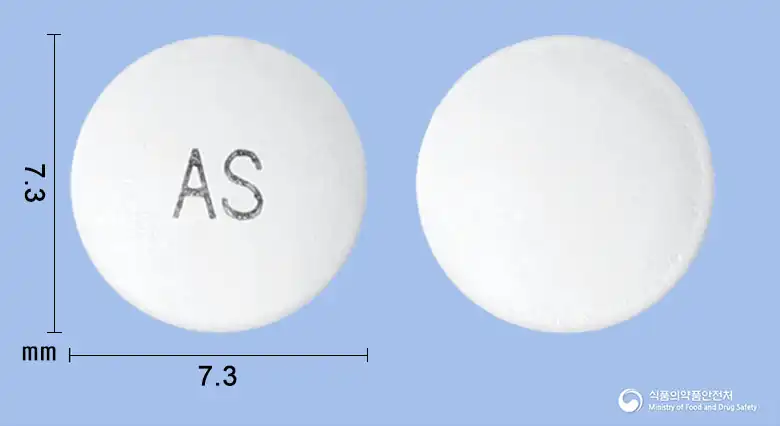
Aspid Tablet (Aspirin)
Aspirin 100mg
Tablet · OTC medication
Ilhwa Co., Ltd.
MFDS item code 201308448 · Notified 2013.07.29 · Insurance code 640902600
Inhibition of thrombus formation and reduction of cardiovascular risk in conditions such as myocardial infarction and cerebral infarction
This medication helps in smooth blood circulation by inhibiting thrombus formation in diseases such as myocardial infarction, cerebral infarction, and unstable angina. It also prevents thrombus formation after coronary artery bypass grafting or percutaneous coronary intervention, protecting the patient's health. It is effective in reducing cardiovascular risks for high-risk patients, such as those with a family history, hypertension, hyperlipidemia, obesity, and diabetes. Due to these beneficial effects, it plays an important role in the prevention and treatment of cardiovascular diseases. This medication is used to improve overall cardiovascular health.
(Enteric-coated tablets) Adults: 1 tablet once daily, taken before meals with plenty of water. (Enteric-coated capsules) Adults: 1 capsule once daily, taken before meals with plenty of water.
This medication may cause a risk of gastrointestinal bleeding if taken by individuals who regularly consume more than three alcoholic beverages daily, so consultation with a doctor or pharmacist is necessary. Individuals with allergies to this medication or other salicylates, those with peptic ulcers, hemophilia, severe liver or kidney dysfunction, or those with a history of aspirin-induced asthma should not take this medication. In the third trimester of pregnancy, serious side effects may occur for both the fetus and mother, so it should be avoided, and it is also advisable not to use this medication while breastfeeding, as it may be transmitted through breast milk. Individuals with poor renal or liver function, cardiovascular disease, blood disorders or a history of allergies, children under three years old, elderly individuals, and those taking anticoagulants or other medications that pose a bleeding risk should use this medication cautiously. This medication can cause serious hypersensitivity reactions, skin diseases, blood disorders, gastrointestinal bleeding, renal and hepatic dysfunction, neurological symptoms, etc. If any abnormal symptoms occur, the usage should be stopped immediately and consultation with healthcare professionals should be sought. Particularly in children under 14 years old with chickenpox or influenza infections, this medication should be used with caution as it may induce Reye's syndrome, a rare but serious condition. During usage, the risk of bleeding may increase, so it is essential to inform healthcare personnel about the use of this medication before and after surgery, and to notify them immediately if bleeding symptoms arise. This medication may interact with other medications, so it is important to consult with a doctor or pharmacist when taking it with other drugs, especially anticoagulants, antidiabetic agents, ibuprofen, etc. In case of overdose, serious toxicity symptoms may occur, so the dosage should be strictly adhered to. Finally, keep this medication in a safe place out of reach of children, and avoid transferring it to other containers from its original packaging.
Hives, severe swelling (including angioedema), chest tightness, difficulty breathing, shock and anaphylactic symptoms, asthma attacks, severe allergic reactions, rarely Reye's syndrome, Stevens-Johnson syndrome, exfoliative dermatitis, liver damage (including jaundice), renal impairment and acute renal failure, severe skin reactions, severe edema or urinary abnormalities, severe headache, blood disorders (aplastic anemia, leukopenia, thrombocytopenia, impaired platelet function)
Erythema, itching, nasal congestion, rash, edema, symptoms of rhinitis, conjunctivitis, loss of appetite, heartburn, stomach pain, nausea, vomiting, tinnitus, hearing loss, dizziness, headache, excitation, temporary liver damage due to elevated transaminase levels, hyperventilation, metabolic acidosis
Not everyone experiences these, and they can vary from person to person.
This medication may increase the risk of bleeding or decrease kidney function when used in conjunction with other non-steroidal anti-inflammatory drugs and salicylates. Also, caution is advised when taken with anticoagulants, ibuprofen, naproxen, some other non-steroidal anti-inflammatory drugs, thrombolytics, other platelet aggregation inhibitors, hemostatic agents, diabetes medications (insulin-related agents, tolbutamide, etc.), uricosurics (benzbromarone, probenecid), thiazide diuretics, lithium agents.
This medication should be stored in a tightly sealed container to prevent air from entering and kept at room temperature between 15 to 25 degrees Celsius. Proper storage will help maintain the effectiveness of the medication over time.
White enteric-coated tablet
30 tablets/bottle, 300 tablets/bottle
Even with the same ingredient, strength, dosage form and how it is taken can differ.
Viewing nowAspirin 100mg
Tablet · OTC medication
Ilhwa Co., Ltd.
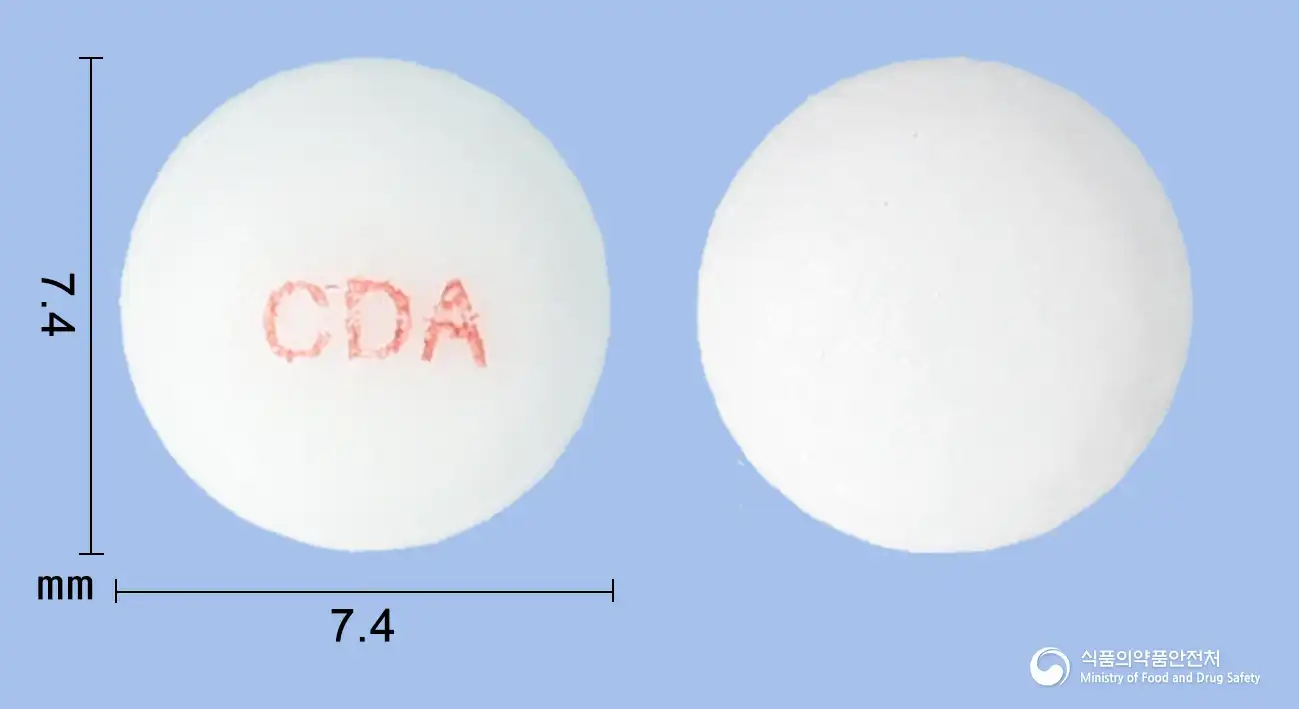
Aspirin 100mg
Tablet · OTC medication
Chodang Pharmaceutical Co., Ltd.
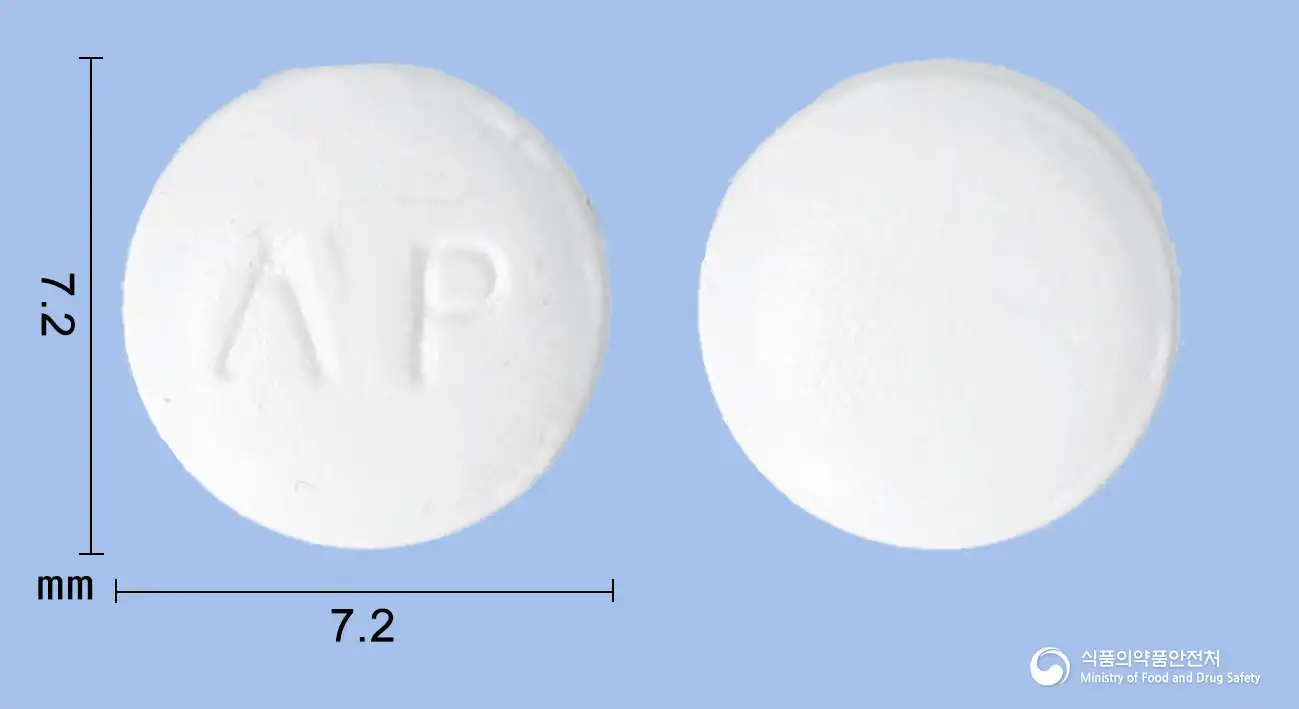
Aspirin 100mg
Tablet · OTC medication
Hanmi Pharmaceutical Co., Ltd.
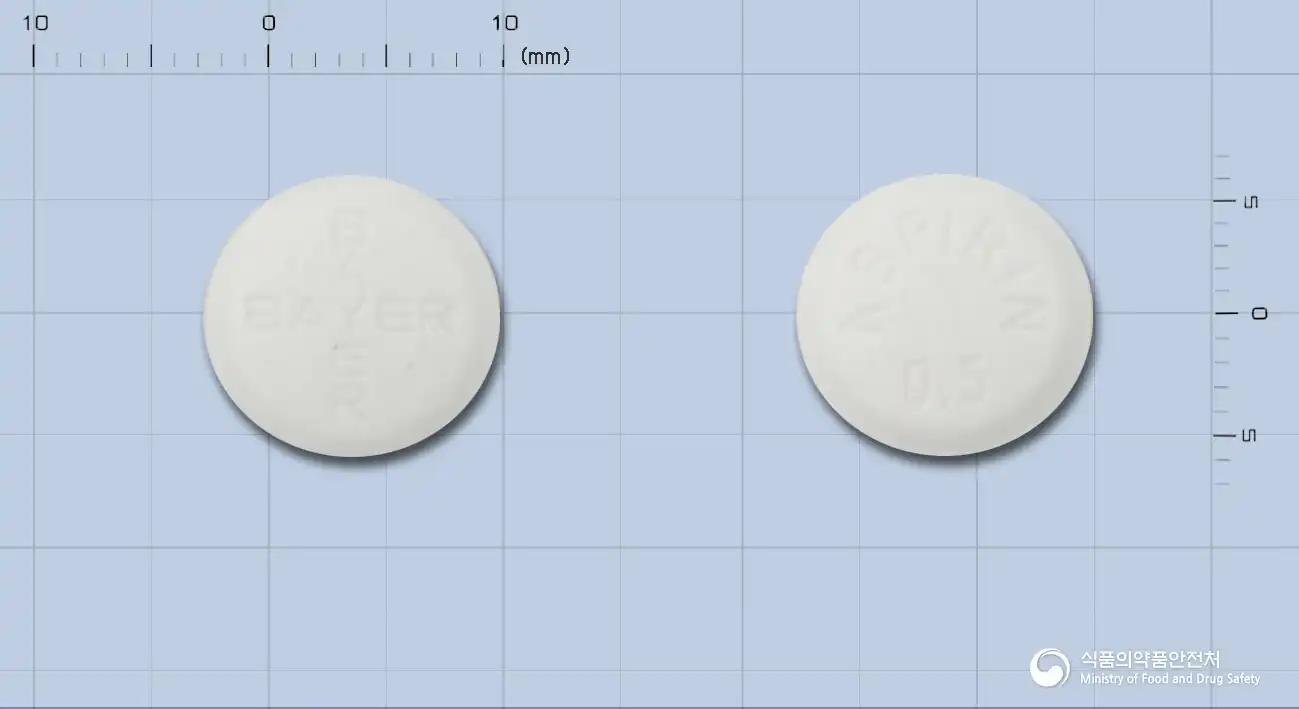
Aspirin 500mg
Tablet · OTC medication
Bayer Korea Co., Ltd.

Aspirin 100mg
Tablet · OTC medication
Bayer Korea Co., Ltd.
Aspirin 100mg
Tablet · OTC medication
Youngjin Pharmaceutical Co., Ltd.
Aspirin 81mg
Tablet · OTC medication
Youngpoong Pharmaceutical Co., Ltd.
Aspirin 75mg
Tablet · OTC medication
IlYang Biopharm Co., Ltd.
Even with the same ingredient, the dose and directions can differ by strength and dosage form. Talk to a doctor or pharmacist before switching from a medication you are already taking.
No questions yet.
For anything that needs medical judgment, consult a doctor or pharmacist.
This drug information is based on data provided by the Korea Ministry of Food and Drug Safety.
Consult a doctor or pharmacist for accurate dosage, administration, and usage instructions.