
 한국어
한국어 English
 日本語
日本語 中文(简体)
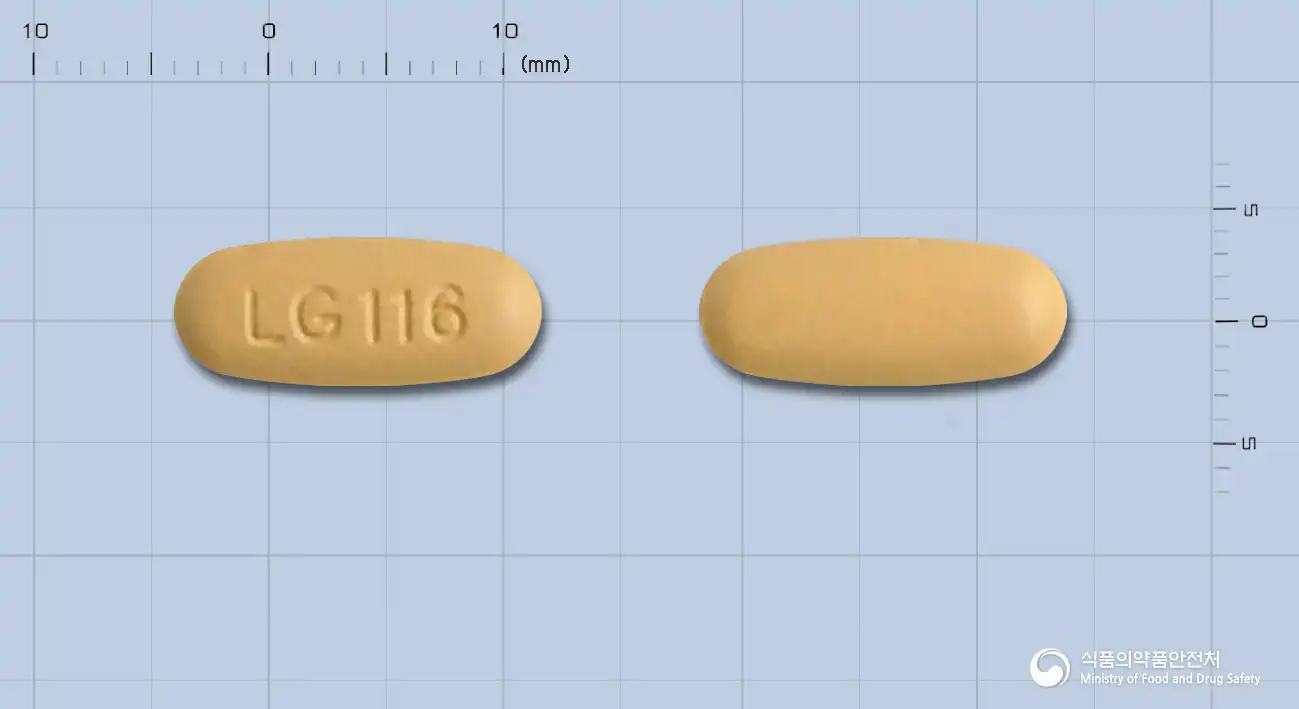 Viewing nowCombination
Lercanidipine and Valsartan Compound Tablet 10/160 mg
Lercanidipine Hydrochloride 10mg · Valsartan 160mg
Tablet · Prescription medication · Combination
LG Chem, Ltd.
MFDS item code 201308426 · Approved 2013.07.26 · Insurance code 668902560
Improvement of blood pressure control in essential hypertension
This medicine is used for patients with essential hypertension insufficiently controlled by monotherapy with lercanidipine. It helps improve blood pressure control and prevents cardiovascular complications.
The recommended dose for this medication is one tablet once daily, taken with water at least 15 minutes before a meal. It is recommended to take it at the same time each day (e.g., in the morning). For elderly patients (aged 65 and older), start with a low dose and carefully monitor patient condition.
Safety and efficacy in pediatric patients under 18 years have not been established; therefore, administration of this medication is not recommended.
This medicine must not be taken during the second and third trimesters of pregnancy as it can cause severe harm to the fetus and newborn. If pregnancy is confirmed, discontinue use immediately. It should not be administered to patients with hypersensitivity to this drug, severe liver disease, severe kidney disease, or certain heart diseases. Women who are pregnant or breastfeeding, as well as children and adolescents under 18 years old, should not take this medication. Elderly patients, those with hyperkalemia, or liver disease should use this medication cautiously, starting at a low dose and gradually increasing, as rapid drops in blood pressure may occur. While taking this medication, side effects such as headache, dizziness, dyspepsia, palpitations, and skin rashes may occur. Consult a doctor if symptoms are severe. Due to the strong blood pressure-lowering effect, patients taking diuretics or with fluid depletion should be cautious about the occurrence of hypotension. It is important to properly regulate fluid and sodium status before taking the medication. This medication may affect kidney function, so patients with impaired kidney function should regularly monitor renal function through blood tests. Interactions may occur when taken with other antihypertensives, potassium supplements, or NSAIDs, so it is essential to inform a physician or pharmacist before use. This medication can cause dizziness or drowsiness, which may impact driving or operating machinery; caution is advised. Women who are planning a pregnancy, pregnant, or breastfeeding should not take this drug, and women of childbearing potential must consult a doctor before taking it. In case of overdose, symptoms such as hypotension, reduced consciousness, or heart issues may occur, necessitating immediate medical attention for appropriate treatment. Store in a safe place out of reach of children, and do not transfer the medication to another container to maintain safety and quality.
Rash, severe swelling (edema), chest tightness, difficulty breathing, cold sweats, pallor, severe rash with fever, blisters, peeling skin, pain in oral/eye mucosa, shortness of breath or difficulty breathing, asthma attack, breathing difficulties associated with coughing and fever, jaundice (yellowing of skin or eyes), profound tiredness, sudden and severe headache, thunderclap headache, seizures, confusion, visual disturbances, paralysis, urinary issues
Not everyone experiences these, and they can vary from person to person.
Store this medication in a tightly closed container to prevent exposure to air or moisture. It is advisable to maintain storage temperature between 1°C and 30°C at room temperature.
Bright brownish-yellow oval film-coated tablet
100 tablets (10 tablets/PTP x 10)
Even with the same ingredient, strength, dosage form and how it is taken can differ.
Viewing nowCombinationLercanidipine Hydrochloride 10mg · Valsartan 160mg
Tablet · Prescription medication · Combination
LG Chem, Ltd.
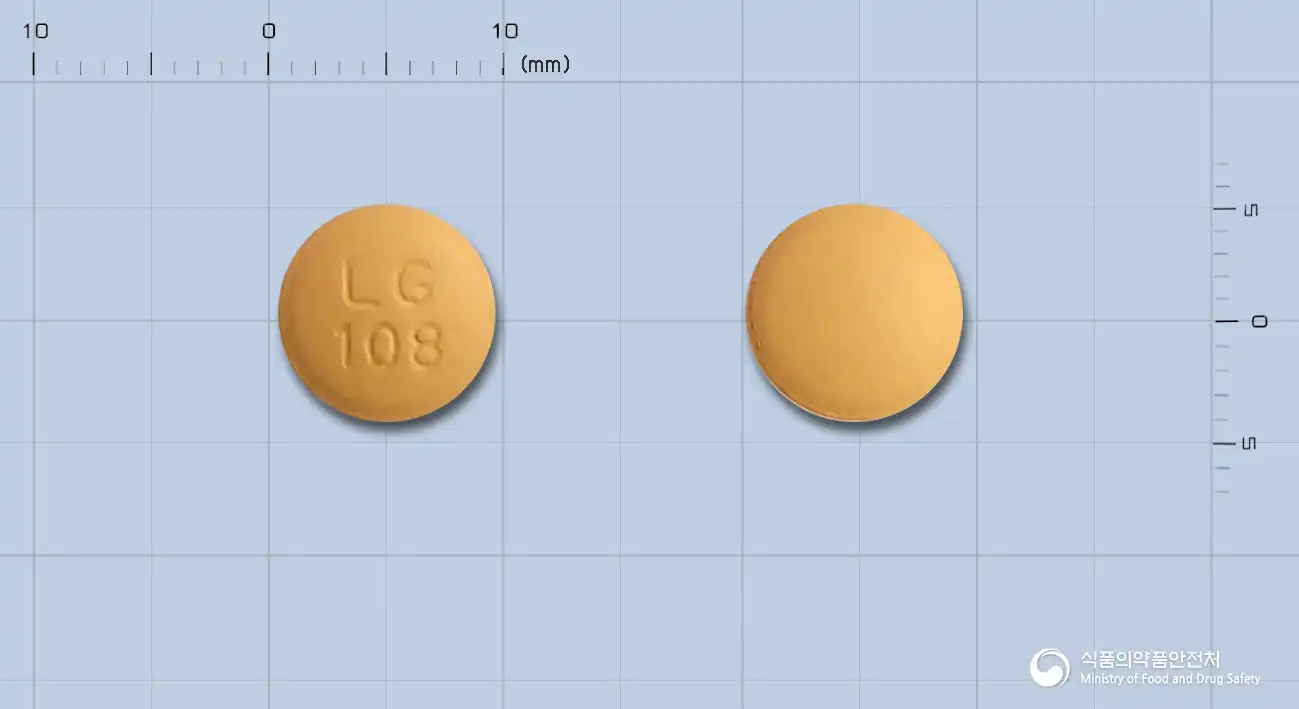 Combination
Lercanidipine Hydrochloride 10mg · Valsartan 80mg
Tablet · Prescription medication · Combination
LG Chem, Ltd.
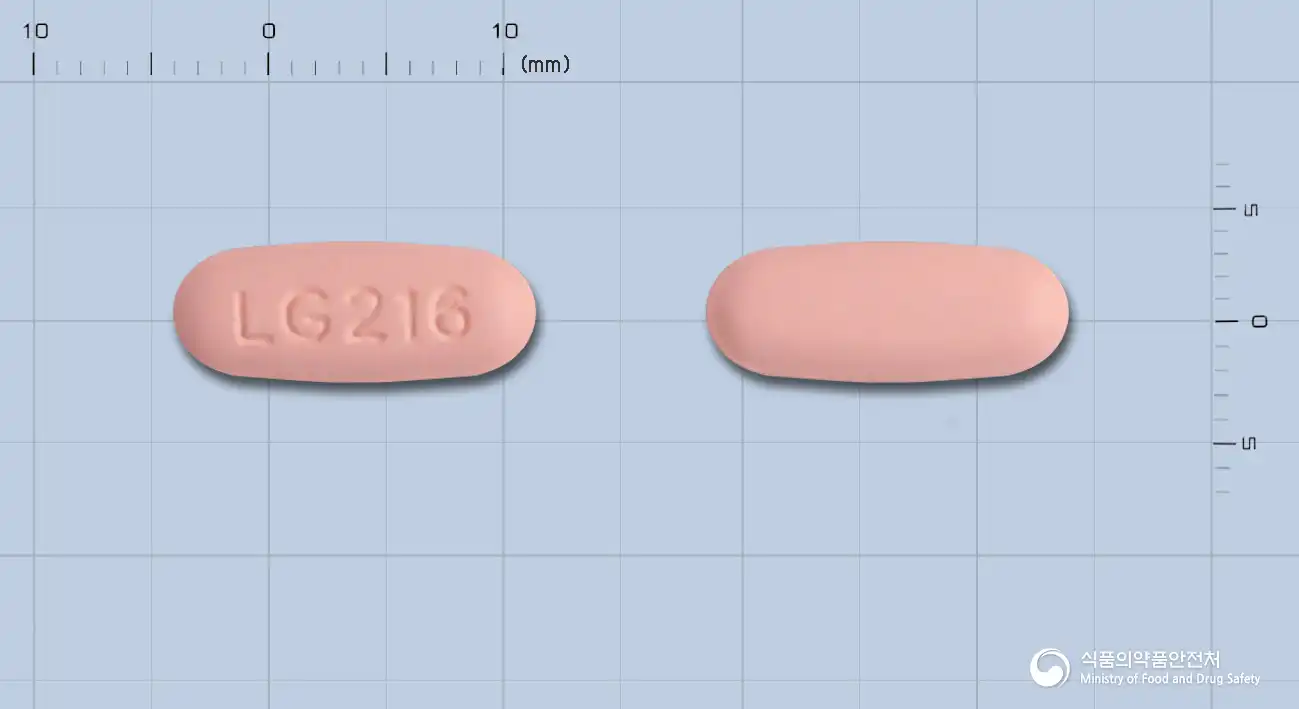 Combination
Lercanidipine Hydrochloride 20mg · Valsartan 160mg
Tablet · Prescription medication · Combination
LG Chem, Co., Ltd.
Even with the same ingredient, the dose and directions can differ by strength and dosage form. Talk to a doctor or pharmacist before switching from a medication you are already taking.
No questions yet.
For anything that needs medical judgment, consult a doctor or pharmacist.
This drug information is based on data provided by the Korea Ministry of Food and Drug Safety.
Consult a doctor or pharmacist for accurate dosage, administration, and usage instructions.