
 한국어
한국어 English
 日本語
日本語 中文(简体)
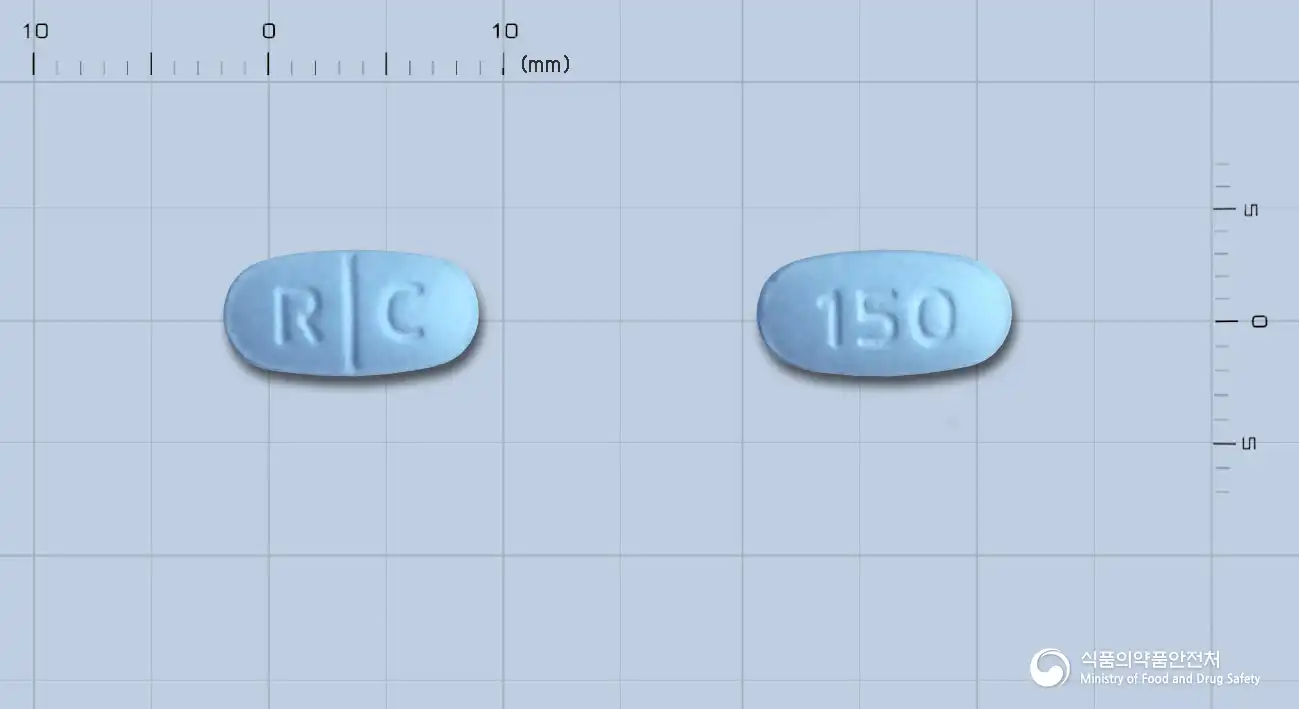 Viewing nowCombination
Risendex-M Tablet (Risedronate Sodium 2.5 Hydrate, Cholecalciferol)
Risedronate Sodium 2.5 Hydrate 172.1mg · Cholecalciferol 0.75mg
Tablet · Prescription medication · Combination
Hanlim Pharmaceutical Co., Ltd.
MFDS item code 201202526 · Approved 2012.04.03 · Insurance code 645304450
Treatment and prevention of postmenopausal osteoporosis
This medication is used for the treatment and prevention of osteoporosis in postmenopausal women.
One tablet of this medication should be taken orally once a month. Since food can interfere with the absorption of this medication, it should be taken at least 30 minutes before the first intake of any food or drinks other than water during the day. This medication should be taken upright with a sufficient amount of plain water (170–230mL). It should not be chewed or sucked, and patients should not lie down for at least 30 minutes after taking it. The patient should:
This drug can irritate the gastric mucosa and may cause esophageal adverse reactions such as esophagitis, esophageal ulcers, and esophageal erosion. It should be taken with a sufficient amount of water after ingestion, and you should not lie down for more than 30 minutes after taking it. If you experience symptoms such as difficulty swallowing, pain behind the breastbone, or heartburn, you should stop taking the medication immediately and consult your doctor. This drug should not be taken by patients with esophageal strictures, hypocalcemia, pregnant or breastfeeding women, or patients with severe renal dysfunction. Be careful not to take this medication with drugs or foods containing calcium, magnesium, or iron, and it is recommended to take this medication on an empty stomach. This medication is used for the treatment of osteoporosis, and appropriate intake of calcium and vitamin D is important. You should consult your doctor before dental treatment, as serious side effects such as osteonecrosis of the jaw can occur rarely. Elderly patients can generally take this medication safely, but any adverse reactions should be reported to healthcare providers immediately. In case of overdose, symptoms of hypocalcemia may occur, and you should visit a medical facility immediately for treatment, which may include calcium supplementation. This medication is not recommended for pregnant or breastfeeding women, and if you are planning to become pregnant or are pregnant, you should consult your doctor. It is very important to strictly adhere to the prescribed dosage and directions from your doctor when taking this medication.
Not everyone experiences these, and they can vary from person to person.
This medication should be stored in a tightly closed container to prevent exposure to air or moisture, and it is safe to store at a temperature between 1 degrees and 30 degrees Celsius. Proper storage will help maintain the effectiveness of the medication and prevent degradation.
Blue oval film-coated tablet
1 tablet (1 tablet/PTP packaging X 1)
Even with the same ingredient, strength, dosage form and how it is taken can differ.
Viewing nowCombinationRisedronate Sodium 2.5 Hydrate 172.1mg · Cholecalciferol 0.75mg
Tablet · Prescription medication · Combination
Hanlim Pharmaceutical Co., Ltd.
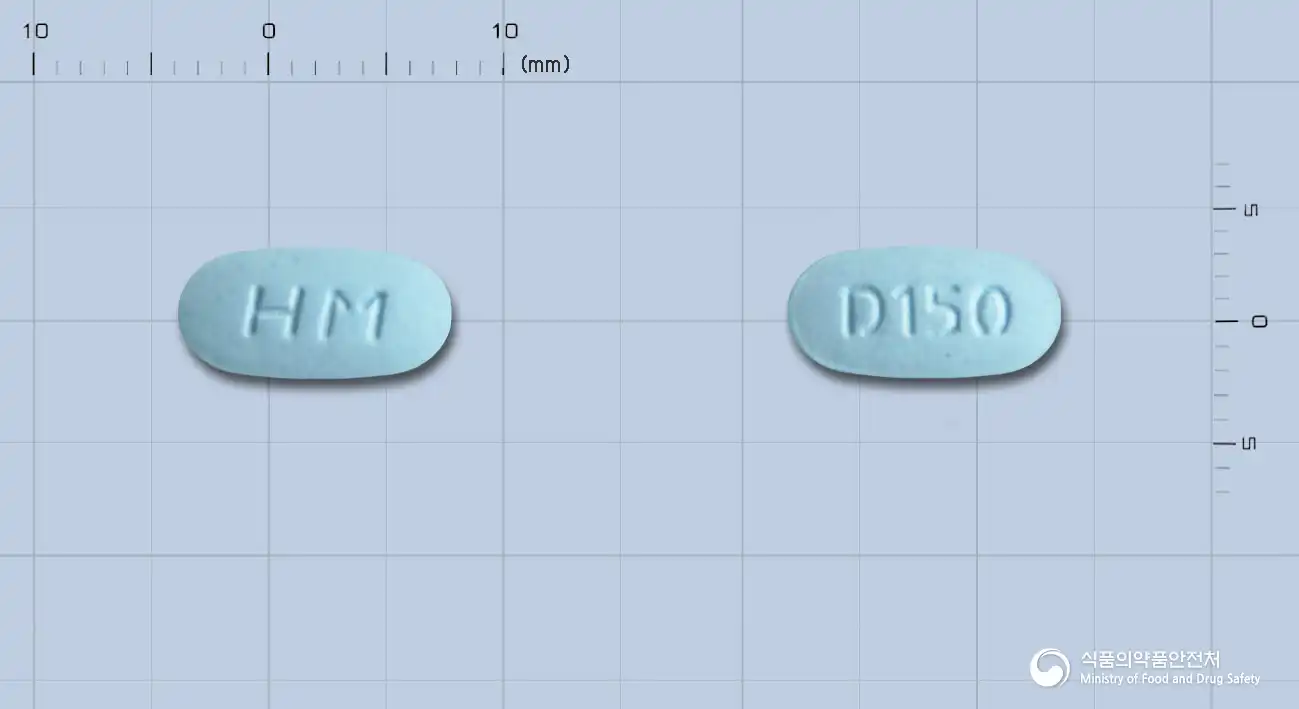 Combination
Risedronate Sodium 2.5 Hydrate 172.1mg · Cholecalciferol 0.75mg
Tablet · Prescription medication · Combination
Hanmi Pharmaceutical Co., Ltd.
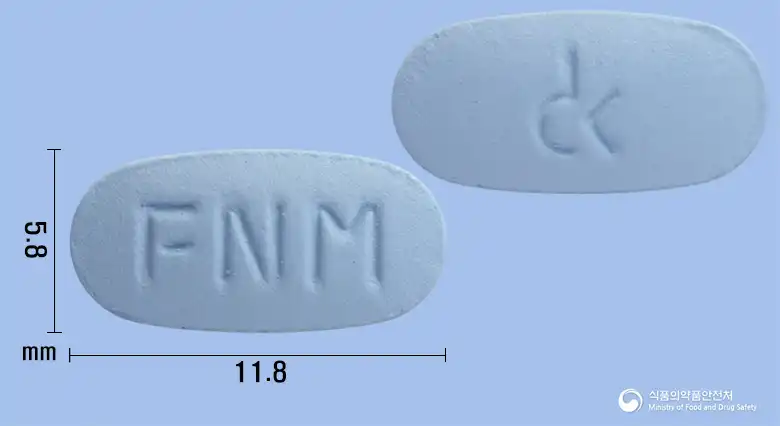 Combination
Risedronate Sodium 2.5 Hydrate 172.1mg · Cholecalciferol 0.75mg
Tablet · Prescription medication · Combination
DongKook Pharmaceutical Co., Ltd.
Even with the same ingredient, the dose and directions can differ by strength and dosage form. Talk to a doctor or pharmacist before switching from a medication you are already taking.
No questions yet.
For anything that needs medical judgment, consult a doctor or pharmacist.
This drug information is based on data provided by the Korea Ministry of Food and Drug Safety.
Consult a doctor or pharmacist for accurate dosage, administration, and usage instructions.