
 한국어
한국어 English
 日本語
日本語 中文(简体)
 Viewing now
SENOVAIL Tablet (Levocetirizine Hydrochloride)
Levocetirizine Hydrochloride 5mg
Tablet · Prescription medication
Ildong Pharmaceutical Co., Ltd.
MFDS item code 200805063 · Notified 2008.05.01 · Insurance code 642902790
Relief of symptoms such as allergic rhinitis and chronic urticaria
This medication is used to relieve symptoms of seasonal and perennial allergic rhinitis. It also helps reduce symptoms of chronic idiopathic urticaria. Additionally, it can alleviate symptoms of dermatitis and eczema accompanied by itching when used in conjunction with hydrocortisone topical preparations. It acts effectively on a variety of allergic reactions and skin diseases to improve patient discomfort.
Adults: Take 1 tablet (5 mg of Levocetirizine Hydrochloride) orally once daily without regard to meals. For patients with renal impairment, the dose should be adjusted according to renal function (creatinine clearance). - Mild (50 ≤ CLCR < 80): 1 tablet once daily - Moderate (30 ≤ CLCR < 50): 1 tablet every other day - Severe (10 ≤ CLCR < 30): 1 tablet every three days
Children aged 6 years and older: Take 1 tablet (5 mg of Levocetirizine Hydrochloride) orally once daily without regard to meals.
This medication should not be used in patients who are allergic to specific ingredients or have had hypersensitivity reactions. It should not be administered to patients with severely impaired kidney function or those undergoing hemodialysis. It is safest for pregnant women, women who may become pregnant, and breastfeeding women to avoid taking this medication. It should not be given to infants under 1 year old, and for children under 6 years old, a liquid formulation should be used instead of tablets. Patients with lactose intolerance or certain genetic lactose metabolism disorders should not take this tablet. Patients with renal or liver issues, as well as the elderly, should use this medication with caution, as blood concentration may increase. Taking this medication may cause neurological symptoms such as drowsiness, headache, and dizziness, while gastrointestinal symptoms such as dry mouth, nausea, and abdominal pain may also occur. Rarely, symptoms like arrhythmias, blood-related adverse reactions, skin rashes, and blurred vision may occur; if these symptoms are severe, consult a doctor immediately. Drowsiness or fatigue can occur after taking this medication, so caution is needed when performing tasks requiring focus, such as driving or operating machinery. The combination with alcohol or other central nervous system depressants can intensify drowsiness, so it is best to avoid taking them together. This medication may worsen symptoms in patients with urinary output disorders, so those with such concerns should be especially careful. There is potential for interaction with other drugs, particularly when combined with alcohol or central nervous system depressants, so caution is needed. Taking this medication with food can slow absorption but will not affect the overall efficacy. Pregnant or breastfeeding women should avoid taking this medication, as sufficient research has not been conducted to recommend its use. For children, especially infants under 1 year of age, it is safest to avoid administration due to insufficient experience. Elderly patients may retain the medication longer in the body due to decreased renal function, so they should start with a lower dose and be closely monitored. It is recommended to discontinue this medication prior to allergy testing, and in the case of overdose, symptoms like drowsiness or agitation may appear, requiring immediate medical attention.
Not everyone experiences these, and they can vary from person to person.
This medication can be sensitive to light, so it should be stored in a container protected from light. Additionally, the medication should be stored at room temperature, between 1 and 30 degrees Celsius. This will help maintain the medicine's effectiveness and safety.
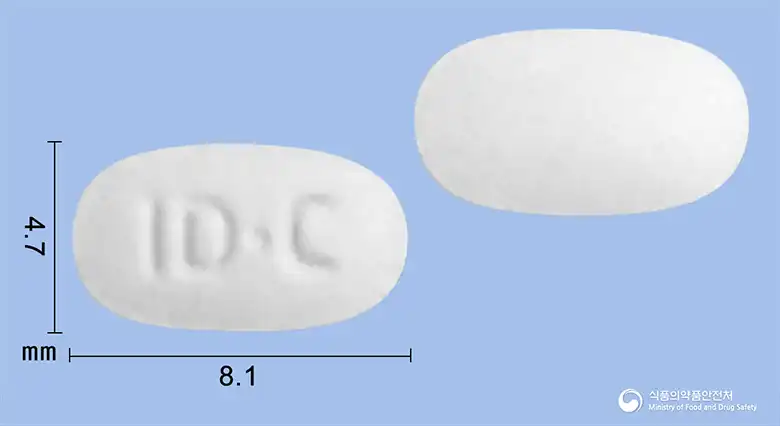
White or off-white oval film-coated tablet
30 tablets/bottle, 100 tablets/bottle
Even with the same ingredient, strength, dosage form and how it is taken can differ.
Viewing nowLevocetirizine Hydrochloride 5mg
Tablet · Prescription medication
Ildong Pharmaceutical Co., Ltd.
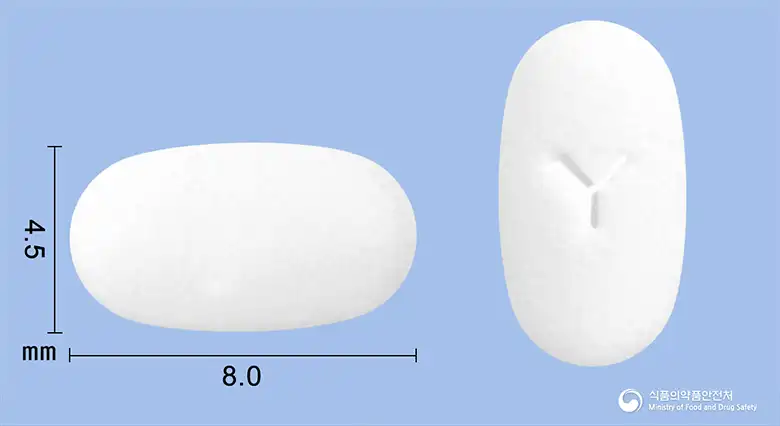
Levocetirizine Hydrochloride 5mg
Tablet · Prescription medication
HanKook UCB Pharma Co., Ltd.
Levocetirizine Hydrochloride 50mg
Solution · Prescription medication
Korea UCB Pharmaceutical Co., Ltd.
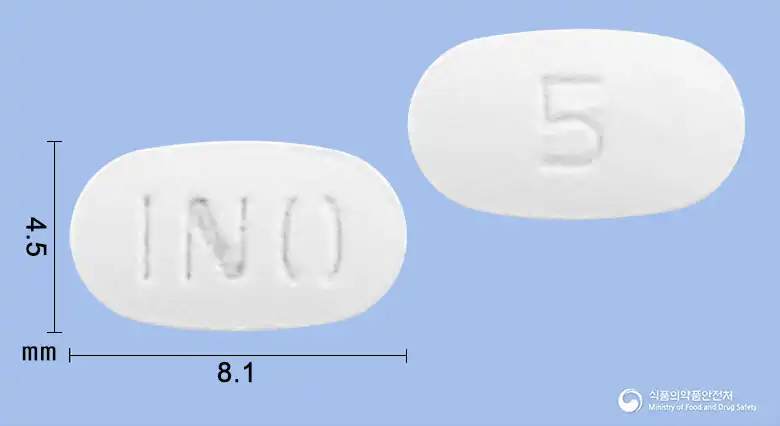
Levocetirizine Hydrochloride 5mg
Tablet · Prescription medication
HK inno.N Co., Ltd.
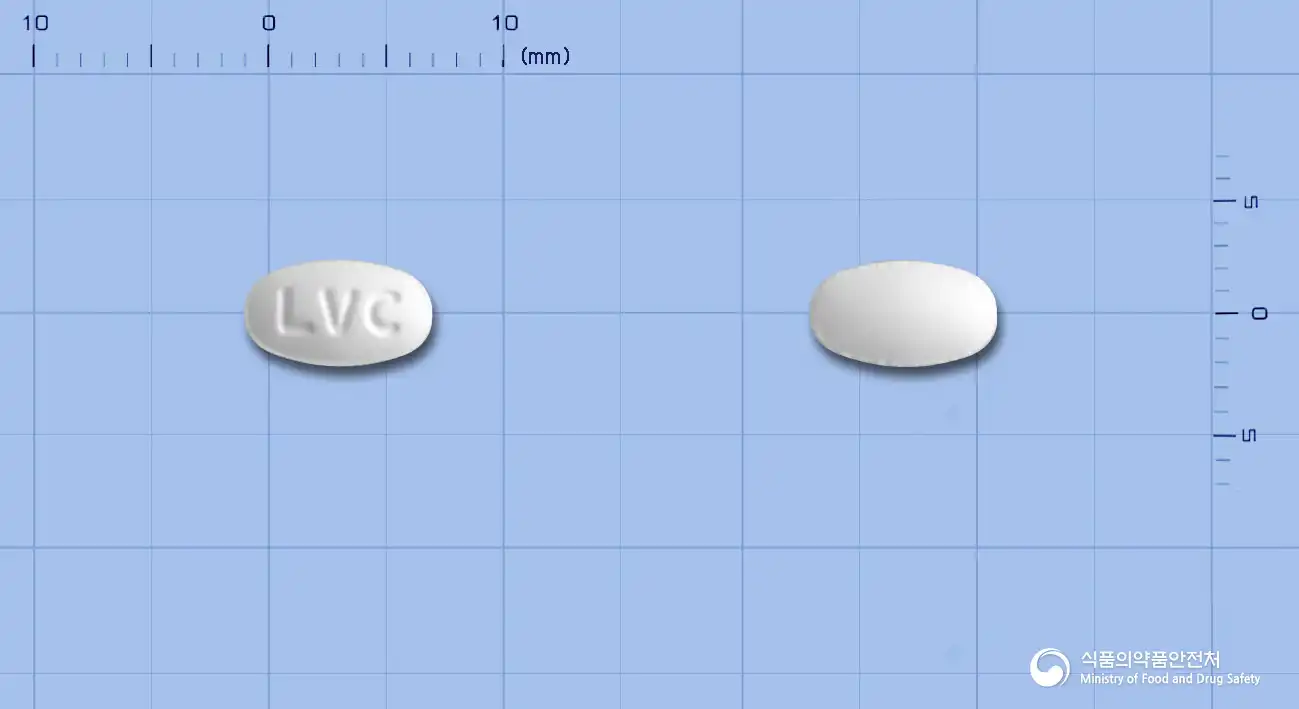
Levocetirizine Hydrochloride 5mg
Tablet · Prescription medication
Hanwha Pharmaceutical Co., Ltd.
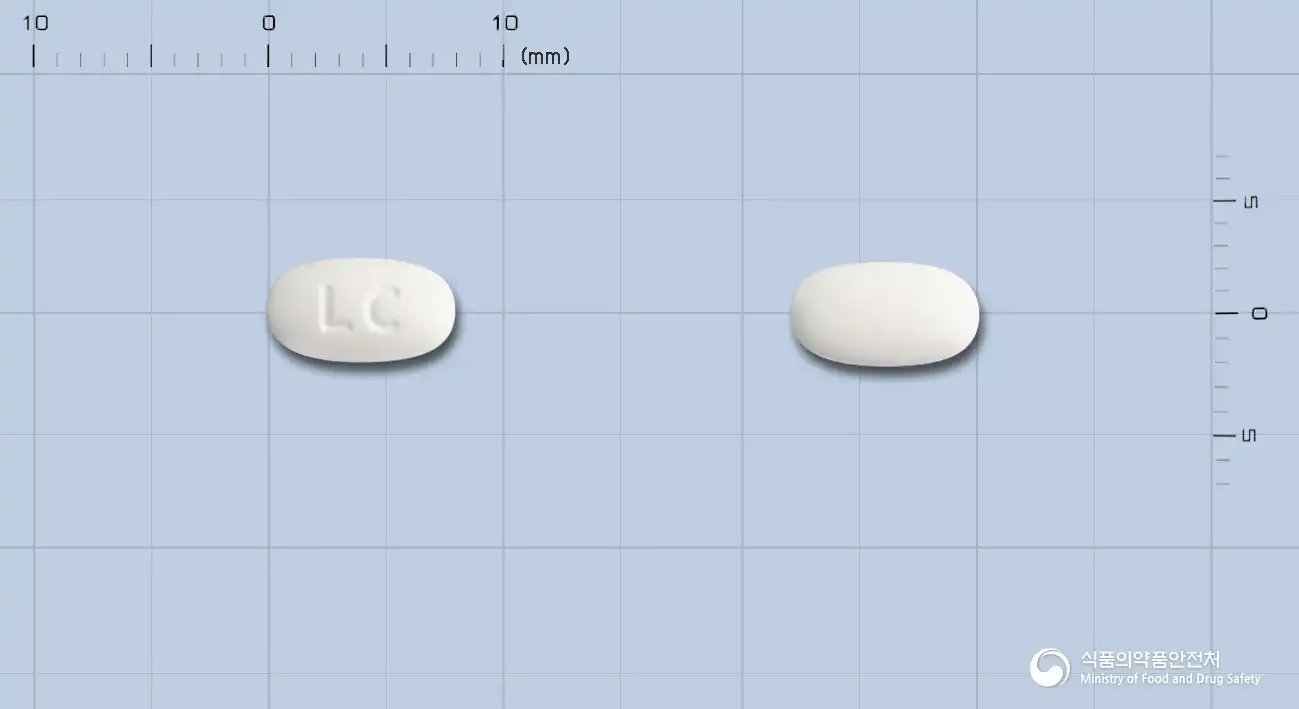
Levocetirizine Hydrochloride 5mg
Tablet · Prescription medication
Dongkwang Pharmaceutical Co., Ltd.
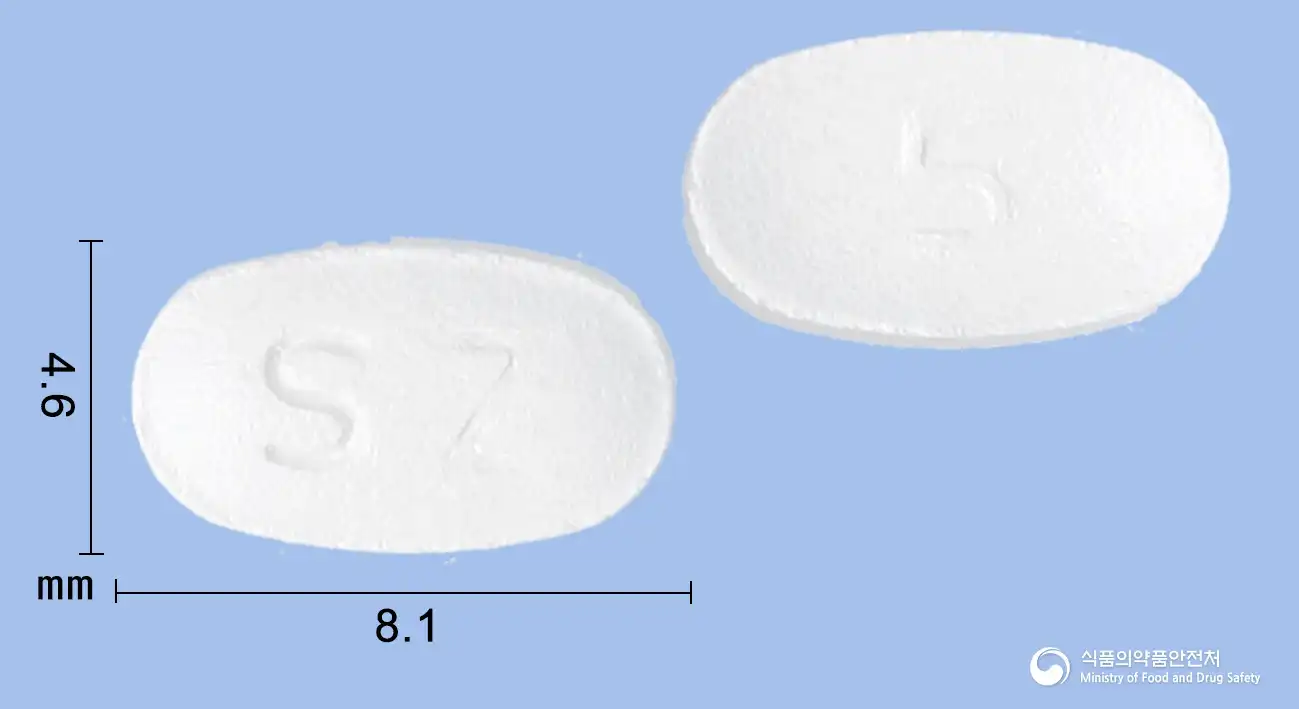
Levocetirizine Hydrochloride 5mg
Tablet · Prescription medication
Kyungdong Pharmaceutical Co., Ltd.
Levocetirizine Hydrochloride 5mg
Tablet · Prescription medication
Hanlim Pharmaceutical Co., Ltd.
Even with the same ingredient, the dose and directions can differ by strength and dosage form. Talk to a doctor or pharmacist before switching from a medication you are already taking.
No questions yet.
For anything that needs medical judgment, consult a doctor or pharmacist.
This drug information is based on data provided by the Korea Ministry of Food and Drug Safety.
Consult a doctor or pharmacist for accurate dosage, administration, and usage instructions.