
 한국어
한국어 English
 日本語
日本語 中文(简体)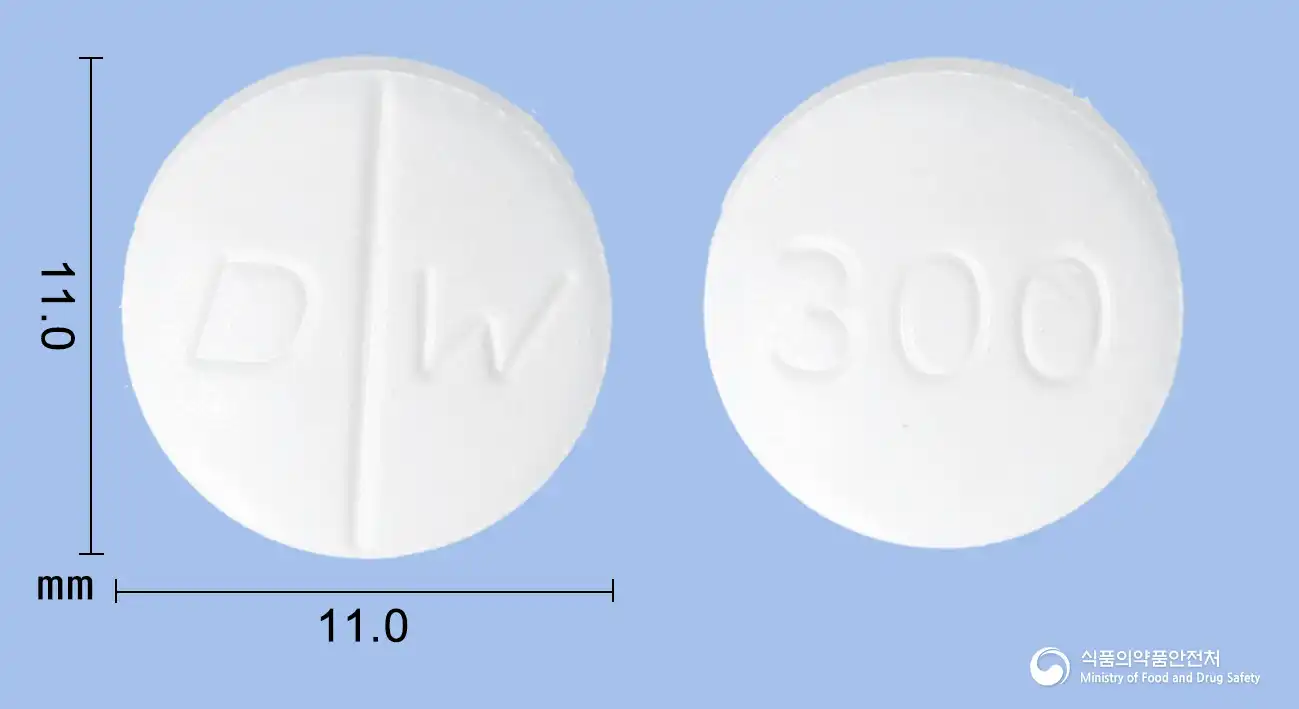
Summary
- Main use
- Efficacy in improving primary biliary cirrhosis (liver function improvement) and prevention of gallstones
- Who takes it
- Adults
- Adult dose
- For improvement of liver function in primary biliary cirrhosis, Ursodeoxycholic acid is administered orally at a dose of 300 mg three times a day with meals. For the prevention of gallstones, patients experiencing rapid weight loss should take 300 mg twice a day, and gastric cancer patients who have undergone gastric resection should take 300 mg once a day.
Ingredients
- Manufacturer
- (주)대웅제약
Efficacy & effects
Efficacy in improving primary biliary cirrhosis (liver function improvement) and prevention of gallstones
- Primary biliary cirrhosis
- rapid weight loss
- obesity
- gallstones after gastric resection
View approved original textHide original text
This medication helps to improve liver function damaged by the liver disease known as primary biliary cirrhosis. It is also used to prevent gallstone formation in obese patients who have experienced rapid weight loss or in patients with gastric cancer who have undergone gastric resection. Therefore, it is effective in improving liver function and preventing gallstones.
How to take
Adult dose
For improvement of liver function in primary biliary cirrhosis, Ursodeoxycholic acid is administered orally at a dose of 300 mg three times a day with meals. For the prevention of gallstones, patients experiencing rapid weight loss should take 300 mg twice a day, and gastric cancer patients who have undergone gastric resection should take 300 mg once a day.
Precautions
This medication should not be used in certain patients. For example, individuals allergic to this drug's ingredients or bile acids should not take it. Additionally, the drug is not indicated for patients with severe biliary obstruction or acute hepatitis, as it may worsen symptoms. Patients with calcified gallstones, radiolucent gallstones, or pigment gallstones should also avoid using this medication. Patients without gallbladder function or those with severe biliary diseases such as acute cholecystitis, cholangitis, biliary obstruction, or gallstone pancreatitis should not take this medication. It is not recommended for women who are pregnant or may become pregnant, breastfeeding women, and children. Caution is required for patients with impaired kidney function or inflammatory conditions of the intestines, such as peptic ulcer or Crohn's disease. This medication contains lactose, so it should not be given to patients with lactose intolerance or related genetic disorders. Patients with severe pancreatic disease or those with gallstones in the bile duct should use this drug cautiously, as should patients with severely impaired liver function. While taking this medication, regular liver function tests should be conducted, and if liver function worsens or abnormal symptoms appear, immediate consultation with a healthcare provider is necessary. Possible side effects during use may include diarrhea, nausea, vomiting, abdominal pain, headache, dizziness, skin rash; it is important to inform a doctor if symptoms worsen. This medication may interact with other drugs, so especially inform healthcare professionals if using diabetes medications, antacids, lipid-lowering agents, or drugs that affect the liver. Pregnant or breastfeeding women should ideally avoid this medication, and it is important for children or elderly patients to consult with professionals before use. In case of overdose, symptoms such as diarrhea may occur, so it is important to follow the exact dosage and immediately consult a healthcare provider if unusual symptoms arise. Finally, this medication should be kept out of reach of children and stored sealed in its original container.
Side effects and when to seek care immediately
Serious side effects
Interstitial pneumonia (fever, cough, difficulty breathing, abnormal chest X-ray), elevation of serum bilirubin levels, symptoms of jaundice, worsening liver function
Mild side effects
- Diarrhea
- nausea
- vomiting
- abdominal pain
- constipation
- heartburn
- gastrointestinal discomfort
- itching
- rash
- general malaise
Show 21 moreCollapse
- dizziness
- calcification of gallstones
- increased liver enzyme levels
- leukopenia
- fatigue
- viral infections
- flu-like symptoms
- abdominal pain
- bloating
- nausea
- back pain
- musculoskeletal pain
- headache
- pharyngitis
- sinusitis
- upper respiratory tract infections
- hair loss
- dysmenorrhea
- indigestion
- pruritus
- chest discomfort
Not everyone experiences these, and they can vary from person to person.
Storage
This medication may be sensitive to air or humidity, so it should be stored in a tightly closed container. The storage temperature should ideally be maintained between 1°C and 30°C at room temperature. By storing it this way, the effectiveness of the medication can be safely preserved.
Appearance and packaging
Appearance
White round tablets
Package unit
30 tablets/bottle, 500 tablets/bottle, 30 tablets (10 tablets/PTP) X 3
Questions about this medicine
No questions yet.
For anything that needs medical judgment, consult a doctor or pharmacist.