
 한국어
한국어 English
 日本語
日本語 中文(简体)
 Viewing nowCombination
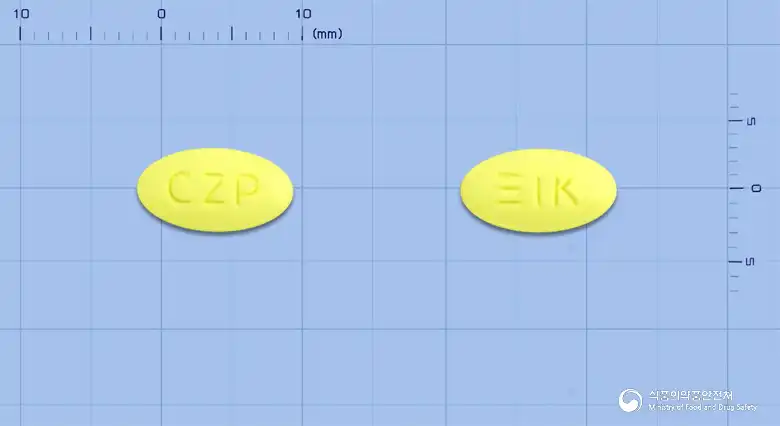
Cesar Plus Tablets
Losartan Potassium 50mg · Hydrochlorothiazide 12.5mg
Tablet · Prescription medication · Combination
Samik Pharmaceutical Co., Ltd.
MFDS item code 200608295 · Notified 2006.07.14 · Insurance code 644000980
Improvement of blood pressure control in cases of inadequate monotherapy for hypertension
This medication is used in patients with hypertension whose blood pressure is not sufficiently controlled with monotherapy.
Losartan Potassium 50 mg / Hydrochlorothiazide 12.5 mg, once daily, one tablet. A dose exceeding Losartan Potassium 100 mg / Hydrochlorothiazide 25 mg per day is not preferable. Depending on blood pressure control, the dose may be increased up to Losartan Potassium 100 mg / Hydrochlorothiazide 25 mg, once daily, one tablet. This medication can be taken without regard to meals. For patients with kidney impairment, creatinine.
There is no experience of use in children and adolescents; therefore, the combination of losartan and hydrochlorothiazide should not be administered to them.
This drug can cause serious harm to the fetus if taken during pregnancy, especially in the second and third trimesters; therefore, it should be discontinued immediately upon confirmation of pregnancy. Patients with allergies to this drug or its components, certain kidney and liver diseases, electrolyte imbalances, and specific genetic metabolic disorders should not take this drug. Patients with low blood pressure or impaired kidney function, those with a history of liver disease, and patients with hyperuricemia or gout should use this drug cautiously and require regular check-ups according to their doctor's instructions. Since this drug lowers blood pressure, dizziness or drowsiness may occur at the beginning of treatment or when the dosage is changed; caution is required when driving or operating machinery. It may affect potassium levels, so potassium supplements or potassium-containing foods should not be taken arbitrarily, and regular blood tests should be conducted to monitor electrolyte status. This drug may react sensitively to sunlight, and prolonged use may increase the risk of skin cancer; therefore, it is essential to minimize sun exposure and regularly check the condition of the skin. There may be interactions with other medications, so particularly if taking diuretics, antihypertensive medications, hypoglycemic agents, or lithium preparations, it is vital to consult with a doctor or pharmacist. Side effects may include dizziness, cough, skin rash, muscle aches, indigestion, etc., but most are mild and temporary; if severe symptoms occur, consult a healthcare professional immediately. This drug has no experience of use in children and adolescents, and it is generally not recommended for them. Caution is also needed for the elderly as the likelihood of side effects may be somewhat higher. To use this drug safely, regular blood pressure measurements and blood tests, as well as adherence to the doctor's instructions, are essential.
Urticaria, severe swelling (edema), chest tightness, difficulty breathing, cold sweat, pallor, severe rash with fever, blisters, skin peeling, pain in oral/ocular mucous membranes, shortness of breath or difficulty breathing, asthma attacks, cough with fever accompanied respiratory abnormalities, yellowing of the skin or eyes (jaundice), profound lethargy, sudden and severe headache, thunderclap headache, seizures, consciousness confusion, visual disturbances, paralysis, and urinary issues.
Not everyone experiences these, and they can vary from person to person.
This drug is sensitive to light and should be stored in an opaque container that blocks light. Furthermore, it is advisable to keep it at room temperature between 1 to 30 degrees Celsius. Avoid very hot or very cold places, and store in a cool, dry place.
Yellow oval film-coated tablets
30 tablets/bottle, 100 tablets/bottle
Even with the same ingredient, strength, dosage form and how it is taken can differ.
Viewing nowCombinationLosartan Potassium 50mg · Hydrochlorothiazide 12.5mg
Tablet · Prescription medication · Combination
Samik Pharmaceutical Co., Ltd.
 Combination
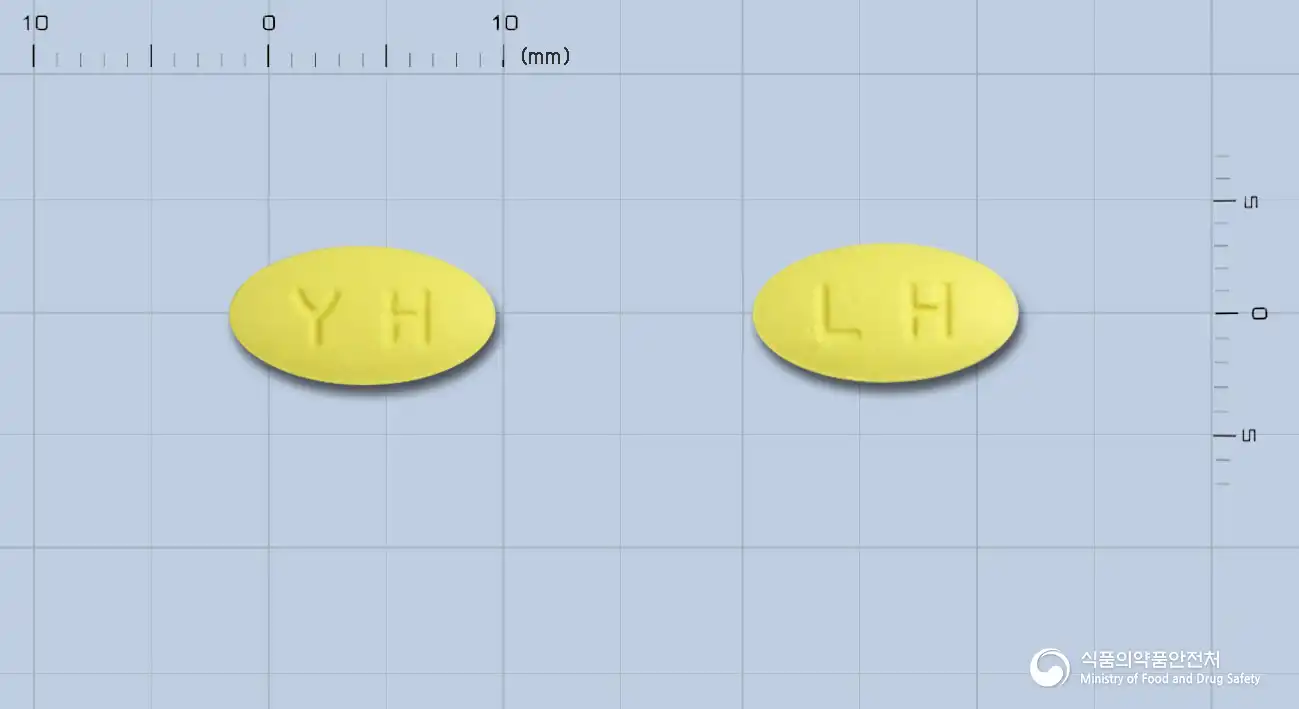
Losartan Potassium 50mg · Hydrochlorothiazide 12.5mg
Tablet · Prescription medication · Combination
(Co., Ltd.) Yuhan
 Combination
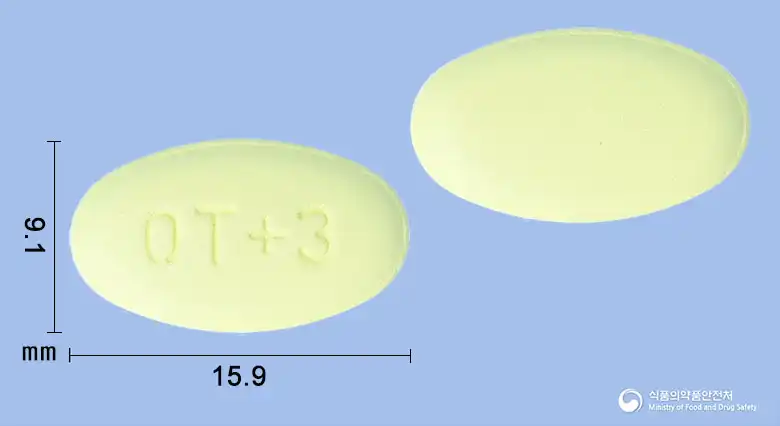
Losartan Potassium 100mg · Hydrochlorothiazide 25mg
Tablet · Prescription medication · Combination
Hanmi Pharmaceutical Co., Ltd.
 Combination
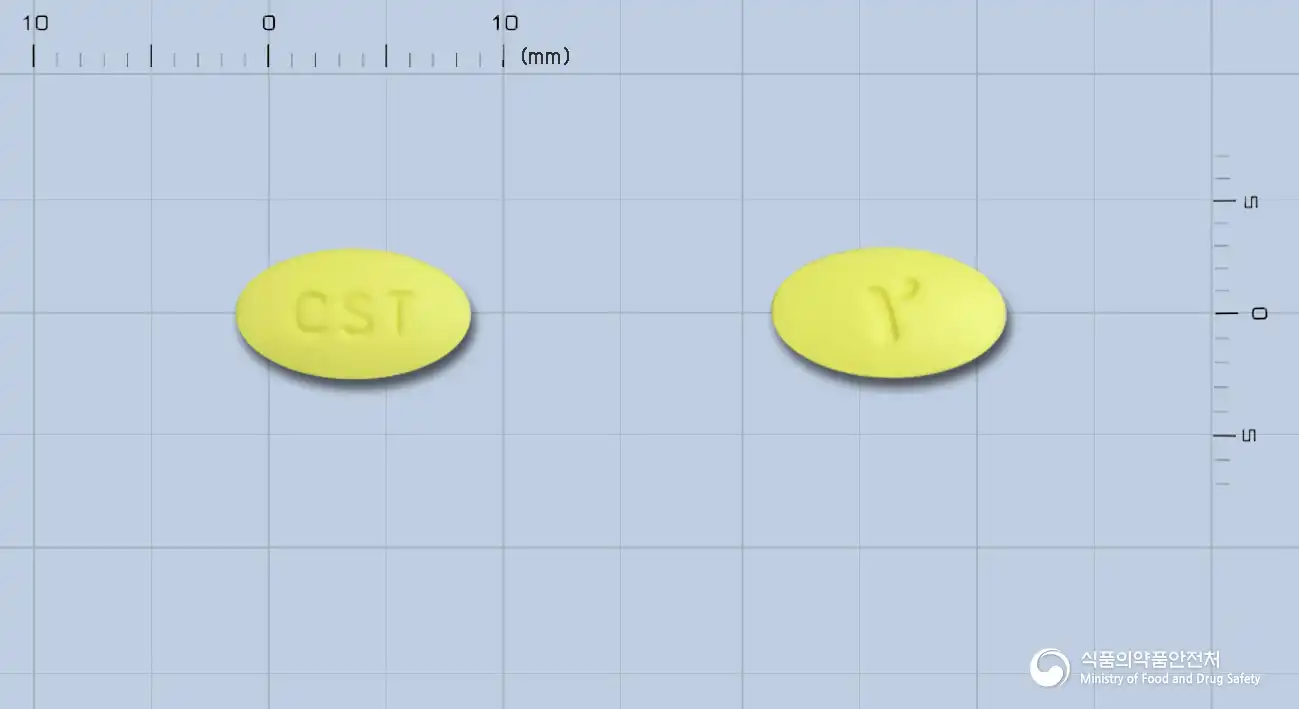
Losartan Potassium 50mg · Hydrochlorothiazide 12.5mg
Tablet · Prescription medication · Combination
(Co., Ltd. ) Yuyoung Pharmaceutical
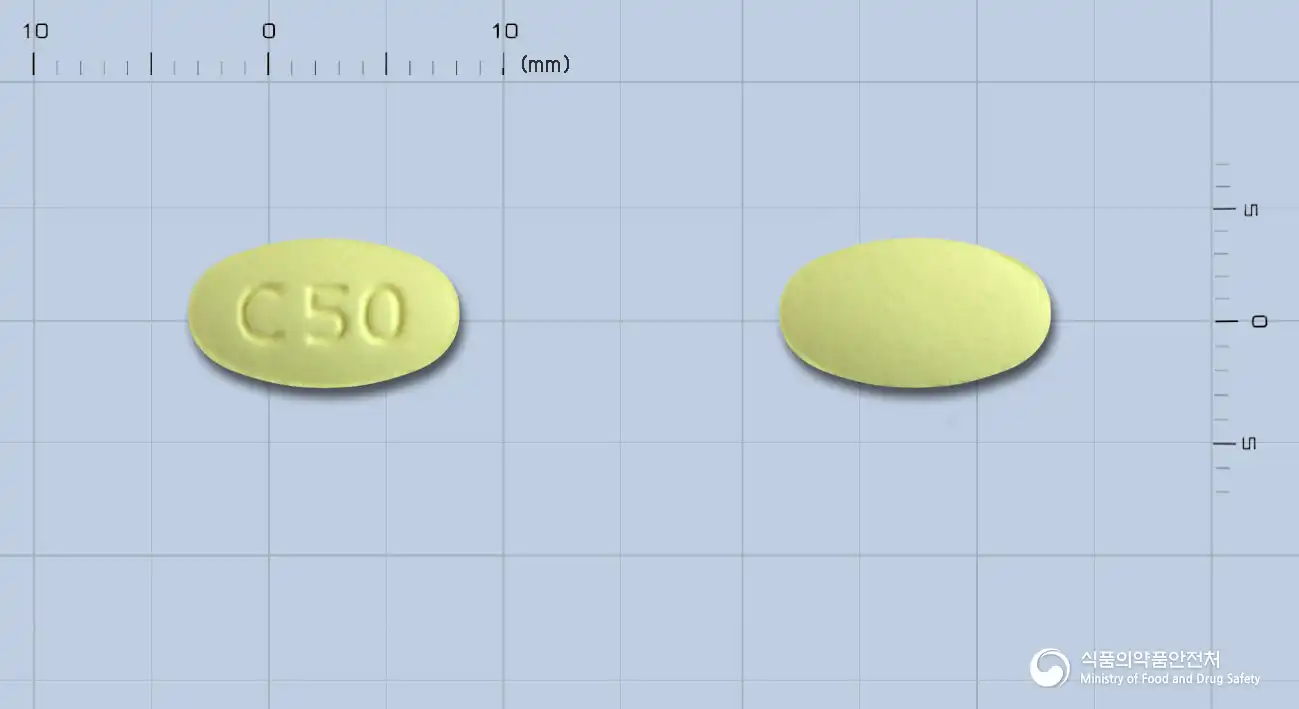 Combination
Losartan Potassium 50mg · Hydrochlorothiazide 12.5mg
Tablet · Prescription medication · Combination
Youngpoong Pharmaceutical Co., Ltd.
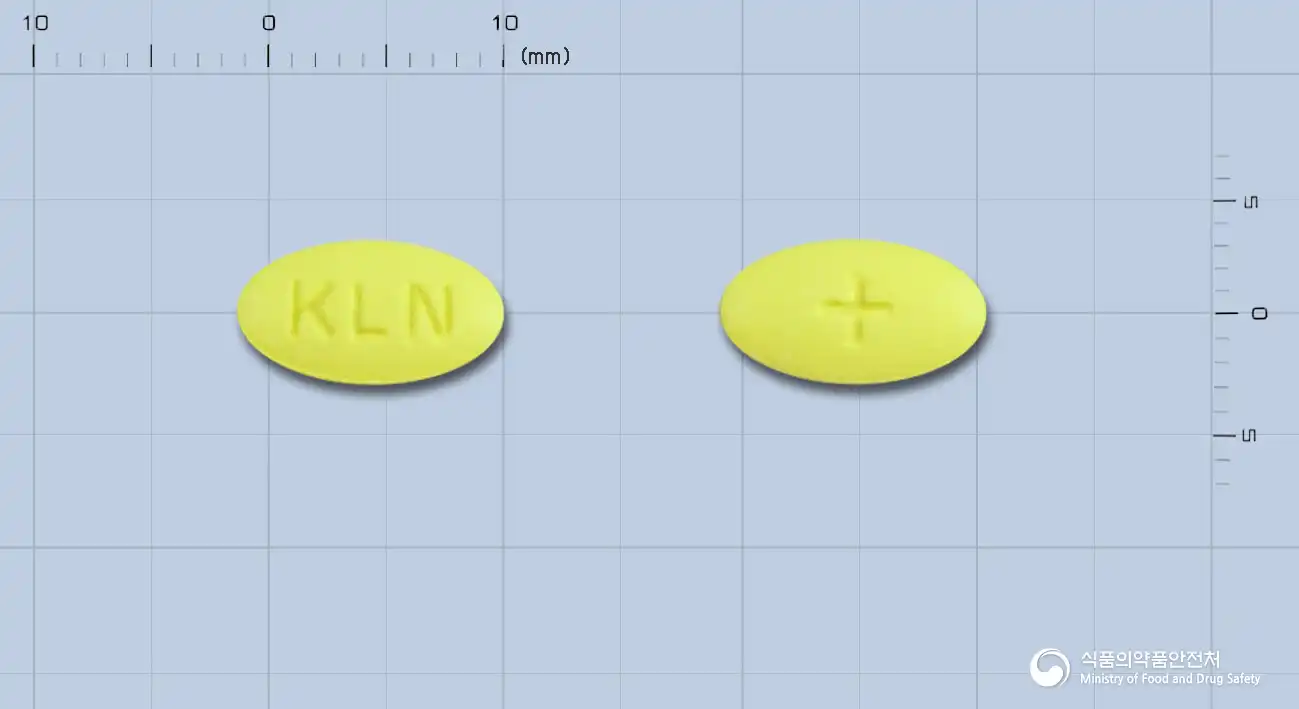 Combination
Losartan Potassium 50mg · Hydrochlorothiazide 12.5mg
Tablet · Prescription medication · Combination
Kolon Pharmaceutical Co., Ltd.
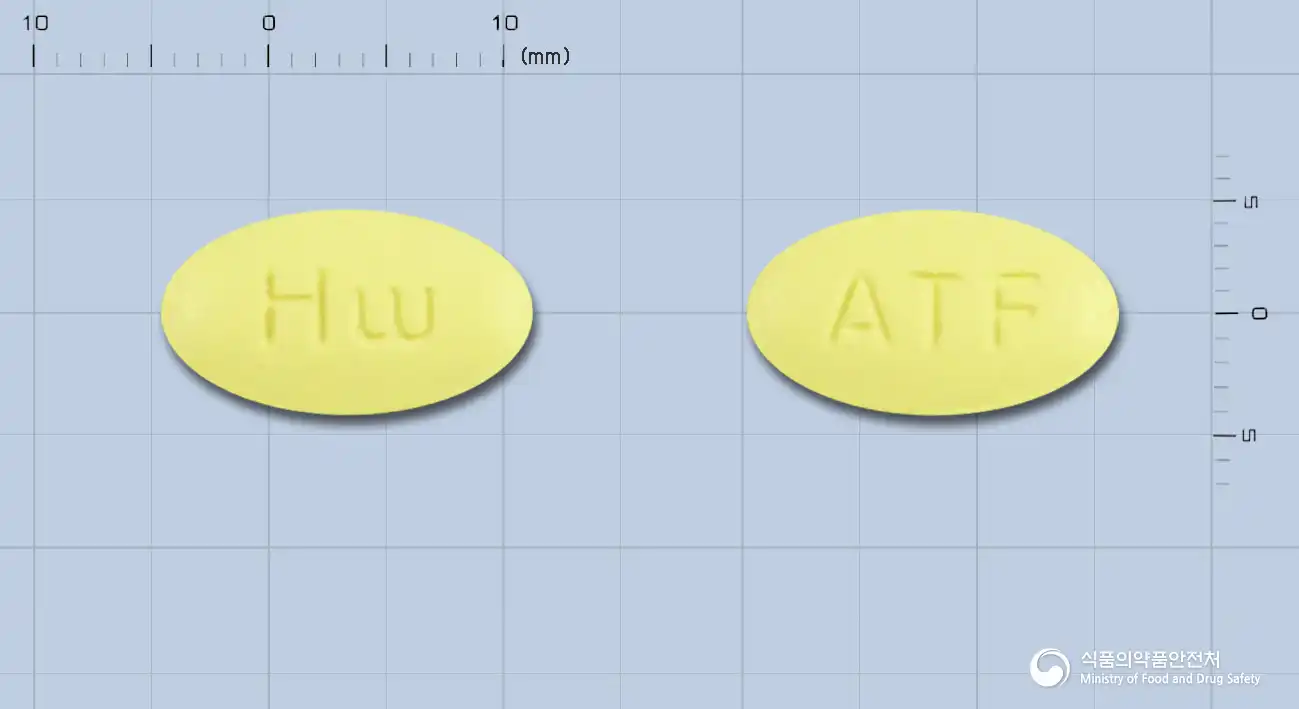 Combination
Losartan Potassium 100mg · Hydrochlorothiazide 25mg
Tablet · Prescription medication · Combination
NBK Pharmaceutical Co., Ltd.
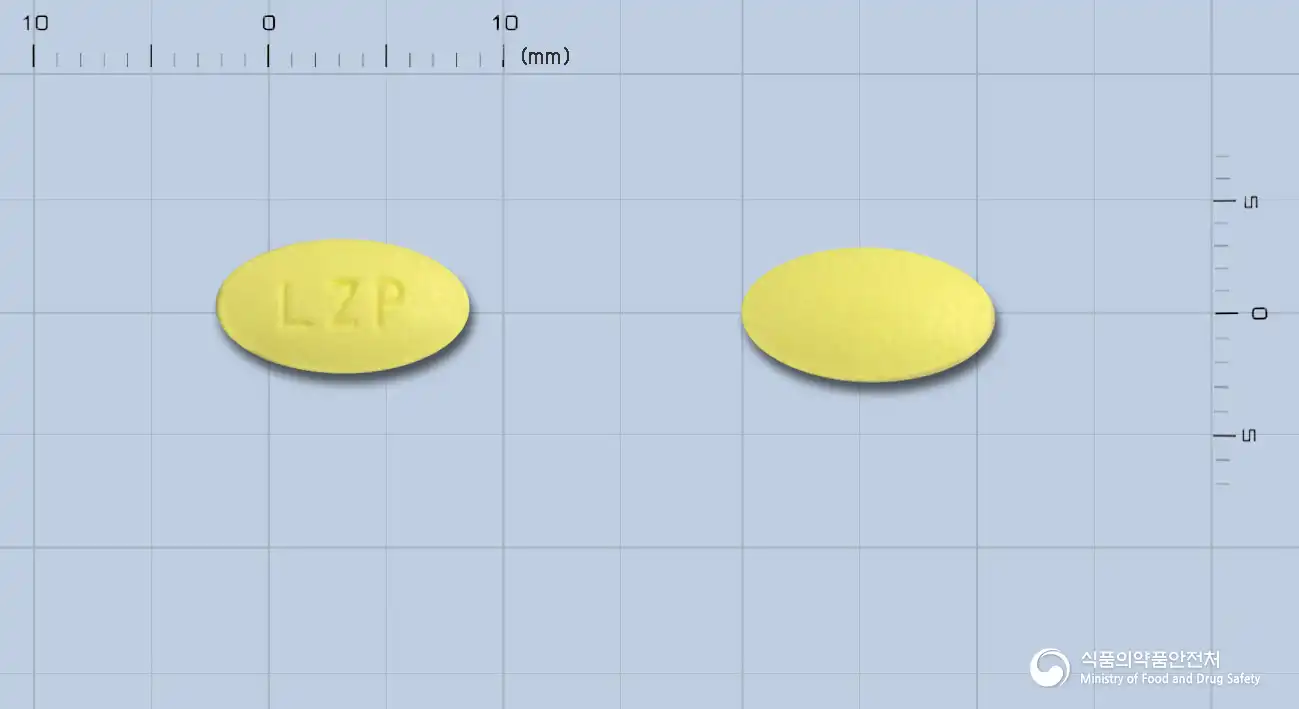 Combination
Losartan Potassium 50mg · Hydrochlorothiazide 12.5mg
Tablet · Prescription medication · Combination
Dongkwang Pharmaceutical Co., Ltd.
Even with the same ingredient, the dose and directions can differ by strength and dosage form. Talk to a doctor or pharmacist before switching from a medication you are already taking.
No questions yet.
For anything that needs medical judgment, consult a doctor or pharmacist.
This drug information is based on data provided by the Korea Ministry of Food and Drug Safety.
Consult a doctor or pharmacist for accurate dosage, administration, and usage instructions.