
 한국어
한국어 English
 日本語
日本語 中文(简体)
Dosage form image
Viewing nowMefirrol-C Syrup 5% (Carbocisteine)
Carbocisteine 5g
Syrup · OTC medication
Il Sung IS Co., Ltd.
MFDS item code 200606982 · Notified 2006.08.24
This product's status changed to Expired on 2025.01.01. It may no longer be sold, so consult a doctor or pharmacist before taking it.
Improvement of difficulties in expectoration (bronchitis, asthma, etc.) and drainage of sinusitis
This medication is effective for difficult expectoration caused by acute and chronic bronchitis, bronchial asthma, bronchiectasis, and pharyngitis. It is also used to expel pus in cases of chronic sinusitis where pus accumulates in the sinuses or fluid accumulates in the middle ear due to effusive otitis media. In other words, it helps to expel mucus and pus related to respiratory and sinus conditions.
As carbocisteine, the initial dosage is 750 mg once, taken 3 times a day orally, and when symptoms improve, take 500 mg once, 3 times a day.
Ages 13 to 18: Take 250 to 500 mg once, 3 to 4 times a day. Ages 6 to 12: Take 250 mg once, 3 times a day. Ages 2 to 5: Take 250 mg once a day.
This medication should not be used by patients with ulcers in the stomach or duodenum. It should also not be taken by individuals with allergic reactions to this medication or its ingredients. It is safest not to administer this medication to children under 2 years old. Patients with liver or heart issues should consult a doctor or pharmacist before taking this medication. Individuals with a history of stomach or duodenal ulcers should also consult a professional. Women who are pregnant or may become pregnant should avoid taking this medication due to uncertain safety, especially during the first three months of pregnancy. It is also advisable for breastfeeding women to refrain from using this medication. Elderly patients may have reduced bodily functions; therefore, a lower dose or caution is recommended when taking this medication. This medication contains a dye called Yellow No. 5, so people allergic or sensitive to this ingredient should take it with extra caution. If symptoms such as nausea, vomiting, abdominal discomfort or pain, gastrointestinal bleeding, heartburn, decreased appetite, diarrhea, or thirst occur while taking this medication, stop taking it immediately and consult a doctor. Inflammation in the mouth or skin rash, red spots, or eczema may occur, and rarely symptoms such as headaches, nasal inflammation, itching, heart palpitations, runny nose, and a feeling of fullness may also be reported. In severe cases, serious syndromes such as severe skin peeling, liver dysfunction, jaundice, shock, or rapid allergic reactions (anaphylaxis) may occur, so if such symptoms appear, stop taking the medication immediately and consult healthcare personnel. Additionally, if a cough persists for more than 14 days, also stop taking the medication and consult a professional. Overdosing on this medication may be alleviated by gastric lavage, and gastrointestinal disturbances are the most common side effects. When taking this medication alongside antibiotics or certain syrups, color or smell changes may occur, so it is advisable to take them separately when necessary. This medication should be kept out of reach of children and stored in a tightly sealed container away from direct sunlight in a cool and dry place. Moreover, transferring the medication from its original container to another may compromise its quality or lead to misuse, so it must be stored in its original container.
Not everyone experiences these, and they can vary from person to person.
This medication should be kept in a tightly sealed container to prevent air or moisture from entering. The storage temperature should be maintained at room temperature between 1 degree and 30 degrees Celsius.
This medication is an orange syrup.
500 mL/bottle
Even with the same ingredient, strength, dosage form and how it is taken can differ.
Carbocisteine 5g
Syrup · OTC medication
Il Sung IS Co., Ltd.
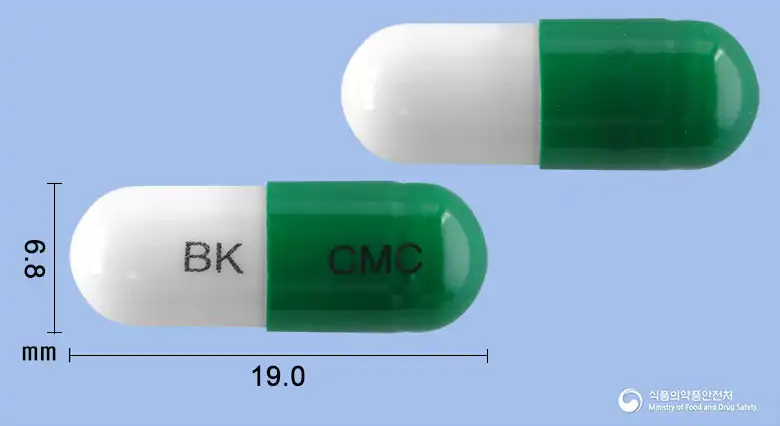
Carbocisteine 375mg
Hard capsule · OTC medication
Bukwang Pharmaceutical Co., Ltd.
Carbocisteine 2g
Syrup · OTC medication
Farmgen Science Co., Ltd.
Carbocisteine 5g
Syrup · OTC medication
Pharmgen Science Co., Ltd.
Carbocisteine 2000mg
Syrup · OTC medication
Bukwang Pharmaceutical Co., Ltd.
Carbocisteine 5000mg
Syrup · OTC medication
Bukwang Pharmaceutical Co., Ltd.
Carbocisteine 2g
Syrup · OTC medication
Il Sung IS Co., Ltd.
Even with the same ingredient, the dose and directions can differ by strength and dosage form. Talk to a doctor or pharmacist before switching from a medication you are already taking.
No questions yet.
For anything that needs medical judgment, consult a doctor or pharmacist.
This drug information is based on data provided by the Korea Ministry of Food and Drug Safety.
Consult a doctor or pharmacist for accurate dosage, administration, and usage instructions.