
 한국어
한국어 English
 日本語
日本語 中文(简体)
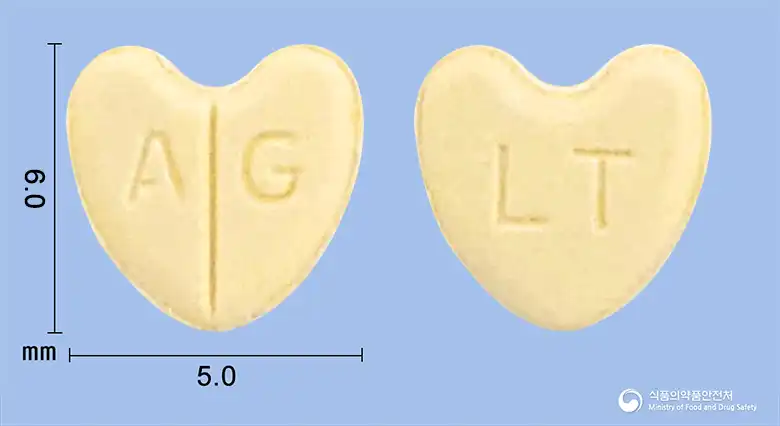 Viewing now
Levotension Tablet 2.5 mg (S-Amlodipine Besylate 2.5 Hydrate)
S-Amlodipine Besylate 2.5 Hydrate 3.74mg
Tablet · Prescription medication
Anguk Pharmaceutical Co., Ltd.
MFDS item code 200606326 · Approved 2006.01.31 · Insurance code 650200400
Improvement of myocardial ischemia due to hypertension and stable/variant angina, and reduction of hospitalization risk due to angina.
This medication is used for the treatment of myocardial ischemia caused by stable angina due to hypertension and fixed coronary occlusion, as well as variant angina caused by vasospasm and vasoconstriction. Additionally, in patients diagnosed with coronary artery disease via recent angiography who do not have heart failure and whose cardiac output is not less than 40%, it aids in reducing the risk of hospitalization due to angina and complications potentially arising after coronary artery revascularization. This helps protect cardiac function and effectively improve symptoms.
This medication should be taken with a sufficient amount of water. S-Amlodipine is administered orally as 2.5 mg once daily, and the dose may be increased to a maximum of 5 mg per day depending on the patient's response. Adjustments should be made based on age and symptoms.
This medication should be taken with a sufficient amount of water. For children aged 6-17 years, the oral dose of S-Amlodipine for effective blood pressure reduction is 1.25 mg-2.5 mg once daily. In pediatric patients,
This drug should not be used in certain patients. For example, it should not be administered to individuals who are allergic to this drug or its constituents, women who are pregnant or breastfeeding, patients in cardiogenic shock, those with severe aortic stenosis, unstable angina patients, patients within one month post-myocardial infarction, those with severe liver dysfunction, and patients with severe hypotension. Moreover, caution is advised when administering this drug to patients with very poor kidney function, the elderly, those with acute heart failure, patients in hypertensive crisis, and those with mild to moderate liver function impairment. Various side effects may occur while taking this medication. The most common side effects include facial flushing, feeling warm, fatigue, swelling, rapid heartbeat, dizziness, headache, abdominal pain, nausea, drowsiness, and ankle swelling. Rarely, symptoms such as dry mouth, excessive sweating, weakness, hypotension, dizziness, peripheral ischemia, erectile dysfunction, skin rash, allergic reactions, hepatitis, and jaundice can occur, so if any unusual symptoms arise, immediate consultation with a doctor is advised. Stopping this drug suddenly may worsen symptoms; therefore, if discontinuing or reducing the dosage, it should be done gradually as directed by a physician. Precautions should be taken particularly when treating patients with heart failure or liver function impairment, and because the drug's effects appear slowly, it may not be suitable for emergency situations. This drug should be taken with a sufficient amount of water, and caution is advised while driving or operating hazardous machinery as dizziness or drowsiness may occur. This medication may interact with other drugs, particularly specific antibiotics, antihypertensive agents, antidepressants, nitrates, and some analgesics; therefore, consultation with a physician or pharmacist is recommended when taking these concomitantly. Taking it with grapefruit juice may enhance the medication's effect, so it is advisable to avoid this combination. Safety of this drug has not been established during pregnancy or breastfeeding, so it is preferable to avoid it or discontinue breastfeeding if necessary. This medication is to be used only in children aged 6 and above, as safety and efficacy have not been determined for children under 6 years of age. Elderly patients may retain the drug in their system longer, so it is advisable to start with a low dose and carefully monitor their condition. In cases of overdose, severe hypotension, cardiac anomalies, and shock may occur, necessitating immediate hospital treatment, and continuous monitoring is required post-administration as the drug may still remain in the body. Store this medication out of reach of children, and do not transfer it to other containers.
Hives, severe swelling (edema), chest tightness, difficulty breathing, cold sweat, pallor, severe allergic reactions, high fever with severe rashes, blisters, skin peeling, pain of mucous membranes (in mouth/eyes), severe skin adverse reactions, difficulty breathing or shortness of breath, asthma attacks, respiratory distress accompanied by cough+fever, respiratory problems, yellowing of skin or eyes (jaundice), profound lethargy, liver abnormalities (jaundice), sudden and
Not everyone experiences these, and they can vary from person to person.
This drug may be sensitive to air and moisture, so it should be stored in a tightly sealed container to prevent leakage. Additionally, it is recommended to store the medication at room temperature, ideally between 1 to 30 degrees Celsius, away from extreme heat or cold.
Light yellow heart-shaped tablet with a scored line.
30 tablets/bottle, 300 tablets/bottle
Even with the same ingredient, strength, dosage form and how it is taken can differ.
Viewing nowS-Amlodipine Besylate 2.5 Hydrate 3.74mg
Tablet · Prescription medication
Anguk Pharmaceutical Co., Ltd.
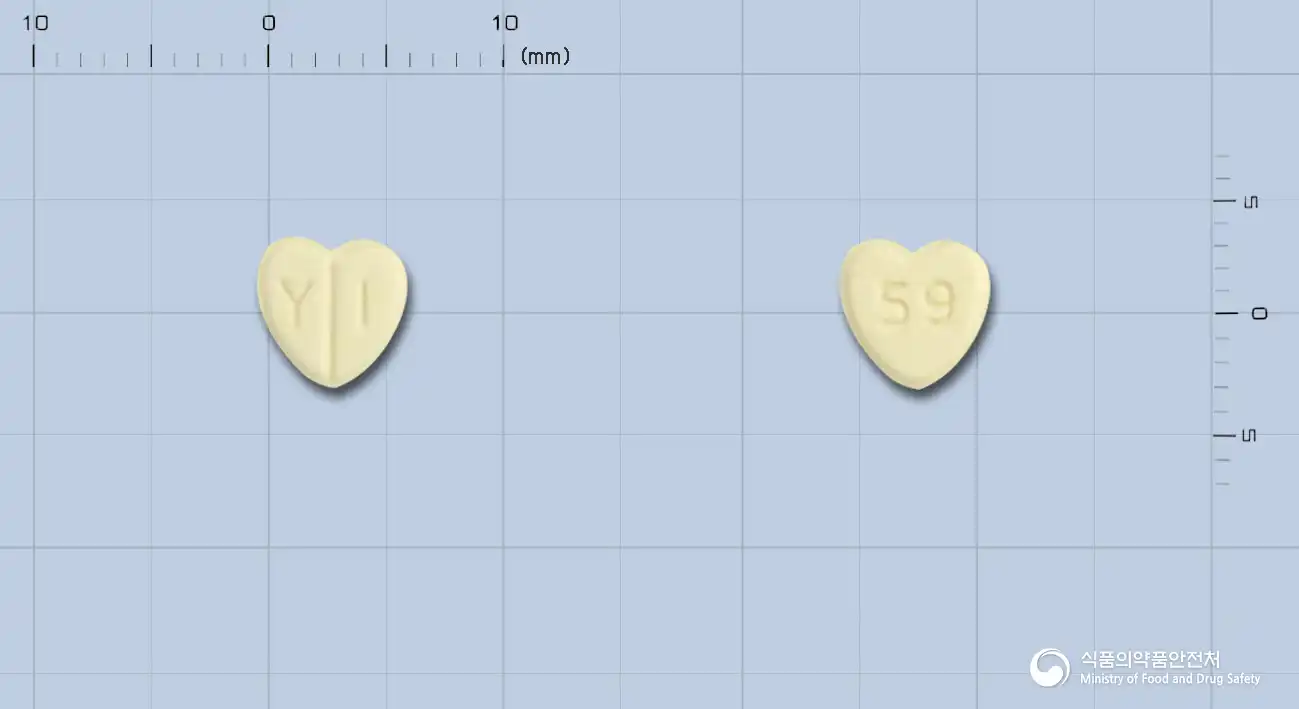
S-Amlodipine Besylate 2.5 Hydrate 3.74mg
Tablet · Prescription medication
Youngil Pharmaceutical Co., Ltd.
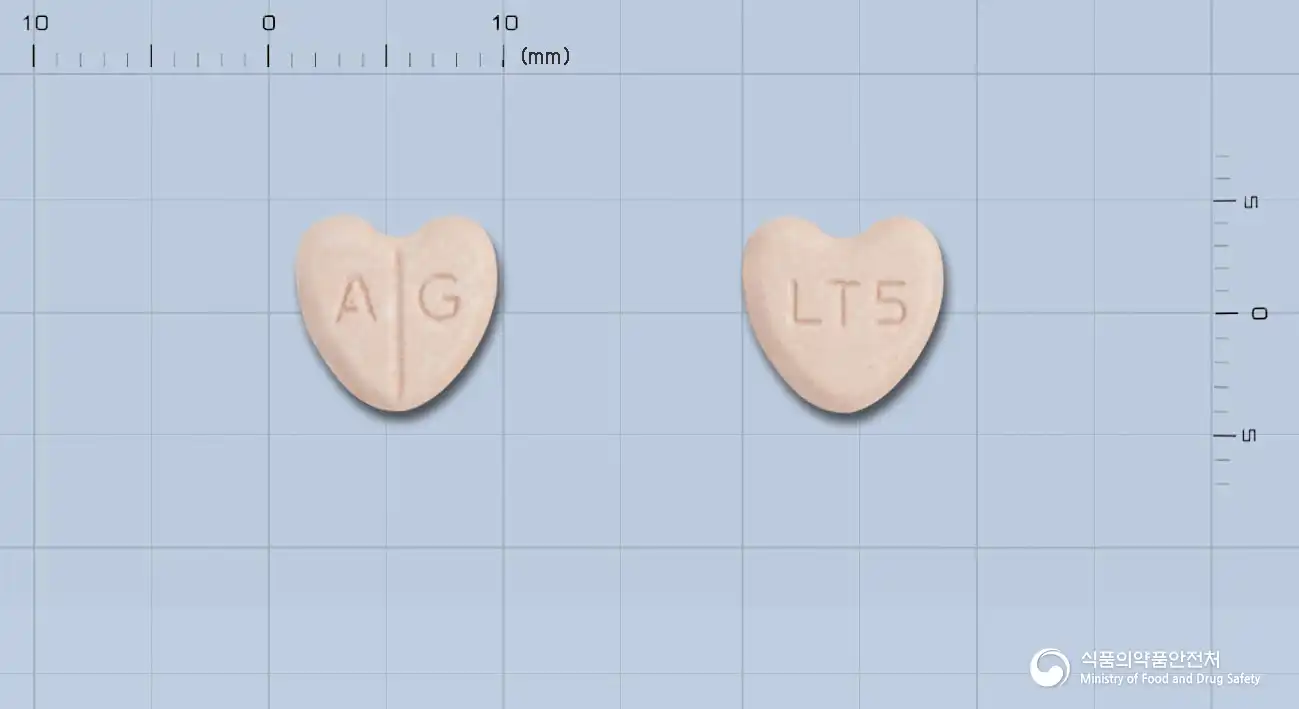
S-Amlodipine Besylate 2.5 Hydrate 7.48mg
Tablet · Prescription medication
Ahn-Guk Pharmaceutical Co., Ltd.
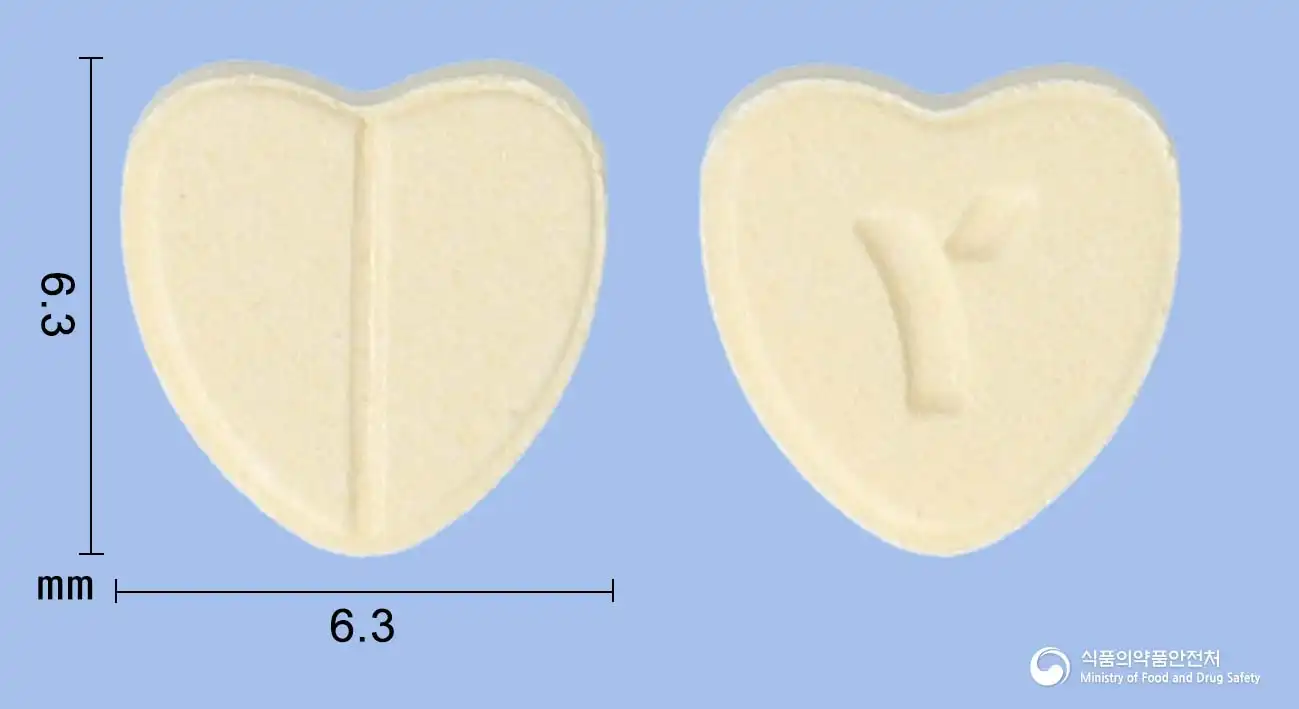
S-Amlodipine Besylate 2.5 Hydrate 3.74mg
Tablet · Prescription medication
Youyoung Pharmaceutical Co., Ltd.
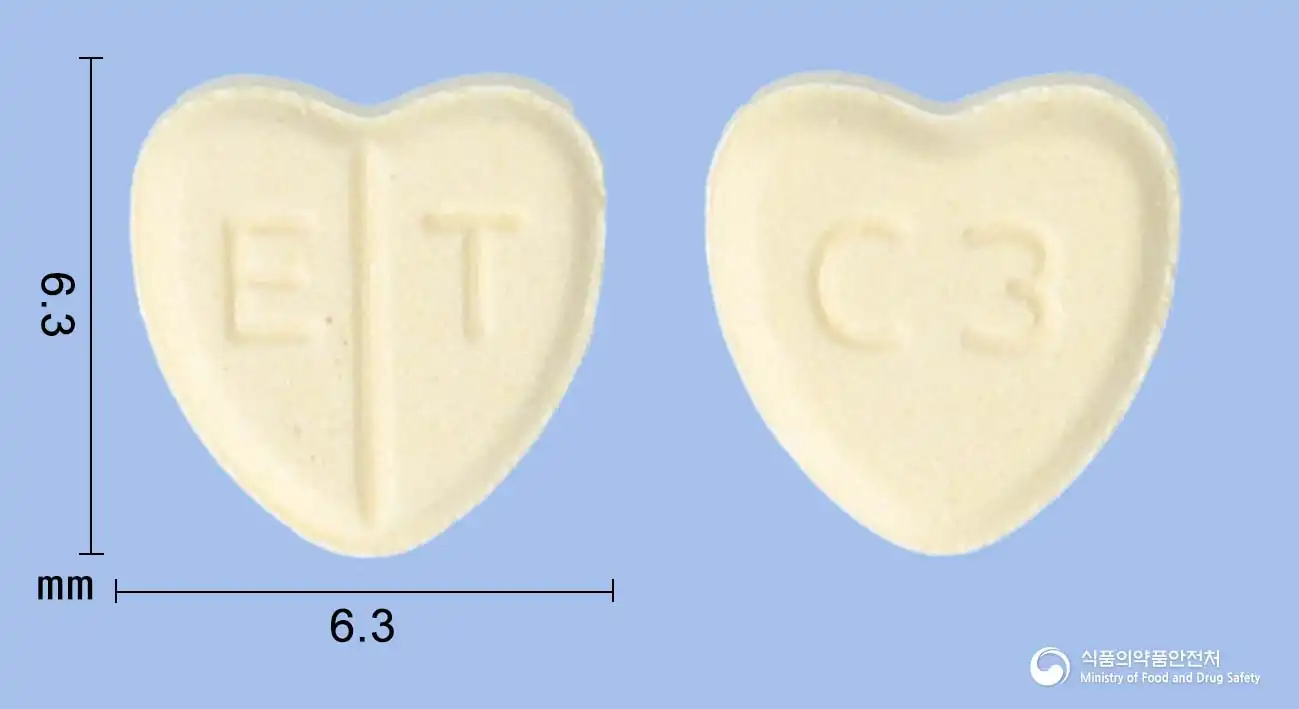
S-Amlodipine Besylate 2.5 Hydrate 3.74mg
Tablet · Prescription medication
Teragen Etex Co., Ltd.
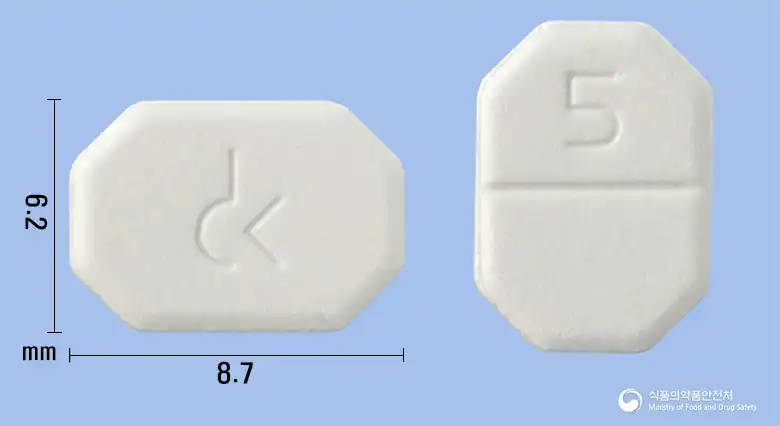
S-Amlodipine Besylate 2.5 Hydrate 7.48mg
Tablet · Prescription medication
Dongkuk Pharmaceutical Co., Ltd.
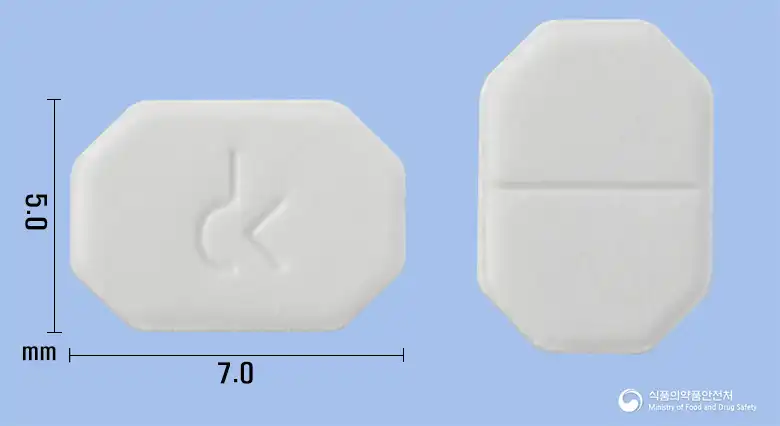
S-Amlodipine Besylate 2.5 Hydrate 3.74mg
Tablet · Prescription medication
Dongkook Pharmaceutical Co., Ltd.
Even with the same ingredient, the dose and directions can differ by strength and dosage form. Talk to a doctor or pharmacist before switching from a medication you are already taking.
No questions yet.
For anything that needs medical judgment, consult a doctor or pharmacist.
This drug information is based on data provided by the Korea Ministry of Food and Drug Safety.
Consult a doctor or pharmacist for accurate dosage, administration, and usage instructions.