
 한국어
한국어 English
 日本語
日本語 中文(简体)
Dosage form image
Viewing nowDong-A Gastro Injection 20 Milligrams (Vial) (Famotidine)
Famotidine 20mg
Injections · Prescription medication
Dong-A ST Co., Ltd.
MFDS item code 200600041 · Notified 2006.02.22
This product's status changed to Expired on 2025.04.01. It may no longer be sold, so consult a doctor or pharmacist before taking it.
Inhibition of upper gastrointestinal bleeding (such as peptic ulcer, hemorrhagic gastritis) and prevention of stress-related bleeding.
This medication is used to treat upper gastrointestinal bleeding caused by peptic ulcer, acute stress ulcer, hemorrhagic gastritis, etc. It is also effective for conditions characterized by excessive gastric acid secretion, such as Zollinger-Ellison syndrome. It helps prevent upper gastrointestinal bleeding caused by physical stress due to major surgery, severe cerebrovascular diseases, head trauma, multiple organ failure, and severe burns. It suppresses gastric acid secretion prior to anesthesia, reducing the risk of bleeding during surgery. This medication is used to prevent and treat gastrointestinal bleeding.
Dissolve 20 mg in 20 mL of normal saline or dextrose injection, and administer slowly by intravenous injection twice a day (every 12 hours) or mix with IV fluids for drop infusion. Alternatively, dissolve 20 mg in 1-1.5 mL of sterile water for injection and administer intramuscularly twice a day (every 12 hours). For pre-anesthetic dosing, dissolve 20 mg in 1-1.5 mL of sterile water for injection and administer intramuscularly one hour before anesthesia induction or slowly by intravenous injection of normal saline or dextrose solution 20 mL one hour before anesthesia induction.
This medication should not be used in patients who have previously shown an allergic reaction to its components. In patients with impaired kidney function, the concentration of this medication may remain in the body for a long time, thus it should be used cautiously by reducing the dose or extending the administration interval. Patients with heart diseases should be careful as this medication may affect the heart. Patients with liver dysfunction should also be cautious as symptoms may worsen with its use. Elderly patients are likely to have decreased kidney function, resulting in higher concentrations of the drug, necessitating dosage adjustments. While using this medication, severe allergic reactions, shock, respiratory distress, or other abnormal symptoms may occur; if any unusual symptoms arise, discontinue the drug immediately and consult a healthcare professional. Serious side effects such as decrease in blood cell counts or anemia may occur, making regular blood tests necessary. Severe skin reactions such as Stevens-Johnson syndrome, characterized by severe rashes or blisters, have been reported, so skin conditions should be closely monitored. If there are any signs of liver dysfunction or jaundice, inform a healthcare professional immediately. Symptoms of rhabdomyolysis, such as muscle pain or a significant increase in specific enzyme levels in the blood, may occur, requiring caution. Cardiac arrhythmias or neurological side effects such as seizures and altered consciousness may occur, so report any abnormalities immediately. Signs of kidney inflammation or acute renal failure may also appear, necessitating immediate discontinuation of the medication if fever, skin rash, or abnormal kidney function tests are present. This medication is used during a limited time for preventing stress-related gastrointestinal bleeding after surgery, and it is safe to administer only for the minimum required period. Additionally, if this medication is ineffective, it may be necessary to switch to other treatment methods. Interactions with other drugs may occur, especially caution is advised when used with antifungal or specific anticancer agents. Women who are pregnant or may become pregnant should use this medication only after carefully weighing its benefits and risks, and nursing mothers should discontinue breastfeeding during its use. Safety in pediatric patients has not been sufficiently established, so caution is required when used in children. When using an ampoule injection, it should be carefully cleaned and opened to prevent glass fragments from contaminating. Lastly, this medication can mask symptoms of gastric cancer, so it should only be used when it is certain that the condition is not gastric cancer.
Shock, hypersensitivity (anaphylaxis, respiratory distress, generalized flushing, angioedema, urticaria), pancytopenia, agranulocytosis, aplastic anemia, hemolytic anemia, Stevens-Johnson syndrome, Lyell's syndrome, liver dysfunction, jaundice, rhabdomyolysis, QT prolongation, ventricular tachycardia, ventricular fibrillation, altered consciousness, seizures, interstitial nephritis, acute renal failure, congestive heart failure, urticaria, facial swelling, increased blood pressure
Not everyone experiences these, and they can vary from person to person.
This medication should be stored in a tightly sealed container to prevent air from entering, and it is best to maintain a storage temperature between 1 and 30 degrees Celsius. Storing it this way helps to maintain the drug's effectiveness over time.
A white porous solid or powder contained in a colorless transparent vial, to be dissolved before use as an injection.
10 vials
Even with the same ingredient, strength, dosage form and how it is taken can differ.
Famotidine 20mg
Injections · Prescription medication
Dong-A ST Co., Ltd.
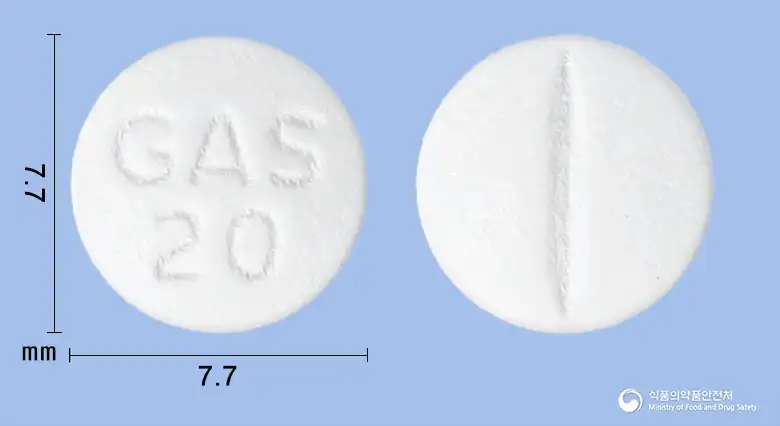
Famotidine 20mg
Prescription medication
Dong-A ST Co., Ltd.
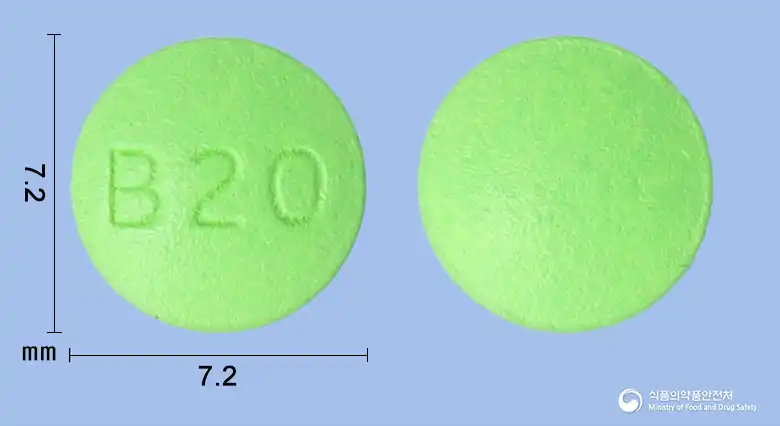
Famotidine 20mg
Tablet · Prescription medication
JW Pharmaceutical Corporation
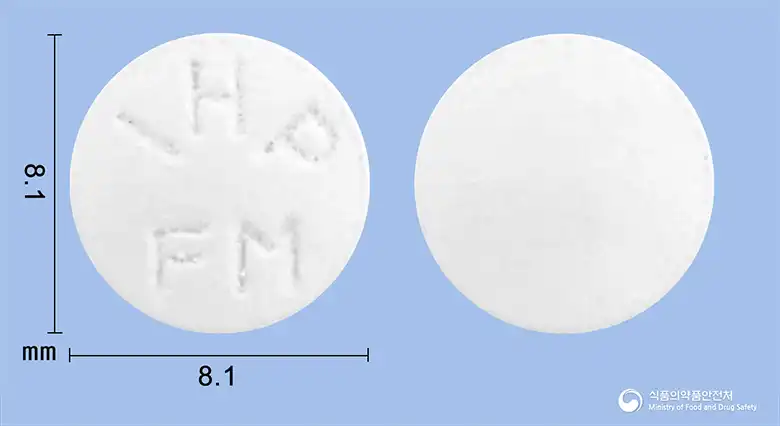
Famotidine 20mg
Tablet · Prescription medication
(Stock Company) Ilhwa

Famotidine 20mg
Prescription medication
Youngpoong Pharmaceutical Co., Ltd.
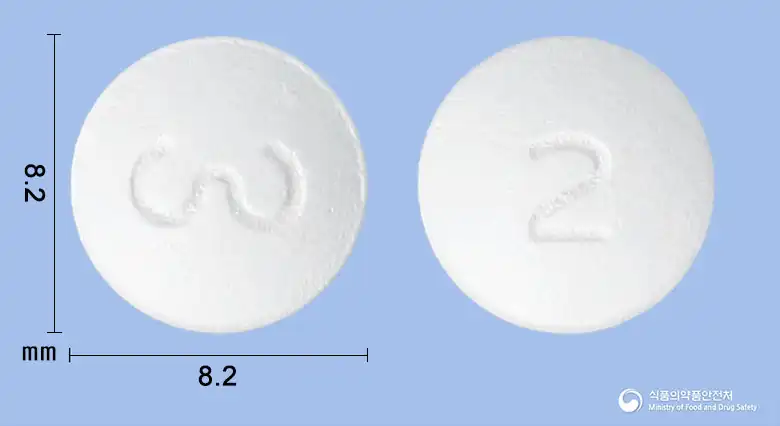
Famotidine 20mg
Tablet · Prescription medication
Withus Pharmaceutical Co., Ltd.
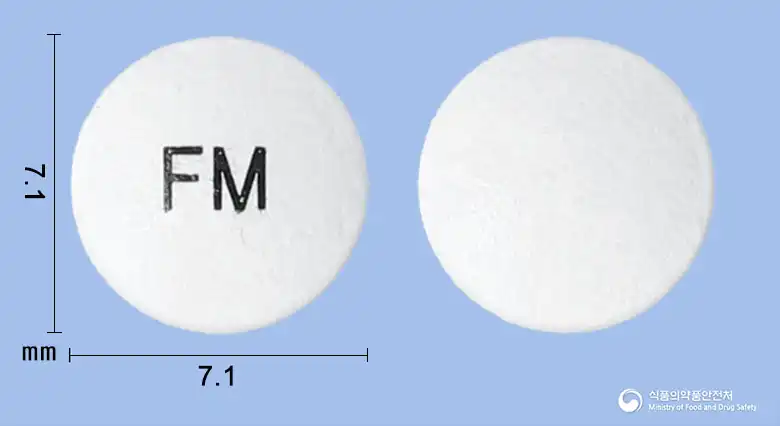
Famotidine 20mg
Prescription medication
(Stock Company) Seoul Pharmaceutical
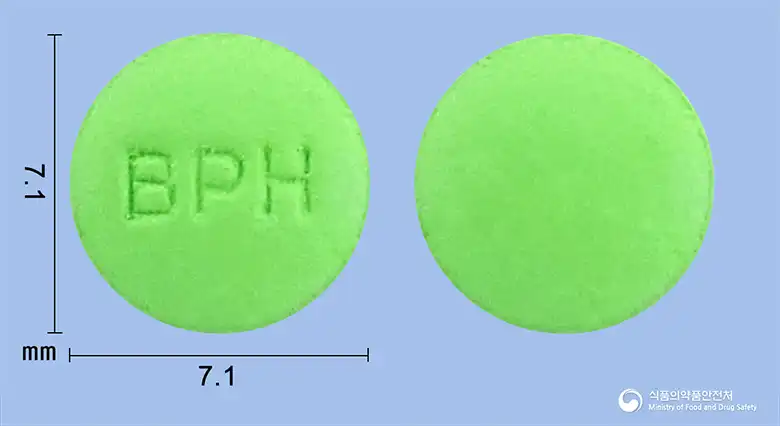
Famotidine 20mg
Tablet · Prescription medication
(Stock Company) Genupharm
Even with the same ingredient, the dose and directions can differ by strength and dosage form. Talk to a doctor or pharmacist before switching from a medication you are already taking.
No questions yet.
For anything that needs medical judgment, consult a doctor or pharmacist.
This drug information is based on data provided by the Korea Ministry of Food and Drug Safety.
Consult a doctor or pharmacist for accurate dosage, administration, and usage instructions.