
 한국어
한국어 English
 日本語
日本語 中文(简体)
Dosage form image
Viewing nowOkobic Injection (Ascorbic Acid)
Ascorbic Acid 500mg
Prescription medication
Os Korea Pharmaceutical Co., Ltd.
MFDS item code 200502454 · Notified 2005.09.21
Prevention of vitamin C deficiency and treatment of scurvy, promotes capillary bleeding and bone union.
This medication is used for the prevention and treatment of acute vitamin C deficiency and is effective for diseases such as scurvy. It also helps when the demand for vitamin C increases in pregnant women, nursing mothers, or during intense physical labor. It is believed to play a role in capillary bleeding, deficiency caused by drug administration, bone matrix formation, and promoting bone union in case of fractures. It is also used for skin conditions such as melasma, freckles, post-inflammatory pigmentation, and photodermatitis. Overall, this drug improves various symptoms and conditions related to vitamin C deficiency.
As ascorbic acid, administer 50 to 1,000 mg per day, divided once to several times daily by subcutaneous, intramuscular, or intravenous injection. Adjust dosage appropriately depending on age and symptoms.
This medication should not be used in patients with allergic reactions to this drug or any of its components. Additionally, it should not be administered to patients with conditions such as oxalosis, Mediterranean anemia, gout, or cystinuria. In patients with glucose-6-phosphate dehydrogenase deficiency, caution is necessary as high-dose administration can lead to hemolysis. Patients with renal oxalate stones should not be given more than 1 gram per day. Side effects such as nausea, vomiting, diarrhea, heartburn, abdominal cramps, fatigue, facial flushing, headache, and insomnia may occur. In particular, taking more than 1 gram per day can acidify the urine, increasing the risk of diarrhea or kidney stones. Taking more than 600 milligrams may cause diuretic effects, so caution is necessary. In case of overdose, diarrhea and kidney stones may occur, and if symptoms are severe, the dosage should be discontinued, and medical treatment should be sought. This medication is usually taken orally, but it can be administered by injection in cases where the digestive tract does not absorb well or in severe vitamin C deficiency. When injected, there may be temporary pain at the injection site, and the injection should avoid areas where nerves pass. During pregnancy, since the safety for the fetus has not been fully confirmed, it should only be used when necessary, and high-dose usage should be avoided. This medication is also partly transmitted through breast milk, but it is known to be harmless to infants at regular doses. This drug may interact with other medications, so caution is advised when taken alongside aspirin, iron preparations, some antibiotics, antiepileptics, and oral contraceptives. Also, certain medications may reduce the effectiveness of this drug or increase side effects, so it is important to consult with a physician or pharmacist. This medication can affect test results, leading to inaccurate outcomes in urine tests or blood tests. Lastly, store this medication out of reach of children, away from direct sunlight, and in its original container.
Hemolysis, oxalate stones in the kidney.
Nausea, vomiting, diarrhea, heartburn, abdominal cramps, fatigue, flushing, headache, insomnia, diuretic effect, temporary mild pain at the injection site, phlebitis, dizziness.
Not everyone experiences these, and they can vary from person to person.
This medication can be sensitive to light, so it should be stored in a container that does not allow light to enter. Additionally, to keep the drug fresh, it is important to store it at a refrigerated temperature between 2 to 8 degrees Celsius.
A brown vial containing a clear colorless or pale yellow injection solution
20mL X 10 vials
Even with the same ingredient, strength, dosage form and how it is taken can differ.
Ascorbic Acid 500mg
Prescription medication
Os Korea Pharmaceutical Co., Ltd.
Ascorbic Acid 50mg
Prescription medication
Daehan Pharmaceutical Industry Co., Ltd.
Ascorbic Acid 50mg
Injections · Prescription medication
Jeil Pharmaceutical Co., Ltd.
Ascorbic Acid 250mg
Injections · Prescription medication
Daewon Pharmaceutical Co., Ltd.
Ascorbic Acid 250mg
Injections · Prescription medication
(Company) Jeil Pharmaceutical
Ascorbic Acid 250mg
Injections · Prescription medication
Huons Co., Ltd.
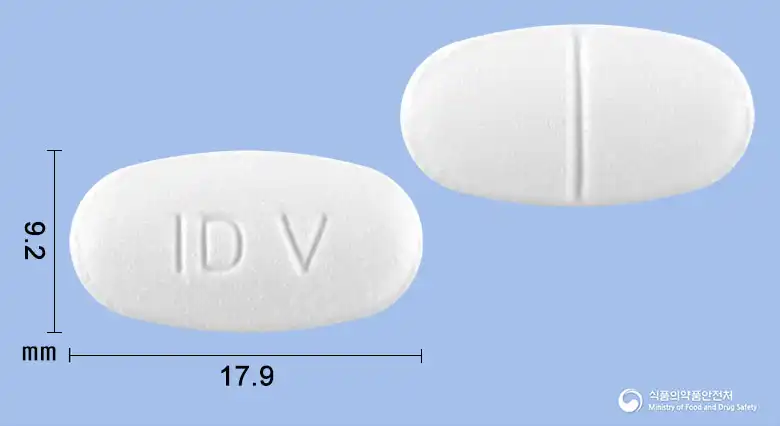
Ascorbic Acid 1031.01mg
Tablet · OTC medication
Ildong Pharmaceutical Co., Ltd.
Ascorbic Acid 500mg
Injections · Prescription medication
Aprogen Biologics Co., Ltd.
Even with the same ingredient, the dose and directions can differ by strength and dosage form. Talk to a doctor or pharmacist before switching from a medication you are already taking.
No questions yet.
For anything that needs medical judgment, consult a doctor or pharmacist.
This drug information is based on data provided by the Korea Ministry of Food and Drug Safety.
Consult a doctor or pharmacist for accurate dosage, administration, and usage instructions.