
 한국어
한국어 English
 日本語
日本語 中文(简体)
 Viewing now
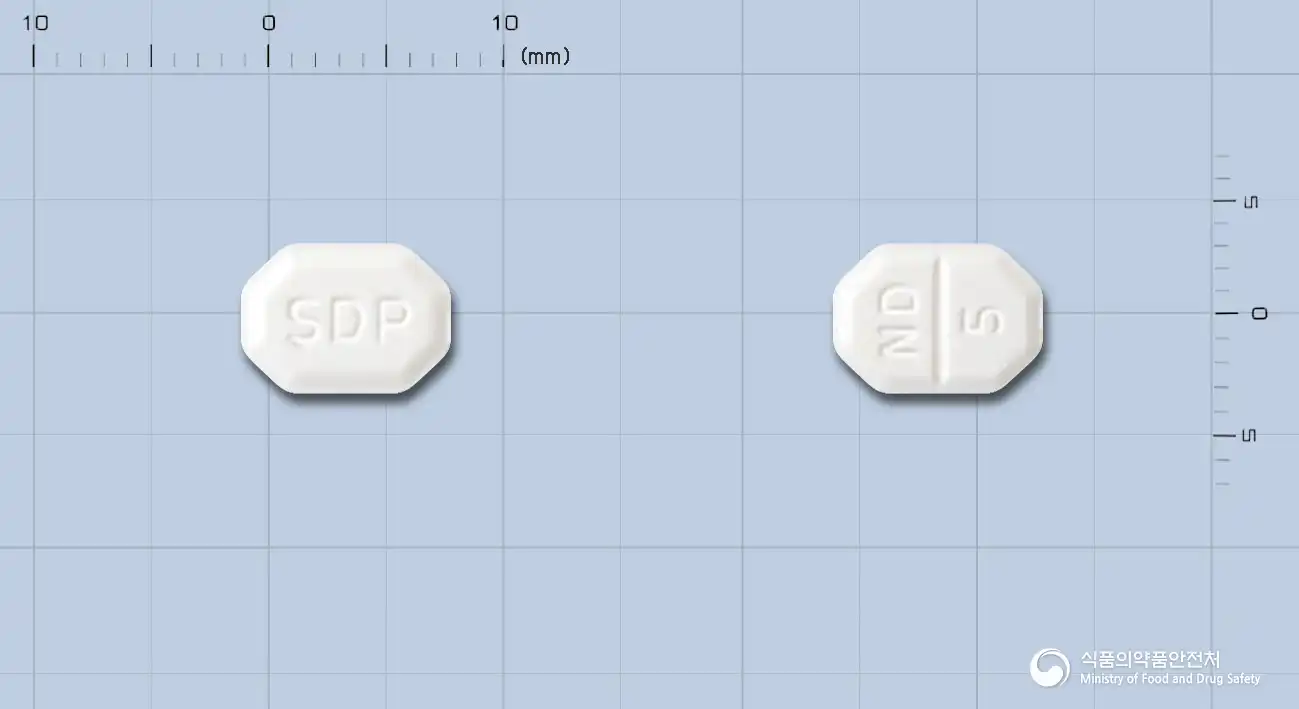
Everdipine Tablets (Amlodipine Maleate)
Amlodipine Maleate 6.42mg
Tablet · Prescription medication
PalmGen Science Co., Ltd.
MFDS item code 200502039 · Notified 2005.04.18 · Insurance code 670101450
Improvement of myocardial ischemia caused by hypertension and coronary artery disease (stable angina, variant angina)
This medication is used for cardiac-related conditions such as hypertension, stable angina, and variant angina caused by vascular spasms. Myocardial ischemia occurs when there is inadequate blood supply to the heart. This medication helps improve blood circulation by dilating blood vessels and alleviating symptoms. By doing so, it reduces the burden on the heart and helps prevent the progression of heart disease. It is effective in controlling blood pressure and ensuring adequate oxygen supply to the heart to maintain health.
As Amlodipine, the recommended dose is 5 mg taken orally once daily, and if symptoms do not improve within 2 to 4 weeks, it can be increased to a maximum of 10 mg daily, depending on the patient's response. Adjust as appropriate based on symptoms.
This medication should not be used in certain patients. For example, it should be avoided in individuals who are allergic to this medication or similar components, pregnant women or those who may become pregnant, nursing mothers, patients in cardiogenic shock, patients with severe aortic stenosis, patients with unstable angina, patients who have recently experienced a myocardial infarction, patients with severe liver dysfunction, and patients with severe hypotension. Caution should also be exercised in patients with very poor kidney function, elderly patients, individuals with acute heart failure, patients in hypertensive crisis, patients with mildly to moderately impaired liver function, patients with limited left ventricular function, patients with weak heart function, and patients with diabetes. While taking this medication, side effects like warmth and facial flushing, fatigue, swelling, rapid heartbeat, dizziness, headache, indigestion, drowsiness, and ankle swelling may occur. Rarely, various adverse reactions such as dry mouth, increased sweating, hypotension, vasculitis, insomnia, rash, and liver dysfunction may occur, so caution is necessary. Discontinuing this medication suddenly may worsen symptoms, so the dosage should be gradually reduced under a doctor’s supervision, and it should not be stopped arbitrarily while taking it. This medication can lead to increased blood concentration in patients with impaired liver function, so care should be taken. Additionally, the blood pressure-lowering effect appears gradually, making it unsuitable for emergency angina treatment. It should be taken with plenty of water, and if symptoms like dizziness, headache, fatigue, or nausea occur, one should refrain from driving or operating hazardous machinery. This medication can interact with other antihypertensive agents or various medications, so if there are any other medications being taken, it is crucial to inform healthcare providers. Particularly, taking it with grapefruit juice may enhance blood pressure-lowering effects, so it is advisable to avoid it. The safety of this medication during pregnancy or breastfeeding has not been established, so if pregnancy is planned or breastfeeding is ongoing, it is essential to consult with a doctor before use. The safety and efficacy in children have not been sufficiently confirmed, so caution should be exercised in their use. In elderly patients, the blood concentration of this medication may increase and the duration of action may prolong, so it is advisable to start from a low dose and observe their condition closely. In case of overdose, severe hypotension, heart anomalies, and consciousness disturbances may occur, so it’s important to visit a healthcare facility immediately for appropriate treatment. Finally, this medication should be kept out of reach of children, and transferring it to another container may compromise quality, so caution is necessary.
Not everyone experiences these, and they can vary from person to person.
This medication is sensitive to light, so it should be stored in a container that does not allow light to enter. Additionally, it is best to store it at room temperature between 1 to 30 degrees Celsius. Avoid storing it in excessively hot or cold places for safe storage.
White octagonal tablets
30 tablets/bottle, 300 tablets/bottle
Even with the same ingredient, strength, dosage form and how it is taken can differ.
Viewing nowAmlodipine Maleate 6.42mg
Tablet · Prescription medication
PalmGen Science Co., Ltd.
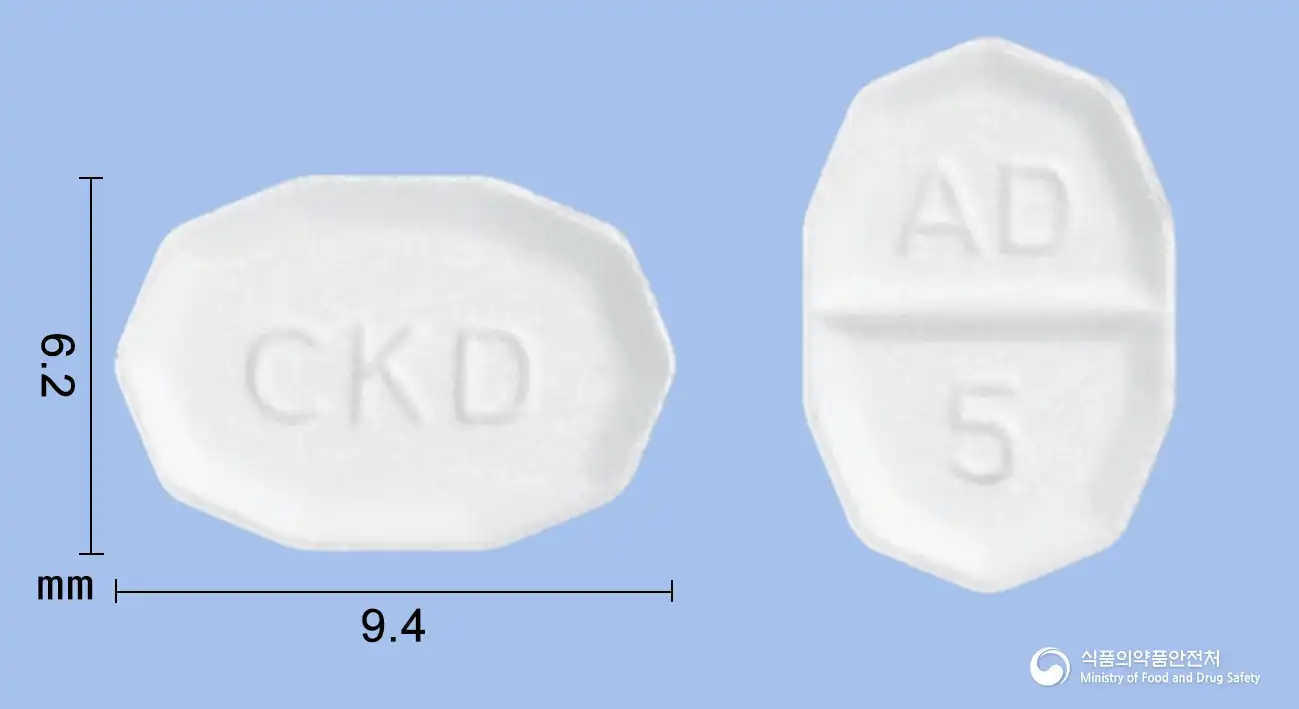
Amlodipine Maleate 6.42mg
Tablet · Prescription medication
Jongkundang Co., Ltd.
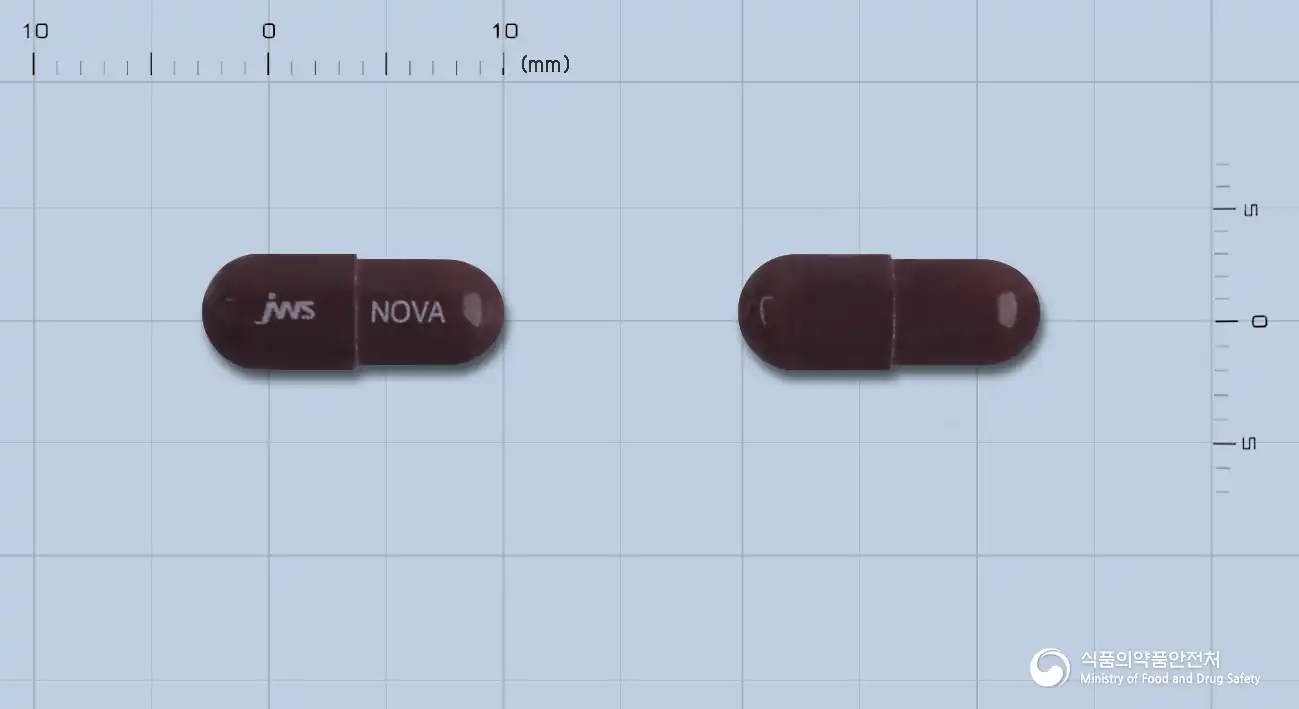
Amlodipine Maleate 6.42mg
Hard capsule · Prescription medication
JW Pharmaceutical Co., Ltd.
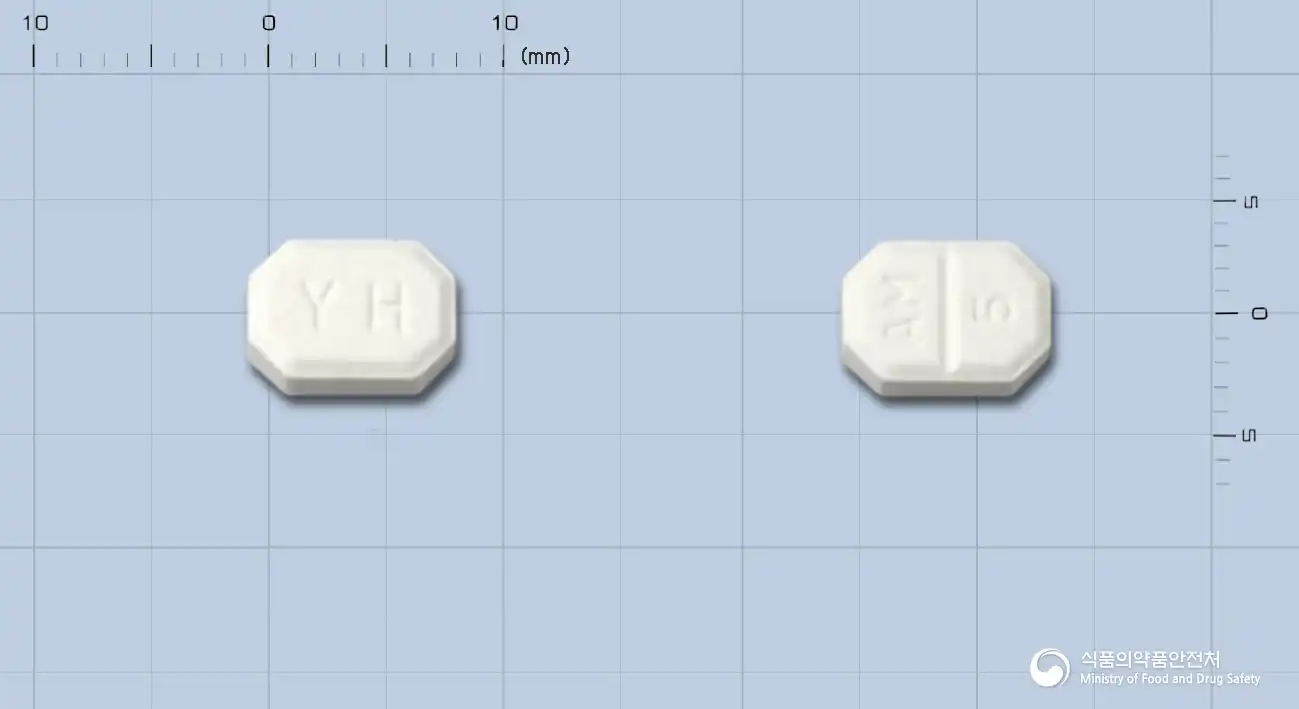
Amlodipine Maleate 6.42mg
Tablet · Prescription medication
Yuhan Corporation
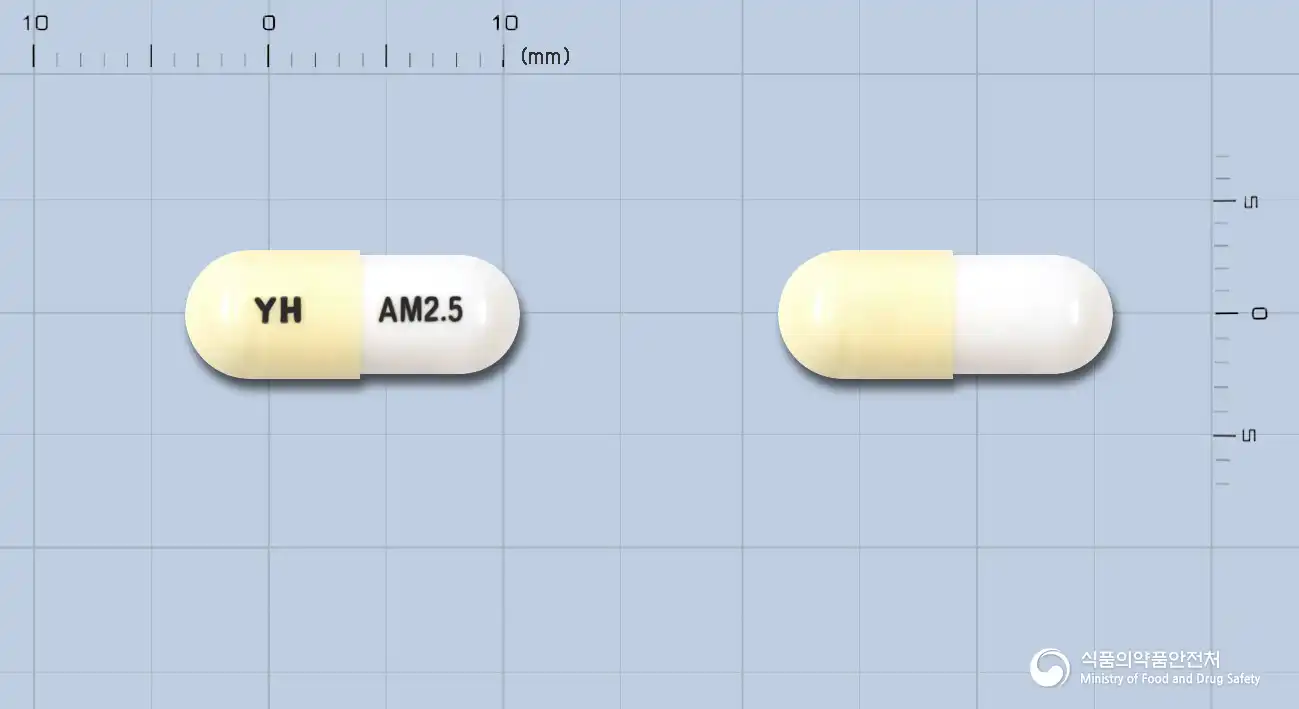
Amlodipine Maleate 3.21mg
Hard capsule · Prescription medication
Yuhan Corporation
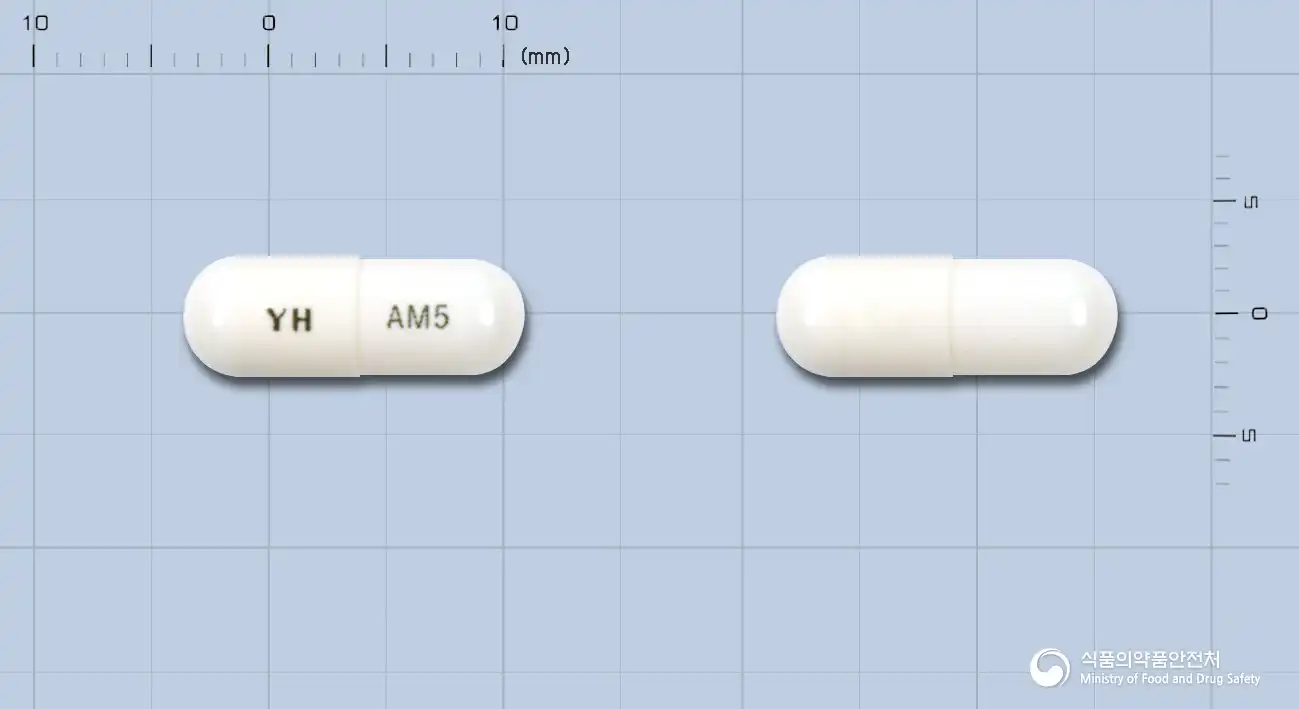
Amlodipine Maleate 6.42mg
Hard capsule · Prescription medication
Yuhan Corporation
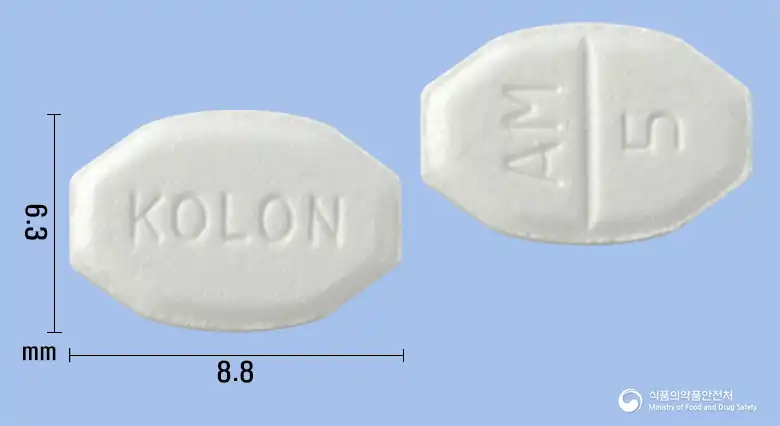
Amlodipine Maleate 6.42mg
Tablet · Prescription medication
KOLON Pharmaceutical Co., Ltd.
Amlodipine Maleate
Prescription medication
SK Chemicals Co., Ltd.
Even with the same ingredient, the dose and directions can differ by strength and dosage form. Talk to a doctor or pharmacist before switching from a medication you are already taking.
No questions yet.
For anything that needs medical judgment, consult a doctor or pharmacist.
This drug information is based on data provided by the Korea Ministry of Food and Drug Safety.
Consult a doctor or pharmacist for accurate dosage, administration, and usage instructions.