
 한국어
한국어 English
 日本語
日本語 中文(简体)
 Viewing now
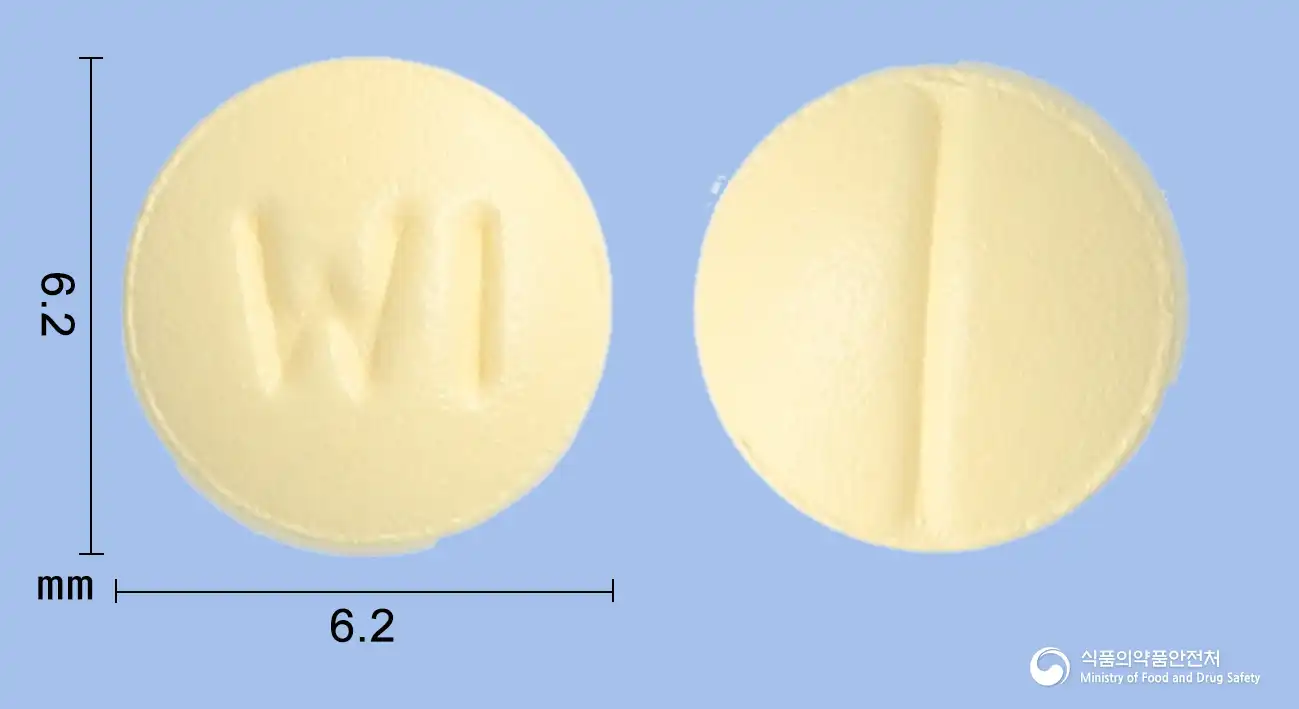
Cardiapin 10 mg (Lercanidipine Hydrochloride)
Lercanidipine Hydrochloride 10mg
Tablet · Prescription medication
Hanin Pharmaceutical Co., Ltd.
MFDS item code 200501239 · Notified 2005.07.26 · Insurance code 657200710
Improvement of mild to moderate essential hypertension
This medication is used to treat essential hypertension that is classified as mild to moderate.
As Lercanidipine Hydrochloride, 5 to 10 mg should be taken orally once a day at least 15 minutes before meals. The dose may be increased to 20 mg depending on the patient's symptoms. Dose adjustment should be gradual as the maximum antihypertensive effect becomes clearly evident after 2 weeks.
This medicine should not be used in certain patients. For example, patients with allergies to this drug or similar medications, pregnant or breastfeeding women, patients with heart issues or severe liver or kidney dysfunction, and children and adolescents under 18 years of age should not take this medication. Additionally, patients with heart rhythm issues or weakened heart function, as well as those with mild to moderate liver or kidney dysfunction, should use this medicine with caution. Patients with a history of angina may experience a worsening of chest pain while taking this medication and should be careful. Frequent alcohol consumers should be cautious, as the blood pressure-lowering effect of this medicine may be excessive. Elderly patients should also take special care when starting this medication. Taking this medication may cause side effects such as flushing, swelling, palpitations, dizziness, fatigue, and indigestion. Liver function abnormalities may occur, thus regular testing is required, and any anomalies should result in discontinuation of the medication. Rarely, skin rashes, muscle pain, or oral inflammation may occur; symptoms should be reported to a physician. Discontinuing this medication suddenly may worsen symptoms; therefore, it should be tapered off gradually. When driving or operating machinery, caution is advised due to the possibility of dizziness or drowsiness. This medicine is metabolized in the liver, and concomitant use with certain medications may alter drug concentrations. Special caution should be exercised when used with certain antifungals, antibiotics, immunosuppressants, or anticonvulsants, and it should be avoided with grapefruit juice as it may increase drug concentration. Alcohol consumption should be avoided, as it may cause blood pressure to drop too low. Pregnant or potentially pregnant women and breastfeeding women should not take this medication, and it is also not for use in children or adolescents. In cases of overdose, severe hypotension and rapid heart rate may occur. Immediate medical attention is required in such cases. This medicine is lipophilic, which may make it harder to remove through hemodialysis, necessitating caution. When storing, keep it out of reach of children and do not transfer it to another container.
Flushing, peripheral edema, palpitations, tachycardia, headache, dizziness, weakness, fatigue, drowsiness, nervousness, indigestion, nausea, vomiting, abdominal pain, diarrhea, increased liver aminotransferases, polyuria, frequent urination, gingival hyperplasia, rash, muscle pain, tremor, insomnia, dry mouth, hand numbness, cough, abdominal distension, erectile dysfunction, arrhythmia, cold sweat, skin tingling, premature contractions, tongue stiffness, increased ventricular premature contractions, hypotension, arrhythmia.
Not everyone experiences these, and they can vary from person to person.
This medication is sensitive to air and moisture, so it should be stored in a tightly closed container. It is important to maintain a storage temperature between 1 degree and 30 degrees Celsius to safely preserve the drug's effectiveness.
Yellow round film-coated tablet
30 tablets/bottle, 100 tablets/bottle
Even with the same ingredient, strength, dosage form and how it is taken can differ.
Viewing nowLercanidipine Hydrochloride 10mg
Tablet · Prescription medication
Hanin Pharmaceutical Co., Ltd.
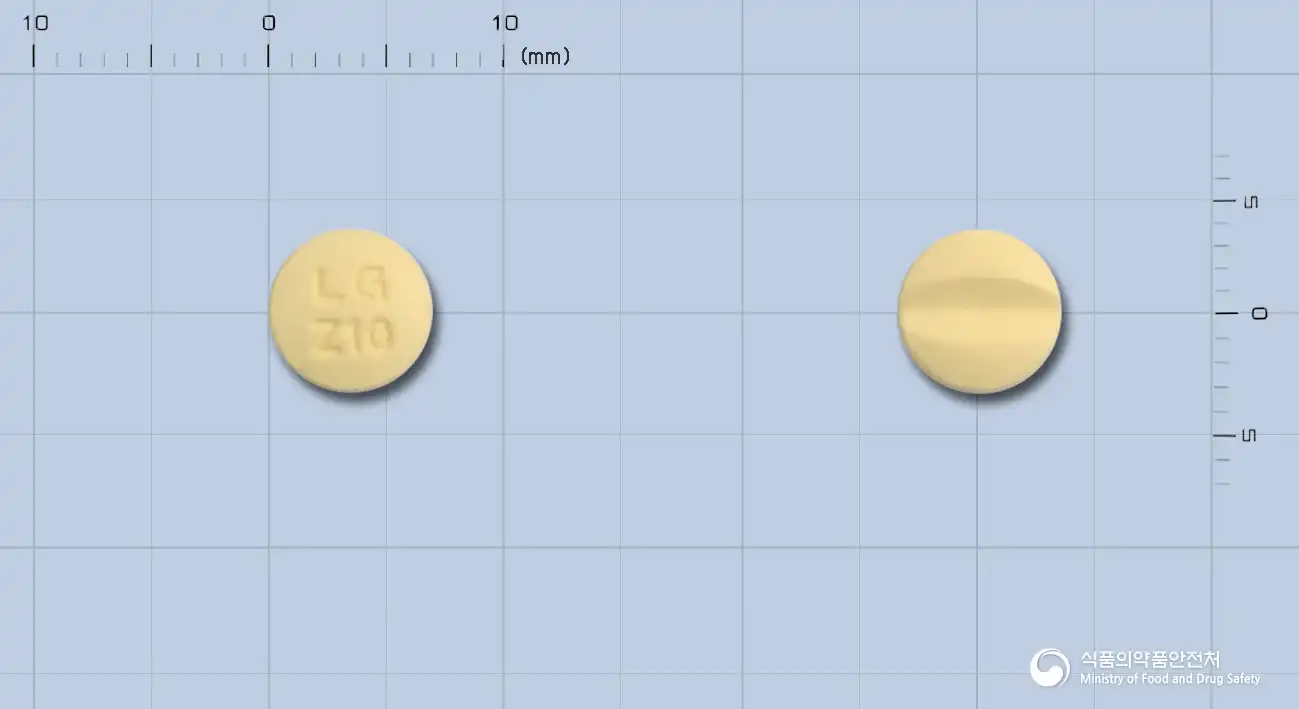
Lercanidipine Hydrochloride 10mg
Tablet · Prescription medication
LG Chem, Ltd.
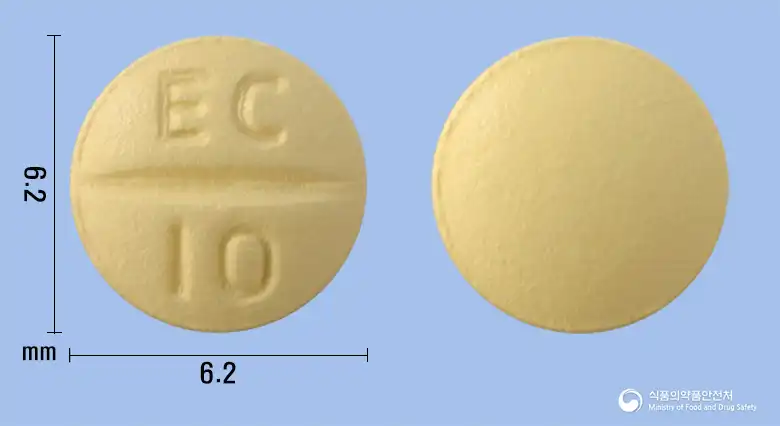
Lercanidipine Hydrochloride 10mg
Tablet · Prescription medication
Jongkundang Co., Ltd.
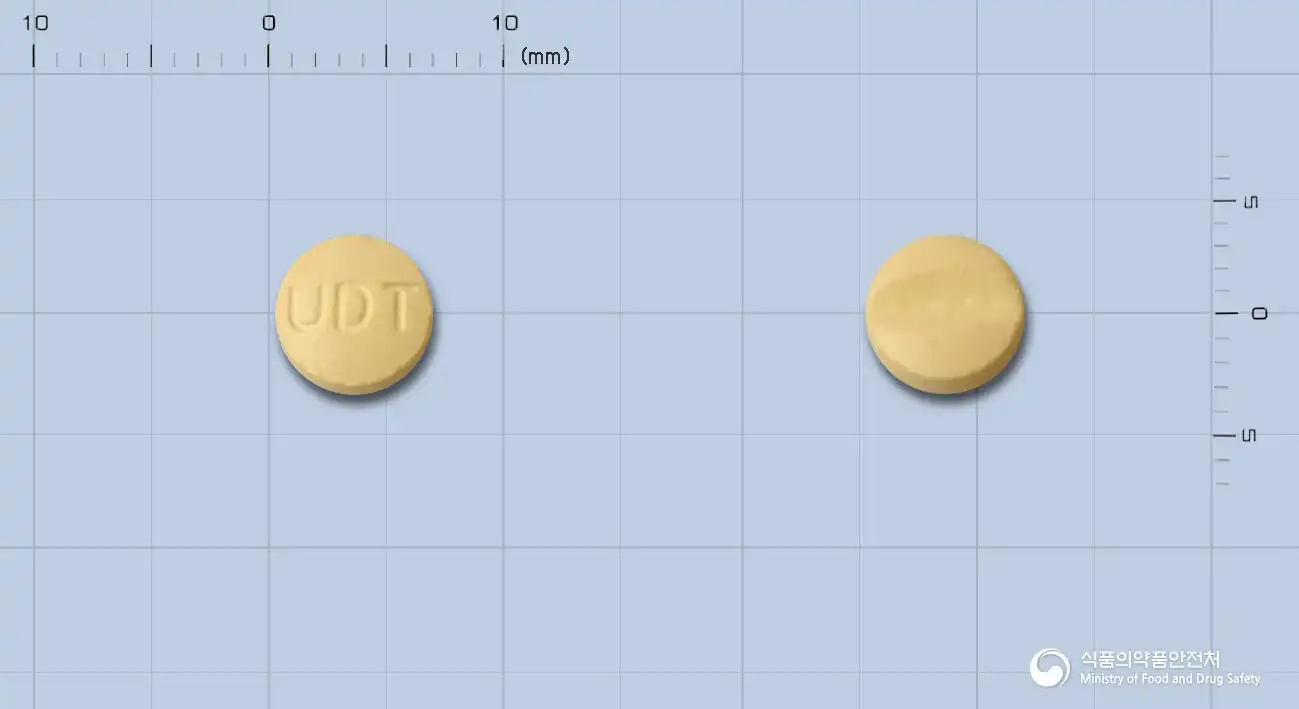
Lercanidipine Hydrochloride 10mg
Tablet · Prescription medication
Yuyu Pharmaceutical Co., Ltd.
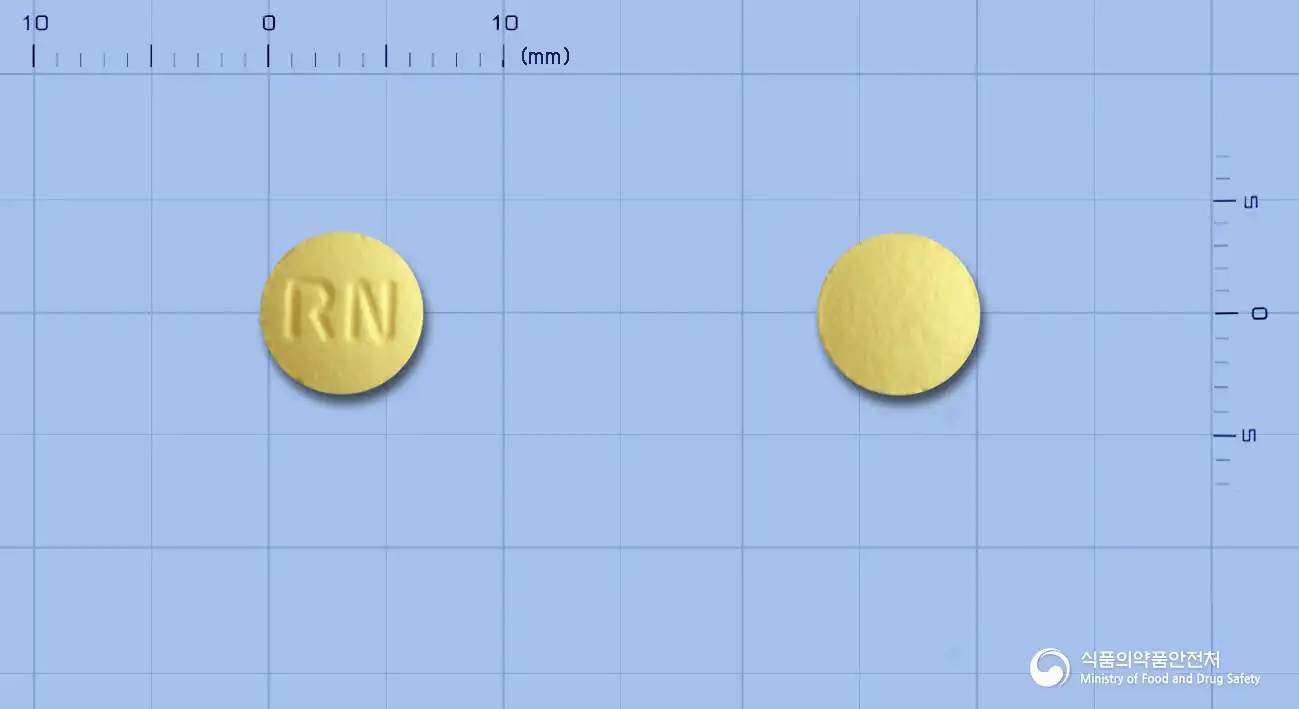
Lercanidipine Hydrochloride 10mg
Tablet · Prescription medication
Samsung Pharmaceutical Co., Ltd.
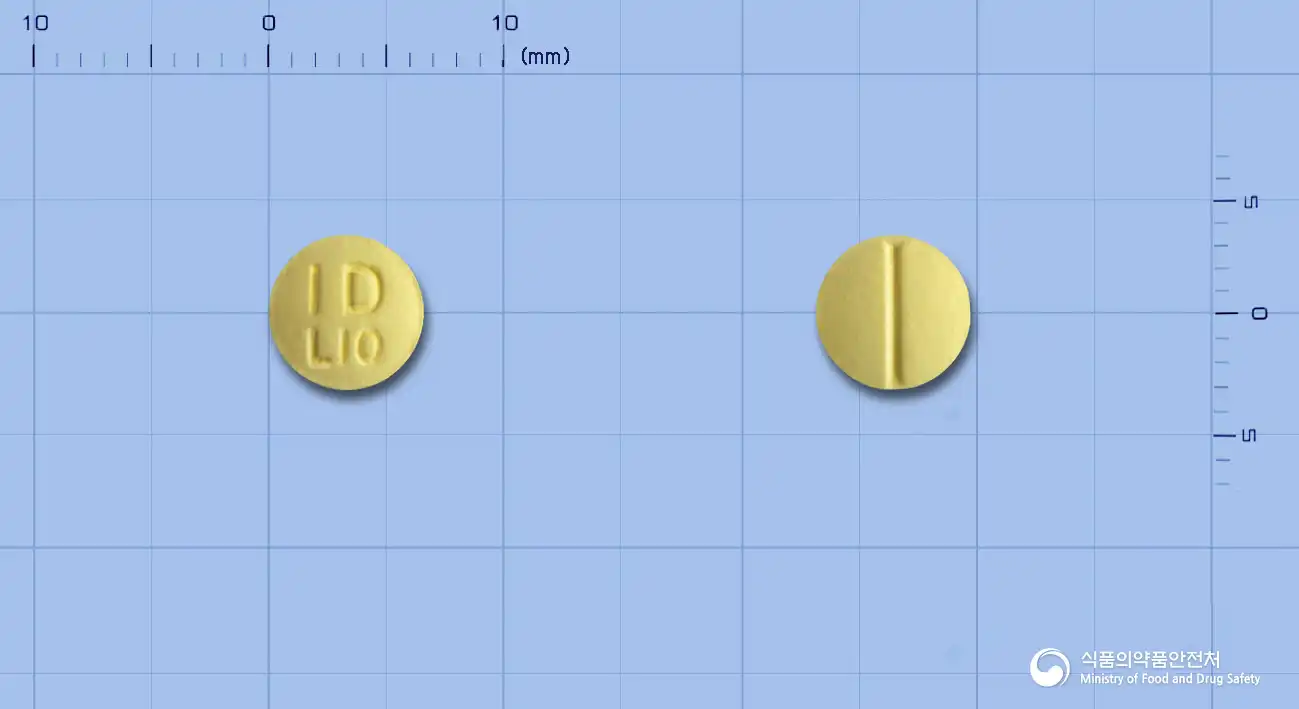
Lercanidipine Hydrochloride 10mg
Tablet · Prescription medication
Ildong Pharmaceutical Co., Ltd.
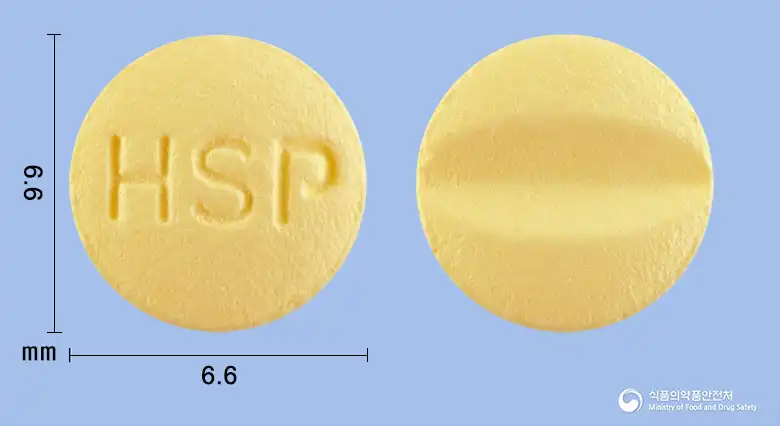
Lercanidipine Hydrochloride 10mg
Tablet · Prescription medication
Celltrion Pharmaceutical Co., Ltd.
Lercanidipine Hydrochloride 10mg
Tablet · Prescription medication
Yuhan Corporation
Even with the same ingredient, the dose and directions can differ by strength and dosage form. Talk to a doctor or pharmacist before switching from a medication you are already taking.
No questions yet.
For anything that needs medical judgment, consult a doctor or pharmacist.
This drug information is based on data provided by the Korea Ministry of Food and Drug Safety.
Consult a doctor or pharmacist for accurate dosage, administration, and usage instructions.