
 한국어
한국어 English
 日本語
日本語 中文(简体)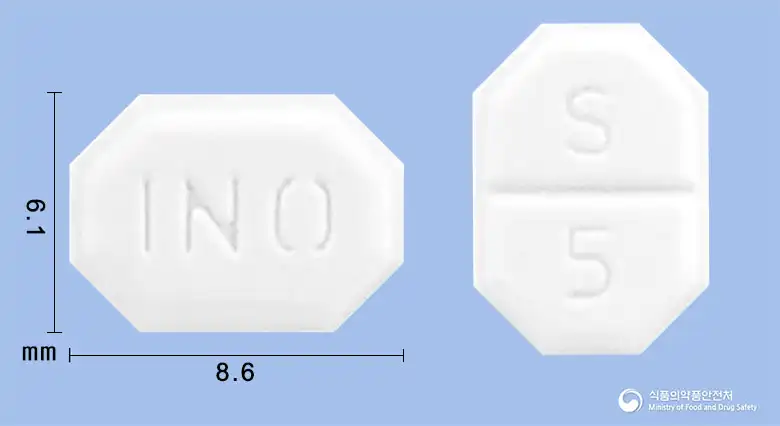
Summary
- Main use
- Improvement of hypertension and coronary ischemic symptoms
- Who takes it
- Adults
- Adult dose
- Adults: Take 5 mg of Amlodipine orally once a day, and may increase to a maximum of 10 mg daily depending on patient response. Adjust as appropriate based on age and symptoms.
Ingredients
- Manufacturer
- 에이치케이이노엔(주)
Efficacy & effects
Improvement of hypertension and coronary ischemic symptoms
- Hypertension
- fixed occlusion of coronary artery
- vascular spasm
- vascular contraction
- myocardial ischemia
View approved original textHide original text
This medication is used to control hypertension and to treat myocardial ischemia caused by stable angina due to fixed occlusion of the coronary artery and variant angina caused by vascular spasm.
How to take
Adult dose
Adults: Take 5 mg of Amlodipine orally once a day, and may increase to a maximum of 10 mg daily depending on patient response. Adjust as appropriate based on age and symptoms.
Precautions
This medication should not be used in patients with certain conditions. For example, those with a history of allergic reactions to this medication or similar drugs, pregnant or potentially pregnant women, breastfeeding women, individuals with severe liver dysfunction, patients with severe aortic stenosis, and those in a state of shock should not take this medication. Additionally, patients with severe hypotension, those with severely impaired renal function requiring dialysis, and the elderly should use this medication with extra caution. Such individuals should take the medication while closely monitoring its effects and side effects. Taking this medication may cause side effects such as flushing, fatigue, edema, dizziness, headache, abdominal pain, nausea, palpitations, and drowsiness. Rarely, symptoms such as dry mouth, increased sweating, weakness, low back pain, hypotension, syncope, nervousness, gynecomastia, dyspepsia, increased blood glucose, myalgia, skin rash, and visual disturbances have been reported. It is crucial to consult a medical professional if any of these symptoms occur. Patients with heart failure or impaired liver function may have elevated blood levels of this medication, requiring dose adjustment and caution. Even after discontinuation, the antihypertensive effect of this medication decreases gradually, so it must be carefully managed when using other antihypertensives. This medication may interact with several other drugs. When combined with certain medications, careful monitoring of blood pressure changes or drug concentration variability is needed, particularly with drugs that increase blood concentration risk, such as Tacrolimus, which requires blood level monitoring and dose adjustment. The safety of this medication during pregnancy or breastfeeding has not been established; therefore, it is advisable to avoid it except in special circumstances, and breastfeeding should be discontinued while using this medication. The safety and efficacy of this medication in children have not been sufficiently established, so it should be administered to children with caution. Elderly individuals can be administered the standard dose but should have side effects closely monitored. This medication is not likely to significantly impair driving or machine operating abilities; however, caution is needed since dizziness or drowsiness may occur in certain individuals. In case of overdose, blood pressure may drop dramatically, and heart rate may increase, potentially leading to shock. Immediate emergency treatment is necessary, and vasopressors or calcium gluconate administration may help. Hemodialysis is ineffective for removing this medication. This medication is reported to have a low risk of carcinogenic or mutagenic potential and does not significantly affect reproductive abilities.
Side effects and when to seek care immediately
Serious side effects
- Hives
- severe swelling (edema)
- difficulty breathing
- jaundice
- severe allergic reaction
- severe skin reaction
- respiratory problems
- liver abnormalities (jaundice)
Mild side effects
- Flushing
- fatigue
- edema
- dizziness
- headache
- abdominal pain
- nausea
- palpitations
- drowsiness
- dry mouth
Show 26 moreCollapse
- increased sweating
- weakness
- low back pain
- lethargy
- pain
- weight gain/loss
- hypotension
- syncope
- nervous tension
- tactile hypersensitivity/paresthesia
- peripheral neuropathy
- tremor
- gynecomastia
- changes in bowel habits
- dyspepsia
- gingival hyperplasia
- pancreatitis
- vomiting
- hyperglycemia
- arthralgia
- muscle cramps
- myalgia
- purpura
- thrombocytopenia
- erectile dysfunction
- insomnia
Not everyone experiences these, and they can vary from person to person.
Storage
This medication is sensitive to light and should be stored in a container that does not allow light to enter. Additionally, it is important to maintain a room temperature, specifically between 1 and 30 degrees Celsius, when storing the medication. This way, the efficacy of the medication can be preserved for a longer period.
Appearance and packaging
Appearance
White octagonal tablet
Package unit
30 tablets/PTP (10 tablets/PTP x 3), 300 tablets/bottle
Questions about this medicine
No questions yet.
For anything that needs medical judgment, consult a doctor or pharmacist.