
 한국어
한국어 English
 日本語
日本語 中文(简体)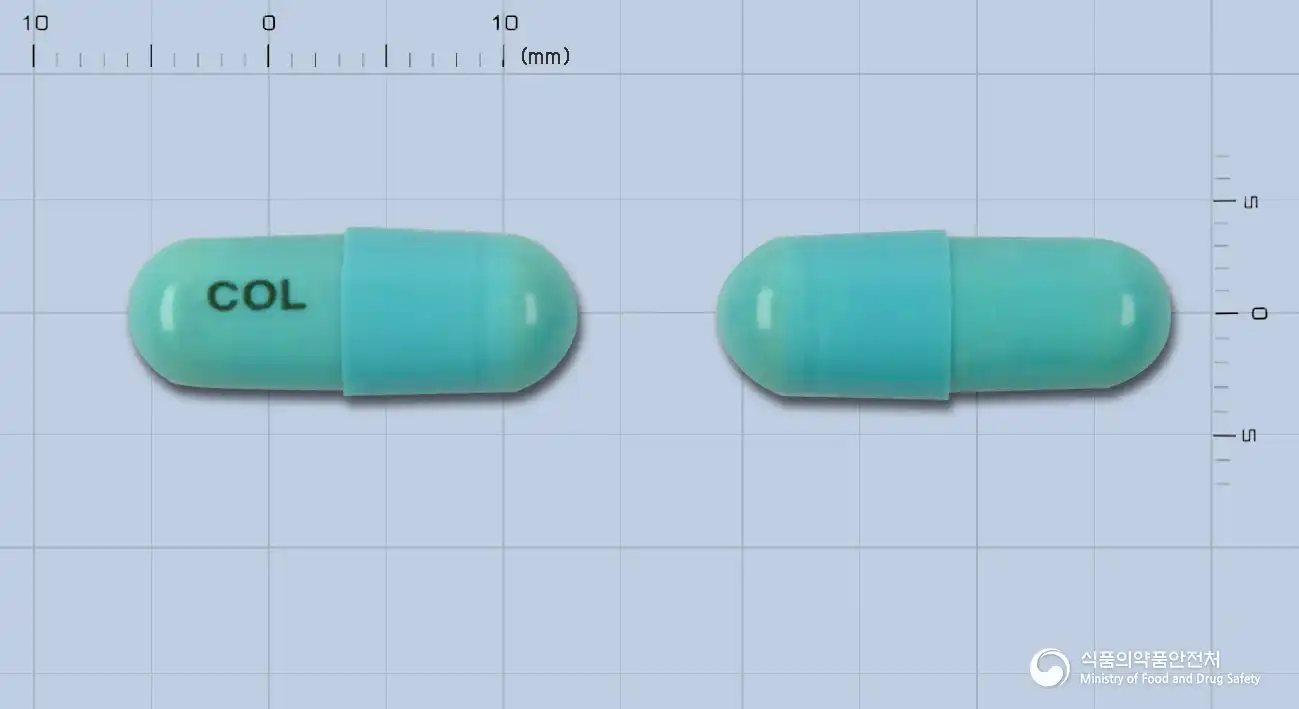
Summary
- Main use
- Relief of cold symptoms (runny nose, nasal congestion, sneezing, etc.)
- Who takes it
- Adults · Children
- Adult dose
- Ages 15 and over: 2 capsules per dose, 3 times a day To be taken 30 minutes after meals.
- Child dose
- Ages 8 to under 11: 1 capsule per dose, 3 times a day To be taken 30 minutes after meals.
Ingredients
- Glycyrrhiza Extract Powder (14.3→1)25mg / 1 capsule
- Ginseng Dried Extract (14.5→1)10mg / 1 capsule
- Acetaminophen200mg / 1 capsule
- Chlorpheniramine Maleate1.25mg / 1 capsule
- Pseudoephedrine Hydrochloride15mg / 1 capsule
- Dextromethorphan Hydrobromide Hydrate7.5mg / 1 capsule
- Guaifenesin21mg / 1 capsule
- Anhydrous Caffeine20mg / 1 capsule
- Thiamine Nitrate4mg / 1 capsule
- Riboflavin2mg / 1 capsule
- Ascorbic Acid 97%15.625mg / 1 capsule
- Manufacturer
- 조아제약(주)
Efficacy & effects
Relief of cold symptoms (runny nose, nasal congestion, sneezing, etc.)
- Runny nose
- nasal congestion
- sneezing
- sore throat
- cough
- phlegm
- chills
- fever
- headache
- joint pain
- muscle pain
View approved original textHide original text
This medication helps relieve various symptoms of cold such as runny nose, nasal congestion, sneezing, sore throat, cough, phlegm, chills, fever, headache, joint pain, and muscle pain. It alleviates the discomfort of multiple symptoms caused by cold so that patients can carry on their daily lives more comfortably. It effectively improves these symptoms to support quick recovery.
How to take
Adult dose
Ages 15 and over: 2 capsules per dose, 3 times a day To be taken 30 minutes after meals.
Child dose
Ages 8 to under 11: 1 capsule per dose, 3 times a day To be taken 30 minutes after meals.
Precautions
This medication can put strain on the liver, so individuals who regularly consume three or more glasses of alcohol daily should consult with a doctor or pharmacist before use. One of the ingredients in this medication, acetaminophen, can rarely cause serious skin reactions, so if any skin rash or allergic symptoms occur, stop taking it immediately and consult with a healthcare professional. The daily maximum dosage of acetaminophen should not exceed 4,000 mg, and taking it along with other products containing acetaminophen can be dangerous. The pseudoephedrine in this medication can also cause severe skin reactions, so if there is fever or any skin abnormalities, stop taking it immediately and consult with a healthcare professional. It is safer for people with allergies to this medication or its ingredients, those who have previously experienced asthma, and infants under 3 months to avoid taking this medication. Especially those currently taking or have recently stopped (within 2 weeks) monoamine oxidase inhibitors (such as antidepressants or antipsychotics), those with uncontrolled hypertension or serious kidney disease should also avoid this medication. While taking this medication, it is advisable not to use other cold medications, antipyretics, analgesics, sedatives, or antihistamines, and to be mindful of drug interactions. Children, elderly, and those with specific medical conditions should consult with a doctor or pharmacist prior to use, and particularly pregnant or breastfeeding women should also consult with a healthcare professional before taking this medication. If any adverse symptoms such as rash, itching, nausea, dizziness, difficulty breathing occur while taking this medication, stop taking it immediately and consult with a healthcare professional. It should not be used in children under the age of 2, and if needed, medical advice should be sought. Follow the prescribed usage and dosage, avoid long-term use, and refrain from alcohol consumption. As drowsiness may occur, caution should be exercised when driving or operating machinery, and care should be taken when taking this medication with certain diuretics or drugs containing licorice, as muscle abnormalities may be observed. This medication should be stored in a cool place away from direct sunlight and moisture, out of the reach of children. Additionally, to maintain quality, it is recommended not to transfer to a different container.
Side effects and when to seek care immediately
Serious side effects
Hives, severe swelling (edema), chest tightness, cold sweat, pallor, difficulty breathing, severe rash with high fever, blisters, skin peeling, pain in mucous membranes of mouth/eyes, asthma, jaundice (yellowing of skin or eyes), extreme lethargy, sudden and severe headache, thunderclap headache, seizures, confusion, visual disturbances, paralysis, significantly reduced urine output, severe edema accompanied by high blood pressure
Mild side effects
- Rash
- redness
- itching
- nausea
- vomiting
- loss of appetite
- constipation
- swelling
- difficulty urinating
- thirst
Show 5 moreCollapse
- dizziness
- anxiety
- tremors
- insomnia
- high-pitched ion metabolic acidosis
Not everyone experiences these, and they can vary from person to person.
Interactions
Drug interactions
Do not take this medication along with expectorants, other cold medications, antipyretics, sedatives, or antihistamines. Additionally, avoid taking it if you are currently using or have recently discontinued (within 2 weeks) monoamine oxidase inhibitors (such as antidepressants, antipsychotics, mood stabilizers, or anti-Parkinson drugs). Also, avoid interactions with diabetes medications, gout medications, arthritis medications, anticoagulants, steroids, barbiturates, tricyclic antidepressants, and loop diuretics.
Food interactions
Do not take this medication with alcohol. It is also necessary to be cautious with potassium-containing agents, licorice-containing preparations, and any products containing glycyrrhizin or its salts.
Storage
This medication is sensitive to air and moisture, so it must be stored in a tightly sealed container. It is best stored at room temperature, which should be neither too hot nor too cold, specifically between 1 to 30 degrees Celsius.
Appearance and packaging
Appearance
Hard capsule with blue color at both the upper and lower parts containing yellow to pale yellow powder
Package unit
10C / PTP
Questions about this medicine
No questions yet.
For anything that needs medical judgment, consult a doctor or pharmacist.