
 한국어
한국어 English
 日本語
日本語 中文(简体)
 Viewing now
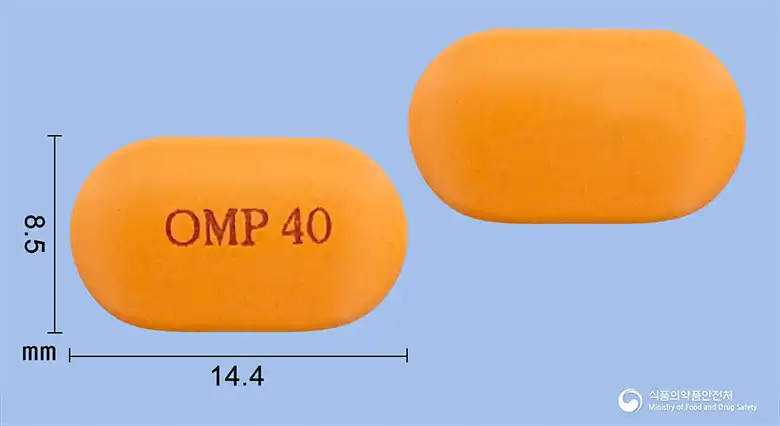
OMP Tablet 40mg (Omeprazole)
Omeprazole 40mg
Tablet · Prescription medication
Jongkundang Co., Ltd.
MFDS item code 199900120 · Notified 1999.10.06 · Insurance code 643302060
Improvement of symptoms of gastric ulcer and gastroesophageal reflux disease, and prevention of ulcer recurrence.
This medication is effective for the short-term treatment of gastric ulcers and duodenal ulcers. It is also used for alleviating symptoms associated with gastroesophageal reflux disease (GERD) such as heartburn and regurgitation. It helps with maintenance treatment of severe gastroesophageal reflux disease and hard-to-treat peptic ulcers. It is utilized in the treatment of Zollinger-Ellison syndrome and is applied in combination therapy with antibiotics to prevent recurrence of duodenal ulcers caused by Helicobacter pylori infection. It is also effective in the treatment and prevention of gastric and duodenal ulcers and erosions due to the use of nonsteroidal anti-inflammatory drugs (NSAIDs), especially in patients with a history of gastric or duodenal conditions. Additionally, it helps prevent the recurrence of gastroesophageal reflux disease.
◎ Adults 1) Gastric ulcer: Administer 20mg of omeprazole orally once daily. If not healed after initial 4 weeks of administration, continue for an additional 4 weeks. If ineffective, administer 40mg orally once daily typically healing within 8 weeks. 2) Short-term treatment of duodenal ulcers: Administer 20mg orally once daily. If not healed, continue for another 2 weeks. If ineffective, administer 40mg once daily.
This medication should not be used in patients with allergic reactions to its components. Caution should be exercised, as this medication may alleviate symptoms in patients with gastric ulcers suspected to be malignant, potentially delaying cancer diagnosis. Drug interactions may occur when taken with certain antivirals, which may reduce the effectiveness of the drug, so simultaneous use should be avoided. Patients with compromised liver function should reduce the dose of this medication; especially, those with severe liver impairment should not exceed 20mg daily. In the elderly, it should be administered cautiously, with close monitoring for adverse reactions. Neurological symptoms such as headaches, dizziness, and drowsiness may occur, requiring caution during driving or operating machinery. Liver enzyme levels may rise, so if any liver function abnormalities appear, the medication should be stopped immediately. Gastrointestinal adverse reactions such as diarrhea, nausea, and abdominal pain may occur frequently, so symptoms should be monitored. Skin rashes or itching, and in severe cases, severe skin reactions may occur; medication should be stopped immediately if these symptoms arise. Hypersensitivity reactions such as angioedema, fever, and difficulty breathing may occur, so emergency measures should be prepared. Long-term use may increase the risk of fractures, so it should be taken only at the necessary minimum dose and duration. Hypomagnesemia may occur, so regular monitoring of serum magnesium levels is necessary when taking the medication for a long time or in combination with certain drugs. This medication suppresses gastric acid secretion, which may interfere with the absorption of some drugs; consult with a physician or pharmacist about co-administered drugs. During pregnancy, it should only be used if absolutely necessary, as it may impact the fetus, and breastfeeding women are advised to avoid its use. Safety in children has not been established, so it is advisable not to use it in pediatric patients. In case of suspected overdose, symptoms such as vomiting, diarrhea, and headache may appear, requiring immediate medical attention. Keep out of reach of children, do not change containers, and make sure to close the lid tightly after use.
Hives, severe swelling (angioedema), chest tightness, difficulty breathing, cold sweat, pallor, severe allergic reactions, severe rash with fever, blisters, skin peeling, pain in oral/ocular mucosa, severe skin adverse reactions (Stevens-Johnson syndrome, toxic epidermal necrolysis, DRESS syndrome, acute generalized exanthematous pustulosis), shortness of breath or difficulty breathing, asthma attacks, respiratory abnormalities with cough and fever, skin.
Not everyone experiences these, and they can vary from person to person.
This medication should be stored in a tightly sealed container to prevent air and moisture exposure, in a temperature range of 1 to 30 degrees Celsius. This will help maintain the drug's effectiveness for a long time.
Orange rectangular delayed-release film-coated tablet
14 tablets/bottle
Even with the same ingredient, strength, dosage form and how it is taken can differ.
Viewing nowOmeprazole 40mg
Tablet · Prescription medication
Jongkundang Co., Ltd.
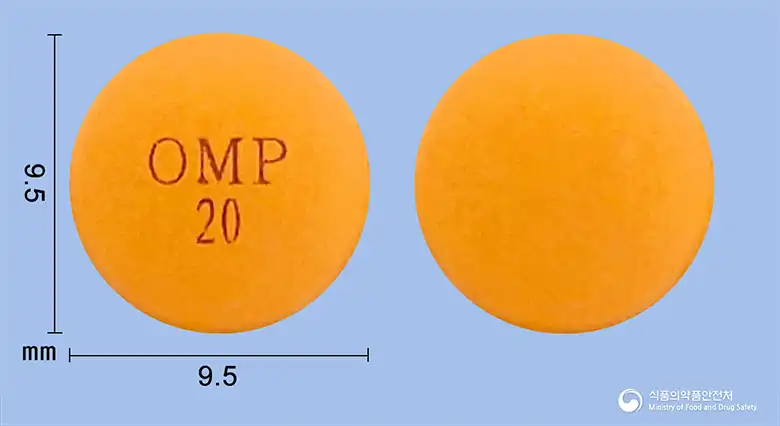
Omeprazole 20mg
Tablet · Prescription medication
(Stock Company) Chongkundang
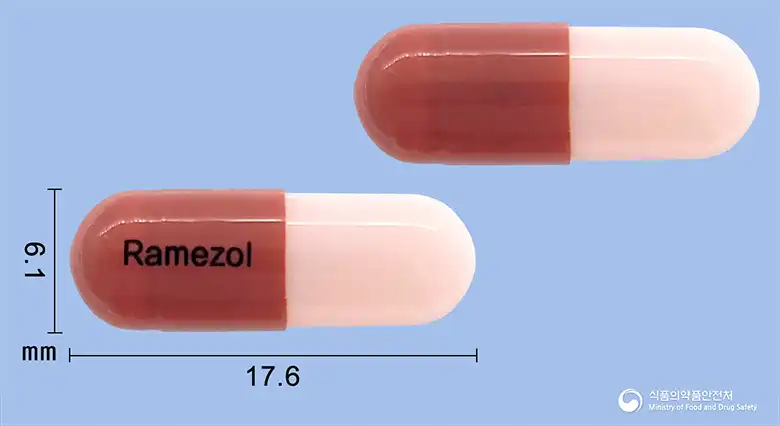
Omeprazole 20mg
Hard capsule · Prescription medication
Hanmi Pharmaceutical Co., Ltd.
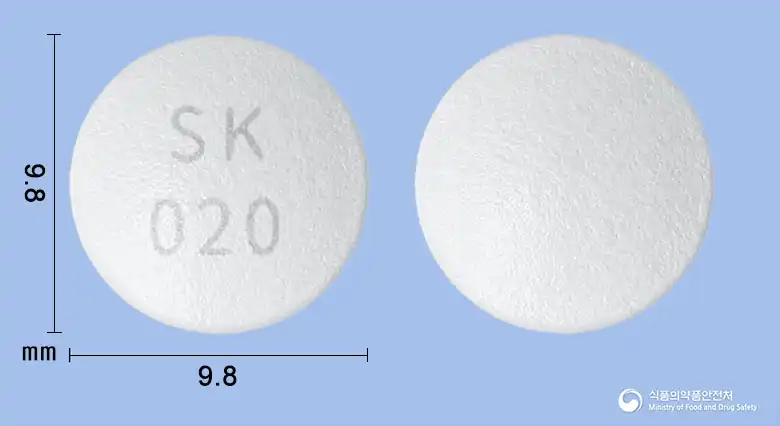
Omeprazole 20mg
Tablet · Prescription medication
SK Chemicals Co., Ltd.
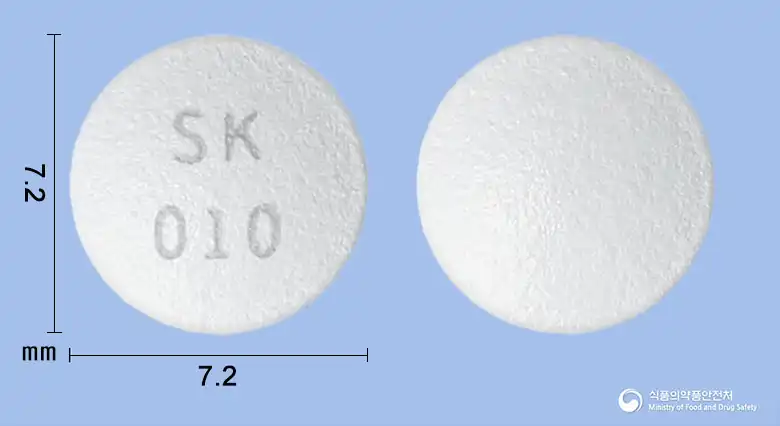
Omeprazole 10mg
Tablet · Prescription medication
SK Chemicals Co., Ltd.
Even with the same ingredient, the dose and directions can differ by strength and dosage form. Talk to a doctor or pharmacist before switching from a medication you are already taking.
No questions yet.
For anything that needs medical judgment, consult a doctor or pharmacist.
This drug information is based on data provided by the Korea Ministry of Food and Drug Safety.
Consult a doctor or pharmacist for accurate dosage, administration, and usage instructions.