
 한국어
한국어 English
 日本語
日本語 中文(简体)
 Viewing now
Alopan 400 mg Tablet (Ibuprofen)
Ibuprofen 400mg
Tablet · OTC medication
NexPharm Korea Co., Ltd.
MFDS item code 199804309 · Notified 1998.04.03
Relief of pain from rheumatoid arthritis and osteoarthritis (degenerative joint disease)
This medication is used for the relief of pain associated with joint diseases such as rheumatoid arthritis and osteoarthritis, as well as for fever and pain due to colds, back pain, dysmenorrhea, and post-surgical pain. It is also effective for ankylosing spondylitis, headache, toothache, muscle pain, neuralgia, acute gout, psoriatic arthritis, and soft tissue injuries such as sprains or strains. The suppository form is mainly used for alleviating fever in children due to acute upper respiratory tract infections. This drug helps improve various pain and inflammation symptoms.
Rheumatoid arthritis, osteoarthritis, ankylosing spondylitis, soft tissue injury, non-articular rheumatic diseases, acute gout, psoriatic arthritis: Administer 200-600 mg once, up to 3-4 times a day orally. A maximum of 3200 mg may be administered per day. Mild to moderate pain, cold: Administer 200-400 mg once, up to 3-4 times a day orally. Adjust the dose according to age and symptoms.
Oral administration: For children weighing less than 30 kg, do not exceed a daily amount of 500 mg (25 mL). Administer 3-4 times a day, preferably avoiding taking it on an empty stomach. Single dose - Ages 11-14
This medication should be discussed with a doctor or pharmacist if the patient regularly consumes more than three glasses of alcohol daily, as it may cause gastrointestinal bleeding. It may increase the risk of serious cardiovascular issues such as myocardial infarction or stroke in individuals with cardiovascular disease or risk factors, or those on long-term use. Patients should carefully observe any cardiovascular symptoms during use, especially those with hypertension, heart failure, or ischemic heart disease, and use it with caution. This medication can cause serious gastrointestinal problems, including gastrointestinal bleeding, ulcers, or perforation, and the risk of gastrointestinal adverse reactions is particularly higher in the elderly or those on long-term use. As gastrointestinal symptoms can appear suddenly, if symptoms such as abdominal pain, vomiting, or bloody stools occur during use, medical consultation should be sought immediately. Individuals with a history of gastrointestinal ulcers or bleeding, or those with severe blood, liver, kidney, or heart dysfunction should not use this medication. Patients with bronchial asthma or who have hypersensitivity to aspirin or other nonsteroidal anti-inflammatory drugs (NSAIDs), or have a history of such reactions should also avoid it. Pregnant women in the late stages of pregnancy should not take this medication due to the risk of premature closure of the ductus arteriosus in the fetus. When taking this medication, do not exceed the recommended dose and do not take it with other nonsteroidal anti-inflammatory drugs. If breastfeeding, this medication may be transmitted through breast milk and can cause serious adverse reactions in infants, which requires either stopping breastfeeding or discontinuing the medication. Individuals with existing health issues such as blood disorders, liver or kidney diseases, heart conditions, or hypertension must consult a doctor or pharmacist before use. Those taking low-dose aspirin should be cautious, as this medication may reduce the effect of aspirin and increase the risk of gastrointestinal bleeding. There may be interactions with certain medications that alter the drug effect or increase the risk of side effects; therefore, inform your healthcare provider of any medications you are taking. If severe allergic reactions, skin rashes, difficulty breathing, severe abdominal pain, bloody stools, jaundice, or other symptoms appear during use, stop taking the medication immediately and consult a healthcare provider. This medication should be taken for the shortest period at the minimum required dose, and regular blood tests and liver function tests should be performed to check for abnormalities during long-term use. In cases of overdose, serious symptoms such as dizziness, vomiting, kidney failure, and difficulty breathing may occur, so if an overdose is suspected, seek medical attention immediately. Keep out of reach of children, and store in the original container tightly closed.
Hives, severe swelling (edema), chest tightness, difficulty breathing, cold sweat, pallor, severe rash with high fever, blisters, skin peeling, pain in oral or ocular mucosa, shortness of breath or difficulty breathing, asthma attacks, respiratory issues with cough and fever, yellowing of skin or eyes (jaundice), profound lethargy, sudden and severe headache, thunderclap headache, convulsions, altered consciousness, visual disturbances, paralysis, changes in urination
Not everyone experiences these, and they can vary from person to person.
Do not take this medication with other nonsteroidal anti-inflammatory drugs, low-dose aspirin, or high-dose methotrexate. Consult a doctor or pharmacist if taken with ACE inhibitors, lithium, furosemide and thiazide diuretics, coumarin anticoagulants (such as warfarin), selective serotonin reuptake inhibitors.
This medication may be sensitive to air and moisture, so it should be stored in a tightly sealed container. Additionally, it is preferable to store it at room temperature, avoiding extremes of heat or cold.
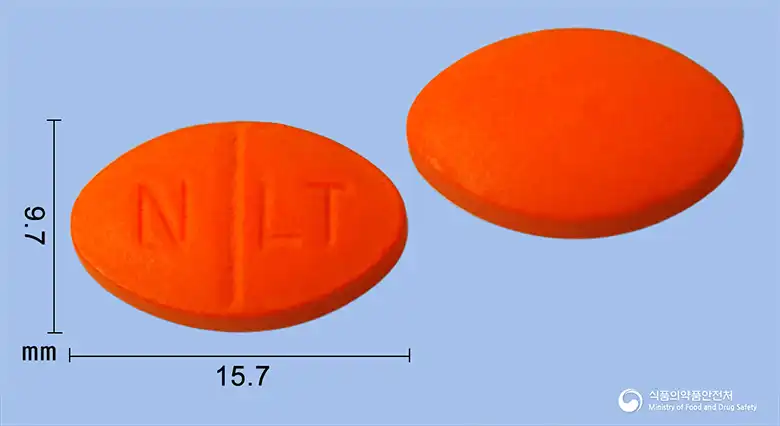
Oval film-coated tablet, light yellow
For domestic use - 500 tablets/bottle, for export - 20 tablets/box[((10 tablets/PTP)*2)], for export - 100 tablets/box[((10 tablets/PTP)*10)]
Even with the same ingredient, strength, dosage form and how it is taken can differ.
Viewing nowIbuprofen 400mg
Tablet · OTC medication
NexPharm Korea Co., Ltd.

Ibuprofen 200mg
Tablet · OTC medication
Samil Pharmaceutical Co., Ltd.

Ibuprofen 400mg
Tablet · OTC medication
Samil Pharmaceutical Co., Ltd.

Ibuprofen 400mg
Tablet · OTC medication
(Company) AProgen Biologics
Ibuprofen 200mg
Tablet · OTC medication
Taeguk Pharmaceutical Co., Ltd.
Ibuprofen 400mg
OTC medication
Youngpoong Pharmaceutical Co., Ltd.
Ibuprofen 2g
Suspension · OTC medication
Samil Pharmaceutical Co., Ltd.
Ibuprofen 2g
Suspension · OTC medication
Il Dong Pharmaceutical Co., Ltd.
Even with the same ingredient, the dose and directions can differ by strength and dosage form. Talk to a doctor or pharmacist before switching from a medication you are already taking.
No questions yet.
For anything that needs medical judgment, consult a doctor or pharmacist.
This drug information is based on data provided by the Korea Ministry of Food and Drug Safety.
Consult a doctor or pharmacist for accurate dosage, administration, and usage instructions.