
 한국어
한국어 English
 日本語
日本語 中文(简体)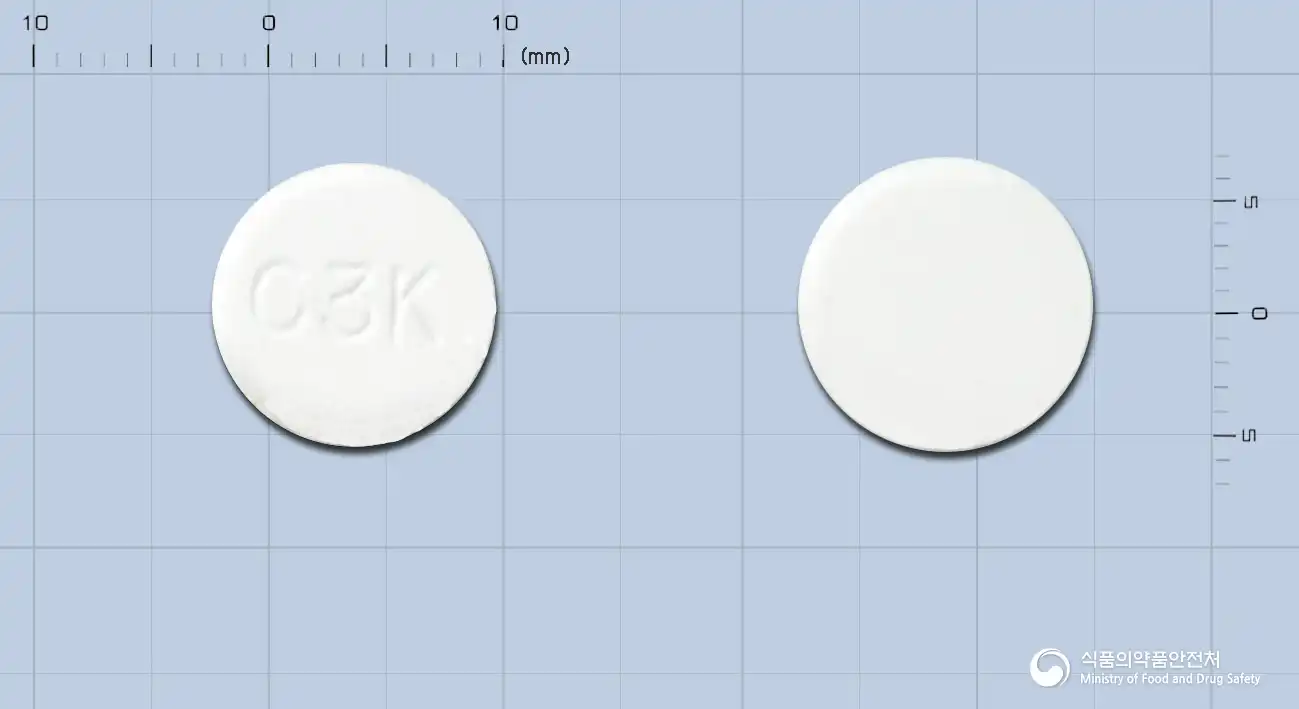
Summary
- Main use
- Effect for peptic ulcer and gastritis (antacid action, symptom improvement) and calcium supplementation effect
- Who takes it
- Adults
- Adult dose
- For peptic ulcer, gastritis, and hyperacidity, take calcium carbonate 1-5g per day in 3-4 divided oral doses. For calcium supplementation, take 1.5-3g per day in 1-2 divided oral doses, adjusting as necessary according to age and symptoms.
Ingredients
- Manufacturer
- (주)한국파마
Efficacy & effects
Effect for peptic ulcer and gastritis (antacid action, symptom improvement) and calcium supplementation effect
- Peptic ulcer
- gastritis
- hyperacidity
View approved original textHide original text
This medication is used to neutralize gastric acid and improve symptoms in conditions such as peptic ulcer, gastritis, and hyperacidity. Additionally, it compensates for calcium deficiency in the body, supporting bone health.
How to take
Adult dose
For peptic ulcer, gastritis, and hyperacidity, take calcium carbonate 1-5g per day in 3-4 divided oral doses. For calcium supplementation, take 1.5-3g per day in 1-2 divided oral doses, adjusting as necessary according to age and symptoms.
Precautions
This medication should be used with caution not to exceed 7.5 grams per day. Patients with severe hypercalcemia or hypercalciuria, primary hyperparathyroidism or hypothyroidism, severe renal failure, achlorhydria or gastric acid deficiency should not use this medication. Additionally, this medication contains lactose, so individuals with galactose intolerance, Lapp lactase deficiency, or glucose-galactose malabsorption should not take it. Patients with poor kidney function, heart and lung issues, constipation, and those taking other medications should use this medication carefully. Digestive symptoms such as nausea, constipation, and diarrhea may occur during the course of treatment, and excessive gastric acid secretion may occur rarely. Taking high doses may elevate calcium levels in the blood or cause alkalosis, and long-term or high-dose use may increase the risk of kidney stones or urinary stones. Hypersensitivity reactions such as itching may also occur, so caution is advised. It’s essential to adhere to the prescribed dosage, and when administering to children, it should be done under the supervision of a guardian. If symptoms do not improve after approximately two weeks of use, consultation with a physician or pharmacist is necessary. This medication should not be taken with tetracycline antibiotics, as it may reduce the absorption of the antibiotic. Furthermore, this medication can affect the acidity in the gastrointestinal tract or bodily fluids, which may influence the absorption or excretion of other medications, so it should be used with care. Taking it with a large quantity of milk may lead to symptoms of hypercalcemia or alkalosis, so conditions should be closely monitored, and discontinuation should occur if any abnormalities are detected. When used with vitamin D or diuretics, there is a risk of elevated blood calcium levels, so caution is necessary. This medication should be stored out of reach of children, away from direct sunlight, and in a cool, dry place. Also, to prevent misuse and maintain quality, it is advisable not to transfer it to other containers.
Side effects and when to seek care immediately
Mild side effects
- Nausea
- constipation
- diarrhea
- rebound gastric acid secretion
- hypercalcemia
- alkalosis
- kidney stones
- urinary stones
- itching
Not everyone experiences these, and they can vary from person to person.
Interactions
Drug interactions
Do not use this medication with tetracycline antibiotics. Consult with a physician or pharmacist if taking vitamin D, thiazide diuretics, or other medications simultaneously.
Food interactions
Taking this medication with a large amount of milk may cause milk-alkali syndrome (hypercalcemia, hypernitrogenemia, alkalosis, etc.). Consult with a physician or pharmacist.
Storage
This medication should be stored in a sealed container to prevent air or moisture from entering and kept at room temperature that is not too hot or too cold. By storing it this way, the effectiveness of the medication can be maintained for a longer time.
Appearance and packaging
Appearance
White round tablets
Package unit
300 tablets/bottle
Questions about this medicine
No questions yet.
For anything that needs medical judgment, consult a doctor or pharmacist.