
 한국어
한국어 English
 日本語
日本語 中文(简体)
Dosage form image
Viewing nowHuons Potassium Chloride 40 Injection
Potassium Chloride 150mg
Prescription medication
Huons Co., Ltd.
MFDS item code 199102547 · Notified 1991.01.23
Treatment of hypokalemia and digitalis poisoning
This medication is used for the treatment of hypokalemia, particularly hypokalemia that occurs after the use of diuretics, and for digitalis poisoning.
(Tablets) Therapeutic dose: 1,200 to 3,000mg of potassium chloride for an average adult, taken in appropriate divided doses. Preventive dose: for patients on diuretics, take 600mg once daily as potassium chloride. Take after meals, without chewing or crushing. (Injection) Average adult 0.5 to 3g of potassium chloride diluted in Ringer's solution, dextrose injection, or saline injection to a concentration of 0.
This medication is a potassium-replenishing injection and should not be used in certain patients. For example, it should not be given to patients who are allergic to any of the ingredients, have poor kidney function, or have heart function issues, or in patients with severe dehydration or severe tissue damage due to burns. In addition, caution is required in patients with gastrointestinal disorders, heart hypertrophy causing esophageal compression, post-heart surgery patients, and those with already high serum potassium levels. This medication should be used with greater caution in patients with impaired kidney function, heart disease, or conditions that can lead to elevated potassium levels. Care is also needed when administering it to patients with high serum chloride levels or acid-base balance issues, and when used in conjunction with other medications that can induce hyperkalemia. During administration, attention should be paid to signs of potassium toxicity due to excessively high potassium levels, which may manifest as paresthesia in the limbs, muscle paralysis, mental confusion, hypotension, and cardiac arrhythmias. Gastrointestinal symptoms such as nausea, vomiting, abdominal discomfort, and diarrhea have also been reported. Since it can put strain on the heart, especially with large doses, careful observation of ECG changes is required. It is important to regularly monitor the blood potassium levels, kidney function, and ECG changes when using this medication. Administration should be stopped immediately if hyperkalemia is observed. Additionally, patients on low-salt diets may need to replenish not only potassium but also chloride. There may be pain during intravenous injection; hence caution is necessary. This medication can dangerously elevate blood potassium levels if used with certain diuretics, antihypertensives, anti-inflammatory drugs, immunosuppressants, etc. Therefore, it is essential to follow the guidance of a doctor or pharmacist and frequently check potassium levels when used in combination. Women who are pregnant or nursing should use this medication cautiously as its safety has not been fully established. Furthermore, elderly patients may require dose adjustments due to decreased body function. In case of overdose, severe hyperkalemia may occur, and treatment should be stopped immediately, and appropriate therapy should be administered. This medication must be diluted and administered only as an intravenous drip at a strict rate and concentration to avoid straining the heart. Administering without dilution may lead to cardiac side effects; hence the specified method must be strictly followed.
Not everyone experiences these, and they can vary from person to person.
This medication should be stored in a sealed container to prevent air or moisture from entering, preferably at room temperature between 1 to 30 degrees Celsius. This way, the effectiveness of the medication can be maintained for a longer period.
Colorless liquid in a colorless transparent plastic (polypropylene, polyethylene) container
20mL x 50 plastic ampoules, 20mL x 20 plastic ampoules
Even with the same ingredient, strength, dosage form and how it is taken can differ.
Potassium Chloride 150mg
Prescription medication
Huons Co., Ltd.
Potassium Chloride 0.15g
Solution · Prescription medication
JW Pharmaceutical Corporation
Potassium Chloride 0.15g
Injections · Prescription medication
Daehan Pharmaceutical Industry Co., Ltd.
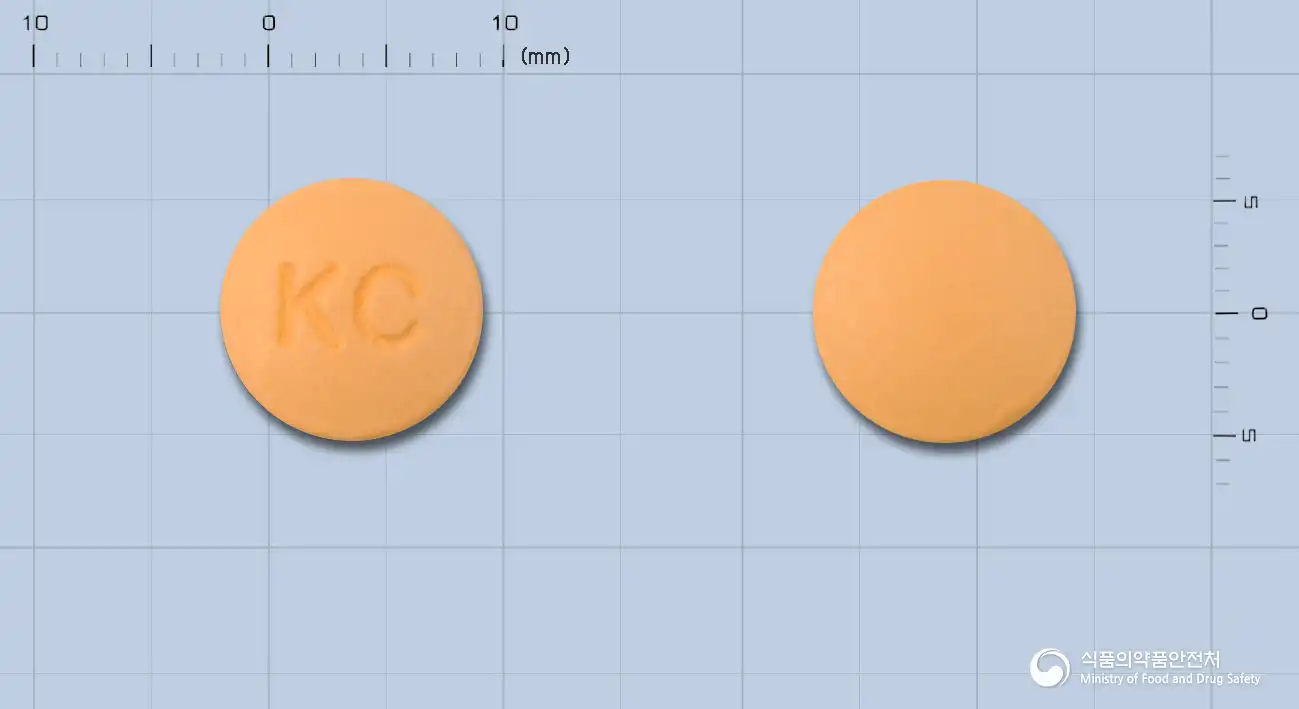
Potassium Chloride 600mg
Tablet · Prescription medication
Dongkwang Pharmaceutical Co., Ltd.
Potassium Chloride 0.15g
Injections · Prescription medication
Jeil Pharmaceutical Co., Ltd.
Potassium Chloride 74.55mg
Injections · Prescription medication
Daehan Pharmaceutical Industry Co., Ltd.
Even with the same ingredient, the dose and directions can differ by strength and dosage form. Talk to a doctor or pharmacist before switching from a medication you are already taking.
No questions yet.
For anything that needs medical judgment, consult a doctor or pharmacist.
This drug information is based on data provided by the Korea Ministry of Food and Drug Safety.
Consult a doctor or pharmacist for accurate dosage, administration, and usage instructions.