Medication info
Dulacane Syrup (Lactulose Concentrate)

Dulacane Syrup (Lactulose Concentrate)

OTC medicationHard capsule경구
Ingredient · strength
Loperamide Hydrochloride›2mg / 1 capsule
Manufacturer / importer
태극제약(주)
Appearance
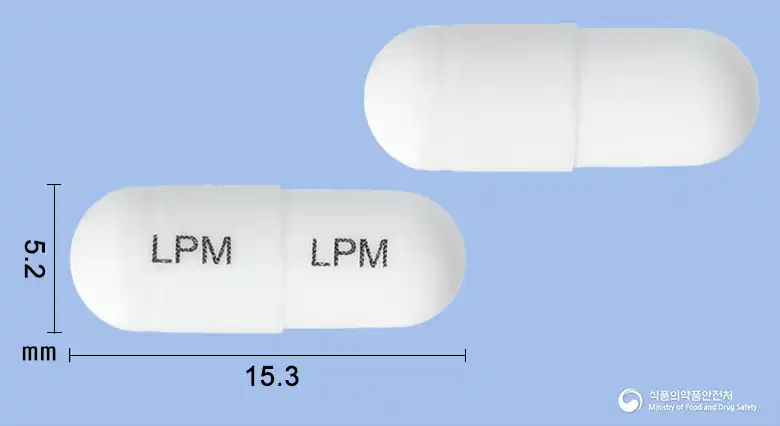
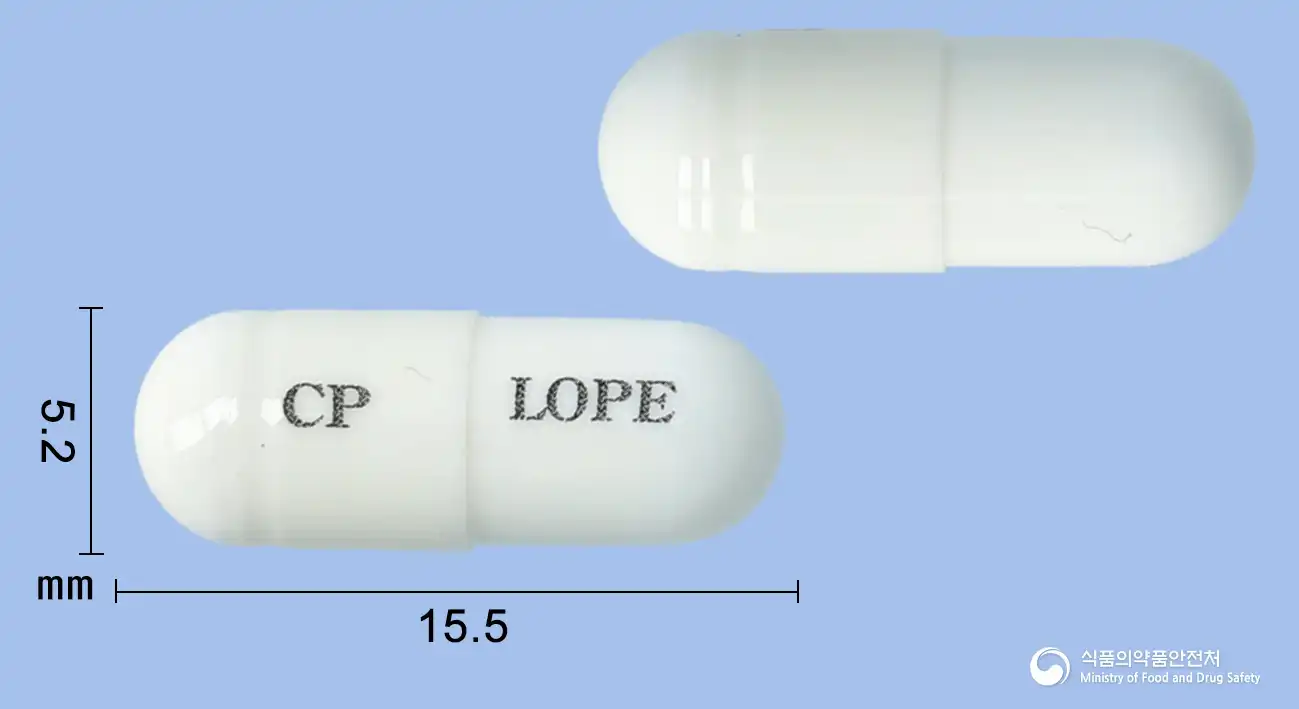
White hard capsule containing white powder
Packaging
10 capsules/PTP, 1000 capsules/bottle
Approval status
Active

MFDS item code 197800212 · Notified 1978.10.25 · Insurance code 644800520

Summary

Main use
Treatment and prevention of chronic portal-systemic encephalopathy (hepatic coma)
Who takes it
Adults · Children
Adult dose
For acute diarrhea: the initial dose of loperamide hydrochloride is 4 mg administered orally, and for maintenance, 2 mg should be given with each occurrence of loose stools. The usual daily dose is 6-8 mg, and the maximum daily dose is 16 mg. For chronic diarrhea: the initial dose of loperamide hydrochloride is 4 mg administered orally, and maintenance dosing of 2 mg should be given with each occurrence of loose stools until diarrhea is resolved. Thereafter, dosage should be tailored to the individual patient's needs.
Child dose
For acute diarrhea in children aged 9-12 years: the initial dose of loperamide hydrochloride is 2 mg administered orally, and for maintenance, 2 mg should be given with each occurrence of loose stools. The maximum daily dose is 6 mg. Aged 24 months to 12 years.

Ingredients

Manufacturer
태극제약(주)

Efficacy & effects

Treatment and prevention of chronic portal-systemic encephalopathy (hepatic coma)

  • Acute diarrhea
  • chronic diarrhea
View approved original text

This medication is used to relieve various forms of diarrhea symptoms, such as acute and chronic diarrhea.

How to take

Adult dose

For acute diarrhea: the initial dose of loperamide hydrochloride is 4 mg administered orally, and for maintenance, 2 mg should be given with each occurrence of loose stools. The usual daily dose is 6-8 mg, and the maximum daily dose is 16 mg. For chronic diarrhea: the initial dose of loperamide hydrochloride is 4 mg administered orally, and maintenance dosing of 2 mg should be given with each occurrence of loose stools until diarrhea is resolved. Thereafter, dosage should be tailored to the individual patient's needs.

Child dose

For acute diarrhea in children aged 9-12 years: the initial dose of loperamide hydrochloride is 2 mg administered orally, and for maintenance, 2 mg should be given with each occurrence of loose stools. The maximum daily dose is 6 mg. Aged 24 months to 12 years.

Precautions

This medicine should not be used in infants under 24 months of age or in children with chronic diarrhea. It should not be administered to patients with bacterial diarrhea associated with bloody stools or high fever, patients with acute ulcerative colitis, or patients with serious gastrointestinal diseases such as intestinal obstruction or megacolon. If constipation, abdominal distension, or symptoms of intestinal obstruction occur, discontinue use immediately. Patients who are allergic to this medication should also refrain from using it. Individuals with genetic lactose intolerance or glucose-galactose malabsorption should not take this medication. Patients with impaired liver function should use this medication cautiously, as symptoms such as fatigue, dizziness, and drowsiness may occur during treatment. Caution is advised when driving or operating machinery. If diarrhea symptoms do not improve within 48 hours (acute) or 10 days (chronic), discontinue use and consult a doctor or pharmacist. Due to the risk of fluid and electrolyte loss from diarrhea, proper fluid and electrolyte replacement is especially necessary for children. Pregnant women in early pregnancy should carefully consider the benefits and risks of taking this medication, and it is not recommended for breastfeeding women as it may be secreted in small amounts in breast milk. Children aged over 24 months and under 7 years should take this medication strictly according to the instructions of a doctor or pharmacist, as there is a risk of overdose due to immature liver function. Elderly patients may have decreased bodily functions, thus requiring dosage adjustments and caution. In case of overdose, symptoms such as central nervous system depression, urinary retention, and intestinal obstruction may occur, so the prescribed dosage should not be exceeded, and an antidote can be administered if necessary. This medication does not treat the cause of diarrhea but alleviates the symptoms; therefore, if symptoms do not improve, consult a medical professional.

Side effects and when to seek care immediately

Serious side effects

Hives, angioedema, toxic epidermal necrolysis, erythema multiforme, Stevens-Johnson syndrome (bullous rash), anaphylactic shock and anaphylactic reactions (severe allergic reactions), intestinal obstruction, abdominal distension, toxic megacolon, urinary retention, respiratory depression, central nervous system depression (stupor, miosis, muscle rigidity, abnormal gait, impaired coordination), QT interval prolongation, severe ventricular arrhythmias

Mild side effects

  • Dry mouth
  • abdominal distension
  • abdominal cramping
  • severe pain
  • nausea
  • vomiting
  • headache
  • constipation
  • dizziness
  • drowsiness
Show 3 more
  • indigestion
  • abdominal pain
  • sleepiness

Not everyone experiences these, and they can vary from person to person.

Interactions

Drug interactions

This medication should be used with caution when taken in combination with quinidine or ritonavir; consult a doctor or pharmacist before use.

Storage

This medication should be stored in a tightly closed container to protect it from air and moisture. The recommended storage temperature is between 1 degree and 30 degrees Celsius.

Appearance and packaging

Appearance

White hard capsule containing white powder

Package unit

10 capsules/PTP, 1000 capsules/bottle

Same-ingredient medicines

Even with the same ingredient, strength, dosage form and how it is taken can differ.

Even with the same ingredient, the dose and directions can differ by strength and dosage form. Talk to a doctor or pharmacist before switching from a medication you are already taking.

Questions about this medicine

No questions yet.

For anything that needs medical judgment, consult a doctor or pharmacist.

Related searches

Search tags

Suggested searches

This drug information is based on data provided by the Korea Ministry of Food and Drug Safety.
Consult a doctor or pharmacist for accurate dosage, administration, and usage instructions.