
 한국어
한국어 English
 日本語
日本語 中文(简体)
 Viewing now
Hyun's Potassium Iodide Tablets
Potassium Iodide 130mg
Tablet · Prescription medication
Hyun's Co., Ltd.
MFDS item code 201102784 · Approved 2011.05.02
Thyroid protection effect
This medication is used to protect the thyroid gland in emergency situations at risk of radiation exposure. When the thyroid is exposed to radiation, it may lead to dysfunction, so this medication helps protect health by reducing the thyroid's absorption of radiation.
Adults and adolescents (age 12 years and over): 130 mg of potassium iodide once daily Do not exceed the prescribed dose within 24 hours. This medication may be crushed or mixed with beverages (water, milk, juice) for consumption.
Children (age 3 to under 12 years): 65 mg once daily Infants (age over 1 month to under 3 years): 32.5 mg once daily Newborns (birth to under 1 month): 16.25 mg once daily
This medication should not be used in patients who are hypersensitive to iodine. It should not be administered to individuals with specific conditions such as pulmonary tuberculosis, herpes dermatitis, or vasculitis. Additionally, it should be avoided in patients with thyroid nodules accompanying heart disease or genetic issues such as lactose intolerance. Patients under medical supervision, those with heart or kidney function issues, patients with thyroid dysfunction, pregnant or nursing women, and newborns should be administered this medication cautiously. If allergic reactions such as rash, fever, swelling of the face or lips, or difficulty breathing occur during usage, discontinue immediately and consult a specialist. Long-term use may result in thyroid dysfunction, gastrointestinal issues, skin changes, and nervous irritability; thus, regular monitoring and testing are required. In case of overdose, symptoms such as nausea, vomiting, edema, and cardiac issues may arise, requiring caution. This medication is most effective when taken immediately after a radiation accident, as its effectiveness decreases over time. It should especially be prioritized for pediatric patients. Patients with large goiters or toxic thyroid disease may develop hyperthyroidism, so they should take this medication only after receiving a doctor's diagnosis. For those on long-term therapy, periodic checks of potassium levels in the blood are advisable. Taking this medication immediately after a meal may cause the drug to adhere to stomach contents, reducing effectiveness, so caution is advised. When dissolving the medication in a drink, it is recommended to consume it immediately rather than storing it; mixing it with milk or fruit juice may reduce the metallic taste. When taken with other medications, interactions may occur, so care must be taken, particularly with lithium preparations or potassium-containing medications, and blood tests should be conducted to monitor closely. During pregnancy, this medication may affect the thyroid function of the fetus; hence, it should only be taken when necessary under medical supervision, and the thyroid condition of both the fetus and newborn should be closely monitored. Nursing mothers should also minimize the duration of exposure, as this medication can pass into breast milk. Children and the elderly require adjusted dosages and careful monitoring due to differing body functions. Before taking this medication, patients undergoing specific thyroid tests or radioactive iodine therapy should temporarily discontinue to avoid interference with test results. Finally, store this medication in a cool, dry place out of reach of children, avoiding direct sunlight, and do not transfer it to another container.
Not everyone experiences these, and they can vary from person to person.
This medication may be sensitive to light, so it should be stored in a light-protected, airtight container. Additionally, it is recommended to store the medication at room temperature between 1°C and 30°C. Proper storage will help maintain the medication's effectiveness.
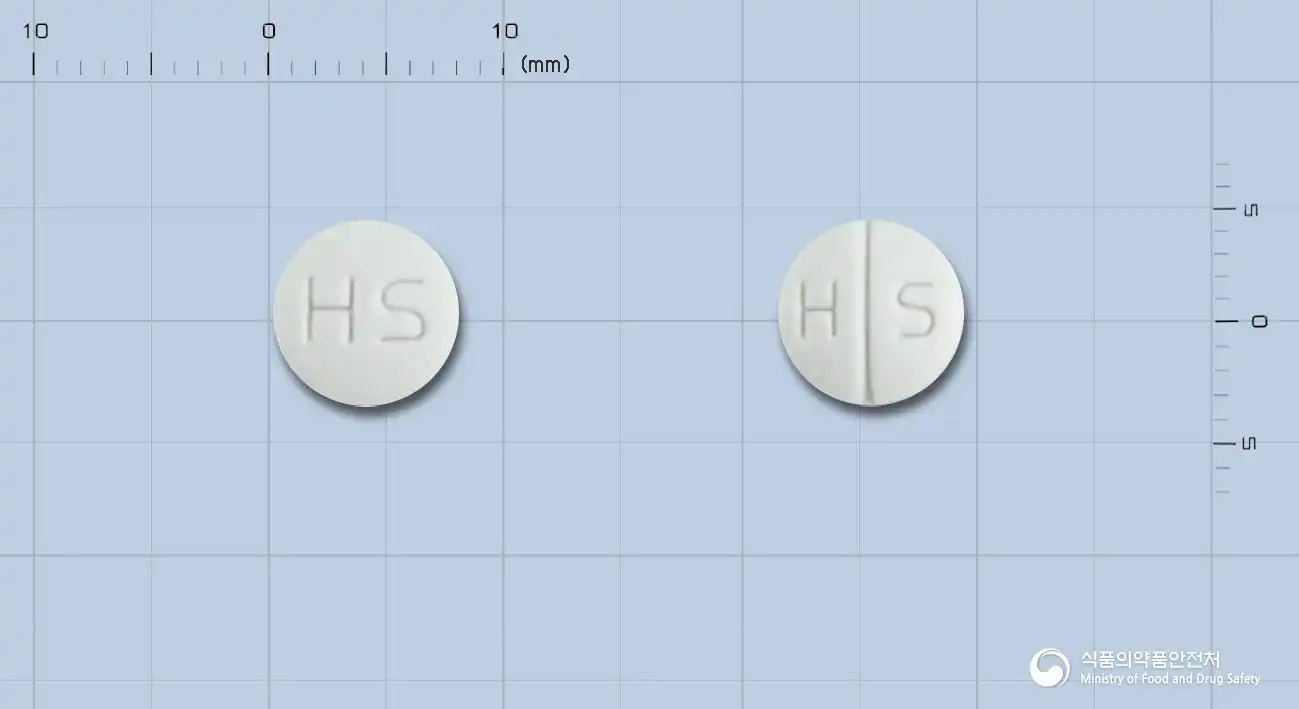
White round tablet
30 tablets/bottle, 120 tablets/bottle, 120 tablets (10 tablets/PTP x 12), 100 tablets (10 tablets/PTP x 10)
Even with the same ingredient, strength, dosage form and how it is taken can differ.
Viewing nowPotassium Iodide 130mg
Tablet · Prescription medication
Hyun's Co., Ltd.
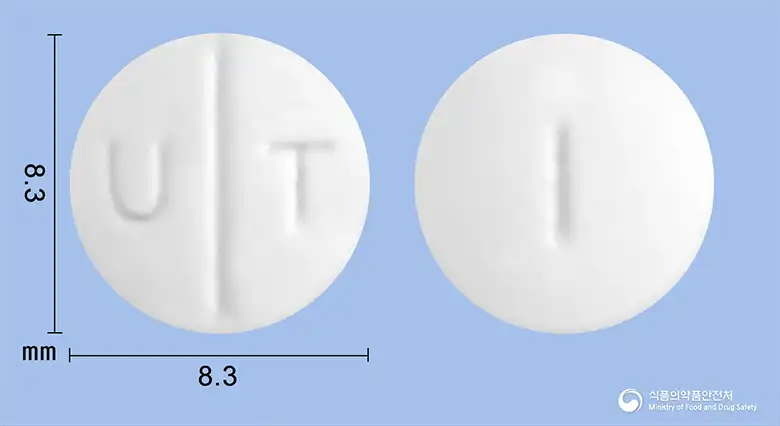
Potassium Iodide 130mg
Tablet · Prescription medication
Korea United Pharmaceutical Co., Ltd.
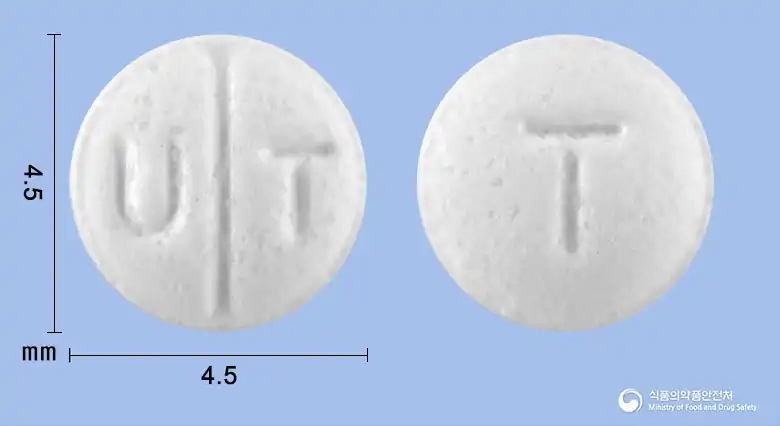
Potassium Iodide 32.5mg
Tablet · Prescription medication
Korea United Pharm Co., Ltd.
Even with the same ingredient, the dose and directions can differ by strength and dosage form. Talk to a doctor or pharmacist before switching from a medication you are already taking.
No questions yet.
For anything that needs medical judgment, consult a doctor or pharmacist.
This drug information is based on data provided by the Korea Ministry of Food and Drug Safety.
Consult a doctor or pharmacist for accurate dosage, administration, and usage instructions.