
 한국어
한국어 English
 日本語
日本語 中文(简体)
Dosage form image
Viewing nowChildren's Brufen Syrup (Ibuprofen)
Ibuprofen 2g
Suspension · OTC medication
Samil Pharmaceutical Co., Ltd.
MFDS item code 198601920 · Notified 1986.08.14 · Insurance code 643900911,643900912,643900913
Relief of inflammation and pain caused by rheumatoid arthritis and osteoarthritis (degenerative joint disease)
This medication alleviates pain and inflammation from degenerative joint diseases such as rheumatoid arthritis, juvenile rheumatoid arthritis, and osteoarthritis when taken orally. It is also effective for fever and pain due to colds, back pain, dysmenorrhea, and postoperative pain. Additionally, it is used for ankylosing spondylitis, headaches, toothaches, muscle pain, neuralgia, acute gout, psoriatic arthritis, soft tissue injuries, and non-articular rheumatic diseases. The suppository form is suitable for fever caused by acute upper respiratory infections in children. It is widely used to improve various painful and inflammatory conditions.
Rheumatoid arthritis, osteoarthritis, ankylosing spondylitis, soft tissue injury, non-articular rheumatic diseases, acute gout, psoriatic arthritis: 200-600mg per dose, administered orally 3-4 times a day. Up to 3200mg per day may be administered. Mild to moderate pain, cold: 200-400mg per dose, administered orally 3-4 times a day. Juvenile rheumatoid arthritis: 30-40mg per kg per day divided into 3 doses
Administer orally 3-4 times a day. It is preferable to avoid administering on an empty stomach. Single dose and maximum daily dose - Ages 11-14: 200-250mg (10-12.5mL) per dose, maximum 10 per day
This medication may pose a risk of gastrointestinal bleeding if taken by individuals who regularly consume three or more alcoholic beverages daily. Therefore, consultation with a doctor or pharmacist is essential. This medication can increase the risk of cardiovascular issues, so caution is necessary for individuals with a history of heart disease or stroke risk factors. If cardiovascular symptoms occur during use, immediate consultation with healthcare professionals is required, especially for those with hypertension or heart failure. This medication can cause serious gastrointestinal problems such as gastrointestinal bleeding, ulcers, and perforations, so elderly patients or those on long-term use should be particularly cautious. Individuals with a history of gastrointestinal diseases, severe blood disorders, liver impairment, kidney impairment, heart failure, or severe hypertension should not use this medication. Those allergic to the ingredients of this medication or with a history of asthma, or those who have had hypersensitivity reactions to aspirin or other non-steroidal anti-inflammatory drugs should also avoid its use. In late pregnancy, this medication can harm the fetus, so it should not be taken, and caution is necessary for those undergoing cancer treatment. While taking this medication, do not exceed the recommended dosage, and avoid using it in combination with other anti-inflammatory medications. This medication can pass into breast milk and cause adverse reactions in infants, so breastfeeding should be stopped or use of this medication should be discontinued while nursing. Drowsiness or dizziness may occur while taking this medication, therefore caution is advised when driving or operating machinery, and symptoms may worsen if taken with alcohol. Those with blood disorders, liver or kidney disease, heart disease, hypertension, or a history of allergies should consult a doctor or pharmacist before use. Pregnant women, especially after 20 weeks, may face issues like fetal kidney dysfunction, reduced amniotic fluid, or ductus arteriosus constriction, hence prenatal monitoring is essential. This medication may reduce the effectiveness of aspirin and increase the risk of gastrointestinal bleeding when taken together, so caution is needed. There may be interactions when taken with certain medications, so individuals taking ACE inhibitors, lithium, diuretics, methotrexate, anticoagulants, or SSRIs must consult with a physician. If symptoms like rash, shortness of breath, severe allergic reactions, gastrointestinal bleeding, or signs of liver or kidney dysfunction occur after use, discontinue immediately and seek medical advice. Long-term use of this medication may lead to liver dysfunction, anemia, or kidney damage, necessitating regular check-ups, and any symptoms should be reported immediately. In case of overdose, symptoms like dizziness, vomiting, liver dysfunction, or renal failure may occur, so it is crucial to adhere to the recommended dosage. Fluid retention or edema may occur, so patients with heart failure should be particularly cautious. This medication poses a risk of kidney damage to dehydrated patients, so caution is necessary in cases of suspected dehydration. Diabetics should consider the sucrose content in this medication when taking it. This medication should be kept out of reach of children and stored in its original container to prevent misuse or deterioration in quality.
Hives, severe edema, chest tightness, difficulty breathing, cold sweat, paleness, severe rash with high fever, blisters, skin detachment, pain in mouth/eyes mucosa, shortness of breath or difficulty breathing, asthma attack, respiratory distress accompanied by cough + fever, jaundice (yellowing of skin or eyes), extreme lethargy, sudden and severe headache, thunderclap headache, seizures, confusion, vision changes, paralysis, urination issues
Not everyone experiences these, and they can vary from person to person.
Do not take this medication with other non-steroidal anti-inflammatory drugs, high doses of methotrexate. Additionally, consult your physician or pharmacist if taken with ACE inhibitors, lithium, furosemide and thiazide diuretics, low-dose methotrexate, coumarin anticoagulants (such as warfarin), or selective serotonin reuptake inhibitors.
Do not take this medication with alcohol.
This medication is sensitive to light, so it should be stored in a tightly sealed container that blocks light. The storage temperature should be maintained between 1 degree and 30 degrees Celsius. Proper storage will help maintain the medication's efficacy and safety over time.
A syrupy suspension that is white to pale yellow with an orange scent
80 mL/bottle, 90 mL/bottle, 1000 mL/bottle
Even with the same ingredient, strength, dosage form and how it is taken can differ.
Ibuprofen 2g
Suspension · OTC medication
Samil Pharmaceutical Co., Ltd.

Ibuprofen 200mg
Tablet · OTC medication
Samil Pharmaceutical Co., Ltd.

Ibuprofen 400mg
Tablet · OTC medication
Samil Pharmaceutical Co., Ltd.

Ibuprofen 400mg
Tablet · OTC medication
(Company) AProgen Biologics
Ibuprofen 200mg
Tablet · OTC medication
Taeguk Pharmaceutical Co., Ltd.
Ibuprofen 400mg
OTC medication
Youngpoong Pharmaceutical Co., Ltd.
Ibuprofen 2g
Suspension · OTC medication
Il Dong Pharmaceutical Co., Ltd.
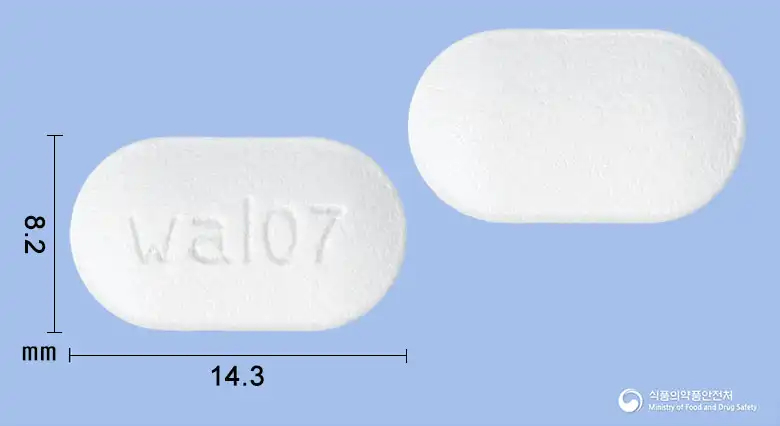
Ibuprofen 400mg
Tablet · OTC medication
Austin Pharmaceutical Co., Ltd.
Even with the same ingredient, the dose and directions can differ by strength and dosage form. Talk to a doctor or pharmacist before switching from a medication you are already taking.
No questions yet.
For anything that needs medical judgment, consult a doctor or pharmacist.
This drug information is based on data provided by the Korea Ministry of Food and Drug Safety.
Consult a doctor or pharmacist for accurate dosage, administration, and usage instructions.