


아침햇살77
 너무 감사해요.
정보 알려주셔서 정말 고맙습니다


Install the Cashdoc app
Are you all doing a healthy diet?
Are you doing a diet where only the muscle decreases and the fat stays the same, so only your weight decreases?
Are you not thinking, "I went on the scale this morning and lost 1-2kg? Did I gain weight?"
Do you know InBody? I saw an article earlier this year, and according to the InBody data analysis results,
It is said that women in their 20s in our country have the highest rate of thin obesity worldwide.
I think it's because they only focused on weight loss through dieting.
I have excerpted part of the article below.

Conversely, there are body types with low BMI but actually obese. The more dangerous "lean obesity" that is not visible on the outside. In particular, the phenomenon of lean obesity is common among young women, and among women in their 20s worldwide, South Korea has the highest rate of lean obesity.
Thin obesity refers to a condition where the body mass index (BMI) is within or below the standard, giving the appearance of a lean physique far from obesity, but in reality, visceral fat has accumulated between the organs, resulting in a high body fat percentage and an obese state.
The main causes of thin obesity are diet methods such as reducing food intake or fasting without strength training, which decrease muscle mass, ultimately leading to weight loss but also lowering basal metabolic rate and creating a body type that gains weight easily.
Additionally, due to the societal trend where young women place great importance on appearance and aim for a slim physique, many develop an imbalanced body type characterized by weight loss through inappropriate exercise and dieting, resulting in a high body fat percentage despite being thin.
Dry obesity can cause various diseases such as diabetes, hypertension, hyperlipidemia, fatty liver, and sarcopenia. High levels of cholesterol and triglycerides can lead to metabolic syndrome such as hypertension and hyperlipidemia, and because of the excess visceral fat, insulin resistance increases, which can worsen diabetes, so special caution is needed.
Do you know that dry obesity is more frightening?
And the fact that it's really difficult to increase muscle in dry obesity!!
No matter how much you exercise in a dry state, it's difficult to build muscle...
You need to gain a certain amount of weight in order to build muscle.
So, to build muscle, you need to gain some weight, increase your muscle mass, and then,
It is said that you need to reduce body fat again in order to lower your weight.
Well.. I'll talk about the healthy diet methods I've been practicing lately.
First! Weigh yourself every day!
I was also someone who only paid attention to my weight.
And during the first few months of the COVID-19 pandemic, I was worried about moving because of the virus at restaurants.
I just had some quick rice noodles or a sandwich for lunch and didn't go to the company cafeteria.
So... it seemed like I was actually losing weight.
But, it wasn't that I lost weight. I wasn't able to properly intake nutrients...
Even the exercise of walking to the restaurant is no longer done, and I stay at home during the weekends because I'm afraid to go outside...
That's why I lost muscle...
And as fat increased, I gained more than 3 kilograms over my original weight...
However! After being diagnosed with pancreatic cancer two years ago, I lost about 5-6 kg after surgery.
After surgery, I am recovering and realizing the importance of health, so I decided to walk at least ten thousand steps every day.
Until last year, I maintained my health by occasionally doing interval running.
And I weighed myself every day.
The duodenum, gallbladder, and bile duct, which share a single blood vessel, are all removed along with the head of the pancreas.
Since the digestive system was different from that of normal individuals, after some recovery from surgery, digestion also returned to normal.
Her weight dropped to 43 kilograms and then stabilized around 44 kilograms.
Over the past two years, I have maintained a weight that is 5kg less than the peak weight during the COVID period.
Do you know about that?
Depending on how many bowel movements you had after using the restroom that day~
And for women, depending on whether it is before the start of the magic or not.
The weight difference is about 1 to 2 kilograms.
I could see it because I weigh myself every day.
One day, I had intestinal trouble and experienced severe stomach pain, causing me to vomit everything, and my weight dropped below 44 kilograms.
One day, just before my period started, if I didn't go to the bathroom properly, I would suddenly shoot up over 45 kilograms...
So I realized that losing 1-2kg and thinking I gained weight was a silly thing to say.
To find out if I've lost or gained weight, I need to weigh myself every day for several months.
The condition must be similar from day to day.
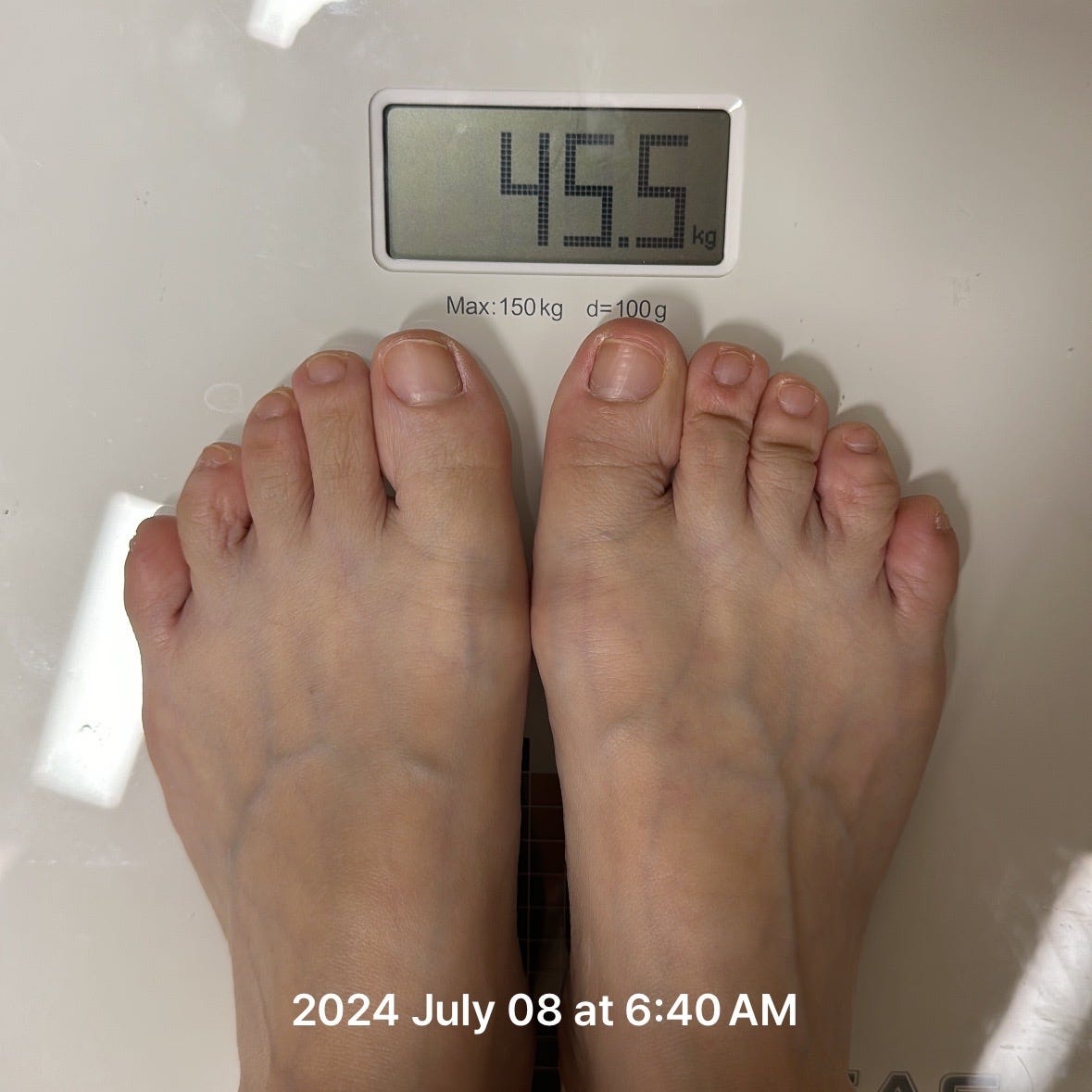
And now, two years after the surgery, I have gained 1 kilogram in weight.
Recent one-week body weight...
Currently, it's around ovulation, so it's not the time when my weight increases by nearly 1kg just before menstruation.
On days when I use the bathroom well, I weigh around 45kg, and before going, I weigh about 500g more.
I'm glad that my weight gain is appreciated now.
Since I need to build muscle, I am gradually increasing my strength training from this current state.

My weight around May of this year was also similar to now.
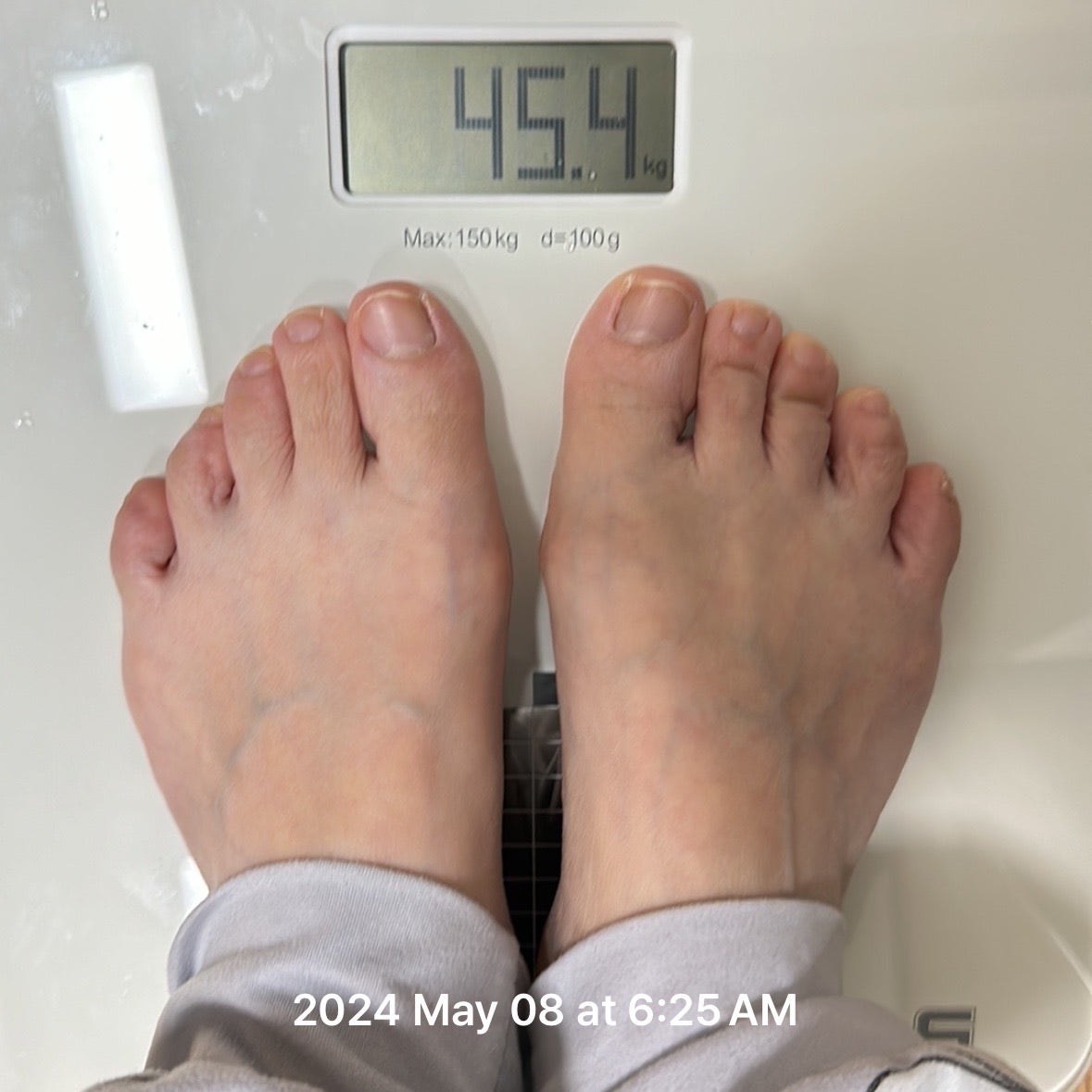

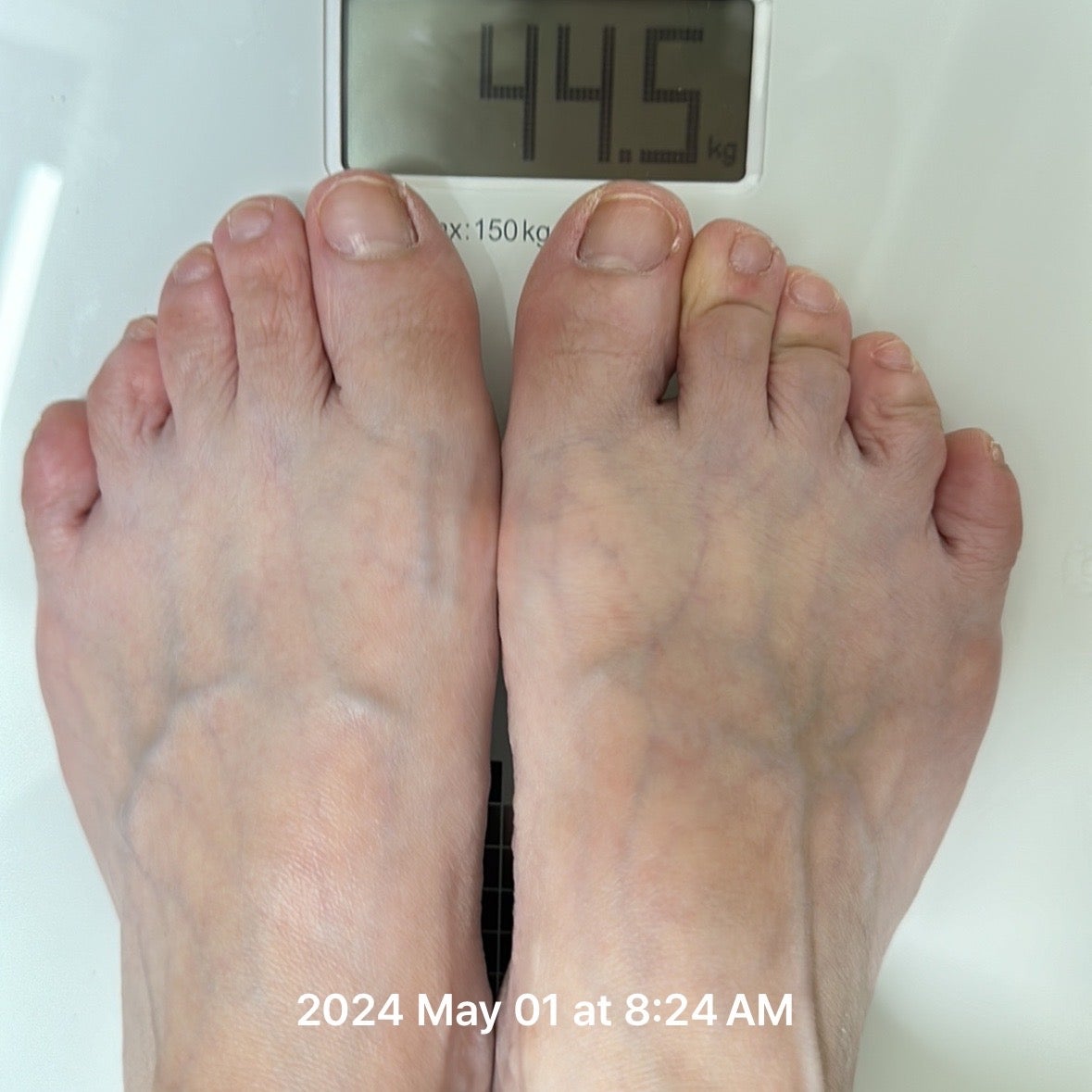
Until March of this year, I was in the low 40s kilograms, but by May, I returned to my current weight.
Is it because, two years after the surgery, the body remembers its previous weight and tries to gain weight?
Or is it now that the stomach and small intestine have recovered their digestive ability to some extent, improving digestion and absorption, leading to weight gain?
I don't know about that.
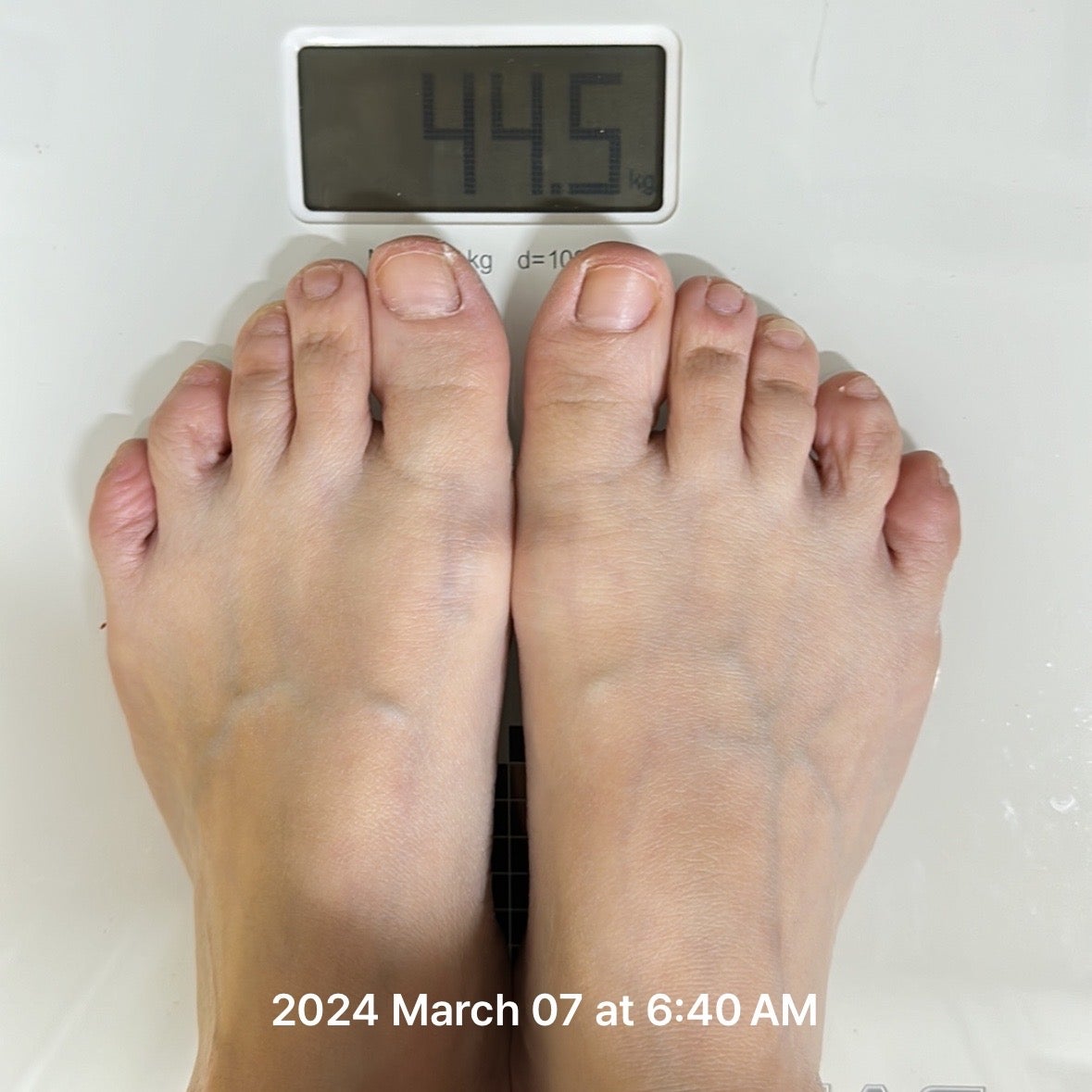

I haven't exceeded 44 kilograms last year.
Since it's only about a year after the surgery, even if eating well, the digestive ability is still impaired.
I think that means my body couldn't absorb it that much, haha.
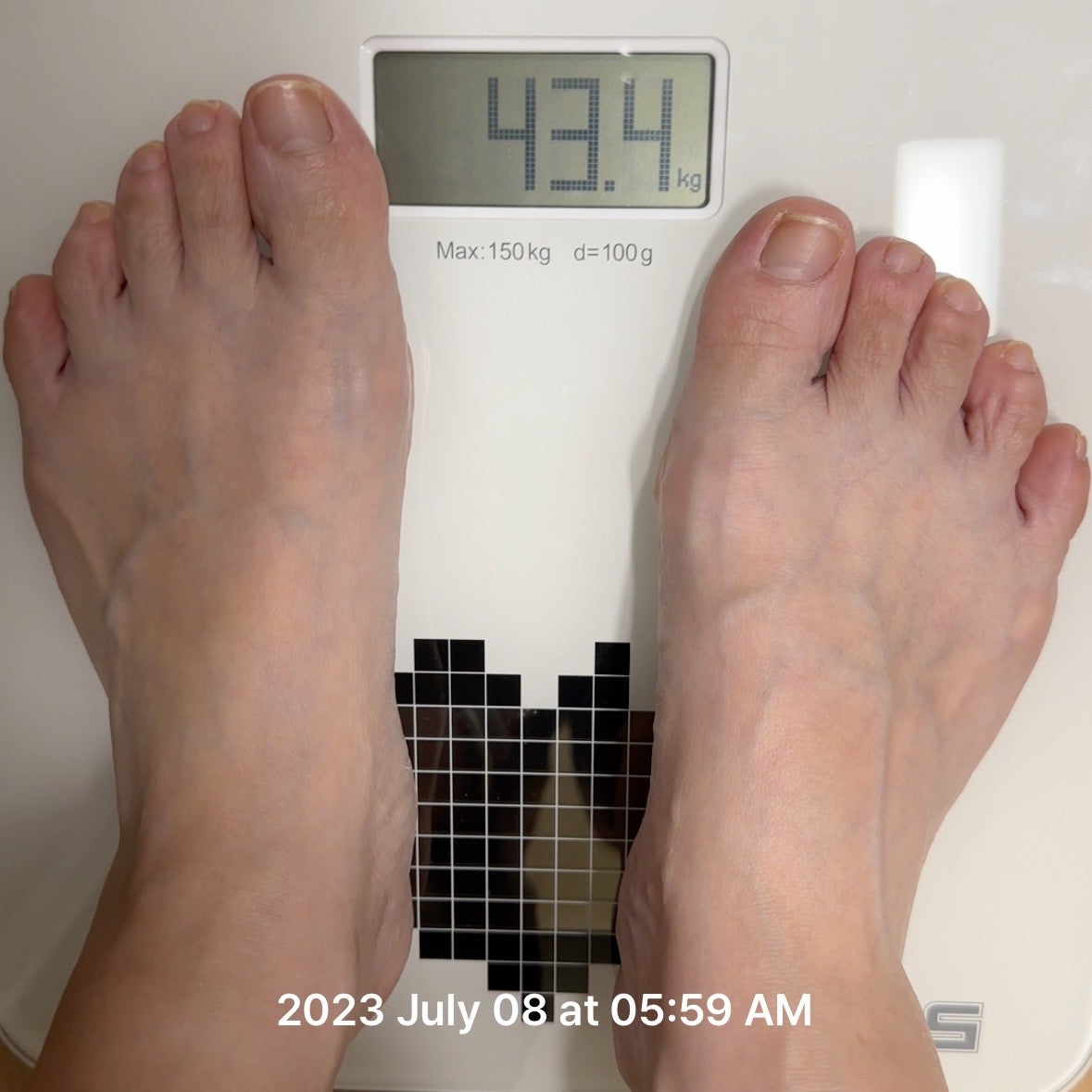

Just as I said that weight is not important,
Actual body mass index is more important.
A healthy body is one that has less fat and more muscle.
I listened to a junior colleague's story about regularly measuring their InBody at the company, so I also checked my InBody.
The first question on the poster attached to the InBody is, "Can you be obese even if you're slim?"
Obesity is determined by body fat, not weight!!!
And it is said that leg muscle mass determines lifespan.
Really... I resented my dad for giving me such a cursed lower body and such strong legs...
Considering that the leg muscle mass is normal...
Hmm... I wonder if being healthy with strong legs is better than being pretty...
My legs are so strong that I would never wear a skirt. Anyway~~
Obesity! Body fat is important, and dieting should also consider muscle mass for a true diet.
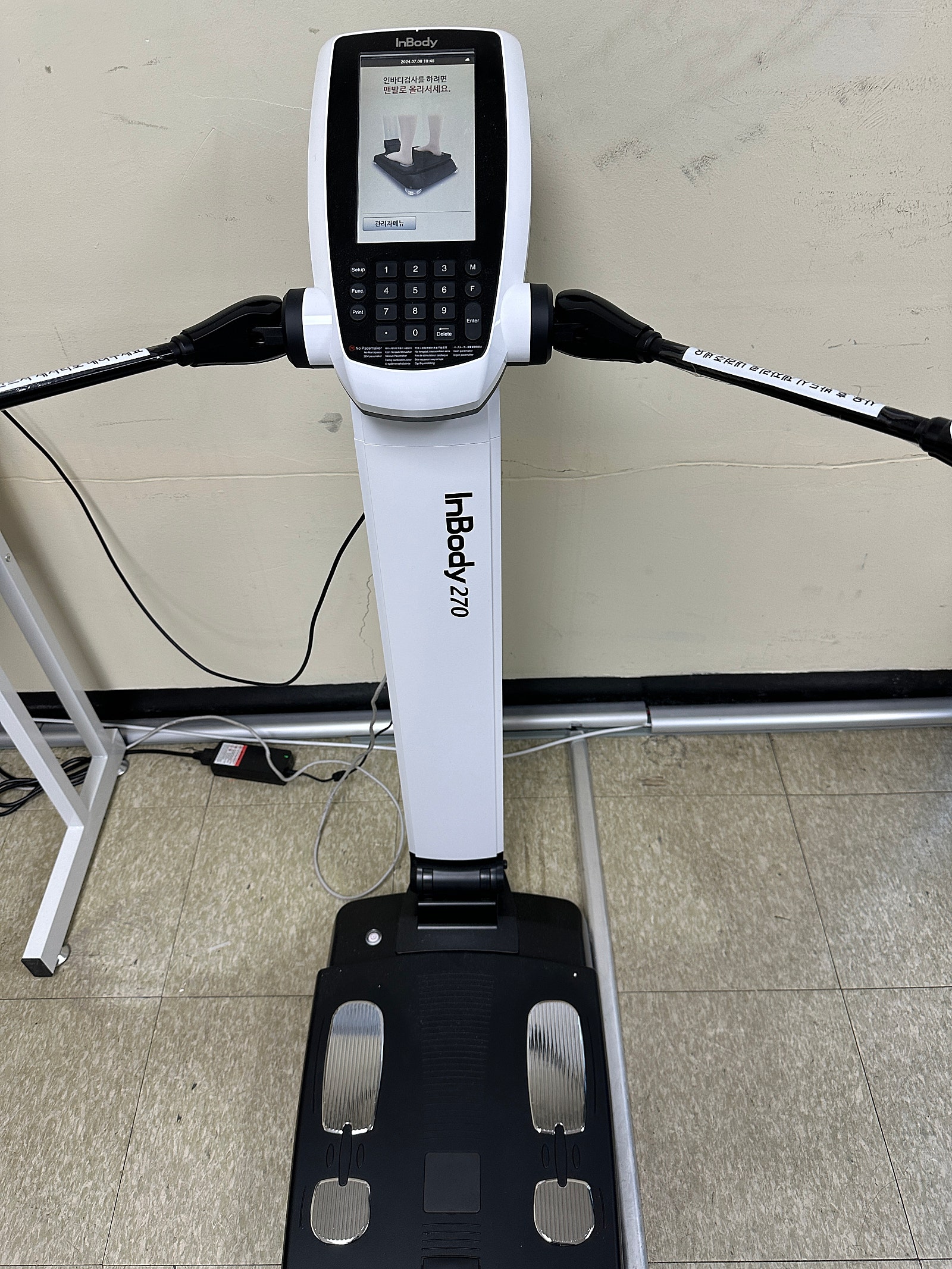

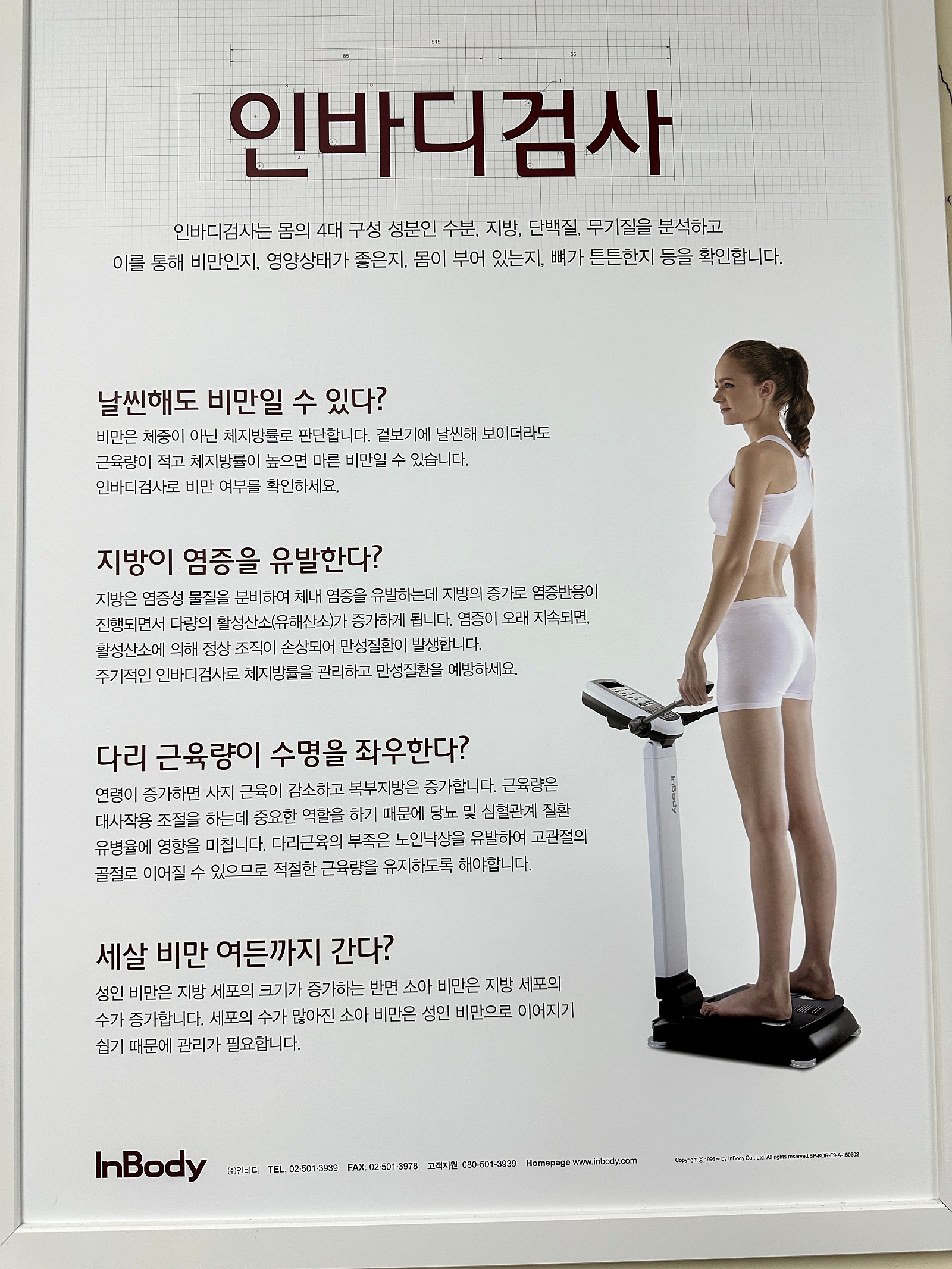
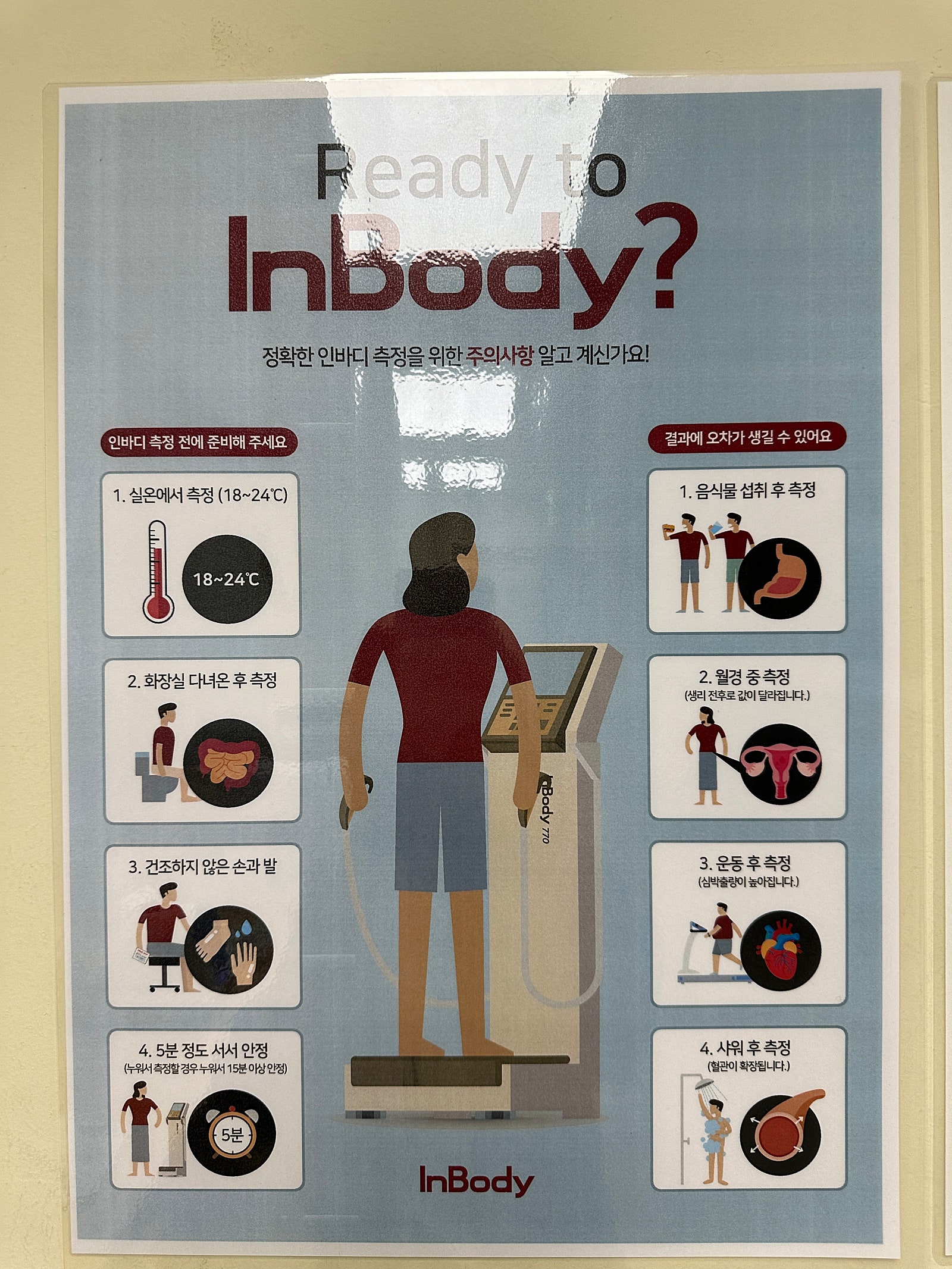
Before the InBody test, please note the precautions and follow the proper procedure for the InBody measurement.

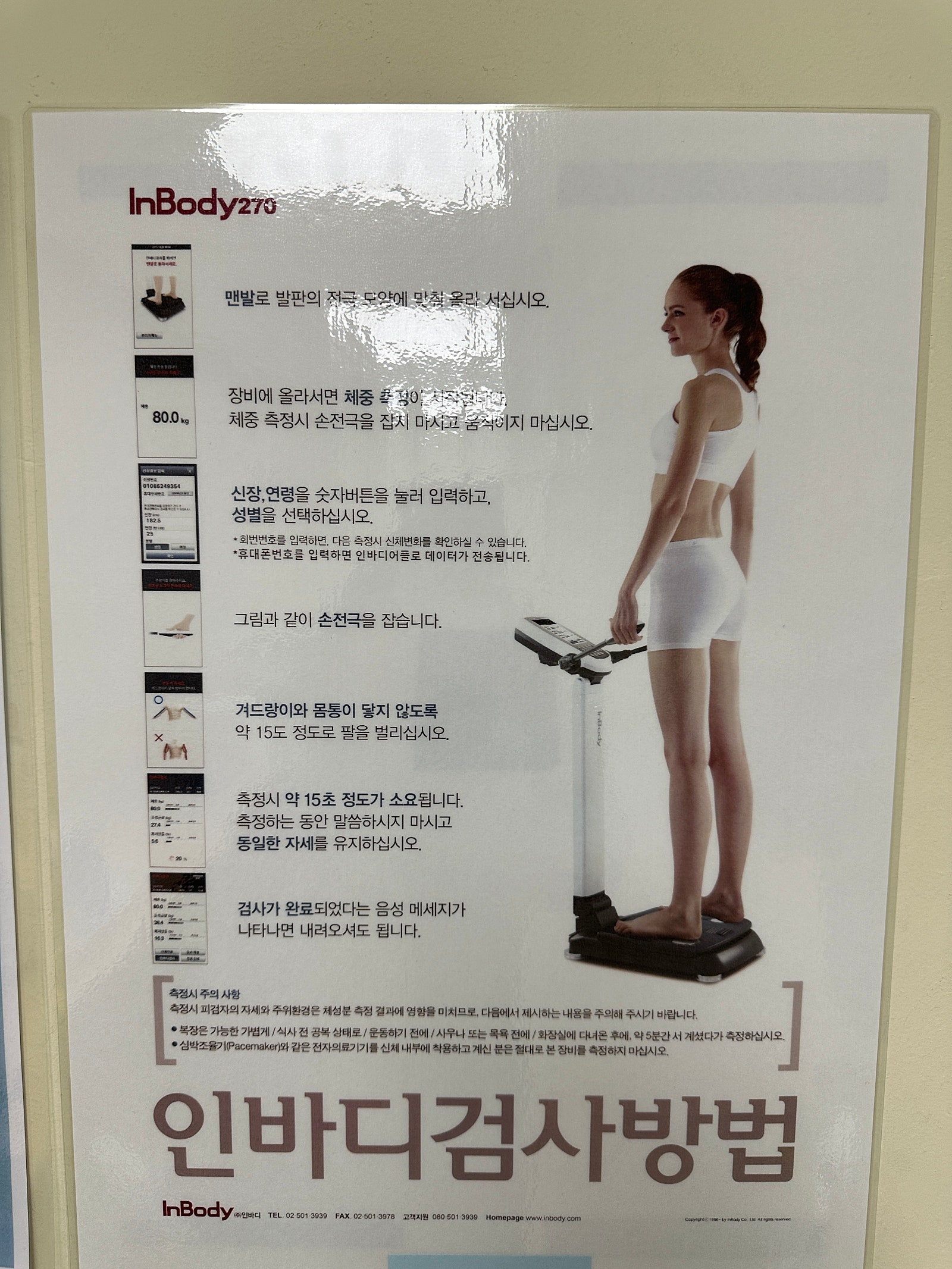
I checked the inventory once in April, both this morning and this afternoon...
I used to just print out paper every time, but after installing the app and looking closely,
I'm glad that many analyses were possible.
Just by looking at skeletal muscle and fat analysis... insufficient muscle mass...
Weight needs to increase a bit more, and body fat is average but slightly high...
Please consider that I am of short stature. Hehe
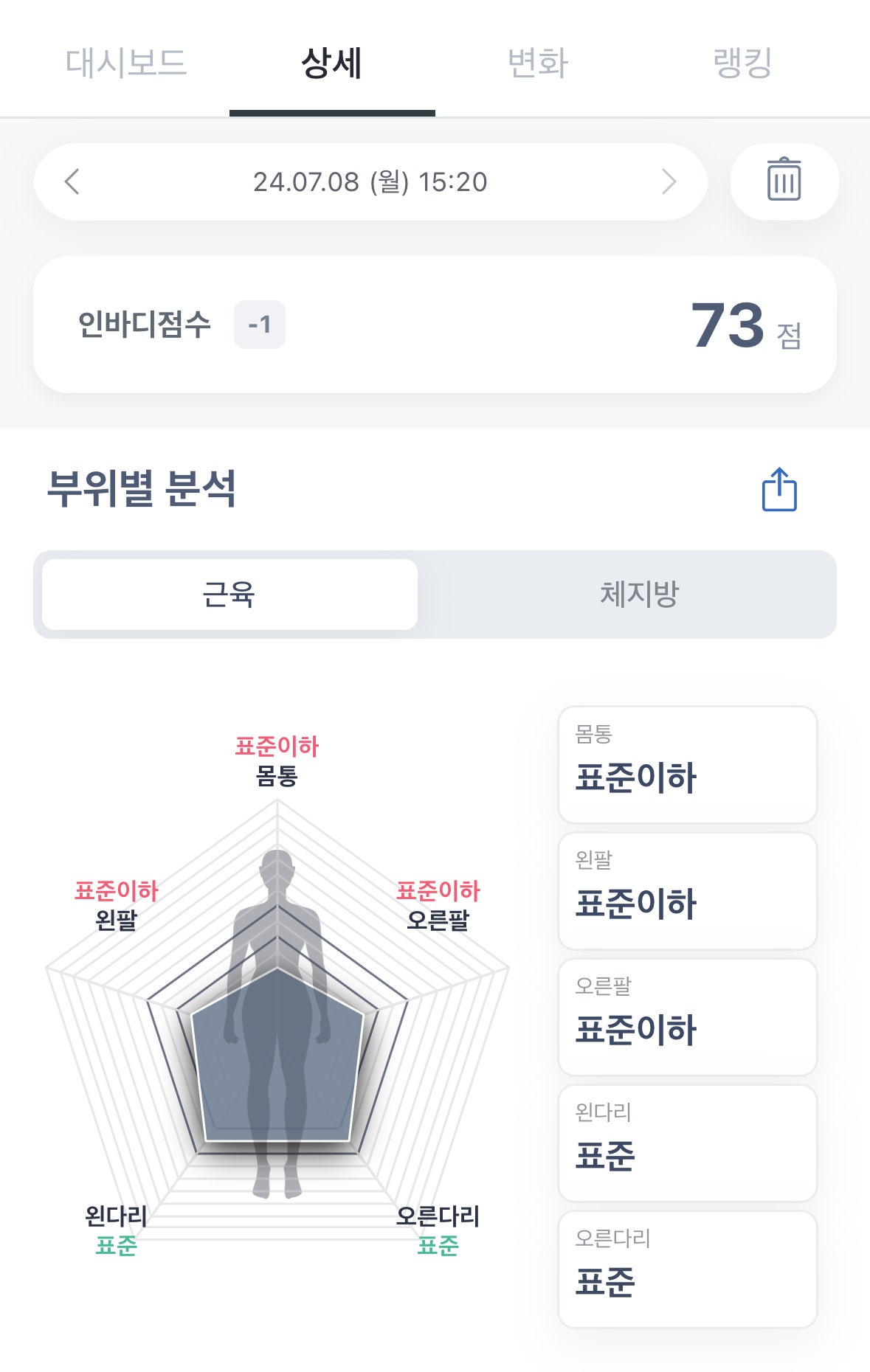


By regularly measuring weight daily to monitor body rhythm and conducting periodic InBody tests,
First of all, knowing your body's condition seems to be the first step in dieting.
And
Second! Walk 10,000 steps every day!
Recovering from illness was also a process of healing the body.
I regret not exercising enough.
Therefore, in order for the incision site to heal quickly after surgery, about 20 centimeters of the incision area should be properly cared for.
Hold onto the support to aid digestion.
Walking along the long corridor from the new building of Seoul Asan Hospital through the West Building to the East Building,
I put on the abdominal binder again, walked, and walked more than ten thousand steps in a day.
And even after being discharged and going to a convalescent hospital,
Even while taking a leave of absence and resting at home, I ate breakfast, lunch, and dinner, and walked for at least 20 minutes.
I always walked for the shortest distances.
Even after returning to work early last year, I always walk for 10 minutes in the morning.
After lunch, I walked for 30 minutes without fail, walking well over ten thousand steps for the day.
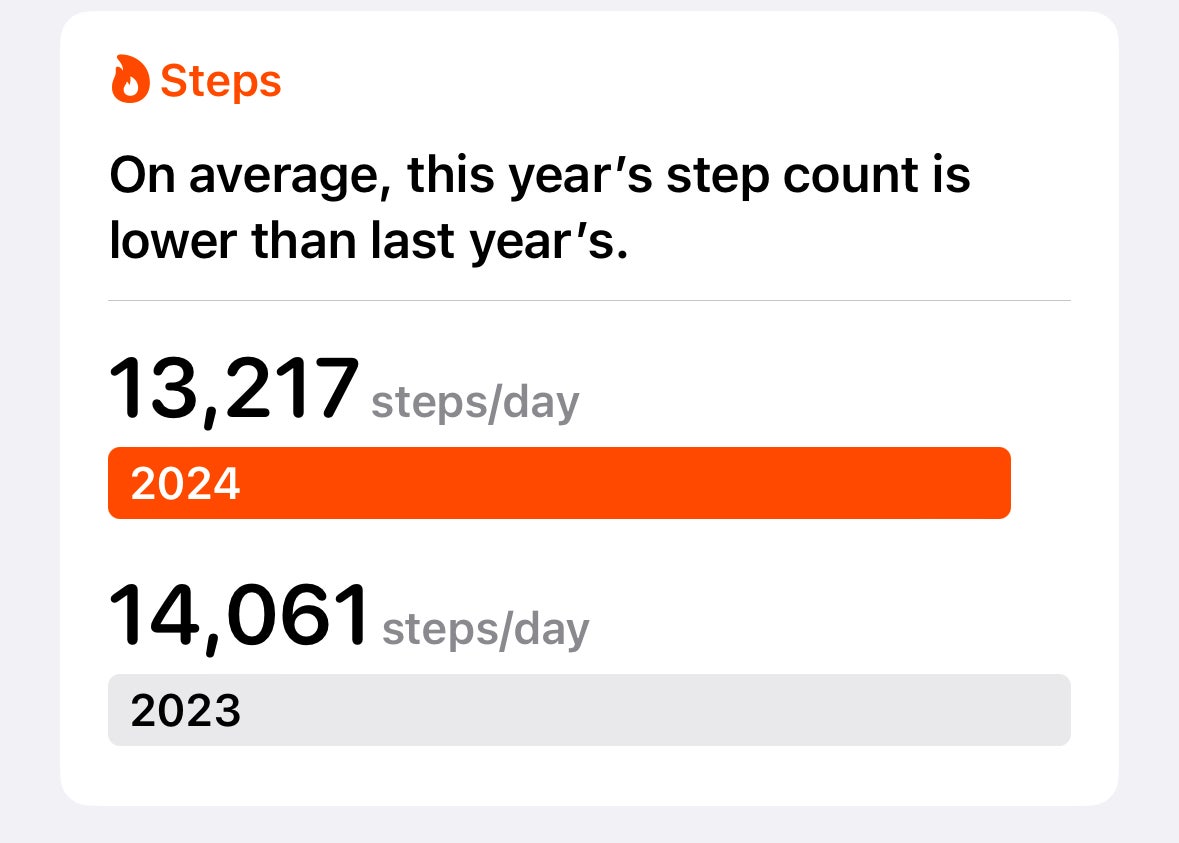
Looking at the walking statistics for May and June last year, it seems that we are walking less than last year.
Lately, I've been walking less and running less than last year, so I'm reflecting on it.
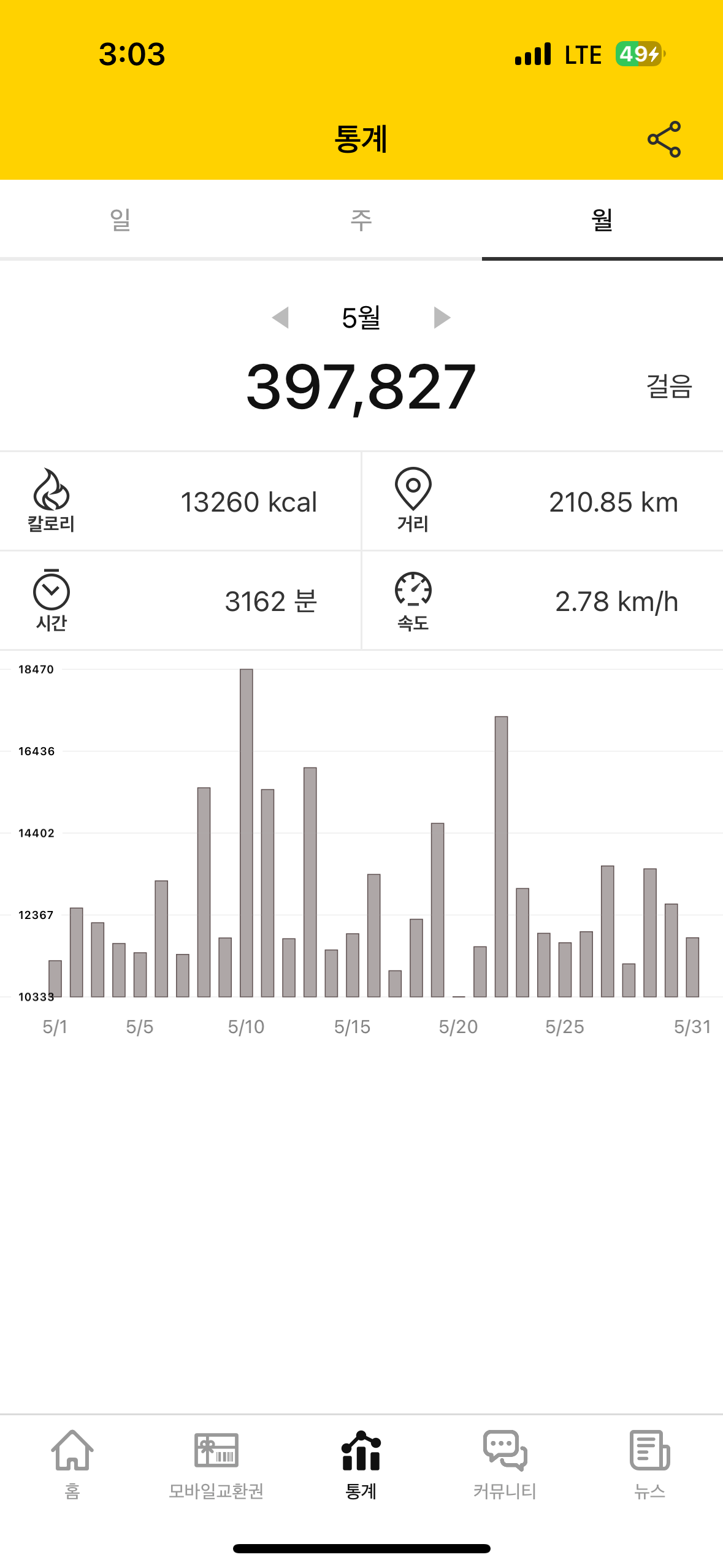

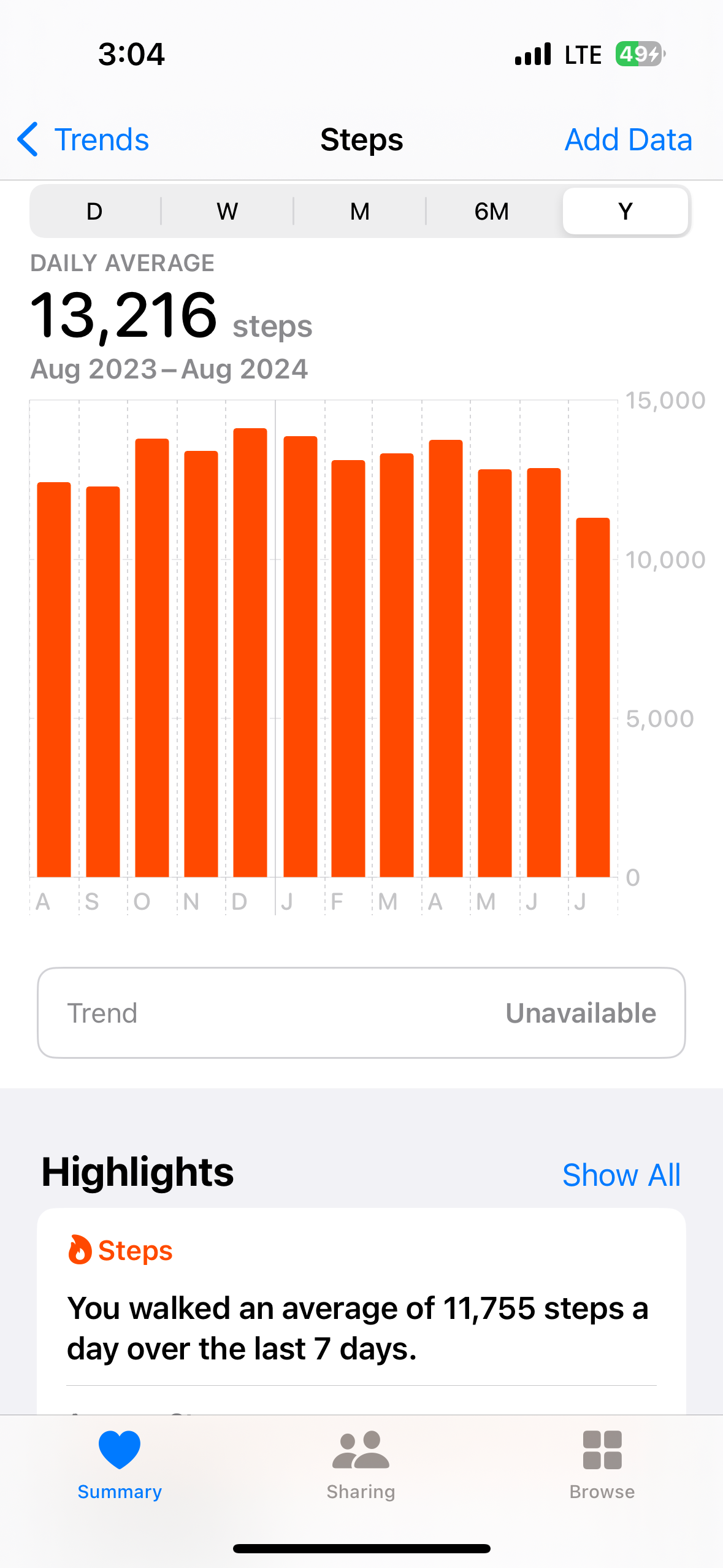
Here.. looking at the iPhone status,
Last year, the average was 14,000 steps, but this year it has decreased to about 13,000 steps, a drop of around 1,000 steps. Oh well~ haha
But it turns out that walking a lot isn't the most important thing.
Walking is difficult because only half of the pancreas is functioning, which can lead to rapid onset of diabetes; therefore, to reduce the burden of pancreatic sugar spikes, it is important.
There is also a reason for walking after meals, but
In order to maintain health, not only walking but also strength training should be added.
The goal should be to gradually add more squats and planks.
Third! Take care of it every morning, prepare a diet considering nutrients!!!
I have posted about the importance of morning.
People who skip breakfast and have a simple lunch tend to overeat at dinner.
Eating a large amount of food all at once during the evening when activity levels are low can lead to the accumulation of nutrients like fats and carbohydrates, resulting in obesity.
So, a balanced nutritious breakfast is effective for dieting!!!
Even before I got sick, I always made sure to have breakfast, so I brought bread and ate it...
Breakfast with just carbohydrates and a cup of coffee not only lacks nutrients but excessive carbohydrates can also harm health.
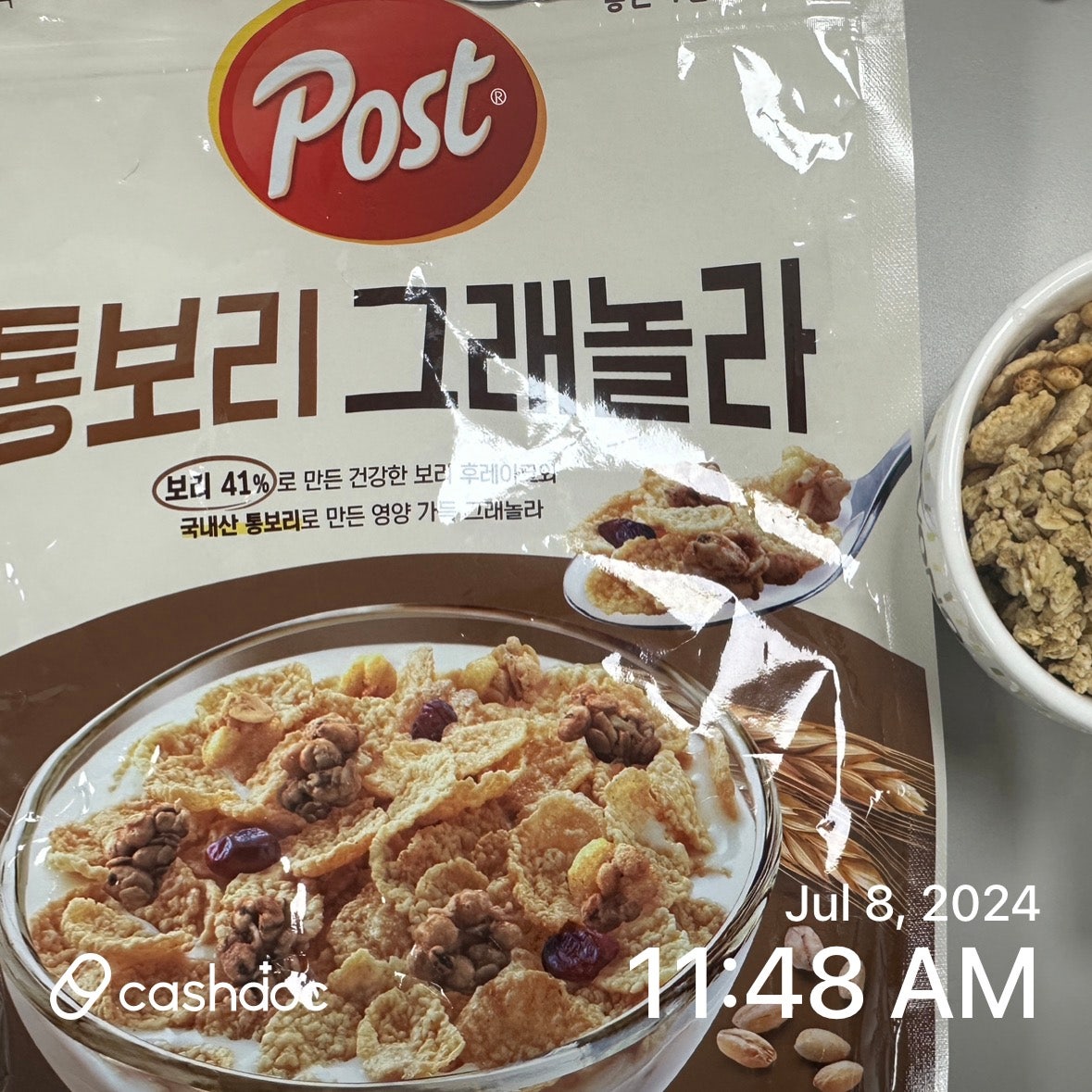
So these days, I am trying out various granola and protein shakes rather than bread.
Make sure to eat a variety of fruits regularly.
I'm also being careful with my diet by consuming less sweet and less salty foods.
Today, for lunch at the company, there was army stew and grilled rice cakes, but I just picked out the ingredients from the army stew and left it at that.
Avoid eating ham as much as possible.. Instead of 떡갈비, bring and eat stir-fried vegetables with it...
I focus on a diet that considers nutrients while avoiding sweet and salty foods to maintain both health and weight loss.


Among the posts I uploaded yesterday, there are 8 ways to boost metabolism to burn body fat.
Interval training
Strength training
Adequate calorie intake
Consistently exercising
Avoid trans fats
Eating more protein = Drinking coffee
Adequate sleep
Now, if I just put more effort into interval training, strength exercises, and getting enough sleep,
I think it's basic to at least do the eight methods~~
For a healthy diet!!!
A diet to reduce body fat and increase muscle mass!!!
Let's all try our best~

5.2K people are talking about hyperlipidemia right now

12K people are talking about high blood pressure right now