 한국어
한국어 English
 日本語
日本語 中文 ( 简体 )
Codi ✦ Mint Silhouette Lifting ✦
 5187 reviews
 43
43 5187 reviews43
 5527 reviews41
 4.939 reviews4
 5467 reviews3
I was 고민하던차에 to improve the sagging skin that catches my eye in the mirror, so I went for a consultation about lifting laser treatment. I will also share the most important factors I considered when choosing a hospital, along with information about the Titan Lifting Laser. While the procedure is important, post-care cannot be ignored, so I am also sharing the care instructions provided by the hospital. Since deciding to undergo a procedure at the dermatology clinic, I have been contemplating two things. Which lifting laser procedure is best among many available treatments? And how should the hospital be chosen? These are the two criteria. First, I received a consultation for the Titan Lift procedure, which is one of the lifting lasers. Because it is excellent at deeply reducing nasolabial folds and eye wrinkles, and fundamentally stimulates skin regeneration, making it helpful for improving acne and pores!! The Titan Lifting Laser procedure is the only treatment that uses light, which is one of the reasons for choosing it, as it has no side effects, and there are hardly any scabs or swelling. And the most important factor I considered when choosing a hospital was whether a dermatologist specialist was providing the treatment. There are more places than you might think that perform procedures with laser machines even if they are not specialized doctors. Finally, proper care after Titan lifting laser treatment is absolutely essential! Since a scab does not form as mentioned above, there is no need to apply skin regeneration ointments or similar treatments. He advised me to pay more attention to moisturizing than usual. The doctor who provided the consultation said that Titan Laser Lifting is so effective that it can be called a skin rejuvenation procedure, and you will be very satisfied with the results. Perhaps because of that explanation, I started to become very excited about the results. Can I really rejuvenate with Titan lifting laser???

For people who usually wear glasses, this is quite an important point. Did you wear it right away? I'm curious how many days you were careful. I would appreciate it if those with experience could answer.
hello! Dr. Han Kyu-nam, Director of Samsao Plastic Surgery Clinic It is. ✨ Skin sagging naturally comes with aging—it’s upsetting every time you look in the mirror, isn't it, to just brush it off by saying, "Everyone does it"? 🥲 To ensure safe plastic surgery procedures and surgeries, today we have prepared the first session on 'Creating a Proper Plastic Surgery Culture,' which is essential from the perspective of consumers and customers! I am going to explain the lifting procedures that so many of you are curious about in great detail and with honesty. 👇 1️⃣ What is non-surgical lifting (EBD/thread lifting) and what are its characteristics? ✨ Everything about non-surgical lifting that simply tightens sagging tissue without a scalpel! 🔸 Energy-based device (EBD) lifting If facial sagging is not severe, devices such as radio frequency (Thermage) or ultrasound (Ulthera) are primarily used. 🔥 Just like meat shrinks when grilled, this method induces tightening by applying heat around the SMAS layer deep within the skin using different principles! Recently, a wide variety of equipment has been developed, including devices utilizing microwaves similar in principle to microwave ovens; these are collectively referred to as EBDs (Energy Based Devices). Depending on the device, the cost can be as high as surgery, making it less cost-effective, so you should be cautious. However, there is a definite advantage in that the recovery period is short, allowing you to manage the procedure discreetly while going about your daily life. 🔸 Thread Lifting It is a representative procedure with a low barrier to entry, in addition to EBD. It is a method that involves inserting threads of various shapes and materials into the skin and physically pulling them up. They are broadly divided into dissolvable and non-dissolvable threads. • Non-dissolving threads: They last a little longer, but the difference isn't huge. Above all, the psychological burden of knowing they remain in the body for a lifetime is significant. • Dissolvable threads (PDO): Currently the most commonly used material, it takes about 6 to 8 months to break down in the body. 📌 It has excellent biocompatibility, so you can rest assured that it rarely causes problems or inflammation on its own inside the body. "In that case, are there absolutely no side effects with non-surgical lifting?" ⚠️ Just because there is no incision does not mean the risk of side effects is 0%! • Cases of EBD side effects: You may have occasionally seen unfortunate news articles about patients suffering facial burns after undergoing the procedure under general anesthesia. Additionally, cases frequently occur where patients complain that their face looks more saggy because they have lost weight after the procedure, as the fat layer surrounding the targeted SMAS is affected. • Examples of thread lifting side effects: Since sagging tissue is only moved upward without being cut away, the lower skin may accumulate near the cheekbones, temporarily making the face appear wider. If the threads are too close to the skin, they may cause skin indentations (ding-up) or adhesions. 2️⃣ What is the principle behind incisional lifting (facelift/mini-facelift), and what are the precautions? ✨ The truth about incisional lifting and mini-lifting that effectively cut away sagging skin and pull it up! 🔸 Representative surgery, facelift It is literally a surgery where the skin is directly incised, pulled up, the excess flesh is completely cut away, and then sutured. Typically, a long incision is used that starts at the hairline near the temple, wraps around the front and back of the ear, and connects. There are exactly two key keywords for a facelift! ① SMAS layer: A major structure located inside the skin that must be pulled ② Retaining ligament: An obstruction that must be severed because it hinders tissue movement In other words, the principle is to completely loosen the retaining ligaments that hinder facial movement and then strongly pull the SMAS layer to move the sagging skin back to its original youthful position. With the recent advancement of plastic surgery anatomy, various surgical methods have emerged. Currently, the mainstream trend in facelift surgery is the 'Deep Plane Facelift,' which has many advantages as it significantly reduces the scope of subcutaneous dissection. 🔸 The Truth Behind Confusing Mini-Lifts (Mini-Facelifts) It is popular due to the perception that "an incision is made, but simply," but in reality, it is the area that patients find most confusing because there is no precise medical definition or consensus. • General method: A small incision is usually made inside the temple hairline, and the skin beneath is narrowly dissected (subcutaneous dissection). • ⚠️ Honest Comparison of Effects: While the effects may last slightly longer than thread lifting, they fall far short of the results of a traditional facelift. This is because mini-lifts generally cannot dissect below the SMAS layer and can only partially release the retaining ligaments. • ✔️ Important Checkpoint: Even if different hospitals use the same name, 'Mini Lifting,' the location of the incision and the extent of dissection vary completely. Generally, the longer the incision and the wider the dissection area, the more certain the results can be expected, so you must confirm the dissection area during the consultation. ❓ FAQ (Frequently Asked Questions) Q1. Why do so many people say they lost facial fat after receiving an energy-based device (EBD) lift? A1. A layer of fat is located around the SMAS layer, which is targeted by high-frequency or ultrasound energy. If this fatty area is affected by the energy during the procedure, its volume decreases, which may make it appear visually slimmer or more saggy. Q2. Can my cheekbones look bigger after a thread lift? A2. Yes, this is a phenomenon that can certainly occur. Thread lifting is a procedure that pulls and moves excess skin or soft tissue upward, rather than cutting it away. Therefore, if the volume that was sagging downwards is pushed toward the cheekbones, the face may momentarily appear wider. Q3. Is there a significant difference in effectiveness between a mini-lift and a facelift? A3. Yes, there is a significant difference. Mini-lifting involves a small incision and a narrow dissection range, so it cannot dissect below the SMAS layer and can only release a portion of the retaining ligaments. On the other hand, a full facelift utilizes extensive dissection to thoroughly release the retaining ligaments and fundamentally tighten the SMAS layer, resulting in a different depth of effect. 🎯 Conclusion Lifting is broadly divided into EBD lifting using equipment, thread lifting using threads, and incision lifting (facelift and mini-facelift) which involves cutting and removing the skin. Even non-incisional procedures can result in side effects such as burns, sunken cheeks, or enlarged cheekbones, and the scope of mini-lifting varies widely from hospital to hospital. Every patient has a different facial structure, and soft tissue conditions, such as the skin and SMAS layer, vary completely. Therefore, it is absolutely forbidden to blindly insist on a specific surgery simply because you heard, "This surgical method is the trend these days." Please be sure to find the best method for your face through an in-depth consultation with a board-certified plastic surgeon with extensive clinical experience. 🩺 Samsao Plastic Surgery Clinic Director Han Gyu-nam Graduated from Seoul National University College of Medicine Master's degree from Seoul National University College of Medicine Plastic Surgery Resident at Seoul National University Hospital Regular member of the Korean Society of Plastic and Reconstructive Surgeons Regular member of the Korean Society of Aesthetic Plastic Surgery Regular member of the Korean Association of Craniofacial Plastic Surgeons Regular member of the Korean Society of Plastic and Reconstructive Surgeons Korean Society of Plastic and Reconstructive Surgeons Anti-aging Research Group Korean Society of Plastic and Reconstructive Surgeons Breast Reconstruction Research Group Korean Society of Plastic and Reconstructive Surgeons Botox, Filler, and Thread Research Group Subcommittee Member of the Future Committee of the Korean Society of Plastic and Reconstructive Surgeons MINT global key doctor Elasticum Advisory Board MENTOR Young Leader 17 years of experience in lifting procedures Possesses numerous cases in the field of incisional lifting Current Chief Director of Samsao Plastic Surgery Clinic

I’ve heard that thread lifting can help tighten sagging cheeks and improve nasolabial folds, so I’m curious to hear the experiences of those who have actually undergone the procedure. I’d like to know about the immediate effects and satisfaction levels afterward, as well as how much the nasolabial folds actually improved. I also want to know if thread lifting alone was sufficient, or if combining it with fillers or other lifting procedures yielded better results. I would be grateful if you could share your honest reviews and information regarding the level of pain, swelling, and tightness, as well as how long the results lasted. 🙏
hello! Dr. Han Kyu-nam, Director of Samsao Plastic Surgery Clinic It is. ✨ Skin sagging naturally comes with aging—it’s upsetting every time you look in the mirror, isn't it, to just brush it off by saying, "Everyone does it"? 🥲 To ensure safe plastic surgery procedures and surgeries, today we have prepared the first session on 'Creating a Proper Plastic Surgery Culture,' which is essential from the perspective of consumers and customers! I am going to explain the lifting procedures that so many of you are curious about in great detail and with honesty. 👇 1️⃣ What is non-surgical lifting (EBD/thread lifting) and what are its characteristics? ✨ Everything about non-surgical lifting that simply tightens sagging tissue without a scalpel! 🔸 Energy-based device (EBD) lifting If facial sagging is not severe, devices such as radio frequency (Thermage) or ultrasound (Ulthera) are primarily used. 🔥 Just like meat shrinks when grilled, this method induces tightening by applying heat around the SMAS layer deep within the skin using different principles! Recently, a wide variety of equipment has been developed, including devices utilizing microwaves similar in principle to microwave ovens; these are collectively referred to as EBDs (Energy Based Devices). Depending on the device, the cost can be as high as surgery, making it less cost-effective, so you should be cautious. However, there is a definite advantage in that the recovery period is short, allowing you to manage the procedure discreetly while going about your daily life. 🔸 Thread Lifting It is a representative procedure with a low barrier to entry, in addition to EBD. It is a method that involves inserting threads of various shapes and materials into the skin and physically pulling them up. They are broadly divided into dissolvable and non-dissolvable threads. • Non-dissolving threads: They last a little longer, but the difference isn't huge. Above all, the psychological burden of knowing they remain in the body for a lifetime is significant. • Dissolvable threads (PDO): Currently the most commonly used material, it takes about 6 to 8 months to break down in the body. 📌 It has excellent biocompatibility, so you can rest assured that it rarely causes problems or inflammation on its own inside the body. "In that case, are there absolutely no side effects with non-surgical lifting?" ⚠️ Just because there is no incision does not mean the risk of side effects is 0%! • Cases of EBD side effects: You may have occasionally seen unfortunate news articles about patients suffering facial burns after undergoing the procedure under general anesthesia. Additionally, cases frequently occur where patients complain that their face looks more saggy because they have lost weight after the procedure, as the fat layer surrounding the targeted SMAS is affected. • Examples of thread lifting side effects: Since sagging tissue is only moved upward without being cut away, the lower skin may accumulate near the cheekbones, temporarily making the face appear wider. If the threads are too close to the skin, they may cause skin indentations (ding-up) or adhesions. 2️⃣ What is the principle behind incisional lifting (facelift/mini-facelift), and what are the precautions? ✨ The truth about incisional lifting and mini-lifting that effectively cut away sagging skin and pull it up! 🔸 Representative surgery, facelift It is literally a surgery where the skin is directly incised, pulled up, the excess flesh is completely cut away, and then sutured. Typically, a long incision is used that starts at the hairline near the temple, wraps around the front and back of the ear, and connects. There are exactly two key keywords for a facelift! ① SMAS layer: A major structure located inside the skin that must be pulled ② Retaining ligament: An obstruction that must be severed because it hinders tissue movement In other words, the principle is to completely loosen the retaining ligaments that hinder facial movement and then strongly pull the SMAS layer to move the sagging skin back to its original youthful position. With the recent advancement of plastic surgery anatomy, various surgical methods have emerged. Currently, the mainstream trend in facelift surgery is the 'Deep Plane Facelift,' which has many advantages as it significantly reduces the scope of subcutaneous dissection. 🔸 The Truth Behind Confusing Mini-Lifts (Mini-Facelifts) It is popular due to the perception that "an incision is made, but simply," but in reality, it is the area that patients find most confusing because there is no precise medical definition or consensus. • General method: A small incision is usually made inside the temple hairline, and the skin beneath is narrowly dissected (subcutaneous dissection). • ⚠️ Honest Comparison of Effects: While the effects may last slightly longer than thread lifting, they fall far short of the results of a traditional facelift. This is because mini-lifts generally cannot dissect below the SMAS layer and can only partially release the retaining ligaments. • ✔️ Important Checkpoint: Even if different hospitals use the same name, 'Mini Lifting,' the location of the incision and the extent of dissection vary completely. Generally, the longer the incision and the wider the dissection area, the more certain the results can be expected, so you must confirm the dissection area during the consultation. ❓ FAQ (Frequently Asked Questions) Q1. Why do so many people say they lost facial fat after receiving an energy-based device (EBD) lift? A1. A layer of fat is located around the SMAS layer, which is targeted by high-frequency or ultrasound energy. If this fatty area is affected by the energy during the procedure, its volume decreases, which may make it appear visually slimmer or more saggy. Q2. Can my cheekbones look bigger after a thread lift? A2. Yes, this is a phenomenon that can certainly occur. Thread lifting is a procedure that pulls and moves excess skin or soft tissue upward, rather than cutting it away. Therefore, if the volume that was sagging downwards is pushed toward the cheekbones, the face may momentarily appear wider. Q3. Is there a significant difference in effectiveness between a mini-lift and a facelift? A3. Yes, there is a significant difference. Mini-lifting involves a small incision and a narrow dissection range, so it cannot dissect below the SMAS layer and can only release a portion of the retaining ligaments. On the other hand, a full facelift utilizes extensive dissection to thoroughly release the retaining ligaments and fundamentally tighten the SMAS layer, resulting in a different depth of effect. 🎯 Conclusion Lifting is broadly divided into EBD lifting using equipment, thread lifting using threads, and incision lifting (facelift and mini-facelift) which involves cutting and removing the skin. Even non-incisional procedures can result in side effects such as burns, sunken cheeks, or enlarged cheekbones, and the scope of mini-lifting varies widely from hospital to hospital. Every patient has a different facial structure, and soft tissue conditions, such as the skin and SMAS layer, vary completely. Therefore, it is absolutely forbidden to blindly insist on a specific surgery simply because you heard, "This surgical method is the trend these days." Please be sure to find the best method for your face through an in-depth consultation with a board-certified plastic surgeon with extensive clinical experience. 🩺 Samsao Plastic Surgery Clinic Director Han Gyu-nam Graduated from Seoul National University College of Medicine Master's degree from Seoul National University College of Medicine Plastic Surgery Resident at Seoul National University Hospital Regular member of the Korean Society of Plastic and Reconstructive Surgeons Regular member of the Korean Society of Aesthetic Plastic Surgery Regular member of the Korean Association of Craniofacial Plastic Surgeons Regular member of the Korean Society of Plastic and Reconstructive Surgeons Korean Society of Plastic and Reconstructive Surgeons Anti-aging Research Group Korean Society of Plastic and Reconstructive Surgeons Breast Reconstruction Research Group Korean Society of Plastic and Reconstructive Surgeons Botox, Filler, and Thread Research Group Subcommittee Member of the Future Committee of the Korean Society of Plastic and Reconstructive Surgeons MINT global key doctor Elasticum Advisory Board MENTOR Young Leader 17 years of experience in lifting procedures Possesses numerous cases in the field of incisional lifting Current Chief Director of Samsao Plastic Surgery Clinic
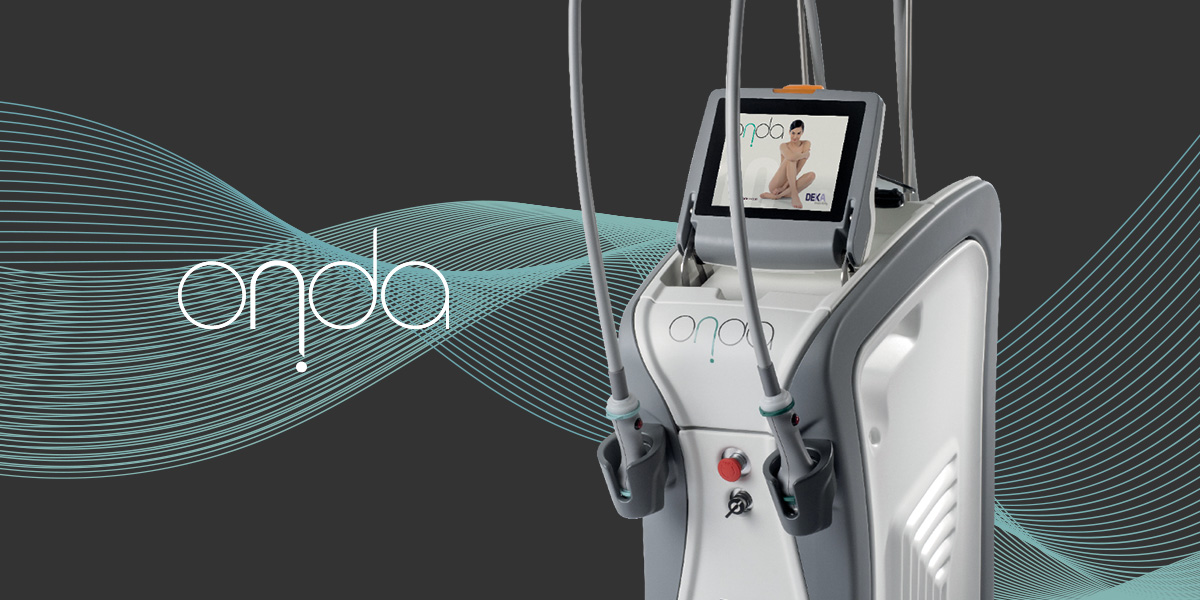
Onda Lifting, You should not receive it if any of these three apply. A Comprehensive Guide to Effective Face Types If you search for Onda Lifting, you've probably seen a lot of posts saying, "You'll regret it if you don't know about this," right? Pain-free and short downtime microwave lifting However, it doesn't suit everyone. Find out right now if it suits you or if it is the type that actually backfires! ① What is Onda Lifting? Microwave (CMRF) Principle ONDA Lifting is Microwave It is a next-generation lifting device utilizing [this technology]. Its principle is different from general radio frequency (RF). division High frequency (Thermage · InMode) Microwaves (on) Heat transfer method Surface → Deep Direct heating of the target layer burn risk Relatively high Low (cooling combined) pain Medium to strong weakness Main effects Elasticity and lifting Fat reduction + elasticity Downtime 1~3 days almost none 💡 Great tip There are two types of Onda handpieces. Fat reduction mode and Collagen generation mode Customized procedures are possible by adjusting the ratios for each individual. ② If you get the Onda Lifting Counterproductive I am of the 3 types No matter how good a procedure is, it can actually make things worse if it doesn't suit your face type. Please check first if any of the three points below apply to you. ⚠️ Type 1: Peanut-shaped skinny face The area between the cheekbone and the jaw, the side cheek Deeply sunken peanut shape This applies to the face. If you look in the mirror and the area next to the cheekbone is concave, it applies. ⚠️ The biggest feature of Onda is fat reduction It is. If those who already lack volume receive You might look even more emaciated, like a skeleton. ⚠️ Type 2: Cases where jaw muscles and salivary glands are developed How to check at home: Place your hand on your chin Bite down hard with a "Wah". For those whose muscles protrude significantly, it is not fat but large muscle. For such individuals Jaw Botox It is a much more cost-effective choice. Also, the area below the ear If you grab it thick like a dumpling This is a case where the salivary glands are developed. Salivary glands are located in three places: below the ears, under the jaw, and on the tongue; this area salivary gland Botox It is effective to reduce it to this. ⚠️ If you have a lot of fat as well as large muscles and salivary glands, it is recommended to receive a combination procedure. However, if you have no fat but only large muscles and salivary glands, this can be an unnecessary waste of money. ⚠️ Type 3: Cases where the skin is severely sagging These are individuals whose skin itself has significantly stretched, such as the abdomen after childbirth. Even if you reduce fat and generate collagen with Onda, Skin that has already stretched significantly has a limit to contraction. For such individuals, it is recommended to consider thread lifting or surgical methods first. ③ Onda Lifting The most effective Face type category characteristic Expected effects Pain sensitive people Procedure possible without anesthesia Completed within 15–20 minutes, return immediately Excessive fat in the cheeks and jaw Even when I diet, only my face doesn't lose weight. facial contour improvement Fate and bridal cheeks for people in their 30s and 40s The fat starts to sag downwards Fat reduction + collagen production No downtime Office workers, wedding preparations, etc. You can return to your daily life immediately after the procedure. 💡 Great tip For those with excess body fat → High ratio for fat reduction mode; for those with reduced elasticity → High ratio for collagen production mode. Personalized settings are the key! ④ Precautions Before & After Procedure & Side Effects Things to Avoid Before the Procedure Types of procedures Recommended interval reason Skin Booster · Rejuran At least 2 weeks ago Moisture reacts to microwaves → Damage to normal tissue filler At least 1 month ago As a general rule, the filling procedure should be performed after the heat procedure. Ulthera · Thermage Can be done on the same day Simultaneous procedures are possible when considering energy distribution. Things to know after the procedure Other procedures after the Onda procedure At least 2 weeks, or safely after 1 month We recommend receiving it. This is especially true if you repeat fat reduction procedures (InMode, Ulthera, etc.) at short intervals. Excessive fat loss Be careful, as you might end up with a peanut-shaped face. Occasionally after the procedure When small granules can be felt in the fat layer This is a process where fat cells coagulate, and it naturally improves over time. ⑤ Onda Lifting Frequently Asked Questions (FAQ) Q. How many Onda Lifting sessions do I need? Generally 2 to 3 times at 1-month intervals We use this as the baseline. For those in a hurry, it is possible to do it at intervals of 2 to 3 weeks, but it is recommended to proceed after confirming the effectiveness. Q. Can I get a lifting procedure after getting jaw Botox? Since Botox is not a water-based substance, after more than two weeks It is fine to receive them together If you are concerned about a combination of fat and muscle, I recommend combining the two. Q. How severe is the pain? At first Cool feeling After the procedure, you will feel a sensation of the inside warming up, similar to a sauna. The pain is minimal enough to be received without anesthesia. Q. Is it noticeable on the face? Immediately after the procedure You can return to your daily life immediately. It is barely noticeable. Many people also get the procedure done during their lunch break. Onda Lifting Key Summary ✅ microwaves Principle — Direct heating of the target layer, low pain and almost no downtime ❌ Peanut-shaped, muscular, salivary gland developed, severe skin sagging Caution regarding adverse effects ✅ Excessive cheek fat, nasolabial folds, bridal cheeks, downtime not possible → Excellent effect 📌 Must Personalized consultation Please decide on the procedure afterward! #OndaLifting #OndaLiftingEffects #OndaLiftingSideEffects #OndaLiftingPrecautions #UltraFastFrequencyLifting #FacialFatReduction #LiftingLaser #FacialWeightLoss #JawlineLifting #BridalCheeks #NasolabialFolds #FacialContouring #CosmeticProcedure #LiftingRecommendation #Cashdoc
hello, Dr. Jeong Ga-i, Director of Le Miel Plastic Surgery Clinic no see. While looking in the mirror, suddenly "My skin seems to be sagging compared to before. Is there any way to fix this other than surgery?" Have you ever had that thought? 🪞 It is natural for skin elasticity to decline with age, but choosing surgery unconditionally is a heavy burden, yet leaving it as is keeps bothering you. So today, [it] is receiving a lot of attention for being able to manage skin elasticity without surgery. Thermage Lifting I intend to give you a proper summary of this. Rather than exaggerating just the effects, I will honestly discuss the precautions and realistic expectations. ✨ 1️⃣ What is Thermage Lifting? 💡 This is a non-surgical radiofrequency procedure that provides thermal stimulation to the skin to help it restore elasticity on its own. Thermage Delivers high-frequency energy deep into the skin It is a method that induces collagen regeneration. Since it does not involve surgery or injections, it is less burdensome. While safely protecting the skin surface Delivers thermal energy to the dermis and subcutaneous fat layer It also naturally induces the contraction and regeneration of collagen fibers. ⚠️ There is one important point that needs to be addressed beforehand! There are often people who come in misunderstanding Thermage as a 'dramatic lifting procedure' that dramatically changes facial contours. Thermage is Improving skin elasticity and preventing aging rather than changing contours It is most important to first understand that this is a procedure with strong advantages. 2️⃣ What effects can you expect? 💡 Rather than dramatic changes in the short term, you can feel the elasticity naturally building up over time. With Thermage, you can lightly feel an immediate tightening effect right after the procedure, and afterwards Collagen is gradually regenerated over 2 to 3 months It works. Complex changes gradually appear, such as improved skin texture, reduced fine lines, and shrunken pores. It can be of great help, mainly when you have the following concerns: 🔸 Overall skin elasticity When it feels loose 🔸 pores This is gradually widening Skin texture When this became rough 🔸 fine lines When it noticeably increases and feels like the skin has thinned 🔸 Without surgery Maintaining a natural look When you want 3️⃣ Are there any side effects or precautions? 💡 In most cases, it does not interfere with daily life, but you must check your individual skin condition and whether you are using a genuine product. Immediately after the procedure, your face may become slightly red or experience minor swelling. However, this is usually It often subsides naturally within a day. Most people return to their daily lives immediately. After the procedure Apply sunscreen thoroughly and moisturize. It is recommended that you do this consistently. 📌 Key precautions advised as an expert ✔️ Prohibition of excessive repetitive procedures You should be careful, as receiving repeated treatments at excessively short intervals can cause excessive heat stimulation to accumulate on the skin, potentially leading to adverse effects. ✔️ Verify genuine equipment and tips The equipment used during the procedure and the authenticity of the tips are critical factors directly related to the safety and results of the treatment, so they must be verified in advance. 4️⃣ Who would benefit from receiving this, and who should avoid it? 💡 It is effective for maintaining elasticity from the late 30s to the early 50s, but you should be cautious if you have specific underlying conditions. Thermage is generally Late 30s to early 50s, when the decline in skin elasticity begins in earnest I highly recommend this to those people. Rather than making a decision based solely on age, it is advisable to determine suitability through a thorough consultation with a specialist. ⚠️ On the other hand, those who fall under the following categories must consult thoroughly with a specialist before the procedure: ❌ On the treatment site Metal implants or electronic devices If you are inserting ❌ Current During pregnancy or on the skin active inflammatory disease If this exists ❌ If the skin is abnormally thin or Specific skin diseases If you are suffering from 5️⃣ What are some things you should know before you start? 💡 Check the timing of when the effects appear, the correct treatment cycle, and the criteria for selecting a hospital in advance. If you are finally considering Thermage treatment, please be sure to keep the following 4 tips in mind for satisfactory results. ✨ Feeling the effects appearing gradually : Thermage after the procedure After 2 to 3 months You often begin to feel noticeable changes from that point on. Please do not be impatient; it is necessary to adopt a mindset of observing the situation patiently. ✨ Recommended treatment cycle : To stably maintain the elasticity effect, approximately 6-month to 1-year cycle It is recommended to receive additional treatments. The appropriate interval should be adjusted after a personalized consultation tailored to your skin goals and condition. ✨ Transparency in using genuine tips Since the quality of the procedure depends on whether genuine tips are used, you must verify that the clinic is trustworthy. ✨ Whether to consult directly with a doctor It is difficult to achieve the desired results if the procedure is performed using values that do not match the individual's skin thickness and texture. You must A hospital where the director personally checks the patient's skin condition and communicates with them. We strongly recommend that you choose this. 🙋♂️ FAQ (Frequently Asked Questions) Q1. Is the Thermage procedure very painful? A. Pain sensitivity varies from person to person, but a slightly stinging sensation may be accompanied by a feeling of heat during the procedure. Before the procedure Apply a sufficient amount of anesthetic cream. And, the latest Thermage equipment Self-cooling system It is equipped with this to keep the skin cool and protected. According to skin condition Finely adjust energy intensity You can do it, so you don't need to worry too much. Q2. When do you start feeling the effects, and how long do they last? A. Generally, after the procedure Between 2 weeks and 1 month Changes begin as it gradually gains elasticity, and the overall effect is approximately Maintain for about 6 months to a year It works. The duration may vary depending on individual skin condition or home care habits after the procedure. Q3. Would it be okay if I received it just once? A. You can experience a change where your skin becomes firmer with just a single treatment. However, skin aging is a process that continues every day even after the procedure. If you want to maintain improved elasticity for a long time Regular maintenance plan at regular intervals I recommend setting it up. Q4. Can I resume my daily activities immediately after the procedure? A. Yes, it is possible. Thermage non-surgical procedures that do not involve skin incisions Because of this, you can resume your daily schedule immediately after the procedure. However, at least on the day of the procedure Refrain from saunas or strenuous exercise It would be good if you could do that. Q5. My skin is on the thinner side. Can I still receive Thermage? A. In many cases, the procedure itself is possible even if you have thin skin. However, since excessive energy can strain the skin, especially if it is thin, you must, before the procedure, A specialist personally diagnoses skin thickness and determines the safety of the procedure and the appropriate intensity. You must do it. 🎯 Conclusion 🔸 core Thermage lifting is an excellent anti-aging procedure that awakens the skin's natural elasticity using radiofrequency energy, without the use of scalpels or injections. When performed on the right person with precision, it can be of great help in preserving your skin's youth. 🔸 The necessity of careful selection The same results do not appear for everyone. Before deciding on the procedure, you must clearly determine whether your skin condition is suitable for high-frequency treatment and if it aligns with the direction of improvement you wish to achieve. 🔸 Emphasis on consultation with a specialist Rather than blindly paying for a procedure just because it is trendy, we recommend sitting down with experienced medical professionals for a thorough consultation to find a customized care plan that is perfect for your skin. 🩺 I hope the honest information shared today has served as a small compass for those considering Thermage lifting. Thank you. Le Miel Plastic Surgery Clinic Director Jeong Ga-i Member of the Korean Society of Aesthetic Plastic Surgery and Laser Medicine Member of the Korean Society of Laser Dermatology and Hair Member of the Korean Society of Aesthetic Medicine Member of the Korean Society of Fillers Member of the Korean Society of Aesthetic Obesity Member of the Korean Society of Cosmetic Medicine Former Gangnam Renovoclinic Former Cheongdam Abijou Clinic Jeon Lee Ji Dong An Gangnam Main Branch View more expert columns by Director Jeong Ga-i of Le Miel Plastic Surgery > [Health Column] A Comprehensive Summary of Levinas Lifting Effects, Side Effects, Precautions, and Treatment Cycle [Health Column] M-Face Lifting: A Summary of Why the Midface Appears Short and Its Actual Effects [Health Column] Ultherapy Lifting Effects: Key Information from a Specialist, From Pain to Side Effects ✨

Hello, this is Director Choi Woo-hyeok. As I get older Fine lines, sagging skin, enlarged pores Have you started to worry about this? These changes are As the deep dermis layer of the skin weakens It is a phenomenon that occurs. Since it gradually deepens if left untreated, the timing of when you start treatment is really important. Fortunately, there is a procedure that directly stimulates the dermis layer to restore skin firmness. Today, the leading representative of high-frequency lifting Volneumer I will explain everything about it in detail—from the principles and comparisons with Ulthera to the procedure and precautions—based on stories from actual treatment sites! ✨ What is the difference between Volneumer and Ulthera? Even for the same lifting procedure, the types of energy and the layers of action are completely different. Many people think that lifting procedures are all the same, but actually Energy used and target layer This is different. 🔹 Ulthera (ultrasound lifting) Using ultrasonic energy, the deepest layer of the skin Delivers energy to the SMAS layer do. It is specialized in "lifting." It is effective for those with sagging cheeks, deep cheek fat, and jawlines. 🔹 Volneumer (High-frequency lifting) Using high-frequency energy, the shallow layer of the skin Delivers heat to the dermis layer do. It works on the principle of making the skin firm and tight, just like ironing. It is specialized in improving fine lines, pores, and elasticity. 📌 To summarize: Ulthera · Shurink = Lifting / Volneumer = Lifting that attaches to raised areas and tightens. Therefore, receiving both procedures together targets different layers, so synergy effect It's good! ✔️ Who is the Volneumer procedure suitable for? 📢 The effects vary depending on your skin type and concerns. So, who are the people for whom Volneumer is particularly suitable? 🔸 People with thin skin, visible blood vessels, and flushing — Effective for those with a thin dermis 🔸 Those who feel their fine wrinkles are increasing — Also suitable for preventive care 🔸 For those concerned about fine lines around the eyes, forehead, and nasolabial folds 🔸 For those with enlarged pores and reduced elasticity 🔸 For those who want to improve their skin texture along with Ulthera or Shurink ⚠️ However, Pacemakers or cochlear implants The procedure is difficult for individuals with internal electronic devices. Gold teeth and braces do not have a significant impact, so please be sure to inform the medical staff before the procedure. How is the actual procedure performed? 📢 After designing the grid pattern, stack the columns step by step. Before the procedure Grid pattern design on the face Draw it first. Since the ball tip is square-shaped, this is a process to ensure it enters evenly without any gaps. 🔹 Energy level Adjust between 0.5 and 5, usually starting at level 3 to 3.5. 🔹 Procedure method First, heat is applied to the surface using the Moving method, and then the heat is concentrated on the core using the Stack method. 🔹 Procedure time It is relatively short, taking about 20 minutes for 600 shots and about 13 minutes for 400 shots. 🔹 Characteristics by body part Areas close to bone, such as around the mouth or cheekbones, may feel slightly hotter. The outer skin is also relatively more sensitive, and the forehead area actually feels less hot because it receives lower energy. ✔️ The reason for performing the procedure without anesthetic cream Since Volneumer is a heat-based procedure, it is difficult to perceive the degree of heat if your senses are dulled. The pain itself isn't that severe, so it is bearable. Worried about swelling or side effects after the procedure? 📢 There are almost none — the advantage is that you can return to your daily routine quickly. Many people worry about swelling or scarring after the procedure, but in reality, Volneumer is A procedure with almost no downtime no see. 🔸 Immediately after the procedure temporary flushing It may occur, but in most cases, it subsides by the time they pass away. 🔸 Severe swelling is rare. 🔸 There are no permanent side effects such as indentations or scars. ⚠️ caution Because heat is retained in the deep tissue after the procedure, Avoid cold packs or ice packs. Please do so. Artificially cooling the heat may reduce the effectiveness. How often, and when do the effects appear? 📢 Gradually, but steadily — once every six months is ideal. The Volneumer effect does not increase sharply immediately after the procedure, You will be able to gradually feel your skin elasticity improving starting from 3 to 4 weeks later. . The skin becomes firm and feels smooth to the touch. 🔹 Recommended cycle : Once every six months, that is, twice a year 🔹 Like A concept of steadily accumulating, like a "skin savings account." It is. If you take regular care of it, you can maintain elastic skin in the long term. ✔️ Among the same high-frequency lifting series A good option in terms of cost-effectiveness It can be. FAQ Q1. How are Volneumer and Thermage different? A1. Both are lifting procedures that utilize radio frequency (RF) energy. They differ in their methods and equipment structures, and regularly using Volneumer twice a year can be a good choice in terms of cost-effectiveness. The most accurate method is to determine the one best suited for your skin condition through a consultation with a specialist. Q2. Is there anything special I need to prepare before the Volneumer procedure? A2. No special preparation is required. However, if you have internal electronic devices such as pacemakers or cochlear implants, you must inform your medical staff in advance. Metal prosthetics (gold teeth, orthodontic appliances, etc.) generally do not pose a significant problem. Q3. I want both a lifting effect and improved skin texture. What is the best combination of treatments? A3. There is excellent synergy in combining ultrasound lifting, such as Ulthera or Shurink, to lift the deep layers, followed by Volneumer to manage the elasticity and texture of the outer layer. However, as this varies depending on individual skin condition and goals, it is recommended to consult with a specialist before making a decision. conclusion 🔹 Volneumer is a tightening procedure that "firmly attaches" rather than a "lifting" lifting procedure. no see. 🔹 It is specialized for improving fine lines, pores, and elasticity, and works on the principle of making the dermis layer thicker and stronger. 🔹 There is almost no downtime, so you can return to your daily life quickly, and the pain is not severe. 🔹 Once every 6 months; the more consistently you manage it, the more the effects accumulate. ⚠️ However, please be sure to consult with a medical professional in advance, as the procedure is difficult for those with internal electronic devices (pacesizers, cochlear implants). ✨ Don't worry alone; consult a specialist to create a lifting plan tailored to your skin! Director Choi Woo-hyuk Graduated from the College of Life Sciences, Korea University Graduated from Kyung Hee University College of Medicine Kyung Hee University Hospital Resident Regular member of the Korean Society of Cosmetology Read other health columns by Director Choi Woo-hyuk > [Health Column] Why Did the Flu Vaccine Switch from Quadrivalent to Trivalent? A Comprehensive Summary of the Reason for the Reduced Number and Actual Preventive Effects. [Health Column] Criteria for Visiting a Hospital for Enteritis and Cases Where Monitoring at Home Is Possible [Health Column] How to Properly Filter Out Health Checkup Tests Where the Doubts Outweigh the Benefits [Health Column] Causes of Hyperlipidemia (Dyslipidemia) and Lifestyle Management Guide
